Categories
Health & Wellness Hearing Aids

Bone Conduction Hearing Aids: Your Guide to Improved Hearing

Explore the Intricacies of Bone Conduction Technology

Dive into the Fundamentals of Bone Conduction

Futuristic ear with sound waves traveling through skull to cochlea, aiding conductive hearing loss.

Bone conduction technology is revolutionizing the way we perceive sound, creating an extraordinary listening experience by transmitting sound vibrations directly through the skull. This innovative method circumvents the outer and middle ear, sending vibrations straight to the cochlea, the crucial auditory component of the inner ear. This approach proves especially advantageous for individuals facing specific types of hearing loss, such as <a href="https://www.earwaxremoval.net/age-related-hearing-loss-understanding-its-development/">conductive hearing loss</a>, where sound transmission is hindered by blockages in the outer or middle ear. By utilizing the natural conductive properties of bones, this technology offers essential support to users who may find traditional hearing aids reliant on air conduction insufficient.

Awareness surrounding how bone conduction hearing aids help is increasingly spreading globally, with many individuals seeking effective solutions for their hearing difficulties. From the vibrant streets of urban centers to the peaceful expanses of rural areas, a growing number of people are uncovering the myriad benefits of this technology. In bustling cities like Tokyo, notorious for their high levels of noise pollution, bone conduction hearing aids offer users a way to engage with their environments while simultaneously enjoying crystal-clear audio quality.

This technology is not just a marvel of science; it serves as a vital link, helping individuals reconnect with their surroundings, enhancing communication and social interactions. The allure of bone conduction transcends mere auditory enhancement; it signifies a transformative lifestyle for many, eliminating the complications often associated with traditional hearing devices.

Distinguishing Bone Conduction Devices from Conventional Hearing Aids

The primary distinction between bone conduction devices and conventional hearing aids lies in their functional mechanisms. Traditional hearing aids amplify sound waves through the air, depending on the outer and middle ears to convey sound to the inner ear. This method can prove ineffective for individuals suffering from certain types of hearing loss, such as those caused by blocked ear canals or persistent ear infections.

In contrast, bone conduction aids operate by generating vibrations within the skull, allowing individuals to bypass damaged areas of their auditory system entirely. This innovative approach presents a groundbreaking option for those who have not experienced success using traditional hearing aids. Whether an adventurer in the majestic Alps or a sunbather on the vibrant beaches of Australia, users are discovering newfound freedom in their auditory experiences that were once out of reach.

This fundamental difference positions bone conduction aids as a crucial resource for specific demographics, including those with single-sided deafness. By transmitting sound directly through the bone, these aids can efficiently direct audio to the functioning ear, enabling users to enjoy a balanced auditory experience without the discomfort or inconvenience associated with traditional devices.

Unlocking the Benefits of Bone Conduction Technology

The benefits of bone conduction technology are profound and transformative for many users. A significant advantage is its effectiveness for individuals with conductive hearing loss, where sound struggles to reach the cochlea due to obstructions or damage in the outer or middle ear. By bypassing these barriers, bone conduction aids provide a dependable solution that allows users to engage more fully with their environments.

Additionally, for those suffering from single-sided deafness, bone conduction devices deliver sound directly to the healthy ear, enhancing their ability to perceive sound direction and clarity. This is particularly noticeable in socially dynamic environments—such as a bustling café in Paris or a lively concert in Rio de Janeiro—where understanding conversations or live music can be challenging without adequate auditory support.

For individuals battling chronic ear infections, the advantages are undeniable. Traditional hearing aids often require insertion into the ear canal, which can exacerbate existing conditions. Conversely, bone conduction aids comfortably rest against the skull, offering a safe and effective alternative that minimizes the risk of complications.

As people from varied backgrounds and regions discover the remarkable potential of bone conduction technology, it becomes increasingly clear how these devices can reshape the auditory landscape across different cultures. From vibrant urban centers to serene rural communities, a global movement is underway, uniting individuals in their pursuit of enhanced hearing solutions.

Exploring the Varieties of Bone Conduction Hearing Aids

Discovering Bone-Anchored Hearing Aids

Bone-anchored hearing aids (BAHA) represent a groundbreaking category of bone conduction technology. These devices are surgically implanted, utilizing a titanium fixture embedded into the skull to transmit sound directly to the inner ear. The surgical procedure typically involves placing the implant in the mastoid bone, where it effectively captures sound vibrations.

This type of hearing aid offers a lasting solution for individuals with severe conductive hearing loss or single-sided deafness. Users benefit from improved auditory clarity without the hassle of external devices. The durability and reliability of BAHA systems make them an ideal choice for those seeking a long-term remedy for their hearing challenges.

Worldwide, the value of BAHA systems is gaining recognition. In healthcare environments ranging from North America to Europe, audiologists are increasingly recommending this technology for patients whose needs align with its capabilities. The positive impact of BAHA devices on users’ quality of life is becoming more apparent, as individuals report significant improvements in their hearing, enabling them to engage more fully in both social and professional settings.

While the surgical aspect may deter some, the long-term advantages of bone-anchored devices often outweigh initial reservations. BAHA systems are making significant strides in the hearing aid market, proving that innovative solutions can arise at the intersection of technology and medical science.

Embracing Non-Surgical Bone Conduction Aids

For those hesitant about surgical procedures, non-surgical bone conduction aids present an attractive alternative. These devices rest against the skull and transmit sound through vibrations, allowing users to experience improved hearing without the need for invasive interventions. This convenience contributes to the growing popularity of non-surgical options among diverse demographics.

In a world that values both technology and comfort, non-surgical aids have become a practical choice for many. Users can wear these devices effortlessly throughout their daily routines, from morning commutes in New York to afternoon runs along the beautiful beaches of Sydney. The versatility of these aids makes them suitable for a wide array of activities, ensuring that users remain connected to their environments.

Moreover, non-surgical bone conduction devices are often lightweight and designed for prolonged use, enhancing user comfort. Recreational activities—from hiking in the majestic Rockies to swimming in the stunning Mediterranean—can be enjoyed without the concerns of misplacing or damaging traditional hearing aids. As more individuals become aware of these devices, the global understanding of how bone conduction hearing aids help in everyday life continues to expand.

The adaptable design of non-surgical bone conduction aids also allows for personalization, catering to each user’s unique preferences and needs. As this technology advances, it is evident that non-surgical options will play a pivotal role in shaping the future of auditory solutions for individuals worldwide.

Innovative Hybrid Systems for Enhanced Hearing

Hybrid systems represent an innovative fusion of both surgical and non-surgical methods, providing users with a versatile approach to auditory enhancement. These devices combine the advantages of bone conduction technology with traditional hearing aids, offering a customized experience that meets individual requirements.

For users who may need different auditory solutions in various environments, hybrid systems stand out as a flexible and adaptable option. Whether in a serene home setting or a bustling marketplace, users can adjust their devices to optimize sound quality and clarity. This adaptability is particularly beneficial in locations known for their dynamic acoustics, such as the lively streets of Mumbai or the vibrant cafés in Vienna.

Hybrid systems also cater to a diverse range of users, including those experiencing fluctuating hearing loss. With the ability to switch between modes, users can easily adjust their settings to suit their surroundings, ensuring they never miss a moment—be it a conversation with a friend or the sound of traffic while crossing a busy street.

The integration of both surgical and non-surgical elements provides users with an added layer of confidence. Many individuals are encouraged to explore hybrid options as they offer a balance of permanence and flexibility, appealing to those who seek long-term solutions without sacrificing comfort. As discussions surrounding hearing aids evolve globally, hybrid systems will undoubtedly play a crucial role in the future of auditory technology.

Revolutionary Bone Conduction Headphones

Bone conduction headphones are reshaping the auditory experience, particularly for individuals with conductive hearing loss. Unlike traditional headphones that cover the ears, these innovative devices rest against the skull, transmitting sound through vibrations. This unique design enables users to enjoy music or audio content while remaining aware of their surroundings.

The global popularity of bone conduction headphones is soaring, with athletes and fitness enthusiasts leading the way. In bustling cities from London to Tokyo, individuals are discovering the freedom of listening to music or taking phone calls without obstructing their ear canals. This feature is especially advantageous during outdoor activities, where situational awareness is crucial for safety.

Furthermore, bone conduction headphones are beneficial for individuals who find traditional headphones uncomfortable or ineffective. Users maintain comfort while enjoying high-quality sound, making these devices a favored choice for people across various age groups and backgrounds. The integration of advanced technology ensures users experience clear audio, greatly enhancing their overall listening experience.

As people become more aware of the advantages of how bone conduction hearing aids help, the market for bone conduction headphones is expanding dramatically. From tech-savvy youth in urban areas to older adults seeking comfort, the versatility of these devices is proving invaluable. This technology is paving the way for inclusive auditory experiences that cater to a diverse global audience.

Innovative Bone Conduction Glasses

Bone conduction glasses represent an exciting innovation that combines visual and auditory technology into a single, discreet device. By incorporating bone conduction speakers into eyeglass frames, these glasses enable users to listen to audio while maintaining a stylish and fashionable appearance. This design is particularly appealing for individuals who may feel self-conscious about wearing traditional hearing aids.

The demand for bone conduction glasses is surging in the global marketplace, especially in urban areas where fashion and functionality are paramount. In cities like Milan and New York, individuals are embracing this trend, recognizing the convenience of merging vision correction with auditory enhancements. This innovation not only addresses hearing loss but also fosters a sense of normalcy in everyday life.

In addition to their aesthetic appeal, bone conduction glasses offer practical advantages. Users can listen to music, podcasts, or receive phone notifications without needing additional devices. This functionality enables seamless multitasking—whether during a morning commute in Hong Kong or while running errands in Los Angeles. The integration of technology into everyday accessories is redefining how audio is consumed in contemporary society.

As bone conduction glasses continue to gain traction, their potential to enhance quality of life is becoming increasingly clear. Individuals from various walks of life are discovering how these devices can bridge the gap between hearing and vision, creating a harmonious experience that resonates on multiple sensory levels.

Exploring the Multifaceted Benefits of Bone Conduction Hearing Aids

Elevating Sound Quality to New Heights

Bone conduction hearing aids have significantly transformed the auditory experiences of many users, particularly by enhancing sound quality. Users frequently report clearer sound and improved speech comprehension, especially in noisy settings where traditional hearing aids may falter. This enhancement is particularly relevant in bustling venues, such as restaurants in Paris or crowded markets in Bangkok, where background noise can mask important conversations.

The science behind this enhanced clarity lies in the technology’s ability to bypass damaged areas of the auditory system. By transmitting sound vibrations directly to the cochlea, bone conduction hearing aids deliver a more pristine audio experience. Users can appreciate the subtleties of speech and music, allowing them to engage more fully with their environments.

Research indicates that individuals utilizing bone conduction aids perceive sound differently than those relying on traditional devices. This distinction is crucial for social interactions, where recognizing subtle tones and emotions can significantly influence communication. Enhanced sound quality facilitates clearer conversations, allowing users to connect seamlessly with others, whether in a bustling urban café or a tranquil park.

Moreover, the ability to enjoy music with superior clarity opens doors to new experiences. Users can rediscover their favorite songs in an entirely new light, appreciating the layers and intricacies of sound. The positive feedback from users of bone conduction hearing aids highlights the technology’s significant impact on improving overall sound quality and user satisfaction.

Unmatched Comfort and Convenience

Comfort is a paramount consideration when selecting hearing aids, and bone conduction devices excel in this regard. These aids are typically designed to be lightweight and ergonomically shaped, providing a comfortable fit for extended wear. Users often find that they can wear these devices throughout the day without the discomfort commonly associated with traditional hearing aids.

The convenience offered by bone conduction aids extends beyond mere comfort; they can be worn during various activities without the risk of becoming dislodged. From hiking along the scenic trails of the Andes to participating in yoga sessions in serene studios, users can engage in their favorite pastimes while enjoying enhanced auditory experiences. This versatility is particularly valuable for individuals with active lifestyles.

Additionally, many bone conduction devices come equipped with modern features such as Bluetooth connectivity, allowing users to effortlessly connect to smartphones and other devices. This integration enhances convenience, enabling users to receive calls, listen to music, or access navigation apps with ease. The freedom of wireless technology empowers users worldwide to remain connected without sacrificing comfort.

The growing acceptance of bone conduction technology reflects a broader trend towards prioritizing comfort and convenience in hearing solutions. As users around the globe embrace these advancements, the benefits of bone conduction hearing aids will continue to resonate, fostering an inclusive auditory landscape that accommodates diverse lifestyles.

Preserving the Natural Ear Canal

One of the standout advantages of bone conduction hearing aids is their ability to preserve the natural ear canal. Unlike traditional aids that obstruct the ear canal, bone conduction devices allow natural sound waves to enter, enriching the overall auditory experience. This preservation is particularly significant for users who may be sensitive to the sensation of having their ears blocked.

By not obstructing the ear canal, these aids enable users to maintain a sense of awareness of their surroundings. This is crucial in everyday situations, such as crossing busy streets in Singapore or engaging in conversations at lively gatherings. Users can enjoy the benefits of enhanced hearing while remaining attuned to ambient sounds, promoting a safer and more enjoyable experience.

The preservation of the ear canal also significantly enhances user comfort. Many individuals report feeling more at ease with bone conduction devices since they do not experience the sensation of fullness that often accompanies traditional aids. This aspect is particularly appreciated by new users who may be adjusting to wearing hearing aids for the first time.

As awareness of how bone conduction hearing aids help in preserving natural ear function spreads globally, more individuals are discovering the advantages of this technology. The emphasis on comfort and natural sound perception resonates with users from diverse cultures, further enhancing the appeal of bone conduction devices in the auditory landscape.

Enhancing Safety Through Awareness

Safety is a frequently overlooked benefit of bone conduction hearing aids. By allowing users to hear ambient sounds, these devices significantly increase awareness of their surroundings, which is particularly important in various environments. For instance, individuals in urban settings, such as traffic-heavy cities like Los Angeles or London, can remain alert to their surroundings while enjoying their audio experiences.

Bone conduction hearing aids enable users to discern crucial auditory cues, such as sirens, approaching vehicles, or conversations. This heightened awareness can substantially enhance personal safety, especially for individuals who engage in outdoor activities—be it joggers in city parks or cyclists navigating busy streets.

The technology also supports social interactions, enabling users to engage with their environment while enjoying music or podcasts. This dual listening experience promotes safe and enjoyable activities, allowing individuals to navigate public spaces without losing touch with the world around them.

As discussions around safety and auditory technology evolve, the role of bone conduction hearing aids in enhancing situational awareness becomes increasingly significant. People worldwide are recognizing the importance of remaining connected to their surroundings, ultimately fostering a safer and more enriching auditory experience.

Identifying Who Can Gain from Bone Conduction Technology

Individuals Facing Conductive Hearing Loss

Individuals experiencing conductive hearing loss can greatly benefit from the application of bone conduction technology. This form of hearing loss occurs when sound cannot effectively travel through the outer or middle ear, often due to blockages, infections, or structural abnormalities. Bone conduction hearing aids provide an essential solution by bypassing these areas, directly stimulating the cochlea for improved auditory perception.

Across the globe, countless individuals with conductive hearing loss are discovering the life-changing capabilities of bone conduction devices. From rural communities in Africa to urban centers in Europe, people are gaining access to auditory solutions that empower them to engage fully with their surroundings. This technology enables users to participate in conversations, enjoy social gatherings, and connect with their communities without the limitations imposed by traditional hearing aids.

The versatility of bone conduction aids allows users to revel in rich sound experiences across various settings, whether at home, work, or in public spaces. Users report heightened satisfaction and an improved quality of life, illustrating the profound impact these devices can have on their daily experiences.

As awareness increases regarding how bone conduction hearing aids help those with conductive hearing loss, more individuals are encouraged to explore this technology. Audiologists worldwide are recommending these devices as effective solutions, paving the way for a more inclusive auditory landscape.

Enhancing Experiences for People with Single-Sided Deafness

For individuals experiencing single-sided deafness, bone conduction hearing aids can significantly enhance their auditory experiences. This condition occurs when one ear has normal hearing while the other struggles to perceive sound effectively. By utilizing bone conduction technology, sound can be directed straight to the functioning ear, providing users with a balanced hearing experience.

The benefits of bone conduction technology for people with single-sided deafness are gaining recognition worldwide. Whether in bustling cities or peaceful villages, individuals are discovering how this technology can transform their lives. Users can engage in conversations more effortlessly, participate in social events, and navigate diverse auditory environments without the frustration of missing crucial sounds.

This innovation not only improves communication but also enhances spatial awareness. Users can perceive sound direction more accurately, allowing them to respond appropriately to auditory cues in their surroundings. This aspect is particularly vital in dynamic settings—such as concerts, sporting events, or busy urban locales—where understanding sound direction can significantly enhance user experience.

As awareness of the potential of bone conduction hearing aids grows among individuals with single-sided deafness, the demand for this technology continues to rise. Audiologists and hearing specialists worldwide are increasingly recommending these devices, recognizing their effectiveness in improving communication and enhancing the quality of life for those facing unique hearing challenges.

Supporting Children with Hearing Impairments

Early intervention is pivotal for children with hearing impairments, and bone conduction hearing aids can play a transformative role in their development. By providing essential auditory stimulation during formative years, these devices support the acquisition of speech and language skills, facilitating effective communication and socialization.

Parents and caregivers from various cultural backgrounds are increasingly acknowledging the importance of addressing hearing impairments in children. In diverse settings—from urban centers with advanced healthcare facilities to rural communities with limited resources—bone conduction technology offers accessible solutions for families. The ability to enhance auditory experiences at an early age can have lasting impacts on a child’s overall development and future success.

Bone conduction aids are particularly beneficial for children with conductive hearing loss, enabling them to bypass malfunctioning parts of the auditory system. This technology ensures that children can fully participate in educational settings, from classrooms to extracurricular activities. Enhanced hearing capabilities foster inclusion, allowing children to engage with their peers and develop essential social skills.

As awareness of the benefits of how bone conduction hearing aids help children with hearing impairments spreads globally, it becomes crucial for parents and educators to consider these devices as viable options. Audiologists play a vital role in guiding families toward effective solutions, ensuring that children receive the support necessary for successful communication and learning.

Empowering Athletes and Active Individuals

Athletes and active individuals stand to gain immensely from bone conduction technology, as it allows them to maintain auditory awareness while engaging in their favorite sports and activities. Unlike traditional headphones that obstruct the ear canal, bone conduction devices enable users to listen to music or receive alerts while remaining aware of their surroundings—a critical safety feature during outdoor activities.

In bustling urban environments like New York or during challenging outdoor adventures in the Swiss Alps, bone conduction headphones empower athletes to fully embrace their passions. This technology allows for a seamless blend of entertainment and safety, enabling users to hear important sounds, such as traffic, fellow athletes, or environmental cues, without compromising their enjoyment.

Moreover, bone conduction devices are designed for comfort and stability, making them ideal for high-impact sports such as running, cycling, or hiking. Users can wear these aids without worrying about them falling out or causing discomfort, allowing them to concentrate on their performance. This aspect is particularly essential for individuals whose active lifestyles demand reliable auditory support.

As more athletes discover the advantages of how bone conduction hearing aids help, the technology is gaining traction within the sports community. Users are not only experiencing enhanced sound quality but are also promoting safer practices during their athletic pursuits. The versatility of bone conduction technology is fostering a new generation of athletes empowered to thrive both physically and audibly.

Providing Relief for Those with Chronic Ear Infections

Individuals suffering from chronic ear infections can find significant relief and benefits through the use of bone conduction hearing aids. Traditional hearing aids often require insertion into the ear canal, which can aggravate existing infections or lead to discomfort. In contrast, bone conduction devices rest on the skull, allowing users to bypass the ear canal entirely.

This innovative approach minimizes the risk of exacerbating ear infections, offering a practical solution for individuals who struggle with traditional aids. Users can enjoy enhanced hearing capabilities without the worry of further complicating their health issues. This benefit resonates in various locations worldwide, where access to medical care and treatment may be limited, making the need for effective auditory solutions even more critical.

By allowing users to experience sound vibrations directly through the skull, bone conduction aids enable individuals to connect more fully with their environments. This connection is vital for social interactions and daily activities, empowering users to engage with friends, family, and their communities without the limitations imposed by traditional hearing devices.

As awareness of how bone conduction hearing aids help those with chronic ear infections grows, it is crucial for audiologists and healthcare professionals to consider these devices as viable options for their patients. The potential for improved quality of life and enhanced auditory experiences is significant, highlighting the importance of innovative hearing solutions in addressing diverse challenges.

Navigating the Fitting and Adjustment Process

Comprehensive Initial Consultation and Assessment

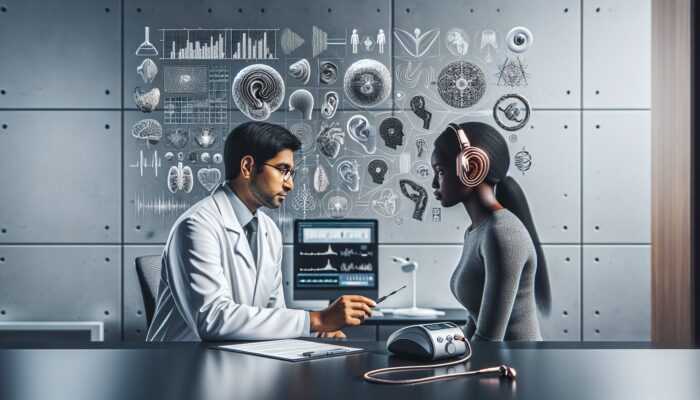
The journey toward improved hearing begins with a comprehensive initial consultation and assessment conducted by an audiologist. During this crucial first step, healthcare professionals evaluate the individual’s specific hearing loss and discuss the suitability of bone conduction aids. This personalized approach ensures that users receive tailored recommendations that align with their unique needs.

Audiologists employ a variety of diagnostic tools and tests to measure hearing loss, including pure-tone audiometry and speech audiometry. These assessments provide valuable insights into the type and degree of hearing impairment, allowing audiologists to determine whether bone conduction technology is an appropriate solution for the patient.

The initial consultation also serves as an opportunity for patients to ask questions and voice their concerns. This open dialogue fosters trust and encourages informed decision-making. Many individuals may feel apprehensive about exploring new technologies, and addressing their concerns helps alleviate anxiety and facilitates a smoother transition to using bone conduction aids.

As more individuals seek effective solutions for their hearing challenges, the significance of thorough assessments cannot be overstated. Engaging professionals who understand how bone conduction hearing aids help ensures that patients receive the best possible care, ultimately contributing to more successful outcomes.

Personalized Customization and Fitting

Once the initial assessment is complete, the next phase in the process is the customization and fitting of the bone conduction hearing aids. Audiologists work closely with patients to ensure that the devices are tailored to their specific auditory needs. This customization is vital for optimizing performance, comfort, and overall user satisfaction.

The fitting process involves taking precise measurements of the user’s skull and determining the most suitable placement for the device. This ensures that vibrations are effectively transmitted to the cochlea, allowing users to experience the full benefits of bone conduction technology.

Additionally, audiologists may program the devices to align with the user’s unique hearing profile. This programming can include adjusting volume levels, frequency responses, and other features such as Bluetooth connectivity. The goal is to create a seamless auditory experience that caters to the individual’s preferences and lifestyle.

The importance of a proper fit cannot be overstated, as it directly influences the user’s experience. When bone conduction aids are customized correctly, users can enjoy enhanced sound quality and comfort, making it easier to integrate these devices into their daily lives. As more individuals explore the advantages of how bone conduction hearing aids help, the customization process will play a pivotal role in ensuring their success.

Essential Follow-Up and Adjustments

The fitting process does not conclude after the initial customization; regular follow-up appointments are essential for fine-tuning the settings of bone conduction hearing aids. As users acclimate to their new devices, audiologists provide ongoing support and make necessary adjustments to address any issues that may arise.

Follow-up visits allow audiologists to monitor the user’s progress and assess how well the devices are functioning. This ongoing evaluation is crucial for identifying any necessary adjustments to improve sound quality, comfort, or overall performance. Whether it involves recalibrating settings or addressing specific concerns, these appointments ensure that users continue to benefit from their bone conduction aids.

Additionally, follow-ups provide an opportunity for users to share their experiences and feedback. This valuable information empowers audiologists to make informed decisions about modifications, ensuring that the devices continue to meet the user’s evolving needs.

As awareness of how bone conduction hearing aids help users grows, the importance of follow-up care becomes increasingly apparent. Regular check-ins contribute to a successful auditory experience, empowering users to engage fully with their environments.

Ensuring Proper Maintenance and Care

Implementing Daily Cleaning and Inspection

Proper maintenance and care are crucial for ensuring the longevity and effectiveness of bone conduction hearing aids. Users are encouraged to incorporate daily cleaning and inspection routines into their practices to maintain optimal performance.

Regularly cleaning the devices helps prevent the buildup of dirt, wax, and moisture that can impede sound quality and functionality. A soft, dry cloth is typically adequate for wiping down the device, while specialized cleaning tools may be necessary for intricate components. Users should also inspect their aids for any signs of wear or damage, ensuring that any issues are promptly addressed.

Integrating these routines into daily life is essential for users, as proper maintenance can significantly extend the lifespan of the devices. This proactive approach not only enhances the performance of bone conduction aids but also promotes user confidence in their hearing solutions.

As more individuals become aware of the benefits of how bone conduction hearing aids help and the significance of maintenance, the practice of regular cleaning and inspection will become a standard part of the user experience.

Adopting Proper Storage and Handling Techniques

In addition to daily cleaning, adequate storage and handling of bone conduction hearing aids are vital for their longevity. Users should store their devices in a dry, secure location, ideally within a protective case when not in use. This practice minimizes the risk of damage from moisture, dust, or accidental impacts.

When handling the devices, it is essential to be mindful of their delicate components. Users should avoid exposing their aids to extreme temperatures or direct sunlight, as these conditions can adversely affect performance. Additionally, exercising caution when inserting or removing the devices can prevent unnecessary wear and tear.

By adopting proper storage and handling techniques, users can help ensure that their bone conduction hearing aids remain in optimal condition. As awareness of how bone conduction hearing aids help spreads, individuals will be more inclined to prioritize the care of their devices, enhancing their overall auditory experience.

Recognizing When to Seek Professional Help

Even with regular maintenance and care, there may be instances when users need to seek professional assistance for their bone conduction hearing aids. If the device malfunctions or if users notice changes in their hearing, it is crucial to consult an audiologist or hearing specialist promptly.

Professional help is necessary for diagnosing issues that may arise, such as low battery life, sound distortion, or discomfort. Audiologists are equipped to provide expert guidance and recommend suitable solutions, ensuring that users can continue to benefit from their bone conduction aids without interruption.

As the understanding of how bone conduction hearing aids help grows, the importance of seeking professional help becomes increasingly clear. Users will realize that timely intervention can prevent minor issues from escalating into major concerns, ensuring a seamless auditory experience.

Frequently Asked Questions about Bone Conduction Hearing Aids

What exactly are bone conduction hearing aids?

Bone conduction hearing aids are specialized devices that transmit sound vibrations through the skull to the inner ear, effectively bypassing the outer and middle ear. They are primarily designed for individuals with specific types of hearing loss.

Who stands to benefit from bone conduction hearing aids?

Individuals with conductive hearing loss, single-sided deafness, children with hearing impairments, athletes, and those suffering from chronic ear infections can all derive substantial benefits from bone conduction hearing aids.

How do bone conduction hearing aids differ from traditional hearing aids?

Unlike traditional hearing aids that amplify sound through the air, bone conduction aids transmit sound vibrations directly through the skull, effectively bypassing damaged areas of the auditory system.

Are bone conduction hearing aids comfortable to wear for extended periods?

Absolutely, bone conduction hearing aids are designed with comfort in mind, typically being lightweight and easy to wear for prolonged periods, making them suitable for various activities.

Can bone conduction hearing aids lead to improvements in sound quality?

Yes, numerous users report enhanced sound quality and clarity, particularly in noisy environments, owing to the direct transmission of sound vibrations to the cochlea.

What are the best practices for caring for my bone conduction hearing aids?

Daily cleaning and inspection, appropriate storage, and careful handling are essential for maintaining bone conduction hearing aids. Regular upkeep not only extends their lifespan but also ensures optimal performance.

How does the fitting process for bone conduction hearing aids work?

The fitting process entails an initial consultation with an audiologist, followed by personalization based on individual needs, and regular follow-up appointments to fine-tune settings and address any concerns.

Are bone conduction hearing aids suitable for children?

Yes, bone conduction hearing aids are well-suited for children, particularly those with hearing impairments. Early intervention with these aids can significantly support speech and language development.

Are there any associated risks with bone conduction hearing aids?

Bone conduction hearing aids pose minimal risks compared to traditional devices, especially for those with chronic ear infections, as they do not require insertion into the ear canal.

How can I find a qualified audiologist for bone conduction hearing aids?

You can locate a qualified audiologist by consulting local healthcare providers, seeking recommendations from friends or family, or searching professional directories specific to audiology services in your vicinity.

Explore more with us on X!

The post Bone Conduction Hearing Aids: Your Guide to Improved Hearing appeared first on The Microsuction Ear Wax Removal Network.

Categories
Health & Wellness Hearing Aids

Best Hearing Aids for Mild Loss: Our Top Recommendations

Comprehensive Insights into Mild Hearing Loss

Defining Mild Hearing Loss and Recognizing Its Symptoms

A person struggling to hear a whisper, surrounded by fading sounds, illustrating mild hearing loss isolation.

Experiencing mild hearing loss often manifests as a subtle yet significant challenge, where the gentle sounds that enrich our lives seem to fade away. This condition is technically categorized within a hearing loss range of 26 to 40 decibels, which can lead individuals to frequently misinterpret soft-spoken words or miss key elements in conversations. Individuals managing this condition may find that soft whispers become increasingly difficult to discern, while background noises tend to overpower vital discussions. The realization of not capturing these nuances can be both frustrating and isolating. Early identification of these symptoms is crucial, as prompt intervention with the best hearing aids for mild hearing loss can substantially improve communication abilities and enhance overall life enjoyment.

Recognizing these symptoms early is essential to prevent further decline in hearing capability. Indicative signs may include struggling to hear in noisy environments, needing speakers to raise their voices, or feeling fatigued after social gatherings due to the strain of trying to hear. Such challenges can impose an emotional burden, often leading to feelings of social isolation. Providing clarity on this prevalent condition is vital, as it encourages those affected to seek the necessary support and solutions sooner rather than later.

Exploring the Causes Behind Mild Hearing Loss

Delving into the causes of mild hearing loss reveals a diverse range of potential factors. Age-related changes are significant, as the intricate structures within the ear gradually lose their sensitivity with time. Additionally, exposure to loud environments—ranging from concerts to industrial settings—can significantly diminish hearing ability over time. Genetic predispositions also play a crucial role, with certain hereditary conditions increasing the likelihood of auditory deterioration. Furthermore, other medical conditions, such as ear infections, otosclerosis, or long-term use of ototoxic medications, can exacerbate or contribute to hearing impairments, complicating the situation further.

Understanding these root causes is imperative for individuals in search of effective solutions. By identifying the underlying factors contributing to their hearing loss, individuals can make informed choices regarding the best hearing aids for mild hearing loss that suit their specific circumstances. For instance, someone whose hearing challenges stem mainly from aging might prioritize devices that excel in amplifying sound, while those affected by noise-induced hearing loss may look for features designed to effectively minimize background noise.

The Critical Need for Early Intervention in Hearing Loss

Addressing mild hearing loss with urgency cannot be emphasized enough. Early intervention, particularly through the use of hearing aids, can dramatically improve the quality of life for those affected. Research has shown that individuals who take swift action are notably more likely to experience enhanced social interaction and a reduced risk of cognitive decline. When sounds are amplified and communication barriers are diminished, users can engage fully in conversations, preserving their connections with family and friends.

Consider the case of a young professional who begins to notice signs of mild hearing loss. By proactively investing in the best hearing aids for mild hearing loss, they can maintain their career progression and social engagements without disruption. The ability to participate meaningfully at work and in personal interactions not only nurtures relationships but also supports overall mental health. The long-lasting advantages of early intervention are significant, reinforcing the notion that taking action promptly can empower individuals to lead richer and more satisfying lives.

The Daily Life Impact of Mild Hearing Loss

Mild hearing loss can subtly yet profoundly reshape the dynamics of daily existence. Individuals may find that routine activities—such as casual conversations with friends, family gatherings, or professional meetings—become progressively more challenging. This ongoing struggle can lead to feelings of frustration and isolation, as the inability to hear clearly may alienate individuals from their social circles. What should be joyful interactions may turn into sources of anxiety, prompting some to withdraw from engagements altogether.

Moreover, the effects extend beyond personal relationships; they can significantly impact work productivity and professional interactions. Missing crucial information during meetings or relying heavily on visual cues can create an uneven playing field for those with mild hearing loss. The emotional ramifications of these challenges can accumulate over time, resulting in a decline in overall well-being. By seeking out the best hearing aids for mild hearing loss, users can regain control over their daily routines, re-engaging fully with their environments and restoring their confidence in both social and professional contexts.

Essential Features of Hearing Aids for Mild Hearing Loss

Choosing Hearing Aids with Discreet Designs for Style and Comfort

For many individuals experiencing mild hearing loss, the visual appeal of hearing aids is just as important as their functionality. The modern era of hearing aids has introduced discreet designs that provide sleek, nearly invisible options, allowing users to feel both comfortable and confident. These designs cater to individuals who prefer to maintain their appearance without drawing attention to their hearing devices, ensuring that they can navigate social situations with ease.

With a variety of styles available today, users can select models that seamlessly integrate into their lifestyles. Whether choosing behind-the-ear, in-the-ear, or completely-in-canal designs, the emphasis on discretion ensures that wearing a hearing aid remains a non-intrusive experience. Such choices empower individuals to enhance their hearing capabilities without the stigma often associated with traditional devices. By opting for the best hearing aids for mild hearing loss that feature discreet designs, users can blend advanced technology into their daily lives, enhancing both functionality and style.

Utilizing Advanced Sound Processing for Optimal Hearing

The technological advancements in hearing aids have transformed how individuals with mild hearing loss perceive sound. Modern hearing aids now come equipped with advanced sound processing capabilities designed to enhance speech clarity while effectively minimizing background noise. This technology is especially beneficial for users who find themselves in environments where numerous sounds compete for attention, such as crowded restaurants or bustling streets.

These sophisticated systems function by analyzing the surrounding sound environment and adjusting amplification levels in real-time. For example, during a conversation, the hearing aid can automatically reduce background noise, allowing users to concentrate on the speaker. This feature is particularly advantageous for those attending social events or working in environments that demand active listening. The integration of advanced sound processing technologies into the best hearing aids for mild hearing loss significantly enriches the overall auditory experience, promoting meaningful communication and interaction.

Customizing Hearing Aids with Adjustable Settings

Each individual’s hearing requirements are distinct, making the ability to customize hearing aids crucial for achieving optimal performance. Many contemporary devices feature adjustable settings that can be tailored to the user’s personal preferences and different environments. This flexibility ensures that users can fine-tune their hearing aids to suit various listening situations, whether in a tranquil home setting or a lively public area.

Some devices even offer smartphone connectivity, enabling users to effortlessly adjust settings via an app. This convenience simplifies the process of switching between different listening modes, ensuring the hearing aid operates optimally in any given context. The availability of customizable features in the best hearing aids for mild hearing loss empowers users to take control of their auditory experiences, significantly improving their quality of life.

Prioritizing Long Battery Life for Consistent Use

Reliability is a paramount concern when it comes to hearing aids, and long battery life is a feature that many users highly value. The best hearing aids for mild hearing loss typically incorporate innovative battery technology, ensuring prolonged usage without the frequent hassle of recharging or replacing batteries. This feature is particularly significant for users who depend on their devices throughout the day, enabling them to engage fully in social, work, and leisure activities.

Many modern hearing aids now provide rechargeable options, eliminating the need for disposable batteries altogether. Users can enjoy the convenience of simply placing their devices in a charging dock overnight, ensuring they are ready for daily use. The combination of extended battery life and user-friendly charging solutions greatly enhances the experience for individuals with mild hearing loss, allowing them to focus on what truly matters—connecting with the world around them.

Top-Rated Hearing Aid Models for Mild Hearing Loss

Comprehensive Overview of Model A

When researching the best hearing aids for mild hearing loss, Model A frequently emerges as a top contender due to its impressive blend of stylish design and advanced functionality. This model is celebrated for its sleek appearance, providing users with a fashionable option that does not compromise on auditory performance. Equipped with cutting-edge technology specifically designed for individuals experiencing mild hearing loss, this device enhances sound clarity while effectively minimizing distracting background noise.

In addition to its aesthetic appeal, Model A features user-friendly controls that enable individuals to easily adjust settings according to their listening environment. This adaptability makes it an excellent choice for those navigating varied audio situations, whether in a quiet café or a bustling family gathering. Comfort during extended wear is another critical aspect of Model A, making it a reliable companion for daily use.

Insight into Model B

For those in search of a dependable hearing aid, Model B is often recognized as a leading option. One of its most notable attributes is its exceptional battery life, tailored for users who require a reliable device that lasts throughout the day. This model is particularly suited for individuals who may forget to recharge or replace batteries regularly, ensuring that they stay connected to their environment without disruption.

Model B’s intuitive controls simplify navigation, allowing users to adjust settings with ease and without confusion. This user-friendly approach is essential, especially for those who may not be technologically inclined. By selecting Model B, users can anticipate a durable and practical solution that enriches their daily communication experiences, making it an ideal selection among the best hearing aids for mild hearing loss available in today’s market.

Exploring the Features of Model C

Model C distinguishes itself with its customizable sound settings, giving users the ability to fine-tune their auditory experiences according to personal preferences. This model offers a comfortable fit, ensuring that users can wear it throughout the day without any discomfort. The capability to adjust sound profiles enables individuals to optimize their hearing in various environments, whether they are engaged in quiet conversations or navigating noisy public places.

The design of Model C also prioritizes user satisfaction, incorporating features that enhance both comfort and usability. Many users appreciate the seamless integration of advanced technology, allowing for a personalized hearing experience. For those in search of a tailored solution to their hearing needs, Model C has earned recognition as one of the best hearing aids for mild hearing loss, offering a comprehensive solution for everyday living.

Evaluating Model D

Model D’s compact size makes it an attractive choice for those who prioritize discretion alongside performance. Users frequently commend this model for its effective noise reduction capabilities, which are particularly advantageous for individuals with mild hearing loss who desire to enjoy enhanced sound quality without drawing attention to their devices. The technology incorporated in Model D emphasizes amplifying speech while minimizing distracting background noise, resulting in clearer and more enjoyable conversations.

In addition to its functional benefits, the thoughtful design of Model D ensures comfort and ease of wear. Users can expect a lightweight and unobtrusive experience, enabling them to fully engage in their surroundings without the concern of their hearing aid being overly noticeable. The combination of effectiveness and subtlety positions Model D as a strong candidate among the best hearing aids for mild hearing loss, appealing to those who appreciate both aesthetics and performance.

Highlights of Model E

Model E excels in delivering superior sound clarity along with intuitive usability, making it an ideal choice for individuals with mild hearing loss. Users often express that the sound quality provided by Model E drastically enhances their auditory experiences, allowing for deeper engagement in conversations and enjoyment of music or natural sounds without distortion.

The straightforward controls of Model E ensure that users can quickly and easily adjust settings, catering to those who may lack extensive experience with technology. This accessibility is crucial in making hearing aids approachable for all users. By emphasizing ease of use and exceptional sound quality, Model E stands out as one of the best options available for the best hearing aids for mild hearing loss, enabling users to embrace the beauty of life’s sounds with newfound confidence.

Significant Advantages of Using Hearing Aids for Mild Hearing Loss

Enhancing Communication Effectiveness

One of the most notable advantages of utilizing hearing aids for mild hearing loss is the substantial enhancement of communication capabilities. Individuals who invest in the best hearing aids for mild hearing loss often find that they can amplify soft sounds that were once inaudible, dramatically transforming their interactions. This heightened clarity facilitates a more natural conversational flow, minimizing the need to repeatedly ask others to repeat themselves.

Furthermore, improved communication nurtures deeper relationships. For example, family gatherings or workplace meetings can evolve into less stressful and more enjoyable experiences when individuals can fully engage in discussions. The reduction in misunderstandings and the ability to actively participate contributes to a richer social life. As users experience enhanced communication with their peers, they frequently report increased satisfaction in their relationships and interactions.

Fostering Enhanced Social Interaction

The benefits of hearing aids extend well beyond improved sound perception; they significantly enrich social interactions. Individuals experiencing mild hearing loss often grapple with feelings of isolation, particularly in group settings where background noise can overpower conversations. By incorporating hearing aids into their daily lives, these barriers are effectively reduced, enabling active participation in social events and diminishing the likelihood of feeling excluded or disconnected.

As users become more engaged socially, they often notice improvements in their mental health and emotional well-being. The ability to confidently interact with friends, family, and colleagues fosters a sense of belonging and community. Events that once felt intimidating may transform into opportunities for connection, laughter, and shared experiences. Investing in the best hearing aids for mild hearing loss not only enhances auditory perception but also rejuvenates social lives, creating a ripple effect of positivity that enhances users’ overall quality of life.

Achieving a Better Quality of Life Through Hearing Aids

Users frequently convey that the most significant advantage of using hearing aids is the overall enhancement of their quality of life. The experience of enjoying everyday sounds—such as music, nature, or even the simple joy of laughter—becomes accessible once again. Hearing aids equipped with state-of-the-art technology allow users to immerse themselves in their surroundings, regaining auditory experiences that may have been compromised due to mild hearing loss.

Beyond the auditory benefits, the psychological uplift associated with improved hearing is profound. Many users report feeling more self-assured and less anxious in social situations, leading to a more enriching lifestyle. Whether it’s relishing a concert, participating in community events, or simply enjoying a peaceful walk in nature, hearing aids enhance every facet of life. By selecting the best hearing aids for mild hearing loss, individuals are not just investing in sound; they are investing in a more vibrant and fulfilling existence.

Essential Considerations for Choosing the Right Hearing Aid

Thoroughly Assessing Your Individual Hearing Needs

Selecting the appropriate hearing aid begins with a comprehensive understanding of your unique hearing needs. A professional hearing assessment is an indispensable first step, offering valuable insights into the specific level and type of hearing loss you may be experiencing. This evaluation serves as a foundation for selecting a device that caters to your individual auditory requirements.

Typically, the assessment encompasses a series of tests that evaluate your hearing across various frequencies. Gaining clarity on your hearing profile will facilitate navigation through the plethora of options available in the market, allowing you to determine which features are most pertinent to your situation. For example, you might find that you need a device with advanced noise cancellation capabilities, which can significantly enhance your listening experience. By prioritizing professional evaluation, you can make informed decisions and select the best hearing aids for mild hearing loss that align with your everyday needs.

Factoring in Lifestyle Considerations

Your lifestyle is a crucial element in determining the ideal hearing aid for your needs. It’s imperative to evaluate your daily activities, social engagements, and the typical environments in which you will use your hearing aids. For instance, if you often find yourself in social gatherings, you may want to select devices equipped with exceptional sound clarity and noise reduction features. Conversely, if your lifestyle leans towards quieter settings, consider models that excel in amplifying soft sounds effectively.

Additionally, consider the physical aspects of the devices. If you lead an active lifestyle or participate in sports, you might prefer models that offer durability and resistance to sweat. Understanding these lifestyle factors will guide you toward selecting a hearing aid that not only meets your auditory needs but also fits seamlessly into your daily routine. By doing so, you maximize the chances of receiving optimal benefits from the best hearing aids for mild hearing loss, ensuring they integrate effortlessly into your life.

Taking Advantage of Trial Periods Before Making a Purchase

One of the most effective strategies for ensuring that you choose the right hearing aid is to take advantage of trial periods offered by numerous providers. Trying before you buy allows you to experience how a device performs in real-world situations, providing insight into how well it meets your auditory requirements. During this trial phase, pay careful attention to various factors, including comfort, sound quality, and the ease of adjusting settings.

This hands-on experience is invaluable, enabling you to make a well-informed decision based on your personal preferences rather than relying solely on marketing claims. Engage in conversations with family and friends, explore different environments, and evaluate how each model enhances your hearing experience. By adopting this proactive approach, you increase the likelihood of discovering the best hearing aids for mild hearing loss that will deliver long-term satisfaction and improved hearing.

Assessing Different Types of Hearing Aids

The market presents a broad array of hearing aid styles, and evaluating the various types is essential in finding the right fit for your needs. Common options include behind-the-ear (BTE), in-the-ear (ITE), and completely-in-canal (CIC) designs. Each type possesses its unique advantages and considerations, which can greatly influence your decision-making process.

BTE models are generally larger but provide the benefit of superior sound amplification and longer battery life. ITE models offer a more discreet alternative while still delivering good sound quality. CIC styles, being the smallest, are nearly invisible but may face limitations in features due to their compact size. Understanding the pros and cons of each style will guide your selection process, ensuring that you choose a hearing aid that aligns with your lifestyle, comfort, and auditory requirements. Selecting from the best hearing aids for mild hearing loss available can significantly enhance your hearing experience, improving your daily life.

Understanding Costs and Exploring Insurance Coverage

Navigating the financial aspects of hearing aids is a vital step in the selection journey. The price range for hearing aids can vary significantly based on brand, technology, and features offered. Conducting thorough research into these costs will provide a clearer understanding of what to expect and facilitate proper budgeting. Moreover, comprehending your insurance coverage is crucial, as some plans may cover part or all of the costs associated with hearing aids.

When considering options, take into account not only the initial purchase price but also the long-term value, including maintenance and warranty offerings. Some providers may offer additional services such as follow-up appointments or adjustments, which can enhance your device’s overall performance. By diligently researching costs and insurance coverage, you can make an informed decision, ensuring that you find the best hearing aids for mild hearing loss that align with your financial situation while providing optimal auditory support.

Frequently Asked Questions About Mild Hearing Loss

What exactly constitutes mild hearing loss?

Mild hearing loss is defined as a hearing impairment where individuals have difficulty hearing soft sounds, typically classified as a loss between 26 to 40 decibels. This condition can result in missing segments of conversations and sounds in various environments.

Which hearing aids are recommended for mild hearing loss?

The best hearing aids for mild hearing loss differ based on individual requirements, but popular models include those featuring discreet designs, advanced sound processing, and extended battery life, catering to diverse lifestyles and preferences.

How can I determine if I need hearing aids?

If you frequently find yourself straining to hear conversations, asking others to repeat themselves, or struggling in noisy environments, it may be advisable to consult a hearing professional for a thorough assessment.

Are hearing aids uncomfortable to wear?

Many contemporary hearing aids are designed with comfort in mind. Selecting a model that fits well and aligns with your preferences is essential, as comfort can vary based on style and individual anatomy.

Is it possible to try hearing aids before purchasing?

Yes, numerous hearing aid providers offer trial periods that allow you to test the devices in real-world conditions, helping you evaluate their suitability for your needs prior to making a purchase.

What is the typical lifespan of hearing aid batteries?

The longevity of hearing aid batteries is influenced by factors such as usage and device features. Generally, traditional batteries last between 5 to 14 days, while rechargeable batteries can provide all-day use on a single charge.

Will my insurance cover the expense of hearing aids?

Insurance coverage for hearing aids varies by plan. Some policies may cover a portion of the cost, while others may not. It’s important to review your policy for specific details regarding coverage.

Can hearing aids positively impact my social life?

Absolutely! Hearing aids improve sound clarity and communication, enabling users to engage more fully in social interactions, which leads to enhanced relationships and a richer social life.

What factors should I consider when selecting a hearing aid?

When choosing a hearing aid, consider your specific hearing needs, lifestyle, comfort, design, battery life, and cost. Consulting with a hearing professional can significantly aid in making the right choice.

How often should I have my hearing aids serviced?

Regular check-ups, ideally every six to twelve months, are recommended to ensure optimal performance of your hearing aids. These appointments allow for necessary adjustments and maintenance to enhance your listening experience.

Explore our world on X!

The post Best Hearing Aids for Mild Loss: Our Top Recommendations appeared first on The Microsuction Ear Wax Removal Network.

Categories
Health & Wellness Hearing Aids

Hearing Aids Enhance Social Connections in Groups

Last Updated on 27/06/2025 by Admin

Boost Your Communication Skills in Social Settings

Achieving Enhanced Speech Clarity for Better Conversations

Guests at a Brazilian wedding using hearing aids to clearly hear toasts amidst lively music and chatter.

In lively environments, such as bustling cafes in Paris or vibrant parks in Tokyo, hearing aids are essential for amplifying speech clarity. These advanced devices effectively filter out distracting background noise, allowing users to concentrate on conversations effortlessly. Research shows that individuals using hearing aids experience a remarkable improvement in the clarity of speech, leading to enriched social interactions. Picture yourself at a joyous wedding celebration in Brazil; hearing aids ensure that every heartfelt toast is clearly audible. This enhancement in auditory perception not only strengthens personal relationships but also nurtures a comprehensive understanding of intricate dialogues, making social gatherings all the more enjoyable and meaningful.

Furthermore, users frequently share their feelings of increased inclusion in group discussions. No longer relegated to the sidelines, they can actively participate, enjoying shared laughter and engaging in stimulating conversations. This aspect becomes even more vital in multicultural settings, where diverse accents and dialects add layers to communication. The clarity provided by hearing aids helps bridge these communication gaps, enabling users to appreciate the subtle nuances in speech that might otherwise go unnoticed. Ultimately, the ability to effortlessly comprehend spoken language transforms social interactions into unforgettable experiences.

Minimizing Listening Effort for Greater Enjoyment

Imagine being part of a dynamic discussion group at a lively community center in Toronto. For those with hearing aids, the cognitive effort required to follow conversations is significantly diminished. These sophisticated devices alleviate the mental burden associated with listening, allowing users to relax and engage without the fatigue that often accompanies social interactions. Studies indicate that individuals who utilize hearing aids report experiencing lower levels of mental exhaustion after attending social events. The cutting-edge technology in modern hearing aids, such as directional microphones, plays a crucial role in isolating voices, making conversations clearer even in crowded surroundings.

This reduction in listening effort translates to a more enriching experience during gatherings. Users can immerse themselves fully in dialogues, sharing their insights and opinions with confidence. This newfound ease encourages participation in various group activities, from book clubs in London to spirited team-building workshops in Sydney. As users become more engaged, they expand their social circles and enhance their sense of community and belonging. Ultimately, the decreased effort in listening empowers individuals to engage more deeply, fostering lively discussions and connections that leave lasting impressions.

Fostering Better Group Dynamics Through Improved Communication

The dynamics of group conversations can experience a transformative shift when hearing is optimized. When every participant can hear and understand one another clearly, conversations flow seamlessly, minimizing misunderstandings and promoting active participation. In environments like community theater programs in New York or group retreats in Bali, effective communication creates an atmosphere of inclusivity and openness. Individuals who previously hesitated to contribute often find their voices, leading to richer and more diverse conversations that can inspire creativity and collaboration.

Research highlights that groups characterized by effective communication tend to enjoy higher levels of satisfaction and connection among their members. This is especially beneficial in contexts such as support groups or collaborative projects, where emotional support and teamwork are vital. Enhanced communication skills, facilitated by the use of hearing aids, foster empathy and understanding, which ultimately leads to deeper, more meaningful relationships. As users become increasingly engaged, they not only enhance their own contributions to discussions but also encourage others to share, weaving a vibrant tapestry of shared experiences and ideas.

Encouraging Participation in Group Activities

Boosting Confidence for Social Engagement

For many individuals, attending a social gathering can pose challenges, particularly when grappling with hearing difficulties. However, hearing aids provide a significant boost in confidence, empowering users to engage actively in group activities. Whether it’s a family reunion in Johannesburg or a networking event in San Francisco, those equipped with hearing aids often feel more secure in their ability to participate fully. This newfound sense of assurance encourages them to initiate conversations, express their thoughts during meetings, or join in group outings, ultimately enhancing their overall enjoyment and social experience.

Numerous studies emphasize the psychological benefits of regained hearing capability. Users frequently report feeling more self-assured and less anxious in social interactions. This sense of empowerment is essential, particularly in cultures that celebrate communal activities. For instance, in India, communal meals and festive celebrations are central to social life. Hearing aids allow users to connect more genuinely, share in these vibrant experiences, and cultivate a sense of belonging. As confidence flourishes, so does the desire to engage in diverse activities, promoting personal growth and fostering social harmony.

Encouraging Active Engagement in Discussions

Active engagement in discussions is a key component of a fulfilling social experience. Hearing aids significantly enhance users’ abilities to follow and participate in conversations, whether in a classroom setting in Singapore or during a community workshop in Nairobi. With improved sound clarity and reduced background distractions, users can confidently share their insights and opinions, enriching their social lives while fostering collaboration and shared learning.

In many group settings, such as brainstorming sessions or book clubs, the exchange of diverse perspectives can lead to innovative ideas. Hearing aids facilitate this vital exchange by allowing users to pick up on nuances in conversations, ensuring their contributions remain relevant and impactful. The ripple effect of enhanced engagement can be substantial; users may find themselves stepping into leadership roles or encouraging others to voice their thoughts, ultimately transforming group dynamics. The more individuals feel heard, the more vibrant and productive the discussions become, creating a stimulating environment for all participants.

Maximizing Enjoyment of Social Events

Social events, whether they are family gatherings in Mexico or cultural festivals in Italy, are intended to be enjoyed. Enhanced hearing through the use of hearing aids allows users to immerse themselves fully in these experiences. With improved auditory clarity, individuals can actively participate in activities such as dancing, storytelling, or engaging in games without the fear of missing out on key details. This elevated enjoyment not only enriches personal experiences but also strengthens the bonds with friends and family, creating lasting memories.

Moreover, studies indicate that hearing aid users often report heightened satisfaction during social events. They feel more included and engaged, leading to more fulfilling interactions. Whether it’s catching the punchline of a joke at a comedy show or joining in a group sing-along at a concert, the joy derived from these experiences is amplified significantly. As enjoyment increases, so does the likelihood of attending future events, thereby enhancing their social life and contributing positively to their mental well-being.

Boosting Emotional Well-Being Through Enhanced Communication

Combatting Isolation with Improved Connectivity

Isolation can have profound effects on mental health, particularly for those facing hearing loss. Hearing aids act as a vital tool in combating feelings of loneliness, allowing users to engage meaningfully with others in group settings. For instance, individuals attending community gatherings in Cape Town can participate in conversations, significantly reducing feelings of isolation and fostering a sense of belonging that is essential for emotional well-being.

Research consistently demonstrates that individuals using hearing aids report improved social interactions, which lead to enhanced emotional health. The ability to join in group activities and conversations significantly dampens feelings of alienation. Users often describe how their devices have facilitated the formation of new friendships and social networks, creating a supportive community that enhances their quality of life. With reduced feelings of isolation, individuals can lead more fulfilling lives that are rich with shared experiences and meaningful connections.

Enhancing Mood Through Social Interaction

A direct link exists between communication and emotional health. The enhanced ability to hear in group settings translates to a more positive mood for users of hearing aids. Engaging in lively discussions or simply enjoying the company of friends can lead to heightened feelings of joy and satisfaction. Environments such as local art fairs in Barcelona or community events in Melbourne can transform into vibrant experiences filled with laughter and connection, all thanks to the clarity provided by hearing aids.

Moreover, numerous studies illustrate that social interactions are closely linked to improved mood and emotional health. The simple act of participating in conversations can stimulate positive feelings while alleviating anxiety. Users often express that hearing aids have not only improved their communication skills but have also uplifted their overall outlook on life. By enhancing their ability to engage socially, hearing aids contribute to a more positive and fulfilling emotional state, ultimately leading to improved overall well-being.

Building Stronger Relationships Through Effective Communication

Effective communication is the bedrock of strong relationships. In group environments, hearing aids facilitate better understanding and connections, significantly strengthening bonds with friends and family. For instance, during family gatherings in Toronto or beach outings in Sydney, the enhanced communication provided by hearing aids allows users to share stories and experiences more effectively. This clarity fosters empathy and deeper connections, which are essential for nurturing lasting relationships.

Research underscores the significance of effective communication in relationship satisfaction. When individuals can articulate their thoughts and feelings clearly, misunderstandings diminish, leading to more harmonious interactions. The enhanced ability to connect with loved ones cultivates a supportive atmosphere that nurtures relationships, especially during challenging times. As users experience these stronger connections, they also build a sense of community, enriching their overall emotional well-being and fostering resilience in their personal lives.

Fostering Increased Confidence in Social Interactions

Confidence is often derived from the ability to communicate effectively. With improved hearing capabilities, individuals feel empowered to engage freely in conversations, thus boosting their self-esteem. Whether participating in a discussion at a conference in New York or mingling at a wedding in Mumbai, users of hearing aids frequently report a newfound sense of assurance. This confidence enables them to articulate their thoughts without hesitation, fostering deeper and more meaningful interactions.

Studies reinforce the idea that enhanced communication leads to higher self-confidence. As users navigate social situations with greater ease, they become more inclined to participate in various activities, from community service projects to hobby groups. This proactive engagement not only enriches their social lives but also encourages personal growth and development. The more confident individuals feel in their abilities, the more opportunities they create for themselves, leading to a fuller, more fulfilling life.

Achieving Better Learning and Educational Outcomes

Boosting Comprehension for Academic Success

In educational settings, comprehension is crucial for achieving success. Hearing aids significantly enhance the ability to understand lectures and engage in group discussions, whether in a classroom in Stockholm or a university seminar in Nairobi. By amplifying the instructor’s voice and filtering out background noise, hearing aids provide the clarity necessary for effective learning.

Research indicates that students who utilize hearing aids demonstrate improved comprehension levels, resulting in enhanced academic performance. With clearer auditory access, learners can interact with course material, engage in discussions, and grasp complex concepts more effectively. This boost in understanding not only contributes to academic achievement but also fosters a passion for learning, encouraging students to pursue their interests with enthusiasm.

Furthermore, advancements in hearing aid technology have introduced features that enhance the educational experience. For instance, some devices can connect to smartphones or other audio sources, enabling students to stream lectures directly to their hearing aids. This capability ensures they receive information clearly, regardless of the environment, leading to more effective learning outcomes and academic success.

Encouraging Active Participation in Class Settings

Active participation is vital for a dynamic and effective learning experience. Hearing aids empower students to engage in classroom discussions and group projects more effectively, whether in a bustling lecture hall in Los Angeles or a quiet study group in Buenos Aires. With enhanced hearing capabilities, students can follow conversations without difficulty, confidently sharing their insights and perspectives.

Studies reveal that students who actively participate in class discussions often achieve better academic outcomes. This increased engagement leads to deeper understanding and retention of material. Hearing aids facilitate this essential participation by ensuring that students can hear questions, comments, and discussions distinctly. As they become more involved, students enhance their learning experience, promoting collaboration and camaraderie among their peers.

Moreover, active participation in classes fosters a supportive learning environment. When students contribute to discussions, they encourage their classmates to do the same, cultivating a sense of community and teamwork. This collaborative atmosphere not only enriches the educational experience but also prepares students for future team-oriented endeavors in their professional careers.

Enhancing Peer Interaction for Collaborative Learning

Effective communication is key to fostering better interaction among peers. Hearing aids enhance this interaction, allowing users to connect with classmates during group projects or study sessions, whether in a library in Toronto or a café in Berlin. The ability to hear and comprehend discussions enhances collaboration, simplifying the sharing of ideas and completion of assignments together.

Research emphasizes the importance of peer interaction in the learning process. When individuals can communicate effectively, they can share diverse perspectives and insights, enriching the educational experience for everyone involved. Hearing aids bridge communication gaps, nurturing a spirit of collaboration among students. As users engage more deeply with their peers, they develop essential teamwork skills that will serve them well in their future careers.

Additionally, the social benefits of improved peer interaction extend beyond the classroom. Students who are able to connect with their classmates are more likely to forge lasting friendships, enhancing their overall educational experience. These connections play a vital role in emotional well-being, contributing to a positive and fulfilling school life.

Mastering Note-Taking Skills for Academic Success

Effective note-taking is a critical skill for academic achievement. Hearing aids enable students to hear and process information more clearly, leading to improved note-taking abilities. In settings such as lectures at universities in Melbourne or study sessions in Cape Town, users can capture essential details without the stress of missing vital information.

Research shows that students who utilize hearing aids tend to retain material more effectively. The clarity and focus provided by these devices allow for more efficient note-taking, enhancing comprehension and recall. As students become adept at capturing key points, they can review and study more effectively, leading to higher academic performance and success in their courses.

Furthermore, the integration of technology with hearing aids can further enhance note-taking skills. Students can use applications that enable them to record lectures and sync notes, ensuring they have a comprehensive understanding of the material covered. This capability not only boosts academic performance but also empowers students to take ownership of their learning journey, fostering independence and confidence.

Building Confidence in Learning Environments

Confidence in one’s ability to learn is a crucial factor in achieving academic success. Hearing aids provide students with the auditory support they need to engage fully in their education, fostering an environment of self-assurance. Whether in a classroom in New Delhi or during a workshop in Toronto, users of hearing aids frequently report feeling more confident in their learning capabilities.

Research indicates that students who feel confident are more likely to tackle challenging subjects and seek assistance when necessary. With improved auditory access, learners can ask questions, participate in discussions, and seek clarification without hesitation. This proactive approach leads to a deeper understanding of the material and encourages a lifelong love of learning and exploration.

Moreover, increased confidence extends beyond the classroom. Students who feel secure in their abilities are more likely to engage in extracurricular activities and social events, enriching their overall educational experience. The empowerment that comes from using hearing aids contributes not only to academic success but also to personal growth and development, paving the way for a brighter future.

Unlocking Enhanced Professional Opportunities

Mastering Effective Communication in Professional Settings

In the professional realm, effective communication is essential for success. Hearing aids enable users to articulate their thoughts and ideas clearly in group settings, such as meetings and conferences. In bustling corporate environments in cities like London or during dynamic brainstorming sessions in San Francisco, enhanced hearing ensures that every participant can contribute without barriers.

Numerous studies highlight the importance of communication skills for career advancement. Users of hearing aids often discover that their ability to express themselves clearly enhances their professional relationships. This improved communication fosters collaboration and innovation, leading to successful outcomes and opportunities for growth within their organizations, ultimately benefiting their careers.

Additionally, the clarity provided by hearing aids can significantly reduce misunderstandings during discussions, ensuring that critical points are addressed and considered. Professionals utilizing hearing aids are frequently perceived as more competent and engaged, enhancing their prospects for career advancement and recognition in their fields.

Boosting Productivity Through Enhanced Focus

Productivity flourishes in environments where clear communication is established. Hearing aids enhance focus and concentration during group work and collaborative projects, whether in a tech startup in Berlin or a marketing agency in New York. The ability to hear and understand discussions without distraction allows users to concentrate fully on their tasks, leading to superior outcomes and accomplishments.

Research reveals that individuals using hearing aids report heightened levels of productivity in their professional settings. With reduced auditory strain, users can engage more effectively, contributing to brainstorming sessions and collaborative efforts seamlessly. This increase in productivity not only benefits individual employees but also enhances team performance, driving success for organizations as a whole.

Furthermore, the improved focus associated with hearing aids can lead to innovative ideas and solutions. When users are empowered to participate actively in discussions, they are more likely to contribute unique insights that propel projects forward. This collaborative spirit fosters a dynamic workplace culture, ultimately benefiting the organization and its goals.

Creating Pathways for Career Advancement

Effective communication skills are often foundational to career advancement. Hearing aids empower users to engage confidently in group settings, enhancing their professional prospects. Whether participating in networking events in Tokyo or leading team meetings in Sydney, individuals with hearing aids frequently find themselves better positioned for career growth and opportunities.

Numerous studies indicate that robust communication abilities correlate strongly with higher chances of promotion and leadership roles. As users navigate professional environments with greater confidence, they can seize opportunities for advancement that may have previously seemed out of reach. The ability to articulate ideas clearly and engage with colleagues creates pathways for leadership, mentorship, and influence within organizations, contributing to career fulfillment.

Moreover, as users demonstrate their skills and capabilities, they cultivate a professional reputation that can lead to valuable networking opportunities and collaborative projects. The enhanced communication provided by hearing aids empowers individuals to navigate their careers with confidence, unlocking new pathways for success and personal satisfaction.

Ensuring Improved Safety in Group Environments

Enhancing Awareness of Surroundings for Greater Safety

Awareness of one’s environment is crucial for ensuring safety, especially in group settings. Hearing aids improve users’ abilities to stay alert and aware of their surroundings, whether in crowded places like markets in Marrakech or during outdoor events in Vancouver. The clarity of sound provided by these devices ensures that users can hear important cues, significantly enhancing their overall safety and security.

Research underscores the significance of auditory awareness in preventing accidents and injuries. For example, in emergency situations, the ability to hear alarms or instructions is vital for safety. Hearing aids facilitate this awareness, allowing users to respond promptly to potential hazards, whether in public spaces or during group activities. This heightened awareness not only benefits individuals but also contributes to a safer environment for everyone involved.

Facilitating Quick Responses to Alerts and Announcements

The capability to respond swiftly to alerts is essential for safety in group environments. Hearing aids enable users to hear alarms, announcements, and warnings clearly, whether in workplaces in Dubai or crowded events in London. This auditory clarity allows for rapid responses, ensuring that users can take appropriate actions in critical situations, thereby improving overall safety for everyone.

Research indicates that individuals equipped with hearing aids are more likely to respond promptly to alerts, effectively reducing the risk of accidents or misunderstandings. In cases where immediate action is required, such as evacuations or medical emergencies, clear hearing can be lifesaving. The ability to hear and comprehend instructions enhances users’ responsiveness, ultimately contributing to the safety and well-being of all group members.

Moreover, the confidence that comes from improved hearing allows users to act decisively in emergencies. They can communicate effectively with others, ensuring that everyone is informed and can respond appropriately. This collective awareness fosters a culture of safety within group settings, benefiting both individuals and the community as a whole.

Enhancing Response Effectiveness in Emergency Situations

In emergencies, clear communication can be the difference between safety and danger. Hearing aids ensure that users can hear vital instructions and react appropriately, whether during natural disaster drills in schools or community safety workshops. The auditory clarity provided by these devices enables swift and effective communication, facilitating a coordinated response when it matters most.

Studies indicate that individuals with better auditory access are more likely to follow safety protocols during emergencies. This capability not only enhances individual safety but also contributes significantly to the well-being of the entire group. For example, in crowded public venues, the ability to hear safety announcements can prevent panic and ensure orderly evacuations, ultimately safeguarding lives.

Furthermore, the confidence gained from using hearing aids empowers individuals to take charge in emergencies. They can effectively communicate with emergency personnel and fellow group members, ensuring that everyone is informed and safe. This collective response fosters a sense of security and preparedness in group settings, reinforcing safety protocols and enhancing community resilience.

Improving Communication in Noisy Environments for Safety

Noisy environments can pose significant challenges to effective communication. Hearing aids mitigate these challenges, enhancing clarity even in bustling settings like concerts in Rio de Janeiro or sports events in Sydney. Users can engage in conversations without straining to hear, thereby improving overall safety by reducing the chance of misunderstandings and miscommunications in critical situations.

Research shows that individuals using hearing aids in noisy environments experience less auditory fatigue. This clarity allows them to communicate effectively, ensuring that critical messages are conveyed and understood. In situations where clear communication is vital, such as during safety briefings at events, hearing aids facilitate understanding and engagement, ultimately contributing to a safer environment for all attendees.

Moreover, the ability to communicate effectively in noisy settings fosters a sense of inclusivity. Users feel more comfortable participating in group activities, knowing they can engage without barriers. This enhanced communication not only benefits individual users but also contributes to safer environments, allowing everyone involved to enjoy the experience without fear or misunderstanding.

Fostering Increased Confidence in Group Settings

Confidence is key to feeling secure in group environments. Hearing aids empower users to navigate social and professional settings with greater assurance, whether attending workshops in Amsterdam or community events in Johannesburg. The clarity provided by these devices encourages users to engage actively, fostering a sense of belonging and community.

Studies reveal that individuals who feel confident in their communication abilities are more likely to contribute positively to group dynamics. This confidence often leads to increased participation and collaboration, enhancing the overall experience for everyone involved. As users engage more freely, they inspire others to do the same, creating a supportive atmosphere that enriches group interactions and experiences.

Moreover, the empowerment gained from using hearing aids extends beyond individual interactions. Users often become advocates for inclusivity, encouraging others to embrace communication technology. This collective confidence fosters a culture of understanding and support within group settings, benefiting both individuals and communities alike.

Elevating Overall Quality of Life

Boosting Social Satisfaction Through Meaningful Interactions

Social satisfaction is closely tied to the quality of interactions and relationships. Hearing aids play a significant role in enhancing social experiences, leading to increased satisfaction levels among users. Whether engaging in conversations at community gatherings in Mexico City or participating in cultural events in Johannesburg, the clarity provided by hearing aids fosters meaningful connections that enrich lives.

Research indicates that individuals who use hearing aids report higher levels of social satisfaction and overall well-being. The ability to participate actively in conversations without barriers enhances experiences, making users feel more connected to their communities. As social satisfaction increases, so does the overall quality of life, contributing significantly to mental and emotional health.

Moreover, the enjoyment derived from social interactions strengthens relationships. Users often find themselves forming deeper bonds with friends and family, enriching their social lives. This increased social satisfaction fosters a sense of belonging and fulfillment, ultimately enhancing the overall quality of life for individuals and their loved ones.

Promoting Greater Independence in Social Situations

Independence is a vital aspect of personal well-being. Hearing aids empower users to navigate social settings without relying heavily on others for communication assistance. Whether participating in group activities at local community centers or attending events in foreign cities, individuals equipped with hearing aids can engage confidently and independently, enhancing their personal experiences.

Research highlights the correlation between hearing aids and increased independence. Users often report feeling more empowered to participate in social activities without assistance. This newfound independence fosters self-sufficiency, allowing individuals to pursue their interests and passions without barriers, ultimately contributing to a fulfilling life.

Moreover, the confidence gained from using hearing aids extends into various aspects of life. Users can engage in public speaking, join clubs, or participate in community events without hesitation. This independence not only enhances personal growth and development but also enriches individuals’ overall experiences and contributions to society.

Enhancing Life Experiences for Greater Fulfillment

Life is a collection of experiences, and hearing aids significantly enhance these moments. By improving communication and fostering connections, users can create cherished memories in social settings across the globe. Whether attending vibrant festivals in Brazil or participating in family gatherings in Italy, the clarity provided by hearing aids transforms ordinary moments into extraordinary experiences that leave lasting impressions.

Research indicates that individuals who actively engage in social interactions report higher levels of life satisfaction. The ability to participate fully in conversations and group activities enriches users’ lives, making them feel more connected and fulfilled. Enhanced life experiences contribute to overall happiness and well-being, allowing users to appreciate life’s offerings fully.

Moreover, as users embrace new opportunities and experiences, they cultivate a sense of adventure. The confidence gained from using hearing aids enables individuals to explore new environments, connect with diverse cultures, and share stories with others meaningfully. This exploration not only enhances personal growth but also enriches the tapestry of life experiences, making each moment more memorable.

Improving Emotional Well-Being Through Enhanced Communication

Emotional well-being is closely linked to social interactions and relationships. Hearing aids significantly contribute to enhanced emotional health by reducing feelings of isolation and increasing confidence in social situations. Individuals equipped with hearing aids frequently report feeling more connected, engaged, and fulfilled in their lives, leading to improved overall emotional well-being.

Research shows that improved communication leads to better emotional health outcomes. Users who can actively participate in conversations and group activities experience lower levels of anxiety and depression. This positive impact on emotional well-being contributes to a higher quality of life, fostering resilience and adaptability in the face of challenges and changes.

Moreover, the social connections forged through improved communication enhance users’ support systems. As individuals engage more freely with friends and family, they cultivate meaningful relationships that provide emotional support. This sense of belonging strengthens resilience, contributing to overall emotional well-being and fulfillment in daily life.

Frequently Asked Questions about Hearing Aids

What are the primary advantages of using hearing aids in group settings?

The primary advantages include improved communication, increased participation, enhanced emotional well-being, and better safety awareness, leading to more fulfilling social experiences for users.

How do hearing aids improve communication in noisy environments?

Hearing aids amplify speech while filtering out background noise, allowing users to focus on conversations without straining in crowded settings, thus enhancing their communication effectiveness.

Can hearing aids help combat social isolation?

Yes, hearing aids effectively combat social isolation by enabling users to engage in conversations and connect with others, fostering a sense of community and belonging.

What impact do hearing aids have on emotional well-being?

Hearing aids enhance emotional well-being by reducing feelings of loneliness and anxiety, boosting confidence, and facilitating more meaningful social interactions.

How do hearing aids benefit learning outcomes for students?

Hearing aids improve comprehension and participation in educational settings, enhancing note-taking skills and peer interaction, which leads to better academic performance and success.

Are there professional advantages associated with using hearing aids?

Yes, hearing aids enable effective communication in meetings, increase productivity, and can lead to career advancement opportunities due to improved interaction skills and confidence.

How do hearing aids contribute to safety in group environments?

Hearing aids enhance awareness of surroundings, allowing users to respond quickly to alerts and follow critical instructions during emergencies, thereby improving overall safety for all.

What role do hearing aids play in enhancing life experiences?

Hearing aids enrich life experiences by enabling users to engage fully in social events, fostering connections, and creating cherished memories that last a lifetime.

Can hearing aids increase confidence in social situations?

Absolutely! Improved hearing leads to greater confidence in communication, encouraging users to participate actively and meaningfully in social interactions.

How can hearing aids improve the overall quality of life?

Hearing aids enhance social satisfaction, independence, emotional health, and provide a greater sense of connection, ultimately contributing to a higher quality of life for users.

Explore our world on X!

The post Hearing Aids Enhance Social Connections in Groups appeared first on The Microsuction Ear Wax Removal Network.

The post Hearing Aids Enhance Social Connections in Groups appeared first on Healthcare Marketing Service.

Categories
Health & Wellness Hearing Aids

Hearing Aids Professional Tuning for Optimal Performance

Significance of Personalization in Hearing Aids

Adapting Hearing Solutions to Individual Hearing Loss

Diagram of human ear showing high-frequency hearing loss areas, with sound waves and tuned hearing aid in a serene setting.

Understanding the unique patterns of individual hearing loss is essential for optimizing the performance of hearing aids. The structure of the human ear is intricate, and various factors, including age, noise exposure, and genetic predisposition, can contribute to hearing loss. A thorough professional tuning process enables audiologists to pinpoint specific frequencies where a person may struggle. For example, an individual experiencing high-frequency hearing loss could gain significant benefits from enhancements in that range, allowing for more vivid enjoyment of conversations, music, and environmental sounds in daily life.

Personalization transcends basic adjustments; it involves an in-depth analysis of the individual’s hearing profile to ensure that the hearing aids are configured for optimal sound clarity. This meticulous approach can drastically improve the overall auditory experience, significantly enhancing the user’s ability to participate in daily activities. For instance, a person who frequently attends live performances would greatly benefit from settings that amplify detail and clarity in music, while someone who often finds themselves in quiet environments might require different adjustments to optimize their experience.

The result of such customized tuning is not merely improved hearing; it leads to a more immersive audio experience, where the user feels more engaged with their surroundings. It revolutionizes their interactions with friends, family, and the broader world, enabling them to fully participate instead of feeling isolated due to hearing challenges.

Boosting Comfort for Hearing Aid Users

Comfort is a crucial factor in the success of hearing aids, as discomfort can lead to users abandoning their devices altogether. Professional tuning addresses common issues, such as annoying feedback sounds — that irritating whistling noise — and ensures that hearing aids fit appropriately within the ear canal. When hearing aids are finely tuned, they provide a more enjoyable listening experience, minimizing the likelihood of irritation or pain during use.

A well-fitted hearing aid can feel like a natural extension of the body. Professionals utilize various techniques to ensure that the device is not only physically comfortable but also acoustically pleasant. By carefully adjusting sound levels and feedback responses, audiologists can create an experience where users can comfortably wear their hearing aids for extended durations, enhancing their overall satisfaction.

Moreover, specialized fittings are available to cater to diverse lifestyles. For instance, someone leading an active lifestyle might require a more secure fitting to prevent slippage during physical activities. Conversely, a user spending most of their time in quieter settings might prioritize sound clarity without the distraction of background noise, necessitating a different approach to tuning.

Tailoring Hearing Aids to Lifestyle Requirements

Hearing aids must be adaptable to various lifestyle requirements and environments to fulfill their intended purpose effectively. Professionals assess the user’s daily routines and adjust the device settings accordingly. For individuals who often navigate between bustling public spaces and serene home settings, the necessity for dynamic adjustments becomes apparent.

Consider a user who frequently engages in varied activities, from attending crowded gatherings to enjoying peaceful afternoons at home. Each environment presents unique auditory challenges that require specific settings. Professional tuning can create tailored presets for distinct situations, allowing users to switch effortlessly between them. For example, in a noisy restaurant, directional microphones can be optimized to focus on speech, effectively filtering out excessive background noise, while adjustments in a tranquil environment can enhance subtle sounds.

Additionally, advancements in technology now enable programmable hearing aids that can learn user preferences over time. By integrating these features, audiologists provide users with a more customized experience that evolves alongside their needs. This adaptability fosters a sense of control, empowering individuals to enjoy their daily lives without the constant frustration of manually adjusting their hearing aids.

Integrating Cutting-Edge Technology into Hearing Aids

Leveraging Advanced Features for Optimal Performance

In the swiftly evolving realm of hearing technology, leveraging the latest features is vital for enhanced user experience. Professional tuning guarantees that users can fully utilize cutting-edge technologies, such as noise reduction, which filters out distracting sounds, and directional microphones that concentrate on sounds from a specific direction. This not only enriches the auditory experience but also facilitates deeper engagement in conversations, particularly in challenging auditory environments.

For instance, in a lively social atmosphere, such as a bustling café, sophisticated hearing aids can effectively differentiate between background chatter and the voice of a friend sitting across the table. Such capabilities can dramatically enhance social interactions, enabling users to feel more confident and included in group settings. Professionals can optimize these features through precise tuning, ensuring they align with the user’s hearing profile while accommodating unique auditory preferences.

Moreover, the integration of smartphone compatibility has transformed how users interact with their hearing aids. Many modern devices can connect via Bluetooth, allowing for seamless streaming of music or phone calls directly into the hearing aids. Professional tuning ensures that these connections are optimized for sound quality, making it easier for users to enjoy their favorite media without the interference of background noise or distortion.

Enhancing Digital Signal Processing for Superior Sound

Digital Signal Processing (DSP) is fundamental to modern hearing aids, converting sound waves into clear and comprehensible audio. Professional tuning is crucial in optimizing DSP to align with individual hearing needs. This process involves fine-tuning the algorithms that govern sound amplification and processing, addressing specific frequencies where users experience loss.

By analyzing individual hearing profiles, audiologists can adjust the gain, compression, and equalization settings to ensure that each sound is delivered at the appropriate level. For instance, individuals with significant hearing loss in lower frequencies may require specific tuning to enhance those sounds while avoiding excessive amplification in frequencies they can hear adequately.

Furthermore, optimizing DSP contributes to natural sound quality, decreasing the perception of distortion that can arise when devices are improperly set. Users can appreciate the subtleties of their environment, from the rustling of leaves to the nuances of a musical performance, leading to a richer auditory experience. This technical precision in tuning not only enhances sound quality but also fosters greater satisfaction and confidence in using hearing aids.

Ensuring Seamless Compatibility with Other Devices

As technology continues to advance, ensuring compatibility with various devices is essential for modern hearing aids. Professionals are responsible for tuning devices not only for standalone performance but also for integration with smartphones, televisions, and various assistive technologies. This compatibility is crucial in today’s interconnected world, where users expect seamless experiences across devices.

For example, many hearing aids now offer direct streaming capabilities, allowing users to receive audio directly from smartphones or tablets. Professional tuning helps calibrate these connections, ensuring that sound quality is optimized, regardless of the source. Whether it’s listening to music, participating in video calls, or watching television, the clarity and richness of sound heavily depend on how well the hearing aids are tuned for these tasks.

Moreover, compatibility extends to assistive listening devices commonly used in public venues, such as theaters and auditoriums. Professionals can fine-tune hearing aids to work effectively with these systems, enhancing the listening experience in various settings. By ensuring that users can effortlessly connect to different technologies, professionals enhance convenience and accessibility, simplifying navigation through their auditory world.

Commitment to Regular Maintenance and Updates

Importance of Routine Check-ups for Hearing Aids

Regular maintenance is vital for the longevity and effectiveness of hearing aids. Scheduled check-ups with audiologists ensure that devices remain in optimal condition, delivering the best possible sound quality. During these appointments, professionals can assess the performance of the hearing aids, examining for any signs of wear and tear that could impact functionality.

Routine check-ups provide an opportunity for users to discuss any changes in their hearing or experiences with the devices. Audiologists can evaluate the need for adjustments based on user feedback, ensuring that the hearing aids continue to meet evolving needs. For example, as a user’s hearing may fluctuate over time, recalibrating the devices can significantly enhance their auditory experience.

Additionally, these appointments allow for thorough cleaning and maintenance, crucial for preventing issues caused by dirt or moisture buildup. Professionals can perform necessary repairs or replace components as required, extending the lifespan of the hearing aids. Regular check-ups, therefore, play a significant role in maintaining optimal performance, ultimately leading to increased user satisfaction and engagement.

Importance of Software Updates for Optimal Performance

Much like smartphones and computers, hearing aids require regular software updates to maintain peak performance. These updates often include new features, improvements in sound processing, and enhancements in compatibility with other devices. Professionals play a crucial role in ensuring that users receive the latest advancements, significantly improving their overall experience.

During routine check-ups, audiologists can update the software of the hearing aids, enabling users to benefit from the latest technology. This is especially important as hearing aid manufacturers continuously refine their products, responding to customer feedback and technological advancements. Users can enjoy features such as advanced noise cancellation or improved sound quality simply by keeping their devices current.

Moreover, these updates frequently include security enhancements, ensuring that users’ information and device functionalities remain protected. This aspect of maintenance is critical in an age where data privacy is a growing concern. By prioritizing software updates, professionals help users maximize their hearing experience while feeling confident in the security and reliability of their hearing aids.

Maintaining Hearing Aids: Cleaning and Repairs

Keeping hearing aids clean is essential for maintaining performance and preventing damage. Professional maintenance includes comprehensive cleaning that addresses common issues like wax buildup, moisture exposure, and general wear. These factors can significantly impact sound quality and the overall effectiveness of the devices.

Audiologists possess the expertise and tools necessary to clean hearing aids thoroughly. They can identify areas that may require specific attention, ensuring that all components function optimally. Regular cleaning by a professional prolongs the lifespan of the devices, reducing the need for costly repairs or replacements in the future.

In addition to cleaning, professionals offer vital repair services. Whether it involves a minor adjustment or a major fix, having access to expert repairs ensures users can rely on their hearing aids without interruptions. This comprehensive approach to maintenance provides users with peace of mind, knowing their devices are in capable hands, allowing them to remain fully engaged with the world around them.

Managing Battery Performance for Hearing Aids

Battery life is a critical consideration for hearing aid users. Regular maintenance includes checking and replacing batteries as needed to ensure optimal performance. Professionals can assess battery health and provide recommendations on best practices for prolonging battery life, such as avoiding extreme temperatures and ensuring proper storage conditions.

Understanding when to replace batteries is crucial, as weak batteries can lead to diminished sound quality and overall performance. Audiologists can assist users in identifying signs that batteries may need replacement, preventing interruptions in their hearing experience. Furthermore, they can introduce users to advanced battery technologies, such as rechargeable options, which offer convenience and sustainability.

Moreover, proper training on battery care and usage can empower users to take control of their hearing aids. Professionals can explain how to maximize battery efficiency and troubleshoot common issues. This comprehensive approach to battery maintenance ensures that users enjoy a consistently reliable auditory experience without the worry of sudden battery failures.

Importance of Firmware Upgrades for Optimal Functioning

Firmware upgrades are essential for keeping hearing aids functioning at their optimal level. Over time, manufacturers may release updates to enhance device performance, introduce new features, or rectify issues. Professional tuning entails ensuring that hearing aids have the latest firmware installed, allowing users to benefit from ongoing technological advancements.

These upgrades are typically designed to improve sound processing algorithms, enhance connectivity features, and provide better overall user experiences. By staying current with firmware, users can enjoy the latest benefits without frequently needing to purchase new devices. This not only saves costs but also enhances user satisfaction by maintaining the cutting-edge capabilities of their existing equipment.

Professionals play a pivotal role in managing firmware upgrades, conducting them during routine check-ups or as needed based on user experiences. This proactive approach ensures that hearing aids operate at peak efficiency, allowing users to remain connected to their environment without the frustrations of outdated technology.

Responding to User Feedback for Enhanced Experience

Tackling Sound Issues with Precision

User feedback is invaluable in the professional tuning process, especially regarding resolving sound issues. Many users may encounter problems such as feedback, distortion, or imbalanced sound. Professionals can fine-tune hearing aids to directly address these concerns, ensuring a smoother and more enjoyable auditory experience.

For example, if a user frequently reports feedback noise, audiologists can adjust the gain settings and explore different fitting options. Actively engaging with users about their experiences allows professionals to make precise adjustments that significantly impact satisfaction and usability. This responsiveness is crucial in cultivating trust and confidence in hearing aid technology.

Moreover, professionals can utilize advanced diagnostic tools to evaluate sound quality and pinpoint issues that users might not be aware of. By leveraging technology alongside user feedback, audiologists can fine-tune settings and create a sound profile that resonates with individual preferences and needs, ultimately enhancing quality of life.

Enhancing the Overall User Experience

Improving user experience is a critical focus for professionals working with hearing aids. Regular adjustments based on user feedback can lead to significant enhancements in comfort, functionality, and overall satisfaction. Audiologists often conduct follow-up visits to discuss any concerns or changes in hearing, tailoring the tuning process to meet evolving needs.

A key aspect of this process involves understanding the user’s lifestyle and specific challenges faced in different environments. For instance, if a user struggles in social settings but finds listening in quiet spaces manageable, professionals can refine the settings to prioritize clarity in noisy environments. This personalized approach cultivates a better user experience, empowering individuals to engage more fully in their daily lives.

Furthermore, ongoing communication between the user and the audiologist is essential. Establishing a feedback loop encourages users to share their experiences, promoting continuous improvement in device performance. This collaborative relationship can significantly enhance user satisfaction, as adjustments are made in real-time based on real-world experiences.

Customizing Hearing Aids for Individual Needs

Every user has unique hearing preferences and needs that must be considered during the professional tuning process. Audiologists are trained to customize hearing aids to meet these specific requirements, enhancing individuality in their sound profiles. Whether it involves adjusting frequency responses for optimal speech clarity or optimizing settings for music enjoyment, tailored tuning creates a more satisfying auditory experience.

For instance, someone passionate about classical music may require specific enhancements in mid-range frequencies to appreciate the subtleties of orchestral arrangements. In contrast, an individual who enjoys social interactions may benefit from features that prioritize speech intelligibility in crowded places. This level of customization not only improves listening experiences but also fosters deeper connections to the world around them.

Additionally, professionals may implement varying levels of customization based on user feedback over time. As individuals adapt to their hearing aids, their needs may evolve, necessitating further adjustments. This fluid approach to customization ensures that users remain satisfied with their devices, enhancing engagement and participation in daily activities.

Implementing Effective Feedback Loops

Establishing effective feedback loops is essential for continuously enhancing the hearing aid experience. Professionals encourage users to share their experiences with the devices, gathering insights on performance and comfort. This open dialogue is critical for identifying areas that need attention and improvement, allowing audiologists to make timely adjustments.

By regularly soliciting feedback, audiologists can deepen their understanding of users’ unique challenges and preferences. For instance, if multiple users report similar issues with a specific feature, professionals can address those concerns collectively, leading to broader improvements in device performance. This proactive approach fosters community trust in the audiological practice and enhances overall user satisfaction.

Moreover, feedback loops extend beyond user experiences; they can also involve collaboration with manufacturers. By sharing user insights with device creators, audiologists can contribute to the development of future models that better meet user needs. This interconnected approach to feedback ensures that the evolution of hearing aids aligns with the realities of users’ experiences, resulting in a more informed and effective auditory technology landscape.

Preventing Health Complications with Hearing Aid Use

Avoiding Ear Damage through Professional Tuning

Improperly tuned hearing aids can lead to discomfort and potential ear damage. Professionals play a crucial role in ensuring that devices are set correctly to avert these issues. Through comprehensive assessments and fittings, audiologists can minimize the risk of excessive amplification that can harm the inner ear.

A primary concern with hearing aids is the potential for sound distortion and feedback that can arise when devices are not properly adjusted. These issues can lead to painful sensations and long-term damage, making professional tuning essential for safe use. Audiologists are trained to recognize critical thresholds that should not be exceeded, ensuring users can enjoy their devices without jeopardizing their hearing health.

Moreover, regular check-ups facilitate ongoing monitoring of ear health. By examining the ear canal and assessing the fit of the hearing aids, professionals can identify any emerging issues early on and recommend appropriate actions. This proactive approach not only safeguards hearing health but also enhances the overall experience of wearing hearing aids.

Minimizing Risks of Infections

Proper fitting and maintenance of hearing aids are crucial in minimizing the risk of ear infections. When devices are not correctly adjusted, they can create barriers that trap moisture and debris in the ear canal, leading to discomfort and an increased likelihood of infections.

Audiologists can provide users with guidance on maintaining proper hygiene and care for their hearing aids. Regular cleaning and appropriate storage practices are essential for preventing moisture buildup and ensuring that devices do not contribute to ear infections. Furthermore, professionals can assess the fit of the hearing aids, ensuring that they sit snugly without being overly invasive in the ear canal.

Another preventive measure includes educating users about the signs of potential ear infections. By recognizing early symptoms, users can seek timely professional guidance, reducing the risk of complications. This holistic approach to hearing aid management not only protects users from health issues but also enhances their overall experience with the devices.

Monitoring Hearing Health Effectively

Ongoing monitoring of hearing health is vital for maintaining optimal auditory function. Professionals are equipped to detect changes in hearing abilities during routine check-ups, making necessary adjustments to hearing aids based on these observations. This proactive approach allows users to adapt effectively to changes, ensuring they continue to benefit from their devices.

Audiologists often utilize advanced tools, such as audiograms, to track hearing changes over time. By comparing results from previous assessments, they can identify trends and make informed decisions regarding adjustments. For example, if a user’s hearing loss progresses in a specific frequency range, professionals can modify the device settings to accommodate this change.

Additionally, continuous monitoring fosters a collaborative relationship between the user and the audiologist. Encouraging users to report any shifts in their hearing or experiences with the devices enhances the tuning process. This partnership promotes better auditory health and empowers individuals to take an active role in their hearing care journey.

Maximizing Battery Longevity for Hearing Aids

Strategies for Efficient Power Usage

Maximizing battery life is a significant concern for hearing aid users. Professionals can optimize settings to ensure efficient power usage without sacrificing performance. This process includes adjusting features such as volume levels, noise reduction, and connectivity options to conserve battery life while maintaining sound quality.

By conducting comprehensive assessments, audiologists can identify which settings may be unnecessarily draining power. For instance, if a user primarily operates in quiet environments, certain features can be minimized to extend battery longevity. This tailored approach allows users to enjoy their hearing aids longer without the frequent need for battery changes.

Moreover, professionals can educate users about proper battery management practices. Understanding how to handle batteries, including tips on storage conditions and usage patterns, empowers users to take control of their hearing aids’ performance. This proactive strategy enhances user satisfaction by ensuring devices are consistently ready to deliver optimal auditory experiences.

Reducing Unnecessary Battery Drain

Unnecessary battery drain can be a frustrating problem for hearing aid users. Professionals can fine-tune device settings to minimize power consumption, ensuring that users can rely on their hearing aids throughout the day. This fine-tuning process can include deactivating unused features or adjusting power settings for specific environments.

For example, if a user primarily listens in quiet settings, high-power features like Bluetooth connectivity may not be essential. By deactivating these features when they are not in use, audiologists can significantly extend battery life. This level of customization ensures that users can enjoy uninterrupted hearing experiences without the constant worry of battery depletion.

Additionally, professionals can provide recommendations on accessories that enhance battery efficiency, such as portable charging cases or battery-saving modes. By equipping users with knowledge about their devices, professionals empower them to make informed choices that positively impact battery performance.

Guiding Users on Proper Battery Care

Battery care is a crucial aspect of maintaining hearing aids. Professionals can offer users practical advice on prolonging battery life and ensuring optimal performance. This guidance often covers topics like proper storage, handling practices, and recognizing signs of battery wear.

For instance, users can be instructed on how to store batteries at room temperature and away from humidity. Additionally, audiologists can explain how to check battery life indicators on devices, enabling users to monitor their batteries effectively. By fostering a better understanding of battery care, professionals help users avoid unexpected power loss during critical moments.

Furthermore, professionals can guide users on when to replace batteries, ensuring they always have a reliable power supply. This proactive approach to battery maintenance not only enhances user experiences but also contributes to overall satisfaction with hearing aids.

Enhancing Communication Skills for Users

Boosting Speech Clarity with Fine-Tuning

Clear speech recognition is a vital element of effective communication, and professional tuning can significantly enhance this aspect of hearing aids. By optimizing sound settings, audiologists can help users distinguish speech from background noise, facilitating more engaging conversations.

Advanced features such as directional microphones can be fine-tuned to prioritize speech sounds, improving clarity in various environments. For example, in a crowded room, these settings can help users focus on specific voices while filtering out extraneous noises. This level of precision in tuning empowers individuals to participate in discussions confidently, alleviating the strain of trying to comprehend what others are saying.

Moreover, audiologists can adjust the frequency response to emphasize the sounds that are most critical for speech recognition. By tailoring these settings to individual hearing profiles, professionals ensure that users can engage fully with their surroundings, leading to richer social interactions and enhanced overall communication.

Minimizing Background Noise for Enhanced Focus

Background noise can pose a significant barrier to effective communication for hearing aid users. Professional tuning plays a crucial role in minimizing unwanted sounds, allowing users to focus on the auditory information that matters most. By employing advanced noise reduction technologies, audiologists can create a more pleasant listening environment.

For example, users often find themselves in settings with competing sounds, such as bustling cafes or busy streets. Tuning hearing aids to minimize these distracting noises can enhance the overall listening experience. Professionals can fine-tune settings to prioritize speech clarity while effectively filtering out disruptive sounds, leading to more enjoyable conversations.

Additionally, users can be educated on how to utilize their hearing aids effectively in different environments. By understanding how to adjust settings or activate specific features, individuals can enhance their ability to concentrate on what matters most. This increased control contributes to greater confidence in communication, supporting users in various social situations.

Fostering Social Interactions through Improved Hearing

Enhanced hearing aids substantially improve social interactions, enriching the quality of communication and engagement. When users can hear clearly, they can participate more fully in conversations, fostering connections with friends, family, and colleagues.

Audiologists play a vital role in this process by fine-tuning devices to meet the specific needs of users’ social environments. Whether at family gatherings, professional meetings, or casual outings, the ability to hear and respond effectively is crucial for meaningful interactions.

Moreover, professionals can provide guidance on using hearing aids in various social settings, such as managing conversations in group situations or navigating noisy environments. This support fosters independence and confidence, encouraging users to be more active participants in their communities and to build stronger relationships.

Enhancing Listening Abilities through Tailored Support

Effective communication relies on strong listening skills, which can be improved through professional tuning of hearing aids. Audiologists can assist users in developing these skills by enhancing their capacity to interpret and respond to auditory information. This is particularly important in complex listening environments where multiple sounds compete for attention.

By fine-tuning hearing aids to prioritize specific frequencies, professionals can help users discern speech patterns and nuances. This adjustment can lead to improved auditory processing, enabling users to engage more effectively in conversations. Additionally, specialized training from audiologists can equip users with techniques to enhance their overall listening abilities.

Furthermore, professionals can introduce exercises and strategies that promote active listening. By focusing on specific sounds or engaging in targeted listening activities, users can strengthen their skills over time. This holistic approach not only enhances the effectiveness of hearing aids but also empowers users to communicate more confidently and effectively.

Ensuring Long-Term Satisfaction with Hearing Aids

Delivering Continuous Support for Users

Ongoing support is crucial for ensuring long-term satisfaction with hearing aids. Audiologists play an essential role in providing continuous guidance and adjustments as users’ needs evolve over time. Regular follow-up appointments facilitate fine-tuning of devices, ensuring users can enjoy an optimal auditory experience.

The relationship between users and audiologists is built on trust and open communication. By establishing a supportive environment, professionals encourage users to voice their concerns and share their experiences. This collaborative approach fosters a sense of partnership, allowing for proactive adjustments that enhance overall satisfaction with hearing aids.

Additionally, audiologist support extends beyond technical adjustments. Many professionals offer educational resources and workshops that empower users to maximize the potential of their devices. By fostering a deeper understanding of hearing aids and their capabilities, audiologists can help users feel more confident and engaged in their auditory journey.

Boosting User Confidence through Personalized Tuning

Knowing that their hearing aids have been professionally tuned instills a sense of confidence in users, significantly enhancing their satisfaction and overall experience. When individuals understand that their devices are tailored to meet their specific hearing needs, they can approach daily activities with greater assurance.

This newfound confidence translates into improved social interactions, as users feel more equipped to engage in conversations without the fear of missing important sounds or speech. As users gain confidence in their hearing abilities, they are more likely to actively participate in social situations, fostering connections and strengthening relationships.

Moreover, professionals can support this confidence-building process through positive reinforcement and encouragement. Acknowledging user progress and celebrating small victories can motivate individuals to embrace their hearing aids fully. This empowering approach contributes to long-term satisfaction and a richer auditory experience, ultimately improving users’ quality of life.

Frequently Asked Questions About Hearing Aids

Why is professional tuning crucial for hearing aids?

Professional tuning ensures that hearing aids are customized to individual hearing loss patterns, enhancing sound clarity, comfort, and adaptability to various environments.

How often should I have my hearing aids professionally tuned?

It’s advisable to schedule professional tuning at least once a year or more frequently if you experience changes in hearing or discomfort.

What advantages do regular maintenance and check-ups offer for hearing aids?

Regular maintenance prolongs the life of hearing aids, ensures optimal performance, and minimizes the risk of infections or hearing loss due to improper usage.

Can hearing aids be adjusted for specific environments?

Yes, audiologists can customize hearing aids for different settings, enhancing speech clarity in noisy environments or optimizing sound quality in quieter spaces.

How can I maximize the battery life of my hearing aids effectively?

To maximize battery life, avoid using unnecessary features, store batteries properly, and follow professional guidance on maintenance and replacement.

What should I do if I experience feedback or distortion with my hearing aids?

If you experience feedback or distortion, consult your audiologist for adjustment recommendations to improve sound quality and comfort.

How can I ensure my hearing aids are clean and well-maintained?

Regular cleaning with professional support and following proper hygiene practices will help maintain hearing aids and prevent issues like ear infections.

Are there any health risks associated with poorly fitted hearing aids?

Yes, poorly fitted hearing aids can lead to discomfort, ear damage, and an increased risk of infections; professional tuning ensures safe and effective use.

What role does technology play in modern hearing aids?

Modern hearing aids incorporate advanced technology, including noise reduction and Bluetooth connectivity, enhancing users’ auditory experiences and communication abilities.

How can I improve my listening skills while using hearing aids?

Working with audiologists, users can enhance their listening skills through tailored exercises, training, and optimizing hearing aids for better sound clarity and focus.

Explore our journey on X!

The post Hearing Aids Professional Tuning for Optimal Performance appeared first on The Microsuction Ear Wax Removal Network.

Categories
Data Management Science & Technology

Data Services: Essential for Modern Telecom Infrastructure

In the rapidly evolving landscape of digital technology, data services have become the essential backbone of contemporary telecommunications infrastructure. These vital services are instrumental in connecting individuals, businesses, and organisations, enabling seamless communication and data transmission across the globe. From high-speed internet to cloud computing, data services have fundamentally transformed our access to and utilisation of information, driving innovation and fostering economic growth. This article delves into the importance of data services in the telecommunications sector, highlighting their varied applications and future possibilities.

Understanding the Transformative Journey of Data Services

Data services have undergone remarkable evolution over the years, adapting to the ever-growing demand for faster and more dependable connectivity. In the past, traditional telecommunication systems primarily relied on analog signals, which limited the volume of data that could be transmitted effectively. With the introduction of digital technology, data services experienced a significant paradigm shift. Digital signals facilitate the transmission of vast quantities of data, leading to the creation of advanced communication networks and services that redefine connectivity.

The evolution of data services has been propelled by several factors, including breakthroughs in fiber optic technology, the expansion of data centres, the establishment of robust network infrastructure, and the application of strict data security measures. These elements collaborate to enhance the speed, reliability, and security of data transmission, ensuring that users enjoy optimal connectivity experiences.

Exploring the Integral Components of Data Services

Data services comprise a diverse array of technologies and infrastructure components that work in harmony to facilitate efficient and secure data transmission. Let us examine the key components in greater detail:

1. Unmatched Speed and Reliability with Fibre Optic Cables

Fibre optic cables serve as the backbone of data services, ensuring high-speed transmission of digital data over extensive distances. These advanced cables utilise pulses of light to convey data, presenting substantial advantages over traditional copper cables. With the capacity to transmit large volumes of data at exceptionally high speeds, fibre optic cables have become an indispensable element of modern telecommunications infrastructure.

Fibre optic cables offer a multitude of benefits, including increased bandwidth, immunity to electromagnetic interference, and minimal latency. These attributes enable quicker data transmission, resulting in faster internet speeds and enhanced overall network performance. Moreover, fibre optic cables possess a higher capacity for data transfer, facilitating the smooth transfer of large files, high-quality video streaming, and real-time communication.

2. The Central Role of Data Centres in Modern Computing

Data centres act as the crucial hubs for data storage, processing, and distribution. These facilities contain an extensive network of servers and computing equipment, ensuring reliable and secure access to data. Data centres are vital in supporting various data services, including cloud computing, streaming services, and online storage solutions.

Data centres provide the necessary infrastructure to store and manage extensive amounts of data. They employ sophisticated technologies such as virtualisation and storage area networks to optimise data storage and retrieval processes. By harnessing the capabilities of data centres, businesses can expand their operations, reduce infrastructure costs, and enhance the availability and accessibility of their critical data.

3. Essential Networking Infrastructure for Seamless Data Transmission

The network infrastructure comprises routers, switches, and other networking devices that facilitate the flow of data among various locations. These components create the physical and virtual pathways through which data traverses, ensuring connectivity across local and wide-area networks. A robust and scalable network infrastructure is vital for delivering top-notch data services.

Routers and switches function as the foundational elements of network infrastructure, enabling the efficient routing and switching of data packets. They direct data traffic along the most optimal routes, guaranteeing rapid and reliable transmission. Additionally, network infrastructure components support various networking protocols, such as Ethernet and IP, which are essential for ensuring smooth communication between devices.

4. Safeguarding Data with Comprehensive Security Measures

As the volume of data being transmitted and stored continues to grow, ensuring data security has become an increasingly critical concern. Data services incorporate a variety of security measures, including encryption, firewalls, and intrusion detection systems, to protect sensitive information from unauthorised access or breaches. These measures are essential for maintaining user trust and safeguarding valuable data assets.

Encryption plays a crucial role in data security by transforming data into an unreadable format that can only be deciphered using the appropriate decryption key. Firewalls function as barriers between internal networks and external threats, monitoring and controlling incoming and outgoing network traffic. Intrusion detection systems are designed to identify and respond to potential security breaches, ensuring the integrity and confidentiality of sensitive data.

Diverse Applications of Data Services Across Industries

Data services have found applications across a broad spectrum of sectors and industries, fundamentally altering how businesses operate and individuals communicate. Let us explore several notable applications:

1. Enabling High-Speed Internet Connectivity for All

High-speed internet connectivity serves as the cornerstone of data services, empowering individuals and businesses to tap into a vast reservoir of information, communicate in real-time, and engage in various online activities. Internet service providers (ISPs) leverage data services to deliver rapid and reliable internet connections to homes, offices, and public spaces.

With the assistance of data services, users can effortlessly browse the internet, stream multimedia content, partake in video conferences, and engage in e-commerce transactions. High-speed internet access has transformed the way we consume information, connect with others, and conduct business operations, making it an integral part of modern life.

2. The Transformative Power of Cloud Computing

Data services provide the essential foundation for cloud computing, where storage, processing, and software applications are delivered via the internet. Cloud computing enables businesses to access scalable computing resources, thereby reducing infrastructure costs and boosting productivity. This technology fosters seamless collaboration, data sharing, and remote access to crucial applications.

Cloud computing relies heavily on data services for the storage and management of vast amounts of data within remote data centres. Users can access their data and applications from any device connected to the internet, eliminating the need for physical storage devices and local software installations. This flexibility and scalability offered by cloud computing have revolutionised the way businesses operate and leverage technology to achieve their goals.

3. Revolutionising Industries with the Internet of Things (IoT)

The Internet of Things (IoT) relies significantly on data services to facilitate communication between interconnected devices. IoT devices, including smart home appliances, wearables, and industrial sensors, generate and transmit enormous amounts of data. Data services enable the efficient collection, analysis, and utilisation of this data, driving advancements in areas such as smart cities, healthcare, and logistics.

Data services ensure seamless connectivity and data exchange between IoT devices and the cloud. Real-time data transmission and analysis empower organisations to monitor and control IoT devices remotely, optimise operations, and deliver personalised services. The integration of data services and IoT has the potential to transform industries, enhance efficiency, and improve the overall quality of life.

4. Unlocking Insights with Big Data Analytics

Data services are instrumental in facilitating big data analytics, where vast volumes of data are analysed to extract valuable insights and patterns. Organisations leverage data services to store, process, and analyse data from diverse sources, enabling data-driven decision-making and business intelligence. This application has significantly transformed industries such as finance, marketing, and healthcare.

Data services provide the infrastructure and tools necessary for storing and processing massive datasets. They support distributed computing frameworks, such as Apache Hadoop and Spark, which enable parallel processing of data across multiple servers. By harnessing the power of data services, organisations can uncover hidden patterns, trends, and correlations that drive business growth and spur innovation in various sectors.

Exploring the Future Prospects of Data Services

The future of data services within the telecommunications industry appears highly promising, with numerous advancements on the horizon. Let us examine some key areas of development:

1. The Revolutionary Impact of 5G Networks

The rollout of 5G networks is poised to revolutionise data services, providing ultra-fast speeds and dramatically reduced latency. This cutting-edge technology will facilitate seamless connectivity for a multitude of devices, paving the way for innovative applications such as autonomous vehicles, augmented reality, and smart infrastructure.

As 5G networks become more prevalent, data services will reach unprecedented levels of performance, offering faster download and upload speeds, minimal latency, and enhanced network capacity. This evolution will create opportunities for transformative technologies that depend on real-time data transmission and processing. The widespread adoption of 5G networks will further fuel innovation and stimulate economic growth.

2. Enhancing Real-Time Processing with Edge Computing

Edge computing, a decentralised computing model, aims to bring data processing closer to its source. By minimising the distance that data needs to travel, edge computing reduces latency and improves real-time data processing capabilities. This technology will play a pivotal role in supporting data-intensive applications and enabling efficient edge devices, such as smart sensors and drones.

Data services will be vital in facilitating edge computing by providing the necessary infrastructure and connectivity. Edge devices will depend on data services to transmit and process data in real-time, allowing for quicker response times and improved decision-making at the edge. The combination of edge computing and data services will unlock new possibilities across various domains, including autonomous vehicles, smart cities, and industrial automation.

3. Harnessing the Power of Artificial Intelligence

The integration of artificial intelligence (AI) with data services presents enormous potential. AI algorithms can analyse vast datasets in real-time, enabling predictive analytics, personalised recommendations, and automated decision-making. This synergy between AI and data services will drive innovation across various sectors, transforming industries and enhancing user experiences.

Data services provide the essential foundation for AI-powered applications by offering the requisite data storage, processing, and transmission capabilities. AI algorithms rely on data services to access and analyse diverse datasets, facilitating intelligent decision-making and automation. As AI technology continues to advance, data services will be crucial in harnessing its capabilities and creating intelligent systems that enhance productivity and facilitate new forms of human-computer interaction.

Frequently Asked Questions About Data Services

1. What are the key components of data services?

The key components of data services encompass fiber optic cables, data centres, network infrastructure, and data security measures.

2. What are the applications of data services?

Data services are utilised in various applications, including internet connectivity, cloud computing, Internet of Things (IoT), and big data analytics.

3. How do fiber optic cables contribute to data services?

Fiber optic cables enable high-speed transmission of digital data over long distances, offering increased bandwidth, immunity to electromagnetic interference, low latency, and a higher capacity for data transmission.

4. What is the future prospect of data services in the telecommunications industry?

The future prospects of data services include the deployment of 5G networks, the advancement of edge computing, and the integration of artificial intelligence (AI) for predictive analytics and automation.

Originally posted 2023-08-13 22:31:32.

The post Data Services: Essential for Modern Telecom Infrastructure appeared first on Healthcare Marketing Service.

Categories
Health & Wellness Hearing Aids

Audiologists and Their Role in Choosing Hearing Aids

Last Updated on 20/06/2025 by Admin

The Critical Role of Professional Hearing Assessments in Audiology

Comprehensive Hearing Evaluations: The First Step

An audiologist performing a hearing evaluation with advanced equipment in a modern clinic.

A thorough hearing evaluation serves as the foundation for effective audiology services, paving the way for audiologists’ expertise in selecting hearing aids. This process begins with an in-depth patient interview where audiologists collect essential information regarding the patient’s medical history, lifestyle choices, and specific hearing challenges. Once this data is gathered, audiologists carry out a variety of diagnostic assessments, including pure-tone audiometry and speech recognition tests, to accurately measure the severity and type of hearing loss experienced by the patient.

Thanks to advancements in technology, audiologists now have access to sophisticated diagnostic tools that enhance their evaluations. For instance, high-frequency audiometry tests can identify early stages of hearing loss that standard assessments might overlook. The information derived from these comprehensive evaluations enables audiologists to formulate a customized treatment strategy, ensuring that the chosen hearing aids effectively accommodate each patient’s distinct auditory profile.

In addition to auditory assessments, initial evaluations encompass considerations of the emotional and psychological ramifications of hearing loss. Many individuals may feel isolated or frustrated because of their hearing condition, impacting their overall mental health. By acknowledging these crucial factors, audiologists can adopt a more comprehensive approach, guiding patients not only through the technicalities of their hearing loss but also through the emotional adjustments required as they adapt to their new hearing aids.

Creating Tailored Hearing Profiles for Optimal Solutions

Developing personalized hearing profiles is a vital component of audiologists’ responsibilities in hearing aid selection. After conducting initial evaluations, audiologists meticulously analyze the results to establish a customized hearing profile that accurately reflects the patient’s unique auditory strengths and weaknesses. This profile serves as a navigational tool, guiding both the audiologist and the patient through the hearing aid selection process, ensuring that the devices chosen meet individual requirements.

The customization of hearing solutions extends far beyond simply aligning device specifications with the patient’s hearing loss. Audiologists consider various factors, including the patient’s daily environment, lifestyle choices, and personal preferences. For example, a professional frequently attending business meetings may require hearing aids that provide exceptional sound clarity in noisy environments, whereas a retiree who enjoys family gatherings may prioritize comfort and user-friendliness.

Furthermore, thanks to technological advancements, audiologists can craft dynamic hearing profiles that adapt as patients’ hearing needs change over time. As patients encounter different listening scenarios or experience shifts in their hearing capabilities, audiologists can make timely adjustments to the hearing aids. This flexibility guarantees that patients receive the best auditory experience throughout their hearing aid journey, underscoring the significance of ongoing collaboration between audiologists and their clients.

Continuous Monitoring and Adjustments for Long-Term Success

The process of selecting hearing aids extends well beyond the initial fitting. Regular follow-up appointments are essential for ensuring that the hearing aids continue to meet the patient’s evolving needs. Ongoing assessments allow audiologists to evaluate the performance of the devices and determine whether any adjustments are necessary. This proactive methodology is a hallmark of audiologists’ roles in hearing aid selection.

During follow-up sessions, audiologists frequently conduct additional evaluations to gauge the effectiveness of the hearing aids. They may inquire about the patient’s experiences, including comfort levels and sound quality in a variety of environments. Should patients report difficulties—such as challenges with hearing in noisy settings or discomfort from their devices—audiologists can promptly make adjustments to device settings or suggest alternative models that better suit their needs.

These follow-up appointments also provide valuable opportunities for patient education. Audiologists can offer guidance on maintaining and caring for hearing aids, troubleshoot common issues, and address any concerns that may arise. This ongoing support fosters a collaborative relationship, ensuring that patients feel empowered and engaged in their journey toward improved hearing health.

Selecting the Right Hearing Devices for Individual Needs

Exploring the Variety of Hearing Aid Types Available

In the quest for the appropriate hearing aid, audiologists play a pivotal role in educating patients about the diverse array of devices available on the market. Each type of hearing aid boasts unique functionalities, advantages, and potential challenges. For instance, certain devices may cater to individuals with mild to moderate hearing loss, while others are specifically designed for more severe cases.

Behind the scenes, audiologists assess a multitude of variables, including the degree of hearing loss, the physical condition of the ear, and the patient’s lifestyle preferences. For example, BTE (Behind-The-Ear) aids are known for their durability and long battery life, making them ideal for active individuals. In contrast, ITE (In-The-Ear) aids offer a more discreet option for those who prioritize aesthetics without sacrificing sound quality.

Audiologists also stay informed about the latest advancements in hearing aid technology, including features such as Bluetooth connectivity, which allows users to sync their devices with smartphones and other gadgets for a richer auditory experience. This knowledge empowers audiologists to help patients effectively navigate their options, ensuring they select a device that not only meets their hearing needs but also aligns with their lifestyle preferences.

Aligning Technology with Lifestyle for Enhanced Hearing

The selection of hearing aids transcends mere technological specifications; it involves aligning that technology with the patient’s daily life. Audiologists excel at matching devices to individual lifestyles, a critical aspect of audiologists’ roles in hearing aid selection. Understanding how patients interact with their environments can significantly inform the type of hearing aids recommended.

For example, a patient who frequently attends concerts or social functions may benefit from hearing aids featuring advanced noise-cancellation technology. These devices can help filter out background noise, enabling users to focus on conversations without being overwhelmed by surrounding sounds. Conversely, an individual who leads a quieter lifestyle may prioritize comfort and battery life over high-tech features.

Audiologists also take the patient’s daily routine into account when recommending supplementary accessories and devices. For instance, an active person might value accessories designed for moisture and dirt resistance, while someone who travels often may favor lightweight and easily storable hearing aids. By considering the patient’s overall lifestyle, audiologists ensure that the chosen hearing aids seamlessly integrate into their everyday experiences.

Navigating Costs and Insurance for Hearing Aids

Understanding the financial aspects of hearing aids can be challenging for many patients. Audiologists are instrumental in guiding individuals through this often-complex landscape, helping them comprehend the costs associated with hearing aids and the potential for insurance coverage. This facet of audiologists’ roles in hearing aid selection is crucial for enabling patients to make informed choices.

The cost of hearing aids can vary significantly based on technology, brand, and features. Audiologists clarify these costs by providing patients with a detailed breakdown of what to expect. They can also discuss various financing options, including payment plans and potential rebates offered by manufacturers or organizations, making the process more manageable.

Insurance coverage for hearing aids can be inconsistent and confusing. Audiologists assist patients in deciphering their insurance policies, guiding them through the claims process and helping them understand what costs may be covered. By offering this essential support, audiologists alleviate financial stress, empowering patients to prioritize their hearing health without feeling overwhelmed by costs.

Fitting and Programming: Ensuring Perfect Hearing Aid Alignment

Comprehensive Custom Fitting for Comfort and Performance

Achieving a proper fit is one of the most crucial steps in the hearing aid selection process. Audiologists leverage their expertise to ensure that hearing aids fit comfortably and securely in the patient’s ear. This meticulous fitting process not only enhances the user’s overall experience but is also vital for optimal sound quality—an essential facet of audiologists’ roles in hearing aid selection.

During the fitting procedure, audiologists measure the size of the patient’s ear canals and create molds if necessary. This level of customization is particularly critical for ITE devices, which require precise measurements to ensure a comfortable fit. A well-fitted hearing aid minimizes the risk of feedback and enhances sound transmission, allowing patients to enjoy clearer audio.

The fitting process also includes selecting ear tips, which can improve both comfort and sound quality. Audiologists present patients with various options, taking into account factors such as ear shape and sensitivity. This attention to detail ensures that patients not only appreciate the aesthetics of their hearing aids but also experience a significant enhancement in their auditory capabilities.

Programming Hearing Aids for Maximum Efficiency

Each patient’s hearing profile is unique, and the programming of hearing aids must reflect this individuality. Audiologists are trained to fine-tune the settings of hearing aids to optimize their performance based on the patient’s specific auditory needs. This aspect is vital to audiologists’ roles in hearing aid selection.

Programming involves adjusting various parameters, including volume levels, frequency responses, and noise reduction settings, to cater to different listening environments. For instance, a patient may require distinct settings for quiet home settings compared to bustling public spaces. Audiologists utilize advanced software and tools to execute these adjustments, ensuring each hearing aid is tailored to maximize the user’s listening experience.

Moreover, advancements in technology have led to the creation of programmable hearing aids that allow for real-time adjustments. Audiologists can modify settings remotely, offering convenience for patients and ensuring that their hearing aids remain effective as their needs evolve over time.

Empowering Patients Through Education and Training

A crucial component of the fitting and programming process is patient education. Audiologists dedicate time to instruct patients on how to effectively use and maintain their hearing aids. This step is fundamental to audiologists’ roles in hearing aid selection and ensures that patients feel confident and empowered in their hearing journey.

During training sessions, audiologists explain the various functionalities of the hearing aids, including operating instructions and the significance of regular maintenance. Patients learn essential skills such as battery replacement, cleaning procedures, and troubleshooting common issues. This educational approach helps demystify the technology, making it more accessible and user-friendly.

Furthermore, audiologists encourage patients to engage by asking questions and voicing concerns. This open line of communication fosters a collaborative relationship, allowing audiologists to tailor their education to meet the specific needs and preferences of each individual. By equipping patients with the necessary knowledge and skills, audiologists empower them to succeed in their hearing health journey.

Importance of Follow-Up Appointments for Continued Care

Follow-up appointments are a crucial element of the hearing aid journey, reinforcing audiologists’ roles in hearing aid selection. These visits enable audiologists to assess how well the hearing aids are functioning for the patient and to make necessary adjustments. Regular check-ins ensure that patients remain satisfied with their devices and that their hearing needs are continually met.

During follow-up visits, audiologists frequently conduct additional assessments to evaluate the performance of the hearing aids. They may solicit feedback from patients regarding sound quality, comfort, and functionality. If patients experience challenges or express concerns, audiologists can promptly address these issues, whether through minor adjustments or by exploring alternative devices.

These appointments also provide opportunities for ongoing education. Audiologists can share tips on optimizing hearing aid usage, inform patients about new research or advancements in technology, and emphasize the importance of consistent hearing health monitoring. This commitment to patient care extends beyond the initial fitting, ensuring that patients receive the support they need throughout their hearing journey.

Resolving Common Challenges with Hearing Aids

Despite the advanced technology available today, patients may still encounter challenges while using their hearing aids. Audiologists are well-equipped to address these common issues, a critical aspect of audiologists’ roles in hearing aid selection. By providing troubleshooting support, audiologists help patients navigate potential problems, ensuring they can continue to enjoy the benefits of their devices.

Common challenges may encompass sound distortion, feedback, or discomfort. Audiologists guide patients in identifying the source of these issues and recommending solutions. For instance, if a patient experiences feedback, the audiologist might advise adjustments to the fit or settings of the device.

Additionally, audiologists offer valuable maintenance tips, ensuring that patients understand the importance of regular cleaning and care for their hearing aids. This proactive approach helps minimize potential problems and extends the lifespan of the devices, enhancing user satisfaction and experience.

Addressing Patient Concerns for Enhanced Satisfaction

Setting Realistic Expectations for Hearing Aids

One of the most significant elements of the patient-audiologist relationship is managing expectations regarding hearing aids. Audiologists play an essential role in helping patients understand what to realistically anticipate from their devices, a core aspect of audiologists’ roles in hearing aid selection.

Many patients enter the process with preconceived notions or misconceptions about hearing aids. Audiologists must clarify that while modern technology has greatly improved, hearing aids are not a cure for hearing loss. Instead, they serve as tools designed to enhance hearing, and the adjustment period may vary for each individual. Audiologists can support patients through this transition, highlighting the necessity for patience and regular adjustments as they adapt to their new auditory experience.

Moreover, discussing the limitations of hearing aids is equally vital. For instance, patients should be aware that certain environments, particularly those with significant background noise, may still present challenges. By setting realistic expectations, audiologists help patients focus on the positive aspects of their hearing aids and appreciate the improvements they contribute to their quality of life.

Providing Solutions for Common Hearing Aid Issues

As patients embark on their journey with hearing aids, they may encounter various challenges. Audiologists are invaluable resources for troubleshooting these common problems, further reinforcing audiologists’ roles in hearing aid selection. By offering practical solutions and support, audiologists assist patients in effectively navigating these challenges.

Common issues may range from difficulties with sound clarity to device comfort and battery performance. Audiologists help patients pinpoint the root causes of these problems and provide actionable solutions. For example, if a patient reports that sounds seem muffled, the audiologist may recommend a check-up to adjust the device’s settings or ensure that filters are clean.

Audiologists also educate patients on common maintenance practices that can prevent potential issues, including keeping hearing aids dry and avoiding exposure to extreme temperatures. This knowledge empowers patients to take proactive measures in their hearing health, ensuring that their devices function optimally.

Emotional and Psychological Support During the Hearing Journey

The process of adapting to hearing aids can elicit a range of emotional and psychological responses in patients. Audiologists recognize the significance of providing emotional support as part of audiologists’ roles in hearing aid selection. By addressing the psychological dimensions of hearing loss, audiologists can deliver a more holistic approach to patient care.

Many individuals may experience anxiety or embarrassment regarding their hearing loss, which can lead to hesitance in seeking assistance. Audiologists work to create a safe and supportive environment where patients feel comfortable expressing their concerns. By actively listening and validating their emotions, audiologists empower patients to embrace their hearing aids as vital tools for enhancing their quality of life.

Additionally, audiologists can connect patients with support groups or resources that promote community and understanding. These networks enable patients to share experiences, learn from one another, and reduce feelings of isolation. This comprehensive support system not only aids in the adjustment process but also encourages patients to remain proactive in their hearing health journey.

Exploring Technological Advancements in Audiology

Innovations Transforming Hearing Aids

In the fast-paced world of audiology, keeping up with the latest innovations in hearing aids is essential for audiologists. The advent of advanced technologies has significantly enhanced audiologists’ roles in hearing aid selection, allowing for tailored solutions that cater to the diverse needs of patients worldwide.

Recent innovations include hearing aids equipped with <a href=”https://www.earwaxremoval.net/gene-tech-for-hearing-embracing-a-new-era-of-innovation/”>artificial intelligence (AI)</a>, which can adapt to the user’s listening environment in real-time. This technology enables devices to automatically adjust volume levels and filter out background noise, thereby enhancing the clarity of conversations. Additionally, many modern hearing aids offer connectivity options, allowing users to stream audio directly from their smartphones, televisions, or other devices, further enriching their auditory experiences.

Another significant advancement is the development of rechargeable hearing aids, which eliminate the inconvenience of frequent battery replacements. This convenience appeals particularly to active individuals who want to ensure their devices are always ready for use. By integrating these innovations into their practice, audiologists can provide patients with cutting-edge solutions that enhance their hearing capabilities and overall satisfaction.

Seamless Integration with Other Technologies

The integration of hearing aids with other technologies marks a notable trend in the field of audiology, reinforcing audiologists’ roles in hearing aid selection. This capability allows users to experience seamless connections with their preferred technologies, significantly enhancing their daily auditory experiences.

For example, many contemporary hearing aids are equipped with Bluetooth technology, enabling users to connect their devices directly to smartphones, televisions, and computers. This feature facilitates hands-free phone calls, direct streaming of music or podcasts, and even the ability to adjust settings through mobile applications. Such connectivity not only enhances convenience but also fosters independence, allowing users to personalize their listening experiences according to their specific requirements.

Audiologists are essential in guiding patients through this technological landscape. They educate users on the various integration options available, demonstrating how to establish connections and troubleshoot potential issues. By doing so, audiologists help patients maximize the benefits of these integrated features, significantly improving their overall quality of life.

Anticipating Future Trends in Audiology

As the field of audiology continues to evolve, anticipating future trends and developments is crucial for audiologists. Innovations are emerging at a rapid pace, reshaping audiologists’ roles in hearing aid selection and enhancing patient care.

One promising trend is the ongoing miniaturization of hearing aid technology. As devices become smaller and more discreet, patients can enjoy improved aesthetics without compromising performance. This trend is particularly appealing to younger individuals and those who prioritize a low-profile solution.

Additionally, the integration of telehealth services within audiology practice is gaining momentum. Telehealth allows audiologists to conduct remote consultations and follow-up appointments, making hearing care more accessible to patients around the globe. This shift can significantly enhance patient engagement, especially for those in remote areas where access to audiology services may be limited.

As audiologists embrace these future trends, they will continue to play a vital role in ensuring that patients receive the latest advancements tailored to their unique requirements. By staying informed and proactive, audiologists can offer cutting-edge solutions that empower individuals to enhance their hearing health effectively.

The Impact of Artificial Intelligence on Hearing Aids

Artificial intelligence is revolutionizing the field of audiology, significantly enhancing the functionality and personalization of hearing aids. The integration of AI into hearing devices represents a pivotal shift in audiologists’ roles in hearing aid selection, allowing for a more tailored approach to patient care.

AI-driven hearing aids can analyze a user’s listening environment in real-time, automatically adjusting settings to optimize sound quality. For example, if a user enters a noisy restaurant, the AI can enhance speech recognition while minimizing background noise, providing a seamless auditory experience. This level of personalization was previously unattainable, offering patients a significant upgrade in their hearing experience.

Moreover, AI can track user behavior and preferences over time, allowing hearing aids to learn and adapt to individual needs. This smart technology can even provide insights into hearing health trends, enabling audiologists to make informed decisions during follow-up appointments. By harnessing the power of AI, audiologists can improve the overall effectiveness of hearing aids, ensuring that patients receive the best possible care.

As AI continues to advance, its impact will only grow, providing audiologists with innovative tools to enhance their practice and improve patient outcomes. This technological evolution reinforces the importance of the audiologist’s role in guiding patients through their hearing health journey.

Interprofessional Collaboration in Audiology

Partnering with ENT Specialists for Comprehensive Care

Collaboration is essential in the field of audiology, with one of the most critical partnerships being between audiologists and ear, nose, and throat (ENT) specialists. This teamwork enhances audiologists’ roles in hearing aid selection by facilitating comprehensive patient care.

ENT specialists play a vital role in diagnosing and treating medical conditions that may affect hearing. By working closely with audiologists, they ensure that patients receive a holistic approach to their hearing health. For instance, if an ENT specialist identifies a medical issue contributing to hearing loss, they can collaborate with the audiologist to develop a treatment plan that may incorporate hearing aids as part of the solution.

Regular communication between audiologists and ENT specialists guarantees that patients receive timely referrals and follow-up care. This interdisciplinary approach not only improves patient outcomes but also enhances the overall experience, simplifying the navigation process for patients in the often-complex world of hearing health.

Collaborating with Hearing Aid Manufacturers

Audiologists frequently establish partnerships with hearing aid manufacturers to stay informed about the latest products and technological advancements. These collaborations play a crucial role in audiologists’ roles in hearing aid selection, enabling audiologists to provide patients with the most effective and innovative devices available.

By maintaining relationships with manufacturers, audiologists gain access to the latest product details, training, and support. This knowledge equips them to recommend devices that best meet their patients’ unique needs. Furthermore, these partnerships can facilitate hands-on workshops and training sessions, allowing audiologists to gain experience with new technologies before they are widely accessible.

Such collaborations also empower audiologists to advocate for their patients in discussions with manufacturers. They can relay feedback from users, highlighting areas for improvement or features that could enhance user experience. This open dialogue fosters a collaborative environment, ultimately benefiting patients by ensuring they receive the best possible care and access to cutting-edge technology.

Implementing an Interdisciplinary Approach to Patient Care

An interdisciplinary approach to audiology involves collaboration among various healthcare professionals, including speech therapists and general practitioners. This teamwork strengthens audiologists’ roles in hearing aid selection by creating a more comprehensive care model for patients.

For instance, individuals with hearing loss may also face speech and language challenges. By collaborating with speech therapists, audiologists can ensure that patients receive holistic support addressing both auditory and communicative needs. This integrated approach enhances the effectiveness of hearing aids, as patients learn strategies to maximize their use in everyday conversations.

Additionally, interdisciplinary collaboration can lead to improved patient outcomes. When healthcare professionals communicate effectively and share information, they can create unified treatment plans that consider all aspects of a patient’s health. This holistic framework not only enhances the quality of care but also fosters a supportive environment where patients feel empowered and engaged in their healthcare journey.

Ethical and Legal Responsibilities in Audiology

Upholding Professional Standards in Audiology Practice

Audiologists are bound by a set of professional standards and ethical guidelines that govern their practice. Adhering to these standards is essential for maintaining the integrity of audiologists’ roles in hearing aid selection and ensuring that patients receive high-quality care.

These standards emphasize the importance of evidence-based practice, requiring audiologists to stay informed about the latest research and advancements in the field. This commitment enhances their expertise and enables them to provide patients with accurate information and effective treatment options.

Moreover, ethical guidelines dictate that audiologists prioritize their patients’ well-being above all else. This principle guides their decision-making processes, ensuring that patient interests are at the forefront of every recommendation. By adhering to professional standards, audiologists build trust with their patients, fostering a strong therapeutic alliance that enhances the overall care experience.

Ensuring Informed Consent and Respecting Patient Rights

Informed consent is a fundamental principle in healthcare, and audiologists are responsible for ensuring that patients fully understand their treatment options. This aspect of audiologists’ roles in hearing aid selection underscores the importance of patient autonomy and informed decision-making.

Before recommending hearing aids, audiologists provide patients with comprehensive information about the devices, including their benefits, limitations, and potential risks. This transparent communication empowers patients to make informed choices that align with their needs and preferences.

Furthermore, audiologists must respect patient rights throughout the treatment process. This includes safeguarding patient confidentiality and ensuring that individuals feel comfortable discussing their concerns and preferences. By prioritizing informed consent and patient rights, audiologists foster a collaborative environment where patients feel valued and respected.

Maintaining Confidentiality and Data Protection Standards

Protecting patient information is a critical responsibility for audiologists. Ensuring confidentiality is paramount in maintaining trust and integrity in audiologists’ roles in hearing aid selection.

Audiologists must adhere to strict regulations regarding data protection, including safeguarding sensitive patient information and maintaining secure records. By implementing robust data protection measures, audiologists can ensure that patient information remains confidential, fostering a sense of security and trust.

Moreover, audiologists must educate patients about their rights regarding data privacy. This transparency empowers individuals to understand how their information is used and shared, reinforcing the importance of ethical practices within the field of audiology.

Compliance with Legal Regulations in Audiology

Compliance with legal regulations is an essential aspect of audiology practice. Audiologists must navigate a complex landscape of laws and regulations that govern their profession, ensuring that they adhere to both local and international standards. This compliance is a critical element of audiologists’ roles in hearing aid selection, as it safeguards patient rights and ensures high-quality care.

Legal regulations encompass various aspects, including licensing requirements, scope of practice, and the ethical provision of services. By staying informed about these regulations, audiologists can ensure that their practice remains compliant, thereby protecting themselves and their patients.

Additionally, compliance with legal regulations fosters accountability within the field of audiology. When audiologists adhere to established standards, they contribute to the overall credibility and professionalism of their profession, ensuring that patients receive the highest level of care.

Making Ethical Decisions in Audiology Practice

Ethical decision-making is a cornerstone of audiology practice, guiding audiologists in their interactions with patients and colleagues. This aspect of audiologists’ roles in hearing aid selection is crucial for ensuring that patient care is delivered ethically and responsibly.

Audiologists often encounter complex situations that require careful consideration of ethical principles. For instance, they must balance patient autonomy with professional recommendations, ensuring that patients feel empowered while also receiving expert guidance. This delicate balance is essential for fostering trust and collaboration within the therapeutic relationship.

Furthermore, audiologists must remain vigilant in identifying and addressing potential ethical dilemmas, whether related to patient care, professional conduct, or interactions with industry stakeholders. By engaging in continuous ethical reflection and discussions, audiologists can uphold the highest standards of practice, ensuring that they act in the best interests of their patients.

Commitment to Continuing Education and Professional Growth

Staying Informed with Cutting-Edge Research

In the fast-evolving field of audiology, staying current with the latest research is vital for audiologists. This dedication to continuous learning enhances audiologists’ roles in hearing aid selection, ensuring that they can provide patients with the most effective and evidence-based solutions.

Audiologists are encouraged to engage in ongoing education through various avenues, including workshops, conferences, and professional journals. By actively participating in these opportunities, they remain informed about the latest advancements in hearing technology, diagnostic techniques, and treatment approaches.

Moreover, keeping abreast of research enables audiologists to critically evaluate new products and technologies before recommending them to patients. This evidence-based approach ensures that patients receive the highest quality care and access to cutting-edge solutions that meet their unique needs.

Engaging in Professional Workshops and Conferences

Participating in workshops and conferences constitutes a valuable component of professional development for audiologists. These events provide opportunities for networking, collaboration, and learning from industry experts. By attending workshops and conferences, audiologists can enhance their knowledge and skills, reinforcing audiologists’ roles in hearing aid selection.

Workshops often focus on specific areas of audiology, such as new assessment techniques or advancements in hearing aid technology. Audiologists can gain hands-on experience and practical insights that they can immediately apply in their practice. Moreover, conferences offer platforms for sharing research findings, discussing best practices, and exploring innovative approaches to patient care.

By engaging in these professional development opportunities, audiologists cultivate a culture of lifelong learning within their practice, ultimately benefiting their patients through enhanced care and support.

Understanding Certification and Licensing Requirements

Maintaining certification and licensing is fundamental for audiologists to practice legally and ethically. Compliance with these requirements is a crucial aspect of audiologists’ roles in hearing aid selection, ensuring that they uphold professional standards and provide high-quality care.

Certification and licensing requirements vary by region, but they generally encompass educational qualifications, continuing education mandates, and examinations. By meeting these criteria, audiologists demonstrate their commitment to maintaining their knowledge and expertise in the field.

Furthermore, adherence to certification and licensing requirements enhances the credibility of audiologists within the healthcare community. Patients are more likely to trust practitioners who are committed to ongoing education and have met rigorous standards, further reinforcing the importance of staying current in the field.

Frequently Asked Questions (FAQs)

What are the qualifications required for audiologists?

Audiologists typically require a Doctor of Audiology (Au.D.) degree, which includes extensive training in hearing science, diagnostics, and hearing aid selection. Many countries also mandate licensure or certification to practice.

How do audiologists assess hearing loss?

Audiologists evaluate hearing loss through a series of comprehensive tests, including pure-tone audiometry, speech recognition assessments, and tympanometry, to determine the type and severity of hearing loss.

What factors influence hearing aid selection?

Factors that influence hearing aid selection encompass the type and degree of hearing loss, the patient’s lifestyle, personal preferences, and budgetary considerations. Audiologists tailor their recommendations based on these essential aspects.

How often should I have my hearing aids checked?

It is advisable to have your hearing aids evaluated at least once a year or sooner if you notice changes in your hearing or experience issues with the devices. Regular follow-ups ensure optimal performance.

Can hearing aids help with tinnitus?

Yes, hearing aids can assist in managing tinnitus by amplifying external sounds, which may effectively mask the perception of ringing or buzzing in the ears. Audiologists can provide personalized solutions for tinnitus management.

Are there different styles of hearing aids available?

Yes, there is a variety of hearing aid styles, including Behind-The-Ear (BTE), In-The-Ear (ITE), and Completely-In-Canal (CIC). Each style possesses unique features and benefits tailored to different needs.

How do I care for my hearing aids?

Caring for hearing aids involves regular cleaning, ensuring they remain dry, replacing batteries as necessary, and storing them safely. Audiologists provide specific maintenance tips tailored to each device.

What should I expect during a hearing aid fitting?

During a hearing aid fitting, an audiologist will assess the fit and comfort of the devices, program them according to your hearing profile, and provide instructions on usage and maintenance.

What is the typical lifespan of hearing aids?

Hearing aids generally last around 3-7 years, depending on usage and maintenance practices. Regular check-ups can help extend their lifespan and ensure optimal performance.

What are the costs associated with hearing aids?

Costs for hearing aids can vary widely based on brand, technology, and features. Audiologists can guide patients through financing options and insurance coverage to effectively manage expenses.

Explore our world on X!

The post Audiologists and Their Role in Choosing Hearing Aids appeared first on The Microsuction Ear Wax Removal Network.

The post Audiologists and Their Role in Choosing Hearing Aids appeared first on Healthcare Marketing Service.

Categories
Hearing Solutions Science & Technology

Gene Tech for Hearing: Embracing a New Era of Innovation

Last Updated on 15/06/2025 by Admin

Discover the Latest Breakthroughs in Gene Technology for Hearing Restoration

Innovative Gene Editing Techniques Transforming Hearing Restoration

Scientists using CRISPR to edit genes for hearing restoration, with glowing DNA strand in futuristic lab.

The field of hearing restoration is undergoing a remarkable transformation thanks to cutting-edge gene editing technologies such as CRISPR. These advanced tools allow for specific and targeted alterations in DNA, enabling scientists to address genetic mutations directly linked to hearing loss. For example, CRISPR can be employed to correct particular gene defects that contribute to auditory impairments, potentially rejuvenating the function of hair cells within the inner ear. This represents a revolutionary departure from conventional solutions like hearing aids and cochlear implants, as gene therapy aims to tackle the fundamental causes of hearing loss rather than simply alleviating its manifestations.

Research initiatives are actively evolving across the globe, with innovative laboratories from Stanford to Singapore leading efforts to refine these gene therapy techniques. A common approach involves using viral vectors to effectively deliver therapeutic genes directly into the inner ear. These breakthroughs hold the promise of not only restoring hearing abilities but also enhancing sound perception and clarity, thereby significantly elevating the quality of life for millions who suffer from hearing loss.

As researchers delve deeper into the intricate world of auditory genetics, new targets for gene therapy are being identified. For instance, investigations into mutations within the SLC26A4 gene have shown significant promise for individuals diagnosed with Pendred syndrome, a condition that leads to progressive hearing loss. The potential application of gene editing techniques in personalized medicine within the field of audiology is becoming increasingly plausible, paving the way for individualized treatment strategies tailored to the unique genetic profiles of each patient.

Active Clinical Trials Show Promise for Gene Therapy in Hearing Loss

The potential of gene technology for hearing restoration is not merely speculative; ongoing clinical trials are rigorously evaluating the safety and efficacy of these innovative therapies. Research studies around the world are dedicated to assessing various gene-editing strategies aimed at treating different forms of hearing loss. For instance, trials being conducted in the United States and Europe are focused on gene therapy solutions for ototoxicity-induced hearing loss, a frequent concern for individuals undergoing chemotherapy. These trials are critical in determining whether gene therapy can provide tangible solutions to previously unmanageable hearing-related challenges.

Recent updates from these clinical trials indicate that several promising candidates are progressing through various developmental stages. Initial trials have demonstrated favorable outcomes in animal models, with restored hearing capabilities noted following treatment. As cohorts of human participants are being monitored, the importance of comprehensive data collection and continual analysis is underscored, ensuring both patient safety and treatment efficacy are prioritized.

Moreover, the success rates of these clinical trials could lead to regulatory approval, fundamentally changing the landscape of auditory healthcare. Regulatory bodies, including the FDA, are closely monitoring these advancements, recognizing the transformative potential of gene therapies in hearing restoration. With each positive development, the dream of a future where hearing loss can be preventively managed through gene technology inches ever closer to reality.

Envisioning the Future of Hearing Restoration Through Gene Therapy

Envisioning the future of hearing restoration through the lens of gene therapy brings forth a wave of optimism and anticipation. The potential breakthroughs on the horizon could fundamentally reshape our understanding and treatment of hearing loss. Researchers anticipate a time when gene therapies can be administered during infancy or early childhood, ideally before significant hearing impairment arises. This proactive strategy has the potential to greatly alter the path of auditory health for countless individuals.

In addition to preventive strategies, the fusion of gene therapy with cutting-edge technologies, such as AI-driven diagnostics, is emerging as a groundbreaking frontier. These advanced tools can assess genetic profiles to identify individuals at risk for developing hearing loss, thereby facilitating targeted interventions. As gene editing techniques continue to evolve, the possibility of crafting comprehensive, multi-dimensional treatments becomes increasingly feasible. Imagine therapies that not only rectify genetic defects but also enhance the auditory system’s resilience against environmental stressors such as noise pollution or the effects of aging.

Nevertheless, the journey toward these advancements is fraught with challenges, including technical barriers in gene delivery methods and the imperative of ensuring long-term safety. As we gaze into the future, the prospect of synergizing gene therapy with other pioneering technologies holds the key to unlocking the full potential of auditory restoration, heralding a new era for those impacted by hearing loss.

Navigating Regulatory Challenges in Gene Technologies for Hearing

As advancements in gene technology for hearing continue to unfold, the regulatory landscape presents a unique blend of opportunities and challenges. Navigating the approval processes for gene therapies requires a delicate balance between scientific innovation and regulatory oversight. Agencies such as the FDA and EMA are charged with the critical responsibility of ensuring that these groundbreaking treatments are both safe and effective before they become available to the public.

Challenges primarily stem from the novel and intricate nature of gene therapies. Unlike conventional pharmaceuticals, gene therapies involve modifications at the genetic level, which can lead to unpredictable outcomes. Regulators demand extensive data on long-term effects, necessitating rigorous clinical trials that can take years to complete. This complexity can slow the pace of innovation and delay access for those in urgent need of treatment.

Furthermore, there is an urgent need for clarity surrounding the regulatory frameworks that govern gene editing technologies worldwide. Different countries adopt varying approaches to gene therapy regulations, which can create disparities in access and ethical standards. It is essential for stakeholders to collaborate on an international scale to establish harmonized guidelines that prioritize safety while simultaneously fostering innovation.

The future of gene technology for hearing is contingent not only on scientific breakthroughs but also on effective regulatory strategies that can adapt to the rapid advancements in this field. By addressing these regulatory challenges, we can expedite the translation of groundbreaking research into viable solutions for those affected by hearing loss.

Addressing Ethical Considerations in Gene Therapy for Hearing

The emergence of gene technology for hearing prompts a critical evaluation of the ethical implications accompanying such powerful interventions. Foremost among these is the issue of consent and autonomy. As we explore gene therapies, particularly for children predisposed to hearing loss, a pivotal question arises: who should make the decision to undergo these therapies, and how do we respect the autonomy of individuals who may not yet possess the capacity to advocate for themselves?

Informed consent becomes a cornerstone in these discussions. Families must have access to comprehensive information regarding the potential risks and benefits of gene therapy, as well as the long-term implications of altering their genetic composition. Ethical frameworks must emphasize patient education, ensuring that individuals can make choices that resonate with their values and beliefs.

Equity and accessibility in gene technology for hearing are also pressing ethical dilemmas. As these therapies become available, it is imperative to ensure that all populations, irrespective of socioeconomic status or geographical location, have fair access. Without careful consideration, the promise of advanced gene technology could unintentionally exacerbate existing disparities in healthcare, resulting in unequal treatment availability.

Finally, the long-term effects of genetic modifications warrant thorough scrutiny. As we alter the fundamental structure of human genetics, vigilance regarding potential unforeseen consequences is essential. The discourse surrounding gene therapy should extend beyond immediate benefits and encompass how these advancements will influence future generations. By fostering transparent discussions about the ethical dimensions of gene technology for hearing, we can navigate this complex landscape with integrity and foresight.

The Impact of Gene Technology on Hearing Loss Prevention

Implementing Early Detection Methods for Hearing Loss

The early detection of genetic predispositions to hearing loss is crucial in preventing irreversible auditory damage. The potential of gene technology for hearing extends beyond treatment; it encompasses innovative detection strategies that can identify at-risk individuals before significant hearing loss occurs. Advances in genetic testing are paving the way for screening newborns for hereditary conditions linked to hearing loss, enabling timely interventions.

For instance, the utilization of next-generation sequencing (NGS) technology is revolutionizing the identification of genetic mutations related to hearing impairment. These advanced tests can analyze thousands of genes simultaneously, providing a detailed overview of an individual’s genetic profile. This precision allows healthcare providers to create tailored monitoring and treatment plans, effectively reducing the risk of progressive hearing loss.

Moreover, integrating these early detection methods into standard pediatric care can lead to significant improvements in outcomes. By incorporating genetic screening into regular hearing assessments, healthcare providers can streamline the process for families. This proactive approach not only raises awareness but also empowers parents with the knowledge needed to make informed decisions regarding their child’s auditory health.

However, the implementation of early detection methods raises critical questions about privacy and consent. As genetic information becomes more accessible, safeguarding patient data is essential. Establishing clear guidelines for data handling and sharing will be crucial in fostering trust between healthcare providers and patients as we navigate the complexities of genetic screening in audiology.

Exploring Preventive Gene Therapies for Hearing Preservation

The advent of preventive gene therapies signifies a transformative chapter in the battle against hearing loss. As researchers unravel the intricacies of our genetic code, strategies are being formulated to proactively modify genes associated with hearing impairment. Imagine a future where, through a simple injection or oral treatment, individuals could eliminate their risk of developing age-related hearing loss or hereditary auditory conditions.

One promising avenue involves the utilization of antisense oligonucleotides, which are short strands of DNA capable of binding to specific RNA sequences. By targeting and modifying the expression of genes responsible for hearing loss, researchers are investigating ways to enhance the functionality of hair cells in the cochlea. This could lead to therapies that not only prevent hearing loss but also improve auditory function, ensuring that individuals maintain optimal hearing throughout their lives.

Public health initiatives are beginning to acknowledge the significance of preventive gene therapies in their strategies to combat hearing loss. By investing in research and development, governments and health organizations can facilitate access to cutting-edge technologies. Collaborations with genetic researchers and audiologists will be essential in creating comprehensive prevention programs that empower individuals to take charge of their auditory health.

Looking ahead, the incorporation of preventive gene therapies into standard healthcare practices holds tremendous promise. By shifting our focus from reactive treatment to proactive prevention, we can fundamentally alter the trajectory of hearing health for generations to come.

Public Health Initiatives Fostering Hearing Loss Prevention

The integration of gene technology into hearing loss prevention programs is gaining traction, with public health initiatives spearheading these efforts. Globally, various organizations are recognizing the importance of addressing hearing loss as a critical public health issue. Campaigns designed to raise awareness about genetic predispositions and the advantages of early intervention are emerging as effective tools in this battle.

Public health authorities are collaborating with researchers, audiologists, and geneticists to develop comprehensive strategies that leverage the promise of gene technology for hearing. These initiatives encompass community-based awareness programs aimed at educating the public about the importance of genetic testing and the potential for preventive therapies. By engaging communities through workshops, seminars, and outreach events, these programs strive to demystify genetic science and encourage proactive measures.

Furthermore, policy-makers are increasingly advocating for the incorporation of genetic screening into routine health assessments. This is particularly vital in underserved populations where healthcare access is limited. By ensuring that gene technology is embedded within public health frameworks, we can establish pathways for early detection and intervention, ultimately alleviating the burden of hearing loss on individuals and society as a whole.

Additionally, partnerships with schools and educational institutions are being utilized to instill awareness from a young age. By educating children and their families about the genetic aspects of hearing loss, we can foster a culture of prevention that prioritizes auditory health. These initiatives are crucial in shaping a future where hearing loss is not merely accepted as a natural part of aging but recognized as a preventable condition.

Ethical Considerations Surrounding Gene Tech for Hearing

Understanding Consent and Autonomy in Gene Therapy Decisions

The ethical landscape surrounding gene technology for hearing is complex, particularly concerning issues of consent and autonomy. As gene therapies advance, the question of who holds the authority to make decisions regarding genetic interventions becomes increasingly intricate. For children born with genetic predispositions to hearing loss, parents often confront the challenging task of determining the most appropriate course of action. It is essential to provide families with clear and accurate information about the potential risks and benefits to facilitate informed consent.

Informed consent should encompass more than just signing a form; it necessitates an ongoing dialogue between healthcare providers and patients. As research progresses, clinicians must engage in transparent conversations regarding the implications of gene therapy, allowing individuals to articulate their values and preferences. This collaborative approach not only upholds patient autonomy but also fosters empowerment in healthcare decision-making.

Moreover, with the increasing prevalence of gene therapies, societal pressures can arise. Families may feel compelled to pursue genetic interventions due to societal expectations or perceived norms. It is crucial to cultivate an environment that respects individual choices, acknowledging that the decision to undergo gene therapy is deeply personal. Providing emotional support and counseling options can help alleviate the burden of these decisions, ensuring that families feel confident in their choices.

As we navigate the ethical complexities of gene technology for hearing, prioritizing the principles of informed consent, autonomy, and respect for diverse perspectives is imperative. By fostering open dialogue and understanding, we can establish an ethical framework that supports individuals and families in making choices that resonate with their values.

Ensuring Accessibility and Equity in Gene Technology for Hearing

Guaranteeing equitable access to gene technology for hearing represents an urgent ethical challenge that necessitates concerted attention from all stakeholders. As gene therapies emerge as potential game-changing solutions for hearing loss, disparities in access could exacerbate existing inequalities in healthcare. Individuals from marginalized communities may face significant barriers to accessing these innovative treatments, raising serious ethical concerns regarding fairness and justice.

Addressing accessibility begins with a commitment to transparency in the development and distribution of gene therapies. Collaborative efforts among healthcare providers, researchers, and policy-makers are essential to ensure that these solutions reach diverse populations. This may involve forming partnerships with community organizations to educate underserved groups about the benefits and availability of gene therapies.

Additionally, financial barriers must be critically assessed. The high costs associated with advanced gene therapies can deter families from pursuing treatment options, particularly in low-income regions. Advocating for insurance coverage and governmental support can significantly alleviate these financial burdens, enabling broader access to cutting-edge treatments.

Moreover, cultural considerations play a pivotal role in ensuring that gene technology is embraced by a variety of populations. Engaging community leaders and representatives in the development of educational resources will guarantee that information is culturally sensitive and resonates with diverse groups. By prioritizing equity in gene technology for hearing, we can strive toward a future where everyone has the opportunity to benefit from these extraordinary advancements.

Exploring the Long-term Effects of Genetic Modifications

As we embark on the journey of genetic modifications aimed at addressing hearing loss, it is crucial to evaluate the long-term ethical implications of these interventions. The promise of gene technology for hearing extends beyond immediate benefits, necessitating careful consideration of how these therapies will influence future generations. The prospect of altering human genetics raises profound questions about identity, responsibility, and the unforeseen consequences of our actions.

One key aspect to consider is the potential for unforeseen genetic repercussions. As we celebrate the successes of gene therapies, it is essential to remain vigilant regarding the long-term effects of genetic modifications on individuals and their offspring. Ongoing research must monitor the outcomes of gene therapies to ensure that any adverse effects can be swiftly addressed.

Furthermore, a moral responsibility exists to contemplate the implications of “designer genes.” As gene technology progresses, the distinction between treatment and enhancement may become blurred, leading to ethical dilemmas regarding what constitutes appropriate use. This discourse must involve diverse voices to ensure that we navigate the complexities of genetic interventions responsibly and with a commitment to ethical standards.

The long-term ethical implications of genetic modifications for hearing are intricately connected to societal values and norms. As we advance into this new frontier, fostering inclusive discussions about the implications of gene technology will be crucial. By engaging diverse perspectives and prioritizing ethical considerations, we can shape a future where the promise of gene technology is realized responsibly and equitably.

Integrating Technology with Gene Therapy for Enhanced Hearing Solutions

Synergizing Gene and Device Therapies for Comprehensive Hearing Solutions

The convergence of gene therapy with device therapies marks a new chapter in hearing restoration, where the potential of gene technology for hearing is augmented through technological collaboration. This multifaceted approach combines the precision of genetic interventions with the functional advantages of hearing devices, creating a holistic solution for individuals experiencing hearing loss.

Innovations in cochlear implants and hearing aids are laying the groundwork for this integration. For instance, researchers are examining how gene therapy can enhance the effectiveness of cochlear implants by addressing the underlying genetic causes of hearing loss. Imagine a future where a cochlear implant not only assists hearing but also stimulates the regeneration of hair cells through targeted gene therapies, resulting in a comprehensive solution that tackles both symptoms and root causes.

Moreover, the evolution of artificial intelligence (AI) is expanding the potential for personalized hearing solutions. AI algorithms can analyze an individual’s auditory profile and adapt devices in real-time, optimizing sound quality based on the user’s unique hearing characteristics. When combined with gene therapies that enhance auditory function, this synergy promises to revolutionize the hearing experience, enabling individuals to fully engage with their environments.

However, the combination of gene and device therapies also raises important questions about regulatory compliance and ethical considerations. As these technologies converge, regulatory bodies must adapt their frameworks to address the complexities of dual interventions. Collaboration among regulatory agencies, researchers, and healthcare providers will be essential to ensure that safety and efficacy standards are upheld.

As we explore the potential of integrating gene and device therapies, we stand on the brink of a new frontier in auditory healthcare. This innovative approach has the power to redefine our understanding and treatment of hearing loss, offering hope for millions worldwide.

Prioritizing Data Management and Privacy in Gene Therapy

In the rapidly evolving landscape of gene technology for hearing, managing genetic data responsibly is of utmost importance. As we tap into the potential of genetic testing and therapies, issues surrounding privacy and data security must be central to our discussions. The collection and analysis of sensitive genetic information come with profound ethical responsibilities, necessitating robust frameworks for data management.

Individuals must feel assured that their genetic information will be treated with the highest level of confidentiality and care. Implementing strict protocols for data storage, access, and sharing is crucial in fostering trust between patients and healthcare providers. Furthermore, transparency regarding how genetic data is utilized for research purposes is essential to ensure that individuals feel empowered in their choices.

Emerging technologies, such as blockchain, provide innovative solutions for securing genetic data. By establishing decentralized systems that allow individuals to control access to their information, we can enhance privacy while facilitating research and collaboration. These advancements will be vital as we navigate the intricacies of gene technology for hearing in an interconnected world.

Additionally, ongoing education and awareness campaigns are necessary to inform individuals about their rights concerning genetic data. By empowering patients to comprehend the implications of sharing their genetic information, we can cultivate a culture of informed consent and accountability in the sphere of gene therapy.

In summary, responsible data management and privacy protection are essential elements in advancing gene technology for hearing. By prioritizing these ethical considerations, we can create a framework that respects individual rights while promoting innovation in the field.

Enhancing User Experience with Integrated Gene and Device Therapies

Enhancing user experience is a crucial aspect of integrating gene therapy with hearing technologies. The promise of gene technology for hearing extends beyond medical advancements; it encompasses the overall quality of life for individuals with hearing loss. As technologies continue to evolve, so too must our focus on how these interventions impact daily living.

User-centered design principles should guide the development of gene and device therapies, ensuring they are not only effective but also user-friendly. From intuitive interfaces to personalized settings, the objective is to create solutions that seamlessly integrate into individuals’ lives. For example, advancements in smart hearing aids that automatically adjust to environmental changes can significantly improve user experience, allowing individuals to enjoy sound clarity without the need for constant modifications.

Moreover, incorporating user feedback into the design process is essential. Listening to the experiences and preferences of individuals with hearing loss can inform the development of more effective and engaging solutions. This collaborative approach fosters a sense of ownership and empowerment, positioning users as active participants in their auditory health journey.

Furthermore, ongoing support and education are vital in enhancing the user experience. Providing comprehensive training programs for users and their families can ensure confidence in utilizing these technologies. Whether through online resources, community workshops, or one-on-one sessions with audiologists, accessible education is key to maximizing the benefits of integrated gene and device therapies.

As we strive to improve user experiences in the realm of hearing technology, fostering collaboration between researchers, designers, and users will be essential. By prioritizing user-centric approaches, we can create solutions that genuinely enhance the lives of individuals with hearing loss, ensuring that the promise of gene technology for hearing translates into meaningful, real-world benefits.

Integrating Advanced AI into Gene Technology for Hearing

The incorporation of advanced artificial intelligence (AI) into gene technology for hearing represents a frontier filled with promise and potential. AI’s capabilities can optimize both gene therapy outcomes and the functionality of hearing devices, creating an unprecedented synergy that enhances auditory health. Envision a world where AI analyzes genetic data to tailor individualized gene treatments while simultaneously optimizing hearing devices to adapt to specific auditory environments.

One of the most exciting applications of AI is in the realm of predictive analytics. By analyzing extensive amounts of genetic and environmental data, AI can identify patterns that may predict an individual’s risk of developing hearing loss. This ability empowers healthcare providers to implement proactive interventions, potentially preventing irreversible damage before it occurs. As research continues to illuminate the complexities of auditory genetics, AI will play a pivotal role in translating intricate data into actionable insights.

Moreover, AI can enhance the user experience of hearing devices by continuously learning and adapting to user preferences. For instance, AI algorithms can analyze users’ listening habits and automatically adjust settings to optimize sound quality based on their individual preferences. This level of personalization ensures that individuals receive the best possible auditory experience, tailored to their unique needs.

However, as we embrace the integration of AI into gene technology for hearing, ethical considerations must remain at the forefront. Ensuring the transparency of AI algorithms and safeguarding user data will be critical in maintaining trust and accountability. Collaborations between technologists, ethicists, and healthcare professionals will be essential in navigating the ethical complexities of AI in the healthcare field.

The integration of advanced AI into gene technology for hearing promises to unlock new possibilities for individuals experiencing hearing loss. By harnessing the power of data-driven insights and personalized solutions, we can create a future where auditory health is optimized through innovative technologies.

Balancing Regulatory Compliance with Ethical Considerations

As gene therapy and advanced technologies converge in the domain of hearing healthcare, navigating regulatory compliance becomes a paramount concern. The promise of gene technology for hearing must be harmonized with the responsibilities of ensuring safety and efficacy in treatment. Regulatory agencies play a crucial role in establishing guidelines that uphold ethical standards while fostering innovation.

The regulatory landscape for gene therapy is evolving rapidly, requiring collaboration between scientists, regulators, and healthcare providers. As new technologies emerge, regulations must adapt to address the complexities of gene editing and its integration with hearing devices. This necessitates continuous dialogue and feedback between stakeholders to create frameworks that support both innovation and patient safety.

Moreover, ethical considerations surrounding gene technology for hearing must be integral to regulatory discussions. The implications of altering human genetics raise significant questions about accountability and responsibility. Ensuring that ethical standards are upheld throughout the research and implementation processes is essential to maintaining public trust in these advanced therapies.

Furthermore, as gene technology becomes increasingly accessible, it is vital to prioritize equitable access across diverse populations. Regulatory frameworks must consider the potential disparities in healthcare access, ensuring that marginalized groups can benefit from these innovations. By advocating for inclusivity in regulatory processes, we can work toward a future where the promise of gene technology for hearing is realized for everyone, regardless of their background.

The intersection of regulatory compliance and ethical considerations in gene technology for hearing represents a dynamic landscape. By fostering collaboration and prioritizing ethical standards, we can navigate these complexities, ensuring that advancements in hearing healthcare serve the best interests of individuals and society as a whole.

Research and Development: Funding, Collaboration, and Innovation

Securing Funding and Investment for Gene Technology Research

The trajectory of gene technology for hearing is inextricably linked to the levels of funding and investment directed toward research and development. As the promise of gene technology gains momentum, securing financial resources becomes vital to transition innovative therapies from the laboratory to clinical practice. Public and private partnerships hold a crucial role in this endeavor, providing the necessary capital to explore groundbreaking ideas and drive advancements.

Government funding agencies worldwide are beginning to recognize the importance of addressing hearing loss as a public health priority. By allocating resources specifically for gene research in auditory health, they create pathways for scientists and researchers to pursue novel therapies. Moreover, collaborations with universities and research institutions can magnify the impact of these investments, fostering innovation through shared expertise and resources.

The private sector also plays a pivotal role in funding gene technology research for hearing. Biotech companies and venture capitalists are increasingly drawn to the potential of gene therapies, recognizing the substantial market demand for effective solutions. This influx of private investment not only accelerates research efforts but also stimulates competition, driving further innovation in the field.

However, as funding becomes more available, it is essential to prioritize ethical considerations in resource allocation. Ensuring that research efforts are directed toward equitable solutions that benefit diverse populations will be crucial in maximizing the impact of gene technology for hearing. By cultivating a culture of accountability and social responsibility within funding frameworks, we can ensure that advancements are accessible to all individuals who need them.

In summary, the future of gene technology for hearing hinges on robust funding and investment strategies. By fostering collaborations between public and private sectors, we can create a sustainable ecosystem that drives innovation and ultimately transforms the landscape of auditory healthcare.

Collaborative Efforts to Advance Gene Tech for Hearing

The progress of gene technology for hearing relies heavily on collaborative efforts among academia, industry, and healthcare stakeholders. The complexity of auditory genetics necessitates interdisciplinary approaches that leverage diverse expertise. By fostering collaboration, we can accelerate research, expedite the development of therapies, and enhance overall outcomes for individuals with hearing loss.

Partnerships between universities and biotech companies are instrumental in translating research into clinical applications. Collaborative research projects can harness the strengths of both sectors, merging academic rigor with industry resources. This synergy often yields innovative solutions that push the boundaries of what is achievable in gene therapy for hearing.

Moreover, healthcare professionals play a critical role in bridging the gap between research and patient care. Engaging audiologists, geneticists, and otolaryngologists in research initiatives ensures that the voices of practitioners are integrated into the development process. Their insights into patient needs and treatment experiences can help shape research priorities, ultimately enhancing the relevance and applicability of interventions.

Global collaborations are equally essential in advancing gene technology for hearing. By sharing knowledge, resources, and best practices internationally, researchers can facilitate progress that transcends geographical limitations. International conferences and collaborative initiatives can foster dialogue and partnerships that drive innovation on a global scale.

As we move forward, nurturing a culture of collaboration will be vital in unlocking the potential of gene technology for hearing. By uniting diverse stakeholders, we can create collective momentum that propels the development of effective treatments and enhances the quality of life for individuals with hearing loss.

Establishing Effective Regulatory Frameworks for Gene Technology

Navigating the regulatory landscape for gene technology in hearing applications is a multifaceted challenge that requires careful consideration and adaptation. As the promise of gene technology expands, regulatory frameworks must evolve to ensure that novel therapies are safe, effective, and ethically sound. This dynamic environment necessitates ongoing collaboration between researchers, regulatory agencies, and healthcare providers.

Regulatory bodies, such as the FDA and EMA, are responsible for evaluating the safety and efficacy of gene therapies before they can be approved for clinical use. The unique nature of gene editing technologies presents distinct challenges for regulators, as traditional evaluation methods may not adequately address the complexities of genetic interventions. Therefore, it is crucial to develop guidelines that specifically pertain to gene therapies, ensuring they undergo rigorous scrutiny before reaching patients.

Moreover, as gene technology for hearing continues to evolve, the need for flexibility within regulatory frameworks becomes increasingly apparent. Rapid advancements in technology necessitate adaptive regulations that can respond to new innovations while maintaining patient safety. Collaborations between regulatory agencies and industry stakeholders will be essential in creating guidelines that foster innovation without compromising ethical standards.

Public engagement is also a vital component of shaping regulatory frameworks for gene technology. By fostering open dialogue with diverse populations, regulators can gain a better understanding of societal concerns and expectations regarding gene therapies. This collaborative approach ensures that ethical considerations are woven into the fabric of regulatory processes, promoting transparency and accountability.

In summary, navigating the regulatory landscape for gene technology in hearing applications presents both challenges and opportunities. By fostering collaboration between stakeholders and prioritizing adaptability, we can create a regulatory environment that supports innovation while safeguarding the well-being of individuals with hearing loss.

Technological Advancements Driving Gene Technology for Hearing

The rapid pace of technological advancements in gene technology for hearing is unlocking new possibilities for treatment and restoration. As researchers explore innovative gene editing methods and delivery systems, the potential for transformative therapies becomes increasingly tangible. These advancements not only enhance our understanding of auditory genetics but also provide hope to individuals affected by hearing loss.

One of the most notable advancements is the refinement of gene delivery systems. Traditional methods often faced challenges in effectively targeting the inner ear. However, innovations in viral vectors and nanoparticle technologies are improving the precision and efficacy of gene delivery. These advancements enable researchers to deliver therapeutic genes directly to targeted cells, maximizing the potential for successful interventions.

Furthermore, advancements in gene editing techniques, such as CRISPR/Cas9 and base editing, are expanding the toolkit available to researchers. These technologies allow for more precise modifications of the genome, reducing the risk of off-target effects. As the science of gene editing continues to evolve, researchers can design therapies that address specific genetic mutations linked to hearing loss, paving the way for personalized treatment options.

Moreover, the integration of AI and machine learning is revolutionizing the research landscape. By analyzing vast datasets, AI algorithms can identify genetic patterns associated with hearing loss, guiding the development of targeted therapies. This data-driven approach enhances the efficiency of research efforts and accelerates the pace of discovery in the field.

As we look toward the future, the convergence of technological advancements in gene technology for hearing opens up a world of possibilities. By leveraging innovative gene delivery methods, precise editing techniques, and data-driven insights, we can unlock new therapeutic avenues that fundamentally change how we approach hearing loss.

Evaluating Clinical Trials and Their Outcomes for Hearing Restoration

The progress made in clinical trials testing gene therapies for hearing loss is a testament to the promise of gene technology for hearing. These trials are essential in evaluating the safety and efficacy of innovative treatments, providing critical insights into their potential benefits and limitations. As researchers embark on this journey, the outcomes of these studies will shape the future of auditory healthcare.

Current clinical trials are investigating a variety of gene therapies targeting different forms of hearing loss. For example, trials focused on correcting mutations in the GJB2 gene have shown promising outcomes in restoring hearing for individuals with genetic predispositions to auditory impairments. Early results indicate that these therapies not only improve auditory function but also enhance the overall quality of life for participants.

Moreover, the importance of long-term follow-up cannot be overstated. Monitoring participants over extended periods is crucial for understanding the durability of treatment effects and identifying any potential side effects. By gathering comprehensive data on long-term outcomes, researchers can refine therapies and develop best practices for implementing gene technology in auditory healthcare.

As clinical trials progress, collaboration between researchers, regulatory agencies, and patient advocacy groups is vital. Engaging with stakeholders throughout the process ensures that the voices of individuals impacted by hearing loss are heard, guiding the development of therapies that cater to their needs. Furthermore, public engagement can foster awareness and support for ongoing research efforts, ultimately driving advancements in gene technology for hearing.

The outcomes of clinical trials in gene technology for hearing hold immense potential for reshaping the landscape of auditory healthcare. By prioritizing patient-centered approaches and fostering collaboration, we can pave the way for transformative therapies that enhance the lives of individuals with hearing loss.

Promoting Education and Awareness about Gene Technology for Hearing

Implementing Public Education Campaigns on Gene Technology for Hearing

Public education campaigns play a crucial role in raising awareness about the promise of gene technology for hearing. As gene therapies gain traction, it is essential to inform communities about the potential benefits and implications of these advancements. Effective campaigns can demystify genetic science, fostering understanding and engagement among diverse populations.

One approach to public education is the use of multimedia platforms to disseminate information. Social media campaigns, informative videos, and community workshops can reach a wide audience, ensuring that individuals have access to accurate and relevant information regarding gene technology for hearing. By utilizing engaging content, these campaigns can capture attention and encourage discussions about auditory health.

Moreover, collaborating with community organizations and healthcare providers can enhance the reach and impact of education efforts. Partnering with local organizations that serve marginalized populations ensures that information is culturally sensitive and accessible. Tailoring messaging to resonate with specific communities fosters trust and encourages proactive engagement with genetic testing and therapies.

Additionally, involving individuals with lived experiences can amplify the effectiveness of public education campaigns. Sharing personal stories and testimonials from individuals who have benefited from gene technology can inspire hope and motivate others to seek information and support. These narratives humanize the science behind gene therapies, making the potential benefits more relatable and tangible.

As we strive to raise awareness about gene technology for hearing, cultivating a culture of education and dialogue will be essential. By empowering individuals with knowledge and fostering community engagement, we can create a more informed public and promote proactive approaches to auditory health.

Providing Training for Healthcare Professionals on Gene Technologies

Training healthcare professionals on the applications of gene technology in hearing is paramount to ensuring that advancements translate into effective patient care. As gene therapies emerge, it is essential for audiologists, geneticists, and healthcare providers to stay informed about the latest developments and best practices. Comprehensive training programs can equip professionals with the knowledge and skills needed to navigate the complexities of gene technology for hearing.

Continuing education initiatives, workshops, and specialized training sessions can foster a culture of learning within the healthcare community. These programs should cover a range of topics, including the science of gene therapy, ethical considerations, and practical applications in clinical practice. By providing healthcare professionals with up-to-date information, we can empower them to make informed decisions and engage in meaningful discussions with patients.

Moreover, interdisciplinary collaborations between audiologists, geneticists, and researchers can enhance training efforts. Creating opportunities for professionals to learn from one another can foster a holistic understanding of gene technology and its implications for patient care. This collaborative approach will ensure that individuals with hearing loss receive comprehensive support that addresses their unique needs.

In addition, ongoing mentorship and support networks can be invaluable for healthcare professionals navigating this evolving landscape. By fostering connections between experienced practitioners and those new to the field, we can cultivate a culture of collaboration and knowledge-sharing that benefits the entire healthcare community.

Ultimately, investing in training for healthcare professionals is essential for maximizing the impact of gene technology for hearing. By equipping providers with the knowledge and skills needed to integrate these advancements into practice, we can enhance patient outcomes and contribute to a future where hearing loss is effectively addressed.

Encouraging Community Engagement in Gene Technology Discussions

Engaging communities in conversations about gene technology for hearing is essential to fostering understanding, trust, and support. As advancements in gene therapies become more prevalent, it is crucial to create spaces for dialogue that prioritize community voices and perspectives. By actively involving individuals in discussions about gene technology, we can promote awareness and empower communities to take charge of their auditory health.

One effective strategy for community engagement is organizing local events, such as town hall meetings or workshops, where individuals can learn about the science behind gene therapies and their potential benefits. These gatherings provide opportunities for face-to-face interactions, allowing community members to ask questions, express concerns, and learn from experts in the field. Creating a welcoming and inclusive environment encourages participation and fosters a sense of ownership in the conversation.

Moreover, partnering with community leaders and organizations can help amplify outreach efforts. Collaborating with trusted voices within communities can bridge cultural gaps and facilitate more meaningful discussions. By tailoring messaging to resonate with specific populations, we can ensure that information about gene technology is accessible and relevant.

Additionally, utilizing digital platforms to engage communities can enhance outreach efforts. Social media campaigns, online forums, and informative webinars can reach broader audiences, providing ongoing education and support. Encouraging individuals to share their experiences and questions online can create a sense of community and foster connections among those affected by hearing loss.

Ultimately, community engagement is vital in promoting awareness and acceptance of gene technology for hearing. By prioritizing inclusive discussions and fostering relationships with community members, we can cultivate a culture of informed decision-making and proactive engagement in auditory health.

Frequently Asked Questions About Gene Technology for Hearing

What is gene technology for hearing?

Gene technology for hearing refers to the use of gene therapies and editing techniques to prevent, treat, or restore hearing loss by targeting the underlying genetic causes.

How does CRISPR work in hearing restoration?

CRISPR is a gene editing tool that allows for precise alterations in DNA. In hearing restoration, it can correct mutations associated with hearing loss, potentially restoring function to auditory cells.

Are there clinical trials for gene therapy in hearing loss?

Yes, numerous clinical trials are currently exploring the safety and efficacy of gene therapies for various forms of hearing loss, with promising early results.

What are the ethical concerns associated with gene technology for hearing?

Ethical concerns include issues of consent, equity in access, long-term effects on genetics, and the implications of altering human DNA.

How can gene technology prevent hearing loss?

Gene technology can prevent hearing loss through early detection of genetic predispositions and proactive interventions, such as gene modification therapies.

What role does AI play in gene technology for hearing?

AI enhances gene technology by analyzing genetic data to tailor treatments and optimizing hearing devices for improved user experiences.

How can communities get involved in discussions about gene technology?

Communities can engage through local events, workshops, and online platforms that promote discussions about gene technology, its implications, and benefits for hearing health.

What are the long-term effects of gene therapy on hearing?

Long-term effects of gene therapy on hearing are still being studied, but ongoing monitoring is essential to understand potential benefits and risks.

What funding sources support gene technology research for hearing?

Funding for gene technology research comes from government agencies, private investors, and partnerships between academic institutions and biotech companies.

How can healthcare professionals stay informed about gene technology advancements?

Healthcare professionals can stay informed through continuing education programs, workshops, interdisciplinary collaborations, and by participating in research initiatives.

Explore more with us on X!

The post Gene Tech for Hearing: Embracing a New Era of Innovation appeared first on The Microsuction Ear Wax Removal Network.

Categories
Science & Technology System Integration

Hardware Compatibility: The Key to Effective System Integration

System integration is a fundamental element of any technological infrastructure. It encompasses the intricate process of merging diverse hardware components, software applications, and networks to guarantee uninterrupted functionality and effective data exchange. A pivotal yet often overlooked aspect of system integration is hardware compatibility. In this article, we will delve into the importance of hardware compatibility in system integration and its profound impact on the overall performance of the system.

Understanding the Concept of Hardware Compatibility

Hardware compatibility signifies the capacity of various hardware components to operate together seamlessly and effectively. When engaging in the integration of different systems, it is crucial to verify that the hardware components can work in unison. This compatibility is vital as it facilitates communication, data sharing, and the execution of intended functions without any hitches or performance setbacks. If hardware components are incompatible, it can lead to significant disruptions and inefficiencies in the system.

To ensure robust hardware compatibility, several critical factors must be taken into account, including operating system compatibility, connectivity interfaces, power and voltage specifications, form factor, and physical compatibility, as well as driver and firmware compatibility. Each of these elements plays a vital role in ensuring that the components can function together harmoniously.

Why Hardware Compatibility is Essential for Effective System Integration

A network of high-tech hardware components connected efficiently, symbolizing perfect system integration and compatibility.
  1. Achieving Optimal System Performance: The role of hardware compatibility is crucial in achieving optimal performance across systems. When all hardware components are compatible, they can communicate and collaborate seamlessly, leading to efficient data transfer, reduced latency, and enhanced overall system efficiency. Conversely, the presence of incompatible hardware can result in system failures, data corruption, and performance bottlenecks that hamper productivity.

To attain optimal performance, organisations must meticulously select hardware components specifically designed to operate cohesively. By utilising compatible hardware, businesses can sidestep complications such as system crashes, sluggish data transfer rates, and inefficient resource utilisation, thus enhancing their operational capabilities.

  1. Ensuring Cost-Effectiveness: The integration of incompatible hardware can lead to substantial financial implications. In such situations, organisations may be compelled to invest in additional hardware or resort to software modifications to rectify compatibility issues. By prioritising hardware compatibility from the outset, organisations can eliminate the necessity for costly workarounds and significantly reduce unnecessary expenditures.

Conducting thorough compatibility testing and diligent research prior to purchasing hardware components can prevent organisations from incurring expensive errors. By investing in hardware that is inherently compatible, businesses can avoid the need for costly upgrades or replacements in the future, ultimately safeguarding their financial resources.

  1. Minimising Downtime: The presence of incompatible hardware can lead to frequent system crashes and periods of downtime. Such disruptions can adversely affect business operations, diminish productivity, and result in customer dissatisfaction. By prioritising hardware compatibility during the system integration process, organisations can significantly reduce the risk of downtime, ensuring continuous service delivery and uninterrupted business operations.

When hardware compatibility is ensured, it contributes to stable and reliable system performance, significantly lowering the chances of unexpected downtime. This reliability fosters increased customer satisfaction, bolsters productivity, and ultimately leads to improved business outcomes.

  1. Simplifying Maintenance and Upgrades: Hardware compatibility simplifies the maintenance and upgrade processes for systems. By selecting hardware components that are compatible, organisations can take full advantage of regular updates, patches, and enhancements. This practice ensures that the system remains current, secure, and adaptable to the latest technological advancements.

With compatible hardware, organisations can effectively utilise firmware updates, driver patches, and other improvements made available by hardware manufacturers. This accessibility makes it easier to maintain the system’s smooth operation and security while keeping it aligned with the continually evolving technology landscape.

  1. Enhancing Flexibility and Scalability: Hardware compatibility provides organisations with greater flexibility and scalability. When hardware components are compatible, organisations can easily add or remove components according to their specific requirements. This flexibility empowers businesses to adapt to changing demands and leverage new technological advancements without disrupting their existing systems.

By investing in compatible hardware, organisations can effectively future-proof their systems, facilitating easier scalability as needed. Whether it involves adding new hardware components or upgrading existing ones, ensuring compatibility guarantees a seamless integration process that accommodates growth.

Key Factors to Evaluate for Ensuring Hardware Compatibility

When integrating hardware components, several critical factors must be assessed to ensure compatibility:

  1. Operating System Compatibility: The operating system utilised on the hardware must be compatible with the other components in the system. Different operating systems come with specific requirements and may not function seamlessly with hardware that is incompatible.

It is essential to select hardware components that are explicitly supported by the chosen operating system. Whether the system operates on Windows, macOS, Linux, or any other OS, ensuring compatibility is crucial for smooth communication and optimal functionality.

  1. Matching Connectivity Interfaces: The connectivity interfaces of the hardware components must be aligned and compatible with one another. This alignment guarantees seamless data transfer and communication between devices.

Consideration of the required types of connectivity interfaces for your system, such as USB, Ethernet, HDMI, or wireless protocols like Bluetooth or Wi-Fi, is vital. Ensuring compatibility in connectivity interfaces is essential for facilitating smooth communication across various devices.

  1. Power and Voltage Specifications Alignment: The power and voltage requirements of the hardware components must be compatible to prevent any electrical complications. Incompatibility in power specifications can result in damage to components or lead to system failures.

It is important to confirm that the power supply and voltage requirements of the hardware components align with one another and with your organisation’s power infrastructure. This alignment helps prevent potential damage to the components and ensures stable, reliable system operation.

  1. Form Factor and Physical Compatibility: The physical dimensions and form factors of the hardware components need to be compatible. This ensures that the components can be installed correctly and fit together without restrictions.

Take into account the available physical space for integrating hardware components. Ensure that the form factor and dimensions of the components correspond with the available space and mounting options to avoid any physical compatibility issues during the integration process.

  1. Driver and Firmware Compatibility: The drivers and firmware of the hardware components must be compatible with the operating system and other integrated systems. Incompatible drivers or firmware can lead to system instability and subpar performance.

Confirm that the drivers and firmware provided by hardware manufacturers are compatible with the operating system and other applications within your system. Regularly updating drivers and firmware is essential to maintain compatibility with the latest updates and improvements.

Best Practices for Ensuring Hardware Compatibility

To maintain hardware compatibility throughout the system integration process, organisations can adhere to the following best practices:

  1. Conduct Comprehensive Research and Planning: Before purchasing hardware components, engage in thorough research to confirm compatibility with existing systems. Assess factors such as operating system requirements, connectivity interfaces, power specifications, and physical dimensions.

Conducting extensive research on the hardware components you intend to integrate is paramount. Understanding compatibility requirements and specifications will enable you to make informed purchasing decisions. Planning ahead and grasping your system’s compatibility needs can save valuable time, effort, and resources in the long run.

  1. Consult with Industry Experts: Seek guidance from hardware specialists or consult with professionals in system integration. Their expertise can provide invaluable insights and recommendations based on their extensive experience.

Engaging with experts who possess a wealth of experience in system integration and hardware compatibility can facilitate informed decision-making. Their knowledge can help you navigate potential pitfalls and ensure a smooth integration process that meets your organisation’s requirements.

  1. Implement Compatibility Testing: Conduct thorough compatibility testing prior to integrating hardware components into the system. This process involves verifying that the components function together as intended and meet system requirements.

Before deploying the integrated system, it is crucial to execute comprehensive compatibility testing. This ensures that the hardware components operate together seamlessly and meet the expected performance standards of the system. Testing helps identify and resolve any compatibility issues before they can adversely affect system functionality.

  1. Regular Maintenance and Updates: Keep all hardware components updated with the latest drivers, firmware, and patches. Consistent maintenance and updates ensure compatibility with emerging technologies and enhance overall system performance.

Ensure that you regularly update the drivers, firmware, and patches provided by hardware manufacturers. This practice guarantees compatibility with the latest software updates and enhancements, improves system stability, and optimises overall performance.

  1. Consider Future Scalability: When selecting hardware components, take future scalability and potential expansion into account. Opt for components that facilitate the easy integration of additional hardware or upgrades to accommodate future business needs.

Anticipating future growth and expansion is crucial when selecting hardware components. Choose components that offer scalability and compatibility with potential future upgrades, ensuring that your system can adapt to changing requirements without significant disruptions.

Overall, hardware compatibility is a vital component of successful system integration. It promotes optimal performance, cost-effectiveness, minimises downtime, simplifies maintenance, and enhances scalability. By prioritising hardware compatibility from the outset and adhering to best practices, organisations can establish a robust and efficient system that meets both their present and future needs.

Frequently Asked Questions about Hardware Compatibility

Q1: What does hardware compatibility mean?

A1: Hardware compatibility refers to the ability of various hardware components to operate together efficiently and effectively within a system integration framework.

Q2: Why is hardware compatibility critical in system integration?

A2: Hardware compatibility is essential because it ensures optimal system performance, cost-effectiveness, reduced downtime, ease of maintenance and upgrades, as well as flexibility and scalability.

Q3: What are the key factors to consider for hardware compatibility?

A3: Factors to consider include operating system compatibility, connectivity interfaces, power and voltage specifications, form factor and physical compatibility, and driver and firmware compatibility.

Q4: How can organisations guarantee hardware compatibility during system integration?

A4: Organisations can ensure hardware compatibility by conducting meticulous research and planning, consulting with experts, performing compatibility testing, regularly updating and maintaining hardware components, and considering future scalability needs.

Originally posted 2023-08-07 04:28:34.

The post Hardware Compatibility: The Key to Effective System Integration appeared first on Healthcare Marketing Service.

Categories
Hearing Innovation Science & Technology

Crowdfunding in Hearing Tech: Driving Innovation Forward

Last Updated on 04/06/2025 by Admin

Unlocking Innovation in Hearing Technology through Crowdfunding

Crowdfunding acts as a transformative force in the hearing technology industry, dismantling conventional financial barriers and fostering a vibrant ecosystem where innovative thinkers can create and enhance groundbreaking solutions. The distinctive advantage of crowdfunding is its dual capacity to provide essential financial support while simultaneously validating concepts and nurturing community engagement. This dynamic interplay accelerates the creation of advanced hearing technologies capable of significantly improving the quality of life for individuals with hearing impairments. By mobilizing public interest and investment, crowdfunding not only fuels innovation but also cultivates a community of users and backers who share a collective vision for accessible and effective hearing solutions.

Breaking Financial Barriers: Capital Accessibility for Innovators

Innovators in the hearing technology sector frequently encounter formidable obstacles when attempting to secure funding through traditional avenues like banks or venture capitalists, which tend to shy away from investing in unproven technologies. This reluctance often leaves promising ideas without the necessary financial backing to realize their potential. Crowdfunding emerges as a revolutionary approach that democratizes access to capital, allowing creators to present their ideas directly to the public. By bypassing conventional financial constraints, crowdfunding not only provides crucial funds but also cultivates a sense of ownership among backers, who invest in projects they believe in. For example, innovative hearing aids and assistive devices, which may not catch the eye of larger investors, can thrive through crowdfunding, garnering support from individuals who recognize the intrinsic value of these advancements.

Moreover, the flexibility inherent in crowdfunding platforms enables inventors to define their own funding goals and timelines, facilitating better resource management and expectation setting. This results in a more accessible funding environment where even niche projects within the hearing technology space can secure the financial support they need to flourish. The empowerment of innovators through crowdfunding ultimately leads to a richer variety of products and solutions in the market, enhancing the overall landscape of hearing tech.

Market Validation: Testing Ideas with Real User Engagement

Bringing a new hearing technology to market can be a daunting task, as inventors must ensure that their solutions resonate with potential users. Crowdfunding serves not just as a source of financial backing but also as a platform for critical market validation. When a project garners substantial support on a crowdfunding platform, it sends a compelling message that there is a genuine demand for the innovation being proposed. This validation is crucial, as it helps inventors gauge interest and viability before committing to full-scale production.

Feedback from backers provides invaluable insights into consumer preferences and pain points, allowing inventors to refine their products before they officially hit the market. For instance, if a startup introduces a new type of hearing aid and receives constructive criticism regarding its design or functionality during the crowdfunding phase, they can address these concerns proactively. This iterative process is essential for ensuring that the final product is not only market-ready but also aligned with user expectations, ultimately increasing its chances of success.

Furthermore, successful crowdfunding campaigns often enhance the visibility and credibility of the innovators involved. A project that attracts considerable support can capture the attention of media outlets and potential investors, creating a positive feedback loop that amplifies interest in the technology. This heightened visibility is invaluable for fostering further investment and support in the hearing tech sector.

Engaging Communities: Building Support Networks Around Innovations

At its core, crowdfunding thrives on its ability to foster genuine community engagement around innovative projects. Unlike traditional funding sources that may prioritize profit over purpose, crowdfunding cultivates a grassroots movement where backers are genuinely invested in the success of the hearing technology initiatives they support. This communal approach transforms backers into advocates, driving momentum and enthusiasm for projects that aim to improve hearing solutions.

Crowdfunding platforms often facilitate direct interactions between inventors and their supporters through comments, updates, and discussions. This level of engagement not only helps build a loyal fan base but also creates a valuable feedback loop that enhances the development of hearing technologies. Supporters can share insights, personal experiences, and even suggest improvements, contributing to the overall refinement and success of the product.

Platforms like Kickstarter and Indiegogo have successfully hosted numerous campaigns for hearing technology products, uniting enthusiasts, experts, and everyday users who share a common goal of enhancing hearing solutions. This community-centric approach fosters collaboration and knowledge-sharing, resulting in more innovative and effective technologies that address the diverse needs of users.

Speeding Up Development: From Concept to Market in Record Time

Crowdfunding revolutionizes the speed at which hearing technologies can transition from concept to reality. With immediate funds at their disposal, innovators are no longer burdened by the lengthy approval processes and wait times associated with traditional funding routes. This acceleration is crucial in an ever-evolving tech landscape, where consumer demands and market trends can shift rapidly.

The infusion of upfront capital from crowdfunding enables rapid prototyping and user testing, allowing innovators to create functional prototypes and make necessary adjustments swiftly. This ability to iterate on designs based on real-time user feedback can result in superior products that genuinely meet consumer needs.

Moreover, as backers rally around a campaign, the resulting buzz can significantly expedite market entry. A well-supported crowdfunding initiative can signal to retailers and distributors that a product is in demand, often leading to expedited negotiations and partnerships. This streamlined process not only enhances the chances of success but also allows hearing tech products to reach users more quickly than traditional development methods.

Optimizing Production: Enhancements Through Crowdfunding

Securing funding upfront via crowdfunding acts as a crucial driver for optimizing production processes. Traditional financing often entails lengthy approval processes and stringent conditions that can stifle creativity and innovation. In contrast, the flexibility afforded by crowdfunding allows innovators to allocate resources more strategically, minimizing delays in product development and manufacturing.

With funds secured, innovators can invest in efficient manufacturing processes, whether through outsourcing or developing in-house capabilities. This proactive approach helps reduce production costs and timelines, enabling the swift scaling of hearing tech manufacturing to meet growing demand.

Additionally, backers often appreciate transparency, and crowdfunding platforms provide innovators with opportunities to share their production journey. By keeping supporters informed about progress, challenges, and milestones, inventors not only build trust but also create anticipation for the product’s launch. This relationship is invaluable for sustaining interest and support throughout the production phase, ultimately contributing to a more successful market entry.

Enhancing Accessibility in Hearing Technology with Crowdfunding

Accessibility remains a paramount concern in the hearing technology sector, where numerous individuals encounter barriers in obtaining the devices and solutions they require. Crowdfunding plays a transformative role in enhancing accessibility by enabling the creation of more affordable, diverse, and inclusive products that cater to a wider audience.

Creating Affordable Hearing Solutions through Community Support

The cost of hearing devices has historically posed a significant barrier for many individuals, particularly those in lower-income brackets or developing regions. Crowdfunding provides a unique opportunity for innovators to develop cost-effective hearing technologies that can reach underserved populations. By harnessing community support, creators can focus on producing affordable solutions without the pressure of high profit margins typically associated with large-scale manufacturing.

This democratization of technology opens doors for innovations such as low-cost hearing aids and assistive listening devices, which might otherwise be unfeasible within a conventional funding environment. One notable example is the rise of crowdfunding campaigns dedicated to creating open-source hearing aid designs. These initiatives empower inventors to share their designs freely, enabling others to replicate and adapt them according to local needs.

As more affordable hearing technologies emerge in the market, consumer awareness and acceptance increase, effectively challenging the perception that quality must come with a high price tag. This shift has broader implications for the industry, encouraging manufacturers to explore more cost-effective options within their product lines, ultimately leading to a more accessible market for all.

Expanding the Range of Hearing Tech Products for Diverse Needs

Crowdfunding cultivates an environment conducive to creativity and innovation, resulting in a diverse array of hearing tech products that address varying user needs. Traditional manufacturers may focus predominantly on high-demand products, leaving niche markets underrepresented. However, crowdfunding empowers inventors to explore unique solutions tailored to the specific challenges faced by different populations.

From smart hearing aids that seamlessly integrate with mobile technology to innovative devices designed specifically for children with hearing impairments, crowdfunding opens avenues for a broader spectrum of hearing tech products. These diverse offerings reflect the unique preferences and challenges experienced by users around the globe, ultimately promoting inclusivity within the hearing technology landscape.

Furthermore, the variety of projects funded through crowdfunding encourages healthy competition among innovators. As different solutions become available, it drives continuous improvement across the industry, resulting in superior products that significantly enhance the user experience. Crowdfunding champions innovation at all levels, from cutting-edge advancements to simple yet effective designs, ensuring that users have access to a wide range of hearing technologies tailored to their specific needs.

Fostering Inclusive Design for All Users

Inclusivity is a fundamental principle at the heart of many successful crowdfunding campaigns in the hearing tech sector. By prioritizing diverse user needs, innovators can create products that cater not only to individuals with varying degrees of hearing loss but also take into account factors such as age, cultural background, and lifestyle. Crowdfunding platforms often attract a socially conscious audience that values inclusivity, allowing innovators to leverage this sentiment to promote designs that are accessible to all.

For instance, campaigns targeting specific demographics—such as seniors or children—can result in specialized hearing solutions that address their unique requirements. Furthermore, inclusive design encourages collaboration between designers and users, allowing real user feedback to shape product development from inception to completion. This direct engagement fosters a sense of community and belonging among users, who feel their voices are heard and valued throughout the innovation process.

As more innovators embrace inclusive design principles, the hearing tech landscape evolves to better reflect the needs and preferences of diverse user groups. This evolution not only enhances accessibility but also enriches the overall user experience, ensuring that everyone can benefit from advancements in hearing technology.

Community Involvement: Engaging Users in Development Processes

Crowdfunding platforms excel at fostering community involvement, allowing users to actively participate in the development of hearing technologies. This collaboration creates a unique feedback loop where users can share their experiences, preferences, and insights, directly influencing product design and functionality. Community involvement is especially vital in the hearing tech sector, where user feedback can provide critical insights into real-world applications.

Innovators can collect input through surveys, comments, and discussions on crowdfunding platforms, enabling them to make informed decisions throughout the development process. For example, a crowdfunding campaign aiming to create a new type of hearing aid could survey backers to determine preferred features, colors, or even additional functionalities. This depth of engagement not only leads to better products but also establishes a loyal customer base that feels personally invested in the success of the project.

Additionally, successful campaigns often encourage backers to share their personal stories and experiences, emphasizing the impact of hearing technology on their lives. These narratives resonate with a wider audience, driving awareness and support for innovative hearing solutions while fostering a strong sense of community around the cause.

Propelling Research and Development in Hearing Technology through Crowdfunding

The ever-evolving landscape of hearing technology heavily relies on ongoing research and development (R&D) to push the boundaries of innovation. Crowdfunding plays a crucial role in financing groundbreaking research initiatives, facilitating collaborative efforts, and supporting long-term projects that can lead to significant advancements in the field.

Financing Cutting-Edge Technologies through Crowdfunding

Crowdfunding has emerged as a powerful mechanism for financing research into innovative hearing technologies. Many groundbreaking projects that may not fit traditional funding criteria find new life through the enthusiastic support of backers eager to see advancements in hearing solutions. By leveraging the capital raised through crowdfunding, innovators can explore uncharted territories in hearing tech. This funding enables them to develop novel ideas such as smart hearing aids equipped with artificial intelligence, sound localization technologies, or personalized audio experiences tailored to individual hearing profiles.

Additionally, the collaborative nature of crowdfunding often attracts researchers and developers from diverse backgrounds, fostering a multidisciplinary approach to problem-solving. This convergence of ideas can spark revolutionary advancements that challenge existing paradigms and propel the industry forward. Crowdfunding not only provides the financial resources necessary for R&D but also serves as a platform for innovators to share their vision and progress with potential supporters. This transparency can attract further investment and interest, creating a virtuous cycle of innovation driven by community engagement and collaboration.

Encouraging Collaborative Efforts Among Innovators

One of the most significant advantages of crowdfunding in the hearing tech sector is its ability to facilitate collaborations between researchers, developers, and end-users. By creating a shared space for idea exchange, crowdfunding encourages partnerships that lead to exciting advancements. Innovators frequently collaborate with researchers from universities or institutions, pooling their knowledge and expertise to tackle complex challenges. Through these partnerships, they can access cutting-edge technologies, scientific research, and engineering insights that drive the development of innovative hearing solutions.

Crowdfunding campaigns often highlight these collaborations, showcasing the collective effort involved in advancing hearing tech. This not only builds credibility for the project but also attracts support from backers who value a multidisciplinary approach. As these collaborations flourish, they can inspire other innovators to explore partnerships, enriching the overall landscape of hearing technology development. This culture of collaboration fosters a spirit of innovation, where diverse perspectives and skill sets converge to address pressing issues in hearing health.

Pursuing Long-Term Research Initiatives for Lasting Impact

Sustained funding through crowdfunding enables innovators to embark on long-term research initiatives that may struggle to secure financial backing through traditional means. Unlike conventional funding mechanisms that often prioritize short-term gains, crowdfunding allows visionaries to invest in projects with the potential for significant impact over time. Long-term projects in the hearing tech sector can explore emerging trends, such as telehealth solutions for hearing assessments or extensive studies on the effects of hearing technology on cognitive health. These initiatives can lead to transformative advancements that reshape the industry and enhance user outcomes.

Moreover, crowdfunding provides flexibility in funding timelines, allowing innovators to adjust their strategies based on research findings and user feedback. This adaptability is crucial for maintaining momentum and ensuring that projects remain relevant in a rapidly evolving landscape. By championing long-term research initiatives, crowdfunding empowers innovators to pursue ambitious goals that can ultimately redefine the future of hearing technology and address pressing global challenges in hearing health.

Raising Awareness of Hearing Health and Innovations through Crowdfunding

Raising awareness about hearing health and the potential benefits of innovative hearing technologies is essential for enhancing the quality of life for individuals with hearing impairments. Crowdfunding platforms serve as potent vehicles for advocacy, education, and storytelling, shining a light on critical issues within the hearing tech sector.

Educating the Public on Hearing Health and Innovative Solutions

Crowdfunding campaigns often function as educational platforms, increasing public awareness of hearing health and the technologies designed to support it. Many campaigns provide invaluable information about hearing loss, its prevalence, and available solutions, helping to demystify the challenges faced by individuals with hearing impairments. Innovators can leverage storytelling in their campaigns to emphasize the importance of hearing tech, sharing personal narratives that resonate deeply with potential backers. These stories evoke empathy and inspire support, transforming the perception of hearing technologies from mere gadgets to essential tools that enhance quality of life.

Moreover, educational components included in crowdfunding campaigns—such as webinars, articles, and informational videos—empower individuals with knowledge about hearing health. This increased awareness can drive demand for innovative solutions and motivate users to take proactive steps in investing in their hearing health. As campaigns gain traction, they contribute to a broader cultural shift, challenging stereotypes and misconceptions associated with hearing loss. This advocacy enhances the visibility of hearing tech while promoting a more inclusive society that recognizes the value of accessible hearing solutions.

Activism and Support for Hearing Health Policies

Successful crowdfunding campaigns often evolve into advocacy movements, championing better hearing health policies and support systems. Backers who invest in these initiatives frequently become advocates themselves, amplifying the campaign’s message and fostering discussions around hearing health. Through collective action, crowdfunding campaigns can influence policymakers and stakeholders to prioritize hearing health in public health agendas. As awareness grows, so does the potential for increased funding, research, and support dedicated to improving hearing health outcomes.

Innovators can leverage the momentum gained by their campaigns to engage in dialogues with healthcare providers, educators, and community organizations, fostering partnerships that promote awareness and improve access to hearing technologies. These collaborative efforts can lead to the development of comprehensive support systems that empower individuals with hearing impairments. Furthermore, crowdfunding campaigns often create networks of supporters who share a common vision. This sense of community not only enhances the campaign’s reach but also cultivates a culture of inclusivity, ensuring that diverse voices are heard in discussions surrounding hearing health.

The Transformative Power of Storytelling in Campaigns

The impact of storytelling is profound in the context of crowdfunding campaigns within the hearing tech sector. Personal stories shared by backers, users, and innovators evoke strong emotions and inspire action, resonating with a wider audience. By highlighting the transformative effects of hearing technology on individuals’ lives, campaigns can create a sense of urgency and importance surrounding the cause. These narratives often illustrate real-world applications of hearing tech, showcasing how innovative solutions can address specific challenges and improve overall well-being.

Successful campaigns frequently feature testimonials from users who have experienced life-altering benefits from hearing devices. By sharing these authentic stories, campaigns humanize the technology, emphasizing its role in fostering connections, enhancing communication, and improving quality of life. Additionally, storytelling serves as a powerful advocacy tool, challenging stereotypes and misconceptions related to hearing loss. By showcasing the diverse experiences of individuals with hearing impairments, campaigns cultivate empathy and understanding, promoting a more inclusive society that values accessibility and support.

In an increasingly digital world, compelling storytelling enhances the shareability of crowdfunding campaigns, attracting a broader audience and generating increased interest in hearing tech solutions. As awareness of the challenges and possibilities within the hearing tech space expands, the potential for innovation and support grows exponentially.

Shaping the Future of Hearing Technology through Crowdfunding

As the hearing technology landscape continues to evolve, the role of crowdfunding in shaping its future becomes increasingly significant. By fostering innovation, supporting diverse projects, and promoting inclusivity, crowdfunding paves the way for a brighter and more accessible future in hearing tech.

Leading the Way with Trendsetting Innovations

Crowdfunding acts as a fertile ground for trendsetting innovations in the hearing tech sector. By providing a platform for diverse ideas and solutions, it encourages entrepreneurs to think outside the box and explore new possibilities that challenge traditional approaches. Numerous groundbreaking technologies have emerged from crowdfunding campaigns, establishing trends that redefine the hearing tech landscape. For instance, advancements in artificial intelligence and machine learning are increasingly integrated into hearing devices, enhancing their functionality and personalization. These innovations often fly under the radar of traditional funding routes but thrive in the supportive environment that crowdfunding offers.

Moreover, as successful campaigns gain traction and visibility, they can influence industry standards and practices. Projects that receive substantial support set benchmarks for quality and innovation, encouraging other manufacturers to follow suit and driving competition that ultimately benefits users. As backers rally around these trendsetting innovations, they contribute to a culture of continuous improvement and evolution within the hearing tech space. This dynamic environment not only inspires new inventors but also encourages established companies to adapt and innovate, ensuring that the industry remains responsive to changing user needs.

Establishing Sustainable Business Models for Hearing Tech

Successful crowdfunding campaigns can establish sustainable business models for hearing tech ventures, demonstrating that innovation can coexist with a commitment to social responsibility. By prioritizing affordability, inclusivity, and community engagement, these campaigns show that the pursuit of profit does not have to come at the expense of ethical considerations. Innovators who thrive in crowdfunding often focus on creating products that are not only effective but also accessible to a broad audience. This dedication to social impact resonates with backers, many of whom are motivated to support ventures aligning with their values.

Furthermore, sustainable models foster long-term relationships with users, cultivating loyalty and trust. As backers become advocates for the brands they support, they contribute to a community that values transparency, ethical practices, and iterative improvement within the hearing tech landscape. Crowdfunding can also facilitate partnerships with non-profit organizations and advocacy groups, amplifying the impact of hearing tech innovations on a larger scale. This commitment to sustainability and social responsibility positions crowdfunding as a driving force for positive change within the industry.

Ensuring Continuous Evolution in Hearing Technology

The ongoing support from crowdfunding ensures the continuous evolution of hearing technologies to meet future needs. As user preferences and market demands evolve, crowdfunding provides a flexible framework for innovators to adapt their products and approaches accordingly. Crowdfunding campaigns often allow for real-time updates and feedback, enabling inventors to pivot their strategies based on user insights. This responsiveness fosters a culture of innovation that encourages continuous improvement and refinement of existing technologies.

As the hearing tech landscape evolves, crowdfunding can facilitate the exploration of emerging trends and technologies that may not yet be mainstream. By supporting innovative projects at the forefront of research and development, backers contribute to the advancement of hearing technologies with the potential to transform the industry. In a rapidly changing technological environment, the role of crowdfunding in shaping the future of hearing tech is paramount. By empowering innovators, enhancing accessibility, driving research and development, and raising awareness, crowdfunding ensures that hearing technologies continue to advance, ultimately improving the quality of life for individuals worldwide.

Frequently Asked Questions about Crowdfunding and Hearing Tech

What is crowdfunding?

Crowdfunding is a method of raising funds from a large number of people, typically via online platforms, to support a project, venture, or idea.

How does crowdfunding benefit hearing tech innovators?

Crowdfunding provides access to capital, market validation, and community support, allowing hearing tech innovators to develop and refine their products more effectively.

Can crowdfunding lead to affordable hearing solutions?

Yes, crowdfunding encourages the development of cost-effective hearing technologies, making them more accessible to those in need.

What role does community engagement play in crowdfunding?

Community engagement fosters feedback and support, enhancing the development process and ensuring products meet user needs effectively.

How does crowdfunding accelerate the development of hearing technologies?

With immediate funds available, crowdfunding enables rapid prototyping, iterative design, and faster market entry for hearing tech products.

Why is research and development important in hearing tech?

R&D is crucial for advancing innovative solutions and ensuring that hearing technologies meet the evolving needs of users.

What impact do personal stories have in crowdfunding campaigns?

Personal stories create emotional connections, raising awareness and encouraging support for hearing tech initiatives.

How can crowdfunding influence hearing health policies?

Successful crowdfunding campaigns can advocate for better policies and support systems, promoting awareness and investment in hearing health.

What are some examples of innovative hearing tech from crowdfunding?

Examples include smart hearing aids, assistive listening devices, and open-source designs aimed at enhancing accessibility.

How does crowdfunding shape the future of hearing tech?

Crowdfunding fosters innovation, promotes inclusivity, and supports sustainable business models, driving positive change within the hearing tech industry.

Explore more with us on X!

The post Crowdfunding in Hearing Tech: Driving Innovation Forward appeared first on The Microsuction Ear Wax Removal Network.

Categories
Science & Technology Technical Support

Hardware Support from Technical Call Centres: No More Panic

In our modern, fast-paced digital landscape, technology is deeply woven into the fabric of our daily lives. From sophisticated smartphones to high-performance laptops, we depend significantly on various hardware devices to accomplish a multitude of tasks. However, when we face technical issues with these devices, the experience can be immensely frustrating and disruptive. This is precisely where technical call centers come into play, providing efficient and reliable hardware support that alleviates our concerns and ensures the seamless operation of our devices.

Access Expert Hardware Assistance Whenever You Need It

Technical call centers are staffed with highly skilled professionals who possess extensive knowledge of a wide range of hardware devices, operating systems, and advanced troubleshooting techniques. When you encounter a problem with your hardware, reaching out to these experts can offer you immediate assistance, no matter your geographical location. Their expertise spans various hardware components, including processors, memory, and storage devices. They are adept in the complexities of operating systems, whether you are using Windows, macOS, or Linux. This wealth of knowledge allows them to diagnose and efficiently resolve hardware issues, ultimately saving you valuable time and effort.

Moreover, these highly trained professionals have access to extensive databases filled with known issues and their corresponding solutions, enabling them to swiftly identify common problems and deliver effective resolutions. Whether you are grappling with a sluggish laptop, a malfunctioning printer, or a smartphone that refuses to power on, these experts are equipped to guide you through the troubleshooting process step by step, ensuring you regain control of your device.

Enjoy 24/7 Availability for Uninterrupted Technical Support

A person calmly calls technical support after their laptop crashes late at night; a busy, well-lit office with ready staff.

One of the primary advantages of technical call centers is their unwavering availability. Hardware problems can arise at any moment, leading to significant disruptions in your workflow or personal activities. With round-the-clock support, technical call centers guarantee that you can access assistance whenever you need it, eliminating the necessity to wait until traditional business hours for help.

Picture this: you are diligently working on an important project late into the night when suddenly your laptop crashes. Instead of succumbing to panic or waiting until the morning, you can easily reach out to a technical call center for immediate assistance. These centres comprehend the urgency of hardware issues and are fully equipped to provide timely solutions, regardless of the hour.

Additionally, technical call centers often offer multiple channels for support, including phone calls, live chats, and emails. This flexibility allows you to select the most convenient communication method based on your preferences and the severity of the problem at hand. Whether you’re a night owl or an early bird, you can rely on technical call centers to address your hardware concerns promptly.

Experience Comprehensive Troubleshooting and Effective Problem Resolution

Technical call centers provide comprehensive troubleshooting services for a diverse array of hardware devices, including but not limited to laptops, desktops, smartphones, tablets, printers, and routers. Their vast knowledge base enables them to tackle various issues such as software conflicts, driver errors, connectivity problems, hardware failures, and much more.

When you reach out to a technical call center, the initial step involves describing the symptoms of the issue you are facing. The expert on the other end will attentively listen to your description and ask pertinent questions to gather further information. Armed with this data, they will analyse the symptoms and identify the root cause of the problem.

Once the issue has been pinpointed, the technical expert will provide you with detailed, step-by-step guidance to resolve the problem. They may instruct you to perform specific actions, such as rebooting your device, updating drivers or software, or adjusting settings. In some instances, they may remotely access your device to troubleshoot the issue directly, which bypasses the hassle of articulating complex technical problems over the phone.

If the problem necessitates further actions or professional intervention, technical call centers can steer you towards the appropriate next steps. They can recommend authorised service centres or provide you with information regarding warranty coverage if needed. Their ultimate aim is to ensure that you receive the most effective and efficient resolution to your hardware problem.

Utilise Remote Assistance for Quick and Efficient Resolutions

With the continuous advancements in technology, technical call centers can frequently provide remote assistance to address hardware issues. Utilising secure remote access tools, their experts can remotely connect to your device and troubleshoot the problem without necessitating physical intervention.

Remote assistance presents several notable advantages. Firstly, it saves time. Instead of transporting your device to a service centre or waiting for an on-site technician, the technical expert can diagnose and resolve the issue in real-time from their location. Consequently, you can quickly get your device operational again, minimising downtime and disruptions to your daily routine.

Furthermore, remote assistance proves especially beneficial for minor issues that can be resolved swiftly. For instance, if you are encountering connectivity problems with your printer, the technical expert can remotely examine the settings, update drivers if necessary, and guide you through the setup process. This not only alleviates the burden of troubleshooting on your own but also helps ensure that the problem is resolved accurately.

It is essential to recognise that remote assistance is only feasible for certain types of hardware issues and requires the user’s consent and cooperation. The technical call center will provide clear instructions on how to establish a secure remote connection, allowing you to monitor the entire process to ensure your privacy and security are maintained.

Discover a Cost-Effective Solution for Hardware Support

Seeking hardware support from technical call centers can be a remarkably cost-effective solution compared to traditional repair services. In many situations, minor hardware issues can be resolved through the guidance provided by call center agents, eliminating the need for costly repairs or replacements.

When facing a hardware problem, the instinct may be to take your device to a local repair shop. However, this can frequently result in high costs, especially if the issue is minor and can be easily rectified with the right guidance. By contacting a technical call center, you can sidestep unnecessary expenses and potentially save a considerable amount of money.

Technical call centers empower users to troubleshoot and fix specific problems independently. Experts provide comprehensive instructions and guide you through the troubleshooting process, ensuring you comprehend each step. This approach fosters self-sufficiency, enabling you to tackle similar issues in the future without relying on professional help.

However, it is crucial to understand that in some instances, hardware repairs may require professional intervention, which technical call centers can direct you towards if necessary. They can offer information on authorised service centres in your vicinity or recommend trustworthy technicians who specialise in particular hardware repairs. This ensures that you receive the appropriate assistance when required, without wasting time or money on ineffective solutions.

Receive Timely Software Updates and Essential Maintenance Tips

Technical call centers not only assist users in resolving hardware issues but also provide invaluable advice on software updates and maintenance. They can guide you through the process of updating your device’s operating system, drivers, and firmware to ensure optimal performance and security.

Regular software updates are crucial for the smooth operation of your hardware devices. These updates often include bug fixes, security patches, and performance improvements that address known issues and vulnerabilities. However, keeping track of software updates and executing them correctly can be a daunting task for many users.

Technical call centers can simplify this process by offering step-by-step guidance on how to update your operating system and other software components. They can elucidate the benefits of each update and help you understand any potential risks or compatibility concerns. By remaining informed about the latest software updates, you can ensure that your hardware devices are equipped with the latest features and security enhancements.

In addition to software updates, technical call centers also provide maintenance tips to help you extend the lifespan of your hardware. They can recommend best practices for cleaning dust from computer fans, which can prevent overheating and hardware failures. Moreover, they can guide you on regularly backing up critical data to protect against data loss in the event of hardware failures or accidents.

Furthermore, technical call centers are well-versed in the ever-evolving landscape of cybersecurity threats. They can offer advice on safeguarding your hardware devices against malware, viruses, and other online threats. By implementing their recommendations, you can protect your personal and sensitive information, ensuring a secure computing experience.

Uncover the Essential Role of Technical Call Centers in Hardware Support

In summary, technical call centers serve as a vital lifeline for individuals and businesses facing hardware issues with their devices. Their expertise, round-the-clock availability, and capacity to provide remote assistance make them an invaluable resource in today’s digital landscape.

By seeking hardware support from these centres, users can benefit from expert assistance, comprehensive troubleshooting, cost-effective solutions, and essential maintenance tips. Regardless of the time of day or the complexity of the problem, technical call centers are poised to provide the support and guidance necessary to overcome any technical challenges with ease.

Thus, the next time you encounter a hardware problem that induces panic, remember that technical call centers are merely a call away. With their extensive knowledge and unwavering dedication to customer satisfaction, they will ensure that your hardware devices operate smoothly, allowing you to concentrate on what matters most.

Frequently Asked Questions About Technical Call Centres

Q: What types of support do technical call centers offer?

A: Technical call centers deliver efficient and reliable hardware support for a diverse range of devices, including laptops, smartphones, printers, and routers. They provide comprehensive troubleshooting services, diagnose and resolve hardware issues, and offer step-by-step guidance on resolving problems effectively.

Q: Are technical call centers operational 24/7?

A: Yes, technical call centers are available around the clock, ensuring uninterrupted support. They recognise the urgency of hardware issues and deliver timely solutions at any hour. Various channels for support are offered, including phone calls, live chats, and emails.

Q: Can technical call centers offer remote assistance?

A: Yes, technical call centers frequently provide remote assistance to address hardware issues. By utilising secure remote access tools, their experts can connect to your device remotely and troubleshoot the problem in real-time, saving you time and minimising disruptions to your daily routine.

Q: Is obtaining hardware support from technical call centers cost-effective?

A: Absolutely, seeking hardware support from technical call centers can be a cost-effective alternative to traditional repair services. Many minor hardware issues can often be resolved through guidance provided by call centre agents, eliminating the necessity for expensive repairs or replacements. They equip users to manage similar challenges independently, promoting self-sufficiency. However, in certain cases, professional intervention may be necessary, and technical call centers can guide you toward authorised service centres or trusted technicians.

Originally posted 2023-06-17 21:54:24.

The post Hardware Support from Technical Call Centres: No More Panic appeared first on Healthcare Marketing Service.

Exit mobile version