Hearing First Cambridge Appointment Booking Tips
This Guide Revised on 10:37, 15 Nov 2026
Waxfree Guarantee™: The only ear wax removal clinic in Cambridge offering the Waxfree Guarantee™.
We’re the only specialist microsuction ear wax removal clinic in Cambridge providing Microsuction Earwax Removal and Manual Instrument Earwax Removal by our expert Audiologists. All of our earwax removal practitioners are hand-picked by our founder, Jason Levy. We really are the ear wax removal experts in Cambridge.
Biddenden, Hamswtreet, Great Chart, Leaveland, Bethersden, Woodchurch, Kempe’s Corner, Chilmington Green, Daniel’s Water, Westwell, Sheldwich, Hythe, Aldington, Westwell, West Brabourne, South Willesborough, The Forstal, Petham, Denton, Smarden, Bonnington, Lympne, Hawkinge, Canterbury, Brabourne Lees, Wye, Newington, Brook, Charing, Mersham, Repton Park, Hinxhill, Boughton Lees, Kingsnorth, Singleton, Our convenient location in Cambridge, Ram Lane, Lenham, Wye, Godinton, Smarden, Elham, Kennington, other towns and villages in Kent., Cheeseman’s Green, Shadoxhurst, Tenterden, Barham, also serves Willesborough Lees, Challock, Beaver Green, Kent, Chilham, Dover and New Romney, Eastwell, Newtown, Smeeth, Repton Manor, High Halden, Dymchurch, Maidstone, Folkestone, as well as Hothfield
How to Arrange Your Cambridge Hearing Visit with Confidence

Booking a hearing appointment should feel simple, especially if you are dealing with blocked ears, hearing reduction, or concerns about ear wax build-up. Before you reserve a slot, it helps to decide whether you need an assessment, ear wax removal, or advice from an Audiologist. A clear booking request makes it easier for the clinic to match you with the most suitable appointment, whether that is microsuction, manual instrument removal, or a general hearing check. If you are booking for yourself or someone else, include any recent ear pain, discharge, dizziness, or previous ear procedures, as those details may influence the recommendation.
For a smoother visit, choose a time when you can arrive without rushing and ask practical questions about preparation, appointment length, and any forms you may need to complete. If symptoms have appeared quickly, or if one ear feels much more blocked than the other, mention that when you book so the team can guide you appropriately. A thoughtful first conversation often saves time on the day and helps the clinician provide safe, tailored ear care.
Things to Consider Before You Book
- Think about whether both ears are affected, because that can shape the length of the appointment and the treatment plan suggested by the Audiologist.
- Check whether you have recently used ear drops, olive oil, or similar remedies, since that information can matter for safe microsuction planning.
- List any symptoms such as muffled hearing, tinnitus, pressure, discomfort, or balance concerns, as these can help the team judge urgency and suitability.
- Confirm whether you need ear wax removal, hearing advice, or a straightforward assessment, as each option may follow a different pathway and require different clinical time.
- Ask if the clinic needs any medical history before you attend, particularly if you have had ear surgery, perforations, or repeated infections.
Further Details
You can find more information about finding ear wax removal in Cambridge here.
Gentle Ear Wax Removal with an Audiologist Close By
Your ears and hearing are delicate, so their care should be in expert hands. Some providers delegate ear wax removal to lay people and treat it as a routine procedure. However, we believe it requires the skill and expertise of a trained Audiologist.
At our clinic, only qualified Audiologists perform ear wax removal, ensuring a careful and effective procedure tailored to your needs. Your hearing is too important to leave to chance, and we are committed to providing the highest standard of care. That specialist knowledge of ear anatomy and physiology helps minimise the risk of injury and supports a safer experience overall.
Hearing First Cambridge – Microsuction Ear Wax Removal Cambridge Cb2 Map
Our Available Ear Wax Removal Services

- Manual Instrument Ear Wax Removal
- Microsuction Ear Wax Removal
Hearing First Cambridge
URL: https://www.hearingfirst.co.uk/book-ear-wax-removal-near-me/book-microsuction-ear-wax-removal-cambridge/
Professional ear wax removal Cambridge Audiologists. Conveniently located in Cambridge Clinic on Sun Lane, with free on-site disabled parking. We are the only ear wax removal clinic in Cambridge that offer The Hearing First Waxfree Guarantee™ , so if you have a blocked ear, come to our ear wax removal Cambridge clinic. We really are the ear wax removal experts in Cambridge.
Cambridge Ear Wax Removal: Picking the Right Visit
When arranging an ear wax removal appointment in Cambridge, it helps to know which treatment may suit you before you attend. Hearing First Cambridge offers microsuction ear wax removal and manual instrument ear wax removal, with the approach chosen according to your individual needs. If you have a blocked ear, explain your symptoms clearly when booking so the clinic can help you prepare for your visit.
Microsuction is often chosen by people who want a precise method of wax removal, while manual instruments may be considered where suitable. An appointment with an Audiologist gives you the chance to receive professional assessment and ear care with comfort in mind. If you are unsure which option to request, ask the clinic for guidance rather than trying to remove ear wax yourself.
- Ask what to bring, how to prepare and whether an Audiologist will need any further information before treatment.
- Tell the booking team whether one or both ears feel blocked.
- Mention any hearing changes, discomfort or previous ear-related concerns.
- Choose an appointment time that lets you arrive calmly and discuss your ear wax removal needs.
Choosing the Most Suitable Ear Wax Removal Appointment
Not every blocked-ear problem needs the same treatment, which is why the booking stage matters. Some patients are best suited to microsuction ear wax removal, a precise method often chosen when the clinician needs a clear view of the ear canal. Others may be advised to have manual instrument ear wax removal, which can be appropriate in selected cases and is carried out by a trained Audiologist. The right choice depends on your ear health, the nature of the wax build-up, and whether there are any signs that need extra caution.
If you are unsure which appointment to request, give the booking team a brief description of what you are experiencing rather than trying to self-diagnose. Mention whether your hearing has changed gradually or suddenly, whether one ear is worse than the other, and whether you have any history of ear infections, eczema, or fragile skin in the ear canal. That background helps the clinic decide whether your visit should be routine or treated as more clinically sensitive. Good appointment matching makes treatment smoother, reduces unnecessary delay, and supports safer ear care.
How to Explain Your Symptoms Clearly
Use plain language when you book, because simple details are often the most useful. Say if your ears feel blocked, if speech sounds muffled, or if you have pressure after travel or a cold. You can also mention whether the problem is constant or comes and goes, as this may help the clinician judge whether wax is likely to be the main cause.
Details That Help the Clinic Prepare
- Tell the clinic if you wear hearing aids, because this can affect wax build-up and the timing of your appointment.
- Share any previous attempts at removing wax, including drops or irrigation, so the Audiologist understands what may already have been tried.
- State how long the symptoms have been present, since a short history can suggest a different treatment approach from a long-standing issue.
- Ask whether the appointment should be booked for one ear or both, which can prevent surprises on the day and make planning easier.
- Describe any pain, discharge, or itchiness, as these may indicate the ear needs assessment before wax removal is attempted.
A Quick Booking Tip
Keep your notes short and factual. A brief, accurate description usually gives the best result and helps the clinic allocate the right treatment slot without confusion.
Why It Helps
Clear booking details reduce the chance of delay, help the Audiologist prepare correctly, and make it easier to offer safe ear wax removal that suits your needs.
What Does Ear Wax Removal in Cambridge Cost?
Published Payment Methods
- Credit cards
- Debit cards
- Contactless or NFC payments
Payment information may change. Confirm prices, insurance eligibility and accepted methods directly with the provider. Place attributes are provided by Google Maps.
Ear wax removal in Cambridge starts at £34, and pricing can vary depending on how far ahead you book, whether it is at peak or off-peak times, and whether treatment is needed for one ear or two.
30 Interesting Facts About Cambridge

- Cambridge's Roman Name Was Duroliponte: A Roman settlement and fort stood by the River Cam at Castle Hill, where the place was known as Duroliponte.
- Cambridge Castle Became a County Gaol: William the Conqueror ordered Cambridge Castle to be built around 1068, and its earthwork mound remains visible on Castle Hill.
- The Great St Mary's Clock Has One Hand: The medieval clock on Great St Mary's church is a single-handed clock, reflecting an era when public timekeeping did not require minute precision.
- King's College Chapel Took More Than a Century to Complete: Construction of King's College Chapel began in 1446 and was completed in 1515, leaving it with the world's largest fan-vaulted ceiling.
- The Chapel Hosts Nine Lessons and Carols: The Festival of Nine Lessons and Carols has been broadcast from King's College Chapel by the BBC each Christmas Eve since 1928.
- Fitzwilliam Museum Was Founded from a Bequest: The Fitzwilliam Museum opened in 1848 after Richard Fitzwilliam left his art collection, library and funds for a museum to the city.
- Kettle's Yard Began as an Unusual Private Home: Collector Jim Ede created Kettle's Yard from four workers' cottages, arranging art, furniture and found objects as a lived-in home.
- The Round Church Is One of Only Four Medieval Round Churches in England: The Church of the Holy Sepulchre, commonly called the Round Church, was built around 1130 and was inspired by the Church of the Holy Sepulchre in Jerusalem.
- Cambridge Has a 16th-Century Conduit House: Hobson's Conduit was completed in 1614 to bring clean water from springs at Nine Wells into central Cambridge.
- Home to the Second-Oldest University in the English-Speaking World
writers, Founded in 1209, scientists, the University of Cambridge has educated monarchs, and world leaders — and remains one of the most prestigious institutions globally. - Over 100 Libraries Belong to the University
Cambridge University has more than 100 libraries, including the iconic University Library, which houses over 8 million books and receives a copy of every UK publication. - Eight Prime Ministers Studied Here
including Sir Robert Walpole, Cambridge has educated eight British Prime Ministers, Britain’s first official PM, and more recently Stanley Baldwin and Neville Chamberlain. - The Best Ear Wax Removal In Cambridge
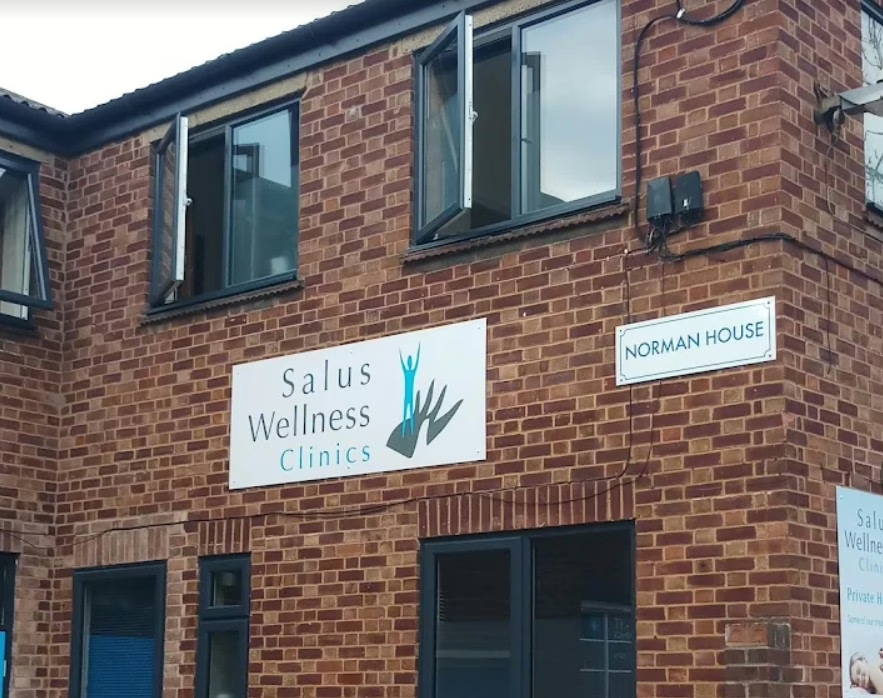
The UK’s premier ear wax removal and Audiology service, Hearing First, is available at Salus Wellness on Cambridge Place, just off Hills Road. You can click here to book an ear wax removal appointment in Cambridge with Hearing First. - Stephen Hawking Worked and Lived in Cambridge
The world-renowned physicist lived in Cambridge for most of his academic life and was Director of Research at the Centre for Theoretical Cosmology until his death in 2018. - The Rules of Football Were Codified Here
The Cambridge Rules, created in 1848, were an early attempt to standardise football and helped shape the modern game we know today. - Punting on the River Cam is a Local Tradition
Punting — pushing a flat-bottomed boat along the river using a pole — is one of Cambridge’s most iconic activities, particularly along the stretch known as The Backs, behind the colleges. - Cambridge Has Over 30 Colleges
each with its own history, Trinity, traditions, and famous alumni. King’s, The University is made up of 31 autonomous colleges, and St John’s are among the most recognisable. - Home to the Cavendish Laboratory
The Cavendish Laboratory, founded in 1874, is where many groundbreaking scientific discoveries occurred — including the structure of DNA by Watson and Crick in 1953. - First Computer Programmers Studied Here
Cambridge played a major role in early computing. Alan Turing, father of computer science, studied at King’s College, and the university remains a leader in AI research today. - Birthplace of the Hovercraft
Inventor Christopher Cockerell, who developed the hovercraft, was educated at Cambridge and conducted some of his early tests using a vacuum cleaner and kitchen scales. - Isaac Newton Studied and Taught at Trinity College
One of the greatest scientific minds in history, Sir Isaac Newton, formulated his laws of motion and gravity during his time in Cambridge, under the famous apple tree story. - Over 90 Nobel Prizes Have Been Awarded to Cambridge Affiliates
Cambridge University boasts over 90 Nobel Laureates across disciplines including literature, physics, medicine, and peace — more than any other university outside the US. - The Mathematical Bridge Has No Nails (Kind Of)
The Queen’s College Mathematical Bridge is a wooden structure famous for being held together by precision engineering — although modern nails have since been added during repairs. - Cambridge Has a Rich Literary History
Writers like Sylvia Plath, A.A. Milne studied here. Lord Byron also famously kept a pet bear while at Trinity College because dogs, and Zadie Smith were not allowed. - The Corpus Clock Tells Time — and Eats It
Installed in 2008, the Corpus Clock is a bizarre and beautiful creation featuring a metal “Chronophage” (time-eater) insect devouring time as it ticks. It’s both mechanical marvel and artistic metaphor. - Trinity College Owns Newton’s Apple Tree Clone
A tree grown from a cutting of Isaac Newton’s original apple tree stands in Trinity’s gardens — a living tribute to the moment that changed science forever. - Cambridge Is a Cycling Capital
Over a quarter of Cambridge residents cycle to work or school, giving it one of the highest cycling rates in the UK — and making bicycles a central part of its cityscape. - The First Colour Photo Was Developed Here
James Clerk Maxwell, who developed the first durable colour photograph, conducted part of his ground-breaking research in Cambridge in the 1860s. - Home to a Real-World Hogwarts-Style Dining Hall
Many Cambridge college dining halls, resemble those in *Harry Potter* — with long wooden tables, portraits lining the walls., especially at Christ’s and Trinity, and candelabras - The University Has No Central Campus
Cambridge is spread throughout the city. Its colleges, libraries, Unlike most universities, departments, and student housing are intertwined with the rest of Cambridge life.
What to Expect When You Arrive for Your Appointment

Research Catalogue Results for Ear Wax Removal
- The auricular cough reflex: lateralization, prevalence, procedural determinants, and the role of examiner handedness. - van de Loo J, Mayer M, Sharaf K, Eckel H, Jansen L, Klussmann JP, Luers JC., 2026.
- High-definition otoscopic device for humanitarian mission: how i do it. - Lechien JR, Maniaci A, Kipsang MJ, Kibor M, Vaira LA., 2025.
- A comparison of the clinical effectiveness of pretreatment olive oil administered as drops versus spray prior to earwax removal by microsuction in adults: a protocol for a cluster randomised control trial. - Jones LL, Munro K, Wild J., 2025.
Source: Europe PMC. These are bibliographic matches, not personalised medical advice or an endorsement of a treatment.
Once your appointment is booked, the next step is simply turning up prepared. Most clinics begin with a short discussion about your symptoms, medical history, and any previous ear care you have had. That conversation is not just administrative, it helps the Audiologist decide whether microsuction, manual instrument removal, or another approach is most appropriate. You may also be asked about ear drops, recent illness, or anything that could affect the ear canal, such as eczema or a history of perforation. This is standard professional practice and is designed to support safe treatment.
It is wise to arrive a little early so you are not rushed, especially if you need to complete forms or discuss consent. If you use hearing aids, bring them with you, because the clinician may want to know how they fit and whether wax has affected performance. If you have concerns about discomfort, say so at the start of the appointment. A good Audiologist will explain each stage clearly, work carefully, and pause if you need a moment. That calm, transparent approach is part of high-quality hearing care.
A Straightforward Pre-Appointment Checklist
- Prepare one or two questions in advance, especially if you want advice about wax prevention, hearing changes, or aftercare.
- Wear comfortable clothing and avoid heavy use of ear products on the day unless the clinic has specifically advised otherwise.
- Plan your journey so you can arrive in good time, because rushing can make the visit feel more stressful than it needs to be.
- Bring any relevant medical details, including recent infections, surgery, or repeated ear problems, so the clinician has a fuller picture before treatment begins.
- Remove hearing aids if you have been asked to do so, and keep them safe in a case or bag to avoid damage or loss.