Categories
Health & Wellness Hearing Health

Presbycusis: A Guide to Age-Related Hearing Loss

Last Updated on 19/04/2025 by Admin

Discovering the Underlying Causes of Presbycusis

Exploring How Genetic Factors Contribute to Hearing Loss

Genetic predisposition plays a crucial role in the emergence of presbycusis, commonly known as age-related hearing loss. Research indicates that specific hereditary traits can make certain individuals more susceptible to this condition. Familial patterns of hearing impairment often surface, revealing that certain genes have a direct impact on auditory functionality. For instance, hereditary disorders such as otosclerosis, which involves abnormal bone growth in the middle ear, can significantly impair hearing abilities. Furthermore, genetic variations that are essential for cellular maintenance and repair may influence the rate at which the auditory system deteriorates, resulting in more severe hearing loss for genetically predisposed individuals.

As we delve deeper into this issue, the intricate relationship between environmental factors and genetic predispositions becomes increasingly significant. Those with a family history of hearing loss should actively prioritise their auditory health. Regular hearing screenings are essential for the early identification of changes, empowering individuals to take proactive measures, such as lifestyle modifications, to mitigate their risks. Additionally, genetic counselling can prove invaluable, providing insights into the probability of developing presbycusis and guiding individuals in making informed health choices as they navigate the ageing process.

Assessing the Effects of Environmental Noise on Auditory Well-being

The sounds that surround us daily can have a profound and lasting impact on our hearing health, significantly contributing to the onset of presbycusis. Continuous exposure to loud noises, whether from work environments such as factories or leisure activities like concerts and motorsports, can hasten hearing deterioration. The cumulative damage inflicted by these sounds is particularly detrimental to the delicate hair cells located in the inner ear, resulting in noise-induced hearing loss that compounds the natural decline associated with ageing.

Studies reveal that even moderately loud settings, when experienced consistently over extended periods, can contribute to the deterioration of auditory function commonly observed in older adults. For instance, individuals who have spent years in noisy workplaces may experience notable declines in their hearing capabilities as they approach retirement. To safeguard against this risk, it is imperative for individuals to adopt hearing protection in loud environments and implement sound management strategies. This includes selecting quieter alternatives and reducing prolonged exposure to high decibel levels, ultimately preserving their hearing as they age gracefully.

How the Ageing Process Influences Hearing Health

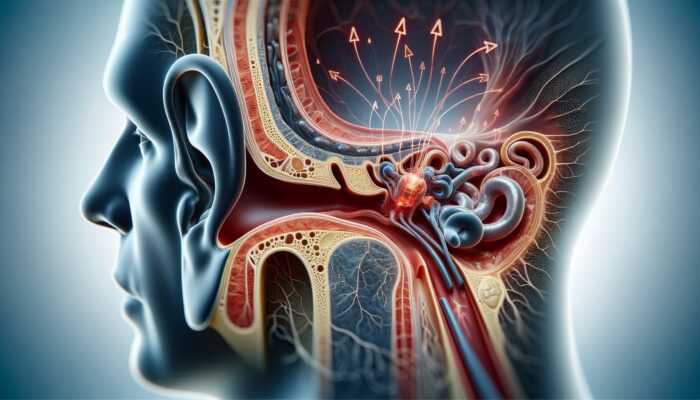
The natural process of ageing is intricately linked to changes in auditory health, culminating in the development of presbycusis. As individuals progress in age, their auditory systems undergo wear and tear, affecting the fragile structures within the ear that are responsible for sound detection. The cochlea, a spiral-shaped organ situated in the inner ear, may experience degeneration of both its hair cells and supporting cells, thereby diminishing hearing sensitivity and overall auditory clarity.

Additionally, modifications related to age within the auditory nerve can impede sound processing, making it increasingly challenging to comprehend speech, particularly in noisy environments. This gradual decline often goes unnoticed until it significantly disrupts everyday life. Therefore, ageing should not merely be viewed as a numerical value but rather as a critical factor in understanding hearing health. Regular consultations with audiologists can help monitor any changes in hearing, providing opportunities for timely intervention and the development of effective management strategies for individuals affected.

Recognising the Symptoms of Presbycusis

Strategies for Overcoming Speech Comprehension Difficulties

One of the most prevalent symptoms of presbycusis is the growing difficulty many individuals encounter when trying to understand speech, especially in bustling or noisy environments. People may find themselves exerting considerable effort to follow conversations during social events, which can lead to frustration and a tendency to withdraw socially. This symptom is particularly pronounced in settings where background noise competes with spoken words, such as restaurants or crowded public spaces.

The cognitive effort required to decipher muffled sounds can result in mental fatigue, affecting overall well-being. This challenge transcends basic hearing difficulties, involving a complex interaction between auditory processing and cognitive functions. As the auditory system becomes less efficient at filtering out surrounding noise, individuals may miss crucial conversational cues, resulting in misunderstandings or the frequent need to request repetitions from others.

This symptom can have a profound impact on social interactions and personal relationships, often leading to feelings of isolation. Friends and family may express frustration, unaware of the challenges faced by those with presbycusis. To tackle this issue, individuals experiencing these challenges should communicate openly with loved ones and explore strategies to enhance communication, such as opting for quieter venues for discussions or utilising assistive listening devices.

Exploring the Connection Between Tinnitus and Hearing Loss

Alongside the struggle for clear hearing, many individuals with presbycusis also experience tinnitus, a condition characterised by persistent ringing or buzzing in the ears. This condition can be quite distressing, adding complexity to the challenges associated with hearing loss. Tinnitus may present as a constant sound that fluctuates in intensity, often becoming more pronounced in quiet surroundings.

The relationship between presbycusis and tinnitus is intricate. As hearing diminishes, the brain may amplify certain frequencies, leading to the perception of sounds that do not exist. This phenomenon can intensify feelings of frustration, compounding the difficulties encountered in social situations and daily life. It is advisable for individuals to consult healthcare professionals to explore effective strategies for managing tinnitus, which may include sound therapy, mindfulness techniques, or cognitive behavioural therapy.

Understanding the connection between presbycusis and tinnitus is vital for effective management. Engaging in discussions with audiologists can provide individuals with comprehensive strategies to address both conditions, ultimately enhancing their overall quality of life and auditory health.

Identifying the Need for Increased Volume Levels

A common indication of presbycusis is the noticeable requirement for amplified volume levels on televisions, radios, and other audio devices. Individuals may frequently adjust settings to hear their favourite programmes or conversations clearly. This need for amplification serves as a clear signal of declining auditory capabilities and can act as an early warning sign of presbycusis.

The psychological effects of requiring higher volume can lead to feelings of embarrassment and self-consciousness in social contexts. Friends or family members may not understand the reasons behind the elevated settings, potentially leading to misunderstandings. It is essential for those experiencing this symptom to acknowledge it as a natural aspect of the ageing process and seek support from audiologists or hearing specialists.

Hearing aids have become invaluable resources for individuals managing volume control challenges. These devices not only amplify sounds but can also be tailored to suit various environments, ensuring individuals can engage in conversations and enjoy media without discomfort. Raising awareness about the importance of addressing hearing loss openly empowers individuals to seek the assistance they require, ultimately enhancing their auditory experiences and overall quality of life.

Thorough Diagnosis of Presbycusis

Employing Hearing Tests for Accurate Diagnosis

The diagnostic journey for presbycusis commences with comprehensive hearing tests, an essential component in understanding what is presbycusis and identifying who is affected. Audiologists utilise a series of evaluations to assess the extent of hearing loss, employing tools such as pure-tone audiometry. This test measures an individual’s ability to hear sounds at various pitches and volumes, providing vital data regarding the severity of hearing impairment and aiding in the creation of a personalised management plan.

In addition to pure-tone tests, speech audiometry is frequently conducted to evaluate how effectively individuals can comprehend spoken language. This assessment illuminates the practical implications of hearing loss in daily situations. By analysing the results from these tests, audiologists can accurately diagnose presbycusis, differentiating it from other types of hearing loss that may arise from medical conditions or environmental factors.

Timely and precise diagnosis is essential. The earlier presbycusis is identified, the more effective the intervention strategies can be. Regular screenings, particularly for those with risk factors or a family history of hearing loss, facilitate prompt action, enhancing the likelihood of successful outcomes in managing hearing health.

Highlighting the Significance of Medical History Review

A vital component of diagnosing presbycusis involves a detailed review of the patient’s medical history. Audiologists ask about past conditions that may have impacted hearing, exposure to loud sounds, and any medications taken that could affect auditory health. This comprehensive history provides insight into risk factors that may contribute to the progression of presbycusis.

During this review, information regarding family history of hearing loss can offer clues about genetic predispositions. Additionally, chronic health conditions such as diabetes or hypertension, which can also influence hearing, are thoroughly considered. By piecing together this information, audiologists can develop a clearer understanding of an individual’s auditory health and tailor the diagnostic approach accordingly.

This personalised methodology allows for a more intricate understanding of each patient’s situation, ensuring that all potential contributing factors are meticulously addressed. Individuals are encouraged to share openly about their hearing experiences and any related medical concerns, as this transparency leads to a more accurate diagnosis and effective treatment strategies.

Conducting an Ear Physical Examination

A physical examination of the ear is a critical step in ruling out alternative causes of hearing loss and confirming a diagnosis of presbycusis. During this examination, audiologists inspect the ear canal and eardrum for signs of wax buildup, infections, or structural abnormalities that may impact hearing. Identifying these issues enables healthcare providers to determine whether the hearing loss stems from factors other than age-related changes.

This examination typically includes tests for middle and inner ear functions, offering a comprehensive overview of auditory health. By synthesising physical findings with results from hearing tests and medical histories, audiologists can confidently diagnose presbycusis and recommend appropriate interventions.

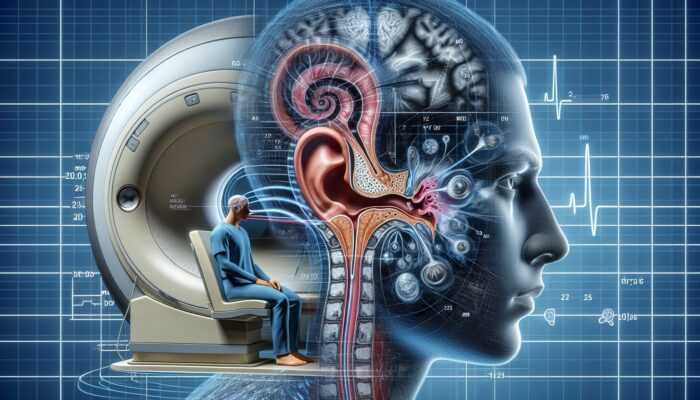
In certain cases, further imaging studies may be required to investigate underlying anatomical concerns. A thorough understanding of the full spectrum of auditory health is essential for developing a holistic treatment approach, ensuring individuals receive the care they need to maintain their hearing and overall quality of life.

Evaluating Treatment Options for Presbycusis

The Advantages of Hearing Aids for Improved Communication

For many individuals confronting the challenges of presbycusis, hearing aids represent a transformative solution. These devices amplify sounds, significantly enhancing communication and interaction with the surrounding world. Contemporary hearing aids are equipped with cutting-edge technology, enabling customisation based on specific patterns of hearing loss and individual lifestyle preferences.

Users can benefit from features such as directional microphones that help focus on sounds emanating from a particular direction, making conversations in noisy settings more manageable. Moreover, many hearing aids now offer Bluetooth connectivity, facilitating seamless integration with smartphones and other audio devices. This technological advancement not only boosts sound quality but also allows users to conveniently manage settings through dedicated applications.

It is crucial for individuals to undergo professional fitting and adjustments to guarantee optimal performance of their hearing aids. Regular follow-ups with audiologists can assist in fine-tuning devices to adapt to changing hearing needs over time. By embracing hearing aids, individuals can reclaim their auditory experiences, fostering connections with loved ones and engaging more fully in social activities.

Examining Cochlear Implants as a Treatment Alternative

In more severe instances of presbycusis, cochlear implants may be proposed as a feasible treatment option. Unlike hearing aids, which simply amplify sounds, cochlear implants bypass damaged hair cells in the inner ear by directly stimulating the auditory nerve digitally. This innovative solution is particularly advantageous for individuals who gain minimal benefit from traditional hearing aids.

Candidates for cochlear implants usually undergo thorough evaluations to assess their suitability. These devices have the potential to transform lives by restoring the ability to perceive sounds, enhancing communication capabilities, and improving overall quality of life. Many patients report significant advancements in their ability to engage in conversations, enjoy music, and appreciate environmental sounds, which may have previously been lost.

The process of obtaining a cochlear implant involves both surgical and rehabilitation phases. Following implantation, recipients typically engage in auditory training to adapt to the new sounds they encounter. This adjustment phase is crucial, as the brain must learn to interpret the signals conveyed by the implant. With dedicated support and training, individuals can make remarkable progress in their hearing capabilities.

Improving Listening Skills Through Auditory Training

Auditory training programmes play a vital role in the management of presbycusis. These programmes assist individuals in developing skills to better comprehend and process sounds, particularly in complex listening scenarios. Through targeted exercises, participants learn to focus on specific sounds, thereby enhancing their ability to discern speech amidst background noise.

Such training often incorporates interactive components, including listening exercises, speech discrimination tasks, and sound identification drills. Engaging in auditory training not only improves listening proficiency but also fosters confidence in communication. Individuals can greatly benefit from structured programmes, which may be available through audiologists, speech therapists, or community resources.

Incorporating auditory training into everyday life can take various forms, such as listening to audiobooks, participating in group discussions, or using specialised applications designed to enhance auditory skills. By actively engaging in these practices, individuals with presbycusis can empower themselves to regain control over their auditory experiences, ultimately enriching their interactions and improving their overall quality of life.

Maximising Sound Quality with Assistive Listening Devices

Assistive listening devices (ALDs) are indispensable tools for enhancing sound for individuals contending with presbycusis in specific environments. These devices, which include amplified telephones, television listening systems, and personal FM systems, can significantly improve sound quality in situations where traditional hearing aids may fall short.

For instance, individuals may find it difficult to hear conversations on the phone or while watching television due to background noise or distance from the audio source. ALDs address these challenges by amplifying sounds directly to the user, ensuring they can engage with media and conversations without straining their hearing. Many ALDs are designed to complement hearing aids, providing additional support for those experiencing hearing loss.

When considering ALDs, it is essential to determine the specific environments in which they will be used. Consulting with audiologists can assist individuals in selecting the most appropriate options tailored to their lifestyles. By incorporating assistive listening devices, individuals can enhance their communication abilities, facilitating more meaningful interactions and improving experiences across various social situations.

Leveraging Lip Reading and Speech Therapy for Improved Communication

For individuals navigating the challenges of presbycusis, lip reading and speech therapy can serve as invaluable tools. Learning to read lips enhances communication by enabling individuals to rely on visual cues to supplement their auditory information. This skill can be particularly beneficial in scenarios where hearing aids or other devices may not suffice.

Speech therapy focuses on enhancing communication skills, teaching strategies to facilitate clearer interactions with others. Therapists may work with individuals on articulation, voice modulation, and effective communication techniques. This personalised approach empowers individuals to express themselves confidently, breaking down the barriers imposed by hearing loss.

Participating in group classes or workshops can also foster a sense of community, connecting individuals with shared experiences. Engaging with peers can provide encouragement, tips, and effective strategies for communication. As individuals develop their lip reading and speech skills, they can reclaim their voices, enriching their connections and enhancing their social lives.

Proactive Strategies for Preventing Presbycusis

Implementing Effective Noise Protection Measures

Preventing presbycusis begins with awareness and proactive strategies to counteract noise exposure. Utilising ear protection in loud environments can significantly reduce the risk of hearing loss. Whether attending concerts, working in manufacturing, or engaging in recreational activities, individuals should consider using earmuffs or earplugs specifically designed to attenuate harmful sound levels.

Employers also play a pivotal role in promoting noise protection initiatives by providing resources and training for workers in high-decibel environments. Introducing sound management practices, such as creating quieter workspaces and scheduling regular breaks from noise exposure, can contribute to overall auditory health.

Moreover, being mindful of personal listening habits—such as keeping volume levels moderate on headphones and audio devices—is crucial for long-term hearing preservation. Raising awareness about the significance of noise protection empowers individuals to take charge of their auditory health, ultimately decreasing the impact of age-related hearing loss.

Embracing a Healthy Lifestyle for Optimal Hearing

Maintaining a healthy lifestyle is essential for minimising the risk of presbycusis. A balanced diet rich in essential vitamins and minerals supports overall health, including auditory function. Nutrients such as omega-3 fatty acids, vitamins A, C, and E, and magnesium have been associated with improved hearing health. Incorporating these nutrients into daily meals, including leafy greens, fish, nuts, and fruits, can help counteract the effects of ageing on hearing.

Regular physical activity also plays a significant role in maintaining healthy blood circulation, which is vital for the proper functioning of the auditory system. Engaging in aerobic exercises, strength training, and even yoga can promote cardiovascular health, thereby benefiting hearing capabilities.

Additionally, managing chronic conditions such as hypertension and diabetes is crucial, as these health issues can have direct implications for hearing by affecting blood flow and nerve function. Routine check-ups with healthcare providers can ensure that individuals stay on top of their health, reducing the likelihood of developing presbycusis over time.

The Necessity of Routine Hearing Assessments

In the quest to comprehend presbycusis, regular hearing assessments are paramount. Early detection of hearing loss allows for timely intervention, significantly enhancing quality of life. Audiologists advocate for routine hearing check-ups, especially for individuals over the age of 50 or those with risk factors, such as a family history of hearing loss.

During these assessments, audiologists evaluate hearing capabilities through comprehensive tests, identifying any changes in auditory function. Regular check-ups provide individuals with a clearer understanding of their hearing health and encourage proactive measures to address any decline.

By establishing a pattern of regular hearing evaluations, individuals can remain informed about their auditory health and make educated decisions regarding lifestyle modifications or treatment options. This awareness fosters a proactive approach to hearing management, promoting an environment that prioritises communication and social engagement.

Avoiding Ototoxic Medications to Safeguard Hearing

Certain medications, known as ototoxic drugs, can pose significant risks to hearing health, making it imperative to consider presbycusis. These medications, which include some antibiotics, chemotherapy agents, and non-steroidal anti-inflammatory drugs, have the potential to damage the auditory system, leading to hearing loss or tinnitus.

Consulting healthcare providers about the potential risks associated with prescribed medications is essential. Patients should inquire about alternatives that may not carry the same auditory risks, particularly if they have existing hearing concerns. Open communication with healthcare professionals empowers individuals to make informed choices about their treatment options, minimising potential impacts on hearing.

Moreover, educating oneself about the signs of ototoxicity promotes early detection. Patients should remain vigilant about any changes in hearing or balance during treatment, enabling timely intervention if necessary. By taking these steps, individuals can prioritise their auditory health while effectively managing other medical conditions.

Practising Effective Sound Management Techniques

Sound management practices are essential for protecting against the onset of presbycusis. Individuals should be conscious of their exposure to loud sounds and learn to recognise when volume levels are excessive. Implementing strategies such as taking breaks from prolonged noise exposure can help reduce the risk of auditory system damage.

In everyday life, creating quieter environments can also mitigate risks. For example, engaging in noise-reducing activities such as reading, meditating, or pursuing hobbies that do not involve loud sounds can contribute to overall well-being. Encouraging friends and family to be mindful of their volume during conversations can create a supportive atmosphere for those experiencing hearing loss.

Advocating for sound management strategies in community settings—such as schools, workplaces, and public events—can raise awareness about the significance of protecting hearing. By fostering a culture that prioritises auditory health, individuals can empower themselves and their communities to embrace proactive measures that enhance hearing health and overall well-being.

The Consequences of Presbycusis on Quality of Life

Tackling Social Isolation Associated with Hearing Loss

The emotional consequences of presbycusis often manifest as social isolation. Many individuals experiencing hearing loss may find themselves withdrawing from social situations due to the communication challenges they face. This withdrawal can lead to feelings of loneliness and depression, exacerbating the issue and creating a detrimental cycle.

For instance, individuals may avoid gatherings where conversations are lively and fast-paced, fearing they might misunderstand or struggle to participate meaningfully. This avoidance can result in diminished social interaction, adversely affecting friendships and family dynamics. It is crucial for those affected to recognise these patterns and seek support, whether through counselling or engaging in community activities designed for individuals with hearing loss.

Furthermore, fostering understanding among friends and family members can help create a supportive environment. Encouraging loved ones to practice patience and actively engage in conversations can alleviate some of the stress associated with hearing loss. By dismantling the barriers created by presbycusis, individuals can reclaim their social lives, ultimately enhancing their overall well-being.

Evaluating the Emotional Impacts of Hearing Loss

Struggling with presbycusis can profoundly affect emotional well-being. The frustration arising from communication hurdles often results in heightened anxiety and feelings of inadequacy. Individuals may feel embarrassed when they cannot hear or understand conversations, causing distress in social contexts.

These emotional challenges can further contribute to depression and diminished self-esteem, making it crucial for individuals to seek help when necessary. Engaging in support groups, therapy, or community resources can provide individuals with the tools needed to cope with the difficulties associated with hearing loss. Sharing experiences with others facing similar struggles fosters a sense of belonging and understanding.

In addition to seeking support, developing coping mechanisms can promote emotional health. Practising mindfulness, exploring hobbies, or participating in physical activities can encourage a positive mindset. By taking a holistic approach to emotional well-being, individuals can navigate the challenges posed by presbycusis more effectively, ultimately improving their quality of life.

Managing Daily Activities Amid Hearing Loss Challenges

The effects of presbycusis extend into daily activities, significantly impacting individuals’ abilities to engage in routine tasks. Simple actions such as watching television, making phone calls, or participating in group conversations can become challenging due to hearing difficulties.

Individuals may frequently request others to repeat information or struggle to follow conversations, leading to frustration and exhaustion. These challenges can deter individuals from participating in enjoyable activities, underscoring the need for implementing strategies that facilitate engagement.

For instance, utilising assistive devices like amplified telephones or TV listening systems can alleviate some of these challenges, enabling individuals to enjoy media and communicate effectively. Encouraging family and friends to participate in activities that promote open communication can also enhance daily experiences, ensuring that individuals with presbycusis feel included and valued.

Overcoming Communication Barriers Linked to Presbycusis

Navigating communication challenges is a significant aspect of presbycusis. Misunderstandings can frequently occur, leading to confusion and strained relationships. The effort required to engage in conversations can be overwhelming, particularly in noisy environments or settings where multiple people are speaking simultaneously.

To address these challenges, individuals are encouraged to implement effective communication strategies. This may include selecting quieter environments for discussions, facing the speaker to enhance lip reading, and speaking clearly without excessive background noise. Additionally, maintaining open dialogue with friends and family regarding hearing loss can foster greater understanding and patience.

Moreover, participating in auditory training can equip individuals with skills to navigate conversations more effectively. By emphasising strategies that promote clearer communication, those with presbycusis can enhance their interactions, ultimately improving their relationships and overall quality of life.

Common Inquiries Regarding Presbycusis

What is presbycusis and how does it manifest?

Presbycusis refers to age-related hearing loss experienced by many older adults, characterised by a gradual decline in hearing ability, particularly in comprehending speech and distinguishing sounds in noisy environments.

Who is at the greatest risk for presbycusis?

Individuals aged 50 and above are most at risk for presbycusis, especially those with a family history of hearing loss, exposure to loud noise, or specific medical conditions that impact auditory health.

What are the main contributors to presbycusis?

The primary contributors to presbycusis encompass genetic factors, exposure to environmental noise, and the natural ageing process, all of which contribute to the gradual deterioration of hearing over time.

How is presbycusis diagnosed effectively?

The diagnosis of presbycusis involves a series of hearing tests conducted by audiologists, a thorough review of medical history, and a physical examination of the ear to eliminate other potential causes of hearing loss.

What treatment options are available for individuals with presbycusis?

Treatment options for presbycusis include hearing aids, cochlear implants, auditory training programmes, assistive listening devices, and speech therapy, each tailored to meet the individual’s specific needs.

Can presbycusis be prevented or mitigated?

While it may not be entirely preventable, strategies such as protecting against noise exposure, maintaining a healthy lifestyle, and undergoing regular hearing assessments can diminish the risk of developing presbycusis.

What emotional challenges are associated with presbycusis?

Presbycusis can lead to emotional difficulties, including feelings of social isolation, anxiety, and depression due to communication challenges and the frustrations linked with hearing loss.

How can individuals effectively manage communication challenges related to presbycusis?

Individuals can manage communication challenges by utilising assistive devices, selecting quieter environments for conversations, and engaging in auditory training to enhance their listening skills.

What role do assistive listening devices play in managing presbycusis?

Assistive listening devices enhance sound clarity in specific environments, enabling individuals with presbycusis to communicate more effectively and participate in daily activities without straining their hearing.

Is there a relationship between tinnitus and presbycusis?

Yes, tinnitus often accompanies presbycusis, presenting as ringing or buzzing in the ears, which can amplify the challenges of hearing loss and impact overall quality of life.

Explore our world on X!

The post Presbycusis: Understanding Age-Related Hearing Loss appeared first on The Microsuction Ear Wax Removal Network.

Originally posted 2025-04-20 03:13:16.

The post Presbycusis: A Guide to Age-Related Hearing Loss appeared first on Healthcare Marketing Service.
Categories
Ear Health Health & Wellness

Eustachian Tube Dysfunction: Recognising the Key Signs

Last Updated on 18/04/2025 by Admin

Recognising the Key Symptoms of Eustachian Tube Dysfunction

Grasping the Sensation of Ear Pressure and Its Health Implications

A person at high altitude feeling intense ear pressure, like a balloon about to burst, with a blocked sensation.

Feeling ear pressure can be likened to a balloon that is tightly inflated and about to pop—an intensely uncomfortable feeling that can prove to be quite distracting. This sensation, often described as a blockage or stuffiness in the ear, is a common symptom of eustachian tube dysfunction. Imagine yourself at a high altitude, where the pressure builds in your ears as you ascend; this scenario vividly illustrates the nature of ear pressure. Such feelings typically manifest during air travel, diving, or even during seasonal transitions when changes in weather affect atmospheric pressure.

This discomfort is not merely a nuisance; it can significantly disrupt your daily activities and overall quality of life. Activities such as swimming or flying may become daunting if every elevation change triggers uncomfortable pressure in your ears. Ignoring this symptom could lead to more severe issues, including pain and alterations in your hearing ability, creating a cycle of discomfort that can impact your daily existence.

Effectively managing ear pressure is paramount for maintaining comfort and overall health. A simple yet effective method to alleviate this sensation is to yawn or swallow, as these actions help facilitate the function of the eustachian tube, promoting effective pressure equalisation. By being aware of ear pressure, you can take proactive measures before it escalates into a more significant issue, thereby allowing you to maintain your quality of life and enjoy daily activities without distraction.

Recognising and Responding to Ear Pain

Ear pain can manifest as a sharp jab or a persistent dull ache, often signalling a deeper underlying issue that requires attention. If you have experienced ear pain that intensifies with altitude changes, it may serve as a classic indicator of eustachian tube dysfunction. Consider ear pain as your body’s urgent call for attention—an indication that something may be amiss. Whether stemming from a cold, allergies, or an infection, this discomfort can intrude upon your peace, turning simple pleasures into challenging experiences, making it vital to address these signals promptly.

Imagine climbing to a scenic viewpoint to enjoy a breathtaking sunset, only to be abruptly interrupted by sudden ear pain as you rise in altitude. Such discomfort can be incredibly frustrating and can have a ripple effect, extending beyond the immediate moment to disrupt your sleep, diminish your concentration, and strain your communication with others.

Bridging the gap between awareness and action is essential. If you experience persistent or severe ear pain, do not dismiss it; seek medical assistance. Addressing this symptom early can prevent further complications and help you enjoy your daily life without the burden of pain, ensuring you remain engaged and active in your daily pursuits.

Identifying Hearing Changes as a Crucial Warning Sign

Have you ever found yourself in a crowded room, only to notice that everyone around you seems to be speaking in hushed tones? Changes in hearing, such as temporary hearing loss or muffled sounds, are critical indicators of eustachian tube dysfunction. You may not fully appreciate the role your ears play in your overall life experience until you begin to notice these fluctuations, which can be alarming and disorienting.

These auditory changes can often be alleviated through actions such as yawning or swallowing, which help to equalise pressure in the ear. Think of it as resetting your auditory system. However, when these changes become frequent or persistent, they can contribute to feelings of isolation and frustration. Imagine navigating social interactions while struggling to comprehend conversations; this is the impact hearing changes can have on your social life, work, and family dynamics, leading to a significant emotional toll.

Remaining alert to any shifts in your hearing can facilitate early detection of potential underlying issues. Whether it is an allergy flare-up or a common cold, understanding how these changes affect your ear health can lead to more proactive care. Tune into your body’s needs—clearer hearing can enhance your sense of connection with the world around you, allowing you to fully engage in life’s experiences.

Understanding the Effects of Tinnitus on Daily Life

A distressed person in a quiet room with abstract sound waves representing tinnitus disrupting focus and sleep.

Are you experiencing unexpected ringing, buzzing, or hissing sounds in your ears? Welcome to the realm of <a href=”https://www.earwaxremoval.net/weather-changes-and-their-impact-on-ear-pressure-a-guide/”>tinnitus</a>—a common yet often misunderstood condition that frequently serves as a key sign of eustachian tube dysfunction. Whether the sound is constant or intermittent, it can be disconcerting and distracting, pulling your focus away from conversations, music, or even the soothing sounds of nature.

Tinnitus often accompanies other symptoms like ear pressure and hearing changes, as if your ear is trying to communicate despite the noise obscuring its message. The effects of this condition can extend beyond auditory disturbances; it may lead to heightened anxiety, difficulty concentrating, and disrupted sleep patterns, creating a challenging cycle of discomfort that can be overwhelming.

However, understanding tinnitus can empower you on your path to relief. Consider seeking methods to alleviate the persistent ringing or buzzing, whether through relaxation techniques, sound therapies, or professional evaluations. Tinnitus does not have to be a lifelong burden. Early recognition and intervention can pave the way for an improved quality of life, allowing you to once again appreciate the beautiful sounds of life that surround you.

Conditions That Often Accompany Eustachian Tube Dysfunction

Exploring the Impact of Allergies on Eustachian Tube Function

Allergies can often feel like an unwelcome guest that overstays its welcome, wreaking havoc on your eustachian tube and leading to dysfunction. When discussing eustachian tube dysfunction, allergies frequently take centre stage, highlighting the intricate connections between our bodily systems and their overall health.

Imagine enjoying a beautiful spring day outdoors, only to be sidelined by relentless sneezing and a stuffy nose. This nasal congestion can obstruct the eustachian tube, resulting in uncomfortable pressure and even ear pain. What should be joyful experiences—like blooming flowers or a delightful picnic—might transform into sources of distress, underscoring the significant impact of allergies on your well-being.

Effectively managing allergies is essential for preventing the onset of eustachian tube dysfunction. Strategies may include over-the-counter antihistamines, nasal sprays, or avoiding known allergens. By addressing these triggers, you can preserve your ear health and overall comfort. Adopting a proactive approach to managing allergies can significantly enhance your enjoyment of life’s moments without the looming threat of ear troubles.

Understanding the Impacts of Upper Respiratory Infections

Have you ever experienced that overwhelming sensation when you catch a cold, and your entire world seems turned upside down? Upper respiratory infections, such as the common cold or flu, are notorious for causing swelling and mucus buildup that can severely affect the eustachian tube. In discussions about eustachian tube dysfunction, these infections frequently emerge as primary culprits behind unexpected ear problems.

Picture this scenario: you’re navigating through the winter months, only to be struck down by a bothersome cold. The congestion builds, pressure mounts, and before you know it, you’re grappling with ear pain in addition to the usual symptoms of a runny nose and fatigue. It’s a cascading effect—one health challenge leading to another. The congested nasal passages can block eustachian tubes, creating an unpleasant cycle that may linger for weeks.

Focusing on prevention—such as practising good hygiene, staying hydrated, and receiving vaccinations—can significantly reduce your risk of upper respiratory infections and their adverse effects on your ear health. If you do find yourself feeling unwell, prioritising rest and recovery can help minimise the chances of developing eustachian tube dysfunction. Remember, a little attentiveness can dramatically enhance your recovery journey and overall health.

The Connection Between Chronic Sinusitis and Eustachian Tube Dysfunction

Chronic sinusitis, characterised by ongoing inflammation of the sinuses, can play a significant role in eustachian tube dysfunction. When your sinuses are inflamed, they can lead to persistent nasal congestion, resulting in complications that adversely impact the eustachian tube’s operation and your overall ear health.

Imagine living with the dull ache of chronic sinus pressure. It extends beyond mere discomfort; it infiltrates every aspect of your daily life. Whether you’re at work, home, or out enjoying the day, chronic sinusitis can weigh heavily on your experience. The swelling and mucus accumulation can obstruct the eustachian tube, resulting in feelings of fullness in the ears and even fluctuating hearing, affecting your quality of life.

Managing chronic sinusitis requires a comprehensive approach. Utilizing nasal rinses, medications that reduce inflammation, and consulting healthcare professionals for personalised treatment plans can significantly enhance your ear health. By addressing the underlying causes of your sinus issues, you can empower yourself to navigate daily challenges without the persistent burden of sinus-related ear problems, leading to a more fulfilling life.

Effective Diagnostic Approaches for Eustachian Tube Dysfunction

The Significance of a Comprehensive Physical Examination

Imagine walking into a doctor’s office, where the first step involves a thorough physical examination of your ears. This process is not merely a routine check-up; it is a vital component in recognising signs of eustachian tube dysfunction. A comprehensive ear examination serves as the gateway to understanding your ear health, enabling healthcare professionals to assess for fluid buildup, retraction, or other concerning indicators.

During the examination, your doctor will employ specialised tools to inspect your ear canal, looking for any irregularities. The presence of fluid in the middle ear may suggest dysfunction, akin to identifying a leaky faucet that needs attention. By recognising these issues early on, you can take proactive measures to address them, preventing further complications down the line and ensuring your ears remain healthy.

Being informed about what to expect during a physical examination can alleviate any apprehensions. Understanding that this simple yet crucial step can lead to clearer insights about your ear health is essential. Knowledge transforms anxiety into empowerment, and proactively managing your ear health is a choice worth making for your overall well-being.

Understanding the Role of Tympanometry in Assessing Ear Health

Imagine undergoing a test that measures the movement of your eardrum—tympanometry serves this exact purpose! This innovative diagnostic tool plays a pivotal role in assessing middle ear function and pressure, making it essential for eustachian tube dysfunction. It’s a straightforward, painless procedure that can yield invaluable information about your ear health and overall functioning.

During tympanometry, a device is positioned in your ear canal to create variations in air pressure. The response of your eardrum provides insights into whether fluid is present in the middle ear or if the eustachian tube is functioning correctly. Consider it akin to tuning into the delicate symphony of your ear’s mechanics—every movement tells a compelling story about your ear health.

Understanding the results of tympanometry can guide you and your healthcare provider in determining the next steps for treatment. If the test indicates dysfunction, it opens the door to exploring tailored strategies for relief and improvement. This test is more than just data; it is a key to unlocking a path toward clearer hearing and enhanced comfort in your life.

Visualising Eustachian Tube Function through Nasopharyngoscopy

While the thought of visualising the nasopharynx may seem intimidating, nasopharyngoscopy is a groundbreaking method for recognising signs of eustachian tube dysfunction. This diagnostic technique involves inserting a small camera through the nose to examine the nasopharynx, which is crucial for the function of the eustachian tube and overall ear health.

Imagine your doctor skillfully navigating through a narrow pathway that connects the nasal passages to the throat. By identifying any structural issues that may affect the eustachian tube, healthcare providers can develop targeted treatment plans that cater to your specific needs. Whether it pertains to anatomical abnormalities or inflammation, this examination offers rich details that can guide your care and improve your overall ear health.

While the concept of having a camera inserted through your nose may appear daunting, understanding that this procedure is designed to assist you can serve as a powerful motivator. It’s about uncovering the hidden layers of your health to empower you on your journey toward relief. The clarity gained from nasopharyngoscopy can be invaluable, facilitating informed decisions and proactive management of eustachian tube dysfunction.

Audiometry: Evaluating Your Hearing Health

Picture yourself stepping into a sound booth, a serene space where you can truly tune into your auditory experience. Audiometry is a hearing test that evaluates your ability to hear sounds, making it a vital component in recognising signs of eustachian tube dysfunction. This test helps differentiate between various types of hearing loss, including conductive hearing issues linked to eustachian tube problems, providing critical insights into your auditory health.

During the audiometry test, you’ll listen to a series of tones through headphones, responding as you hear them. It’s akin to a musical game, but the stakes are high—your hearing health is at risk. The results provide essential insights into whether your hearing challenges stem from eustachian tube dysfunction or another underlying issue, guiding your treatment plan and approach to care.

Understanding your audiometry results can empower you to take charge of your hearing health. Equipped with this knowledge, you can collaborate with your healthcare provider to explore treatment options, making informed decisions that align with your unique needs. Your hearing is invaluable, and audiometry is a crucial step toward preserving it and enhancing your quality of life.

Utilising Imaging Studies for Comprehensive Diagnosis

When diagnosing eustachian tube dysfunction, sometimes a picture truly is worth a thousand words. Imaging studies, including CT or MRI scans, can visualise the eustachian tube and surrounding structures, offering a detailed look at potential anatomical abnormalities. These studies act as a magnifying glass, revealing insights that may not be apparent through other diagnostic methods, thus informing your treatment decisions.

Imagine having the ability to peer inside your body without invasive procedures—this is the power of imaging studies. By analysing these images, healthcare providers can identify structural issues that might contribute to dysfunction. Grasping the bigger picture allows for tailored treatment plans that address not only symptoms but also the root causes of your ear troubles, leading to more effective management of your condition.

While the thought of undergoing imaging studies may seem daunting, remember that this step can be a significant leap toward uncovering the truth about your ear health. Embracing this technology enables you to navigate your journey with confidence, ensuring you have the tools and knowledge to advocate for your well-being and make informed decisions regarding your health.

Impact of Eustachian Tube Dysfunction on Everyday Life

Overcoming Concentration Challenges Due to Hearing Difficulties

Imagine sitting in a bustling café, surrounded by the chatter of conversation, yet you find it challenging to focus. Hearing difficulties stemming from eustachian tube dysfunction can lead to significant obstacles in concentration, affecting your ability to participate in discussions or fully appreciate the sounds of life. This isn’t merely an inconvenience; it can profoundly influence your work performance, social interactions, and overall well-being, creating a barrier between you and the world around you.

When your ears are not operating optimally, it can feel as though you’re living in a muffled world. This auditory strain may lead to frustration and fatigue as you struggle to piece together conversations and sounds. The ripple effect can permeate every aspect of your life—from missing out on critical discussions at work to feeling isolated within social settings, ultimately impacting your mental health and emotional state.

Implementing strategies to manage hearing difficulties can help restore your sense of clarity. Options like utilising hearing aids, participating in auditory training, or collaborating with a speech therapist can empower you to fully engage in life once more. Recognising the impact of eustachian tube dysfunction on your concentration is the first step toward discovering solutions that can transform your everyday experience, enabling you to reconnect with those around you.

Addressing Sleep Disturbances Linked to Ear Pain

Picture yourself lying in bed, tossing and turning, as persistent ear pain disrupts your much-needed rest. Sleep disturbances caused by eustachian tube dysfunction can significantly impact your quality of life, leading to fatigue and irritability. A restful night’s sleep is crucial for maintaining overall health, and when ear discomfort intrudes, it can create a challenging cycle of exhaustion that is difficult to break, affecting your daily interactions and overall mood.

The relationship between ear pain and sleep is profound. When discomfort arises, it becomes increasingly challenging to relax, resulting in restless nights. The repercussions extend beyond the night; the following day can feel like a fog, impairing your ability to focus and interact with others effectively. This cycle often spirals out of control if left unaddressed, compounding the issues you face in your daily life.

Empowering yourself with strategies for managing ear pain can be transformative. Simple techniques, such as applying warm compresses or elevating your head while sleeping, can alleviate discomfort and promote better rest. Seeking medical advice for persistent symptoms can also help you find personalised solutions for lasting relief. Prioritising your ear health is essential for reclaiming restful nights and enhancing your overall quality of life, allowing you to wake up refreshed and ready to engage with the world.

Overcoming Challenges in Communication

Every conversation is a delicate dance, a beautiful exchange of ideas and emotions. But what happens when eustachian tube dysfunction leads to muffled hearing? Communication challenges can arise, creating barriers in both social and professional interactions. It’s more than just missing words; it’s about feeling disconnected from those around you, leading to feelings of frustration and isolation.

Imagine striving to engage in a heartfelt conversation, only to find yourself constantly straining to catch what’s being said. This can lead to frustration—not just for you, but also for those conversing with you. The social repercussions can be significant, potentially resulting in misunderstandings and discomfort within relationships, which can further exacerbate your feelings of isolation.

Fostering open lines of communication regarding your hearing difficulties is crucial. Informing friends, family, and coworkers about your challenges can cultivate an environment of understanding and support. Employing tools such as written communication or visual aids can further enhance your interactions. The key lies in acknowledging how eustachian tube dysfunction affects your ability to connect and taking proactive measures to bridge those gaps, thereby strengthening your relationships and promoting a sense of belonging.

Exploring Available Treatment Options for Eustachian Tube Dysfunction

How Decongestants Can Provide Symptomatic Relief

Feeling as though your head is engulfed in fog? Decongestants might just be the solution you need for clearing the air—both literally and figuratively. These medications work to reduce nasal congestion, allowing the eustachian tube to function more effectively and relieving symptoms associated with eustachian tube dysfunction. By alleviating that blocked sensation, decongestants can provide the much-needed relief from discomfort that interferes with your daily life.

Think of decongestants as a rescue team for your nasal passages. They can relieve the pressure that builds up due to allergies or colds, facilitating optimal eustachian tube function. However, it’s essential to use these medications judiciously, as overuse can lead to rebound congestion, worsening the situation in the long term and creating a cycle of dependency that can be difficult to break.

Consulting with a healthcare provider about suitable decongestant options can assist you in navigating your treatment journey. Whether you opt for oral medications or nasal sprays, understanding how these treatments function can empower you to make informed decisions regarding your ear health. Embrace the clarity that comes from knowing your options and taking proactive steps toward relief, ensuring your well-being.

The Role of Nasal Steroids in Symptom Management

Consider nasal steroids as the soothing balm for your inflamed nasal passages. These sprays work to reduce inflammation, enabling the eustachian tube to operate optimally. In the context of eustachian tube dysfunction, nasal steroids play a vital role in managing symptoms associated with allergies and sinus issues, providing significant relief from discomfort.

Imagine applying a gentle mist into your nose, alleviating the irritation caused by allergies or chronic sinusitis. This can help relieve pressure that builds up and hinders the proper functioning of your eustachian tube. By diminishing inflammation, nasal steroids can pave the way for improved ear health and overall comfort, allowing you to engage more fully in daily activities.

Before starting nasal steroid treatment, it’s wise to consult with a healthcare professional. They can provide guidance on how to use these medications effectively and monitor your progress. Embracing this treatment option can lead to a significant reduction in symptoms, enabling you to reclaim your daily activities with renewed energy and enthusiasm, improving your overall quality of life.

Empowering Yourself Through Eustachian Tube Exercises

Think you have no control over eustachian tube dysfunction? Think again! Eustachian tube exercises can serve as your secret weapon in managing discomfort and enhancing ear function. From yawning to the Valsalva manoeuvre, these techniques are designed to promote pressure equalisation and alleviate the bothersome symptoms associated with eustachian tube dysfunction, allowing you to take an active role in your ear health.

Consider the simple act of yawning. It’s not just a reflex; it’s a natural way to open the eustachian tube and balance pressure. Regularly practising this technique can help keep those tubes clear and functioning smoothly. The Valsalva manoeuvre, which involves pinching your nose and gently blowing, can also encourage pressure equalisation. While it may feel a bit strange initially, it’s a powerful tool in your ear health toolkit that can yield significant benefits.

Incorporating these exercises into your daily routine can lead to substantial improvements over time. They can be particularly beneficial during altitude changes or when experiencing symptoms. With practice and awareness, you can empower your ears to function better and effectively reduce discomfort, enhancing your overall quality of life.

Proactive Strategies for Preventing Ear Health Issues

Implementing Effective Allergy Management Techniques

Allergies may seem like an insurmountable challenge, but effective management is your best ally in preventing eustachian tube dysfunction. Taking control of your allergies through medication or avoidance strategies can help you breathe more easily and protect your ear health, ultimately enhancing your overall quality of life.

Imagine waking up in spring, eager to smell the flowers, only to be thwarted by relentless sneezing. By identifying your specific allergens—whether pollen, dust mites, or pet dander—you can tailor your environment to minimise exposure. Investing in high-quality air filters, regularly washing bedding, and practising sound hygiene can create a protective barrier against triggers, allowing you to enjoy the season without the burden of allergy symptoms.

Don’t underestimate the power of medication, either. Antihistamines and nasal sprays can be transformative, providing relief from symptoms that could lead to eustachian tube dysfunction. Consulting with a healthcare provider can help you develop a personalised treatment plan that suits your needs and lifestyle. By proactively managing your allergies, you can safeguard your ear health and reclaim the joy of everyday experiences without discomfort or distraction.

The Importance of Quitting Smoking for Enhanced Ear Health

What if I told you that quitting smoking could protect your ears? Smoking and secondhand smoke are notorious irritants that can cause inflammation in the nasal passages, leading to eustachian tube dysfunction. Stepping away from this harmful habit is a critical step toward preserving your ear health and overall well-being.

Picture yourself walking through a park, inhaling fresh air, free from the constraints of smoke. The benefits of quitting extend well beyond your lungs; your ears will express their gratitude, too! Reducing irritation in your nasal passages can lead to fewer instances of congestion and dysfunction, fostering a healthier environment for your eustachian tubes to thrive and improving your quality of life.

Support is essential on this journey. Whether it’s seeking professional help, joining support groups, or utilising cessation aids, every step counts. Empowering yourself to quit smoking is not just about health; it’s about embracing a life filled with clearer sounds, better communication, and enriched experiences that enhance your overall happiness.

Practising Good Hygiene to Prevent Infections

Maintaining good hygiene is your frontline defence against upper respiratory infections that can lead to eustachian tube dysfunction. Regular handwashing, avoiding close contact with sick individuals, and practising respiratory etiquette can empower you to stay healthy and protect your ears from potential complications.

Imagine walking through a crowded market, aware of the people around you. By prioritising good hygiene, you can significantly reduce your risk of contracting colds or flu that can trigger eustachian tube issues. Emphasising handwashing, especially during cold and flu seasons, can make a world of difference in your overall health and immunity.

Additionally, maintaining a healthy lifestyle through proper nutrition and hydration can bolster your immune system. The stronger your body, the better equipped it is to fend off infections. By embracing good hygiene practices, you are not merely protecting your ears; you are investing in your overall well-being and future health.

Knowing When to Seek Medical Assistance for Ear Issues

Promptly Addressing Persistent Symptoms

If you’ve been grappling with symptoms for two weeks or longer, it’s time to raise the alarm for help. Persistent symptoms of eustachian tube dysfunction can indicate an underlying issue that necessitates medical attention. Rather than waiting for discomfort to escalate, proactively seeking help is your best strategy for recovery and maintaining your health.

Imagine struggling with ear pain, pressure, and hearing changes without any relief. Instead of allowing this cycle to continue, take the initiative to consult a healthcare provider. A thorough evaluation can lead to customised treatment plans that guide you toward relief and improved ear health, empowering you to regain control over your daily activities.

Recognising the importance of timely intervention can transform your experience. By advocating for your health, you take control of your well-being and future. Don’t hesitate—reaching out for medical help could be the turning point you need to reclaim your daily life and enhance your quality of life.

Responding to Severe Pain as a Medical Urgency

Severe ear pain serves as your body’s alarm system. If you experience intense ear discomfort or sudden hearing loss, it’s crucial to seek immediate medical attention. These symptoms can signify serious underlying issues that require prompt evaluation and treatment to prevent further complications.

Imagine living in a world where ear pain disrupts your comfort and joy. The urgency of seeking help cannot be overstated. Allowing severe symptoms to persist may lead to complications that could have been avoided with timely intervention, impacting your quality of life in the long run.

When faced with severe pain, prioritise your health. Reach out to a healthcare provider who can guide you through necessary evaluations and treatment options. Your ears are integral to your overall health, and addressing issues promptly ensures you can continue to savour the sounds of life, enhancing your overall enjoyment and well-being.

Recognising the Need for Ongoing Support and Care

When it comes to eustachian tube dysfunction, recognising the signs is only part of the equation. The other half is understanding when to seek help. If you encounter repeated episodes of dysfunction, it’s essential to consult with a healthcare provider. By addressing the root cause together, you can work toward a healthier future and improved ear health.

Embrace your ear health journey with confidence. Navigating the complexities of eustachian tube dysfunction can be challenging, but the right knowledge and support can make a world of difference. Empower yourself to take action, ensuring your ears remain a source of joy and connection in your life, fostering a sense of well-being and belonging.

Frequently Asked Questions Regarding Eustachian Tube Dysfunction

What Symptoms Indicate Eustachian Tube Dysfunction?

Common symptoms include ear pressure, pain, alterations in hearing, and tinnitus. Early recognition of these signs can lead to more effective management and treatment options, ensuring better outcomes.

How Do Allergies Impact the Eustachian Tube?

Allergies can induce nasal congestion and inflammation, blocking the eustachian tube and resulting in dysfunction. Managing allergies is vital for maintaining ear health and preventing complications.

What Diagnostic Methods Are Used for Assessing Eustachian Tube Dysfunction?

Diagnostic methods include physical examinations, tympanometry, nasopharyngoscopy, audiometry, and imaging studies, each providing valuable insights into ear health and function.

What Effects Does Eustachian Tube Dysfunction Have on Daily Life?

It can lead to difficulties in concentration, sleep disturbances, and challenges in communication, significantly affecting overall quality of life and emotional well-being.

What Treatment Options Are Available for Eustachian Tube Dysfunction?

Available treatment options encompass decongestants, nasal steroids, and eustachian tube exercises, all tailored to alleviate symptoms and enhance function, improving your quality of life.

How Can I Prevent Eustachian Tube Dysfunction?

Prevention strategies involve managing allergies, quitting smoking, and maintaining good hygiene to reduce the risk of infections affecting ear health and function.

When Should I Seek Medical Help for Ear Issues?

Seek medical assistance if symptoms persist for more than two weeks, if you experience severe pain, or if you notice sudden hearing loss, as these can indicate serious conditions.

Can Eustachian Tube Dysfunction Resolve on Its Own?

In some instances, mild symptoms may resolve without intervention. However, persistent or severe issues typically require medical evaluation and treatment for effective management.

Are There Exercises That Can Assist with Eustachian Tube Dysfunction?

Yes, exercises such as yawning, swallowing, and the Valsalva manoeuvre can help equalise ear pressure and improve eustachian tube function, providing symptomatic relief.

What Lifestyle Changes Can Support Ear Health?

Implementing allergy management, quitting smoking, and practising good hygiene can significantly bolster ear health and prevent eustachian tube dysfunction, ensuring well-being.

Explore our world on X!

The post Eustachian Tube Dysfunction: Key Signs to Recognise appeared first on The Microsuction Ear Wax Removal Network.

Originally posted 2025-04-19 03:10:13.

The post Eustachian Tube Dysfunction: Recognising the Key Signs appeared first on Healthcare Marketing Service.

Categories
Brand Strategy Health & Wellness

Healthcare Brand Mission: The Essential Guide You Need

Engaging patients and healthcare professionals is vital for fostering a personal connection that enhances trust and credibility. During these events, it is beneficial to showcase the brand’s mission through impactful presentations, informative materials, and engaging discussions. For example, hosting workshops on relevant health topics within the community can effectively demonstrate the brand’s commitment to patient education and empowerment. This approach not only reinforces the brand’s mission but also provides practical knowledge that benefits attendees, thereby embedding the brand deeply into the community fabric.

Furthermore, creating informative and visually appealing materials, such as brochures, flyers, and newsletters, plays a crucial role in disseminating the brand’s mission effectively. These materials should clearly articulate the mission statement while highlighting essential services and values. Distributing these items in clinics, hospitals, and community centres ensures that the message reaches a diverse array of audiences. Moreover, digital newsletters can keep stakeholders informed about the brand’s initiatives, valuable health tips, and inspirational success stories, thereby maintaining engagement and enhancing community relations over time.

Another effective strategy for enhancing connection is to engage in storytelling, which can humanise the brand and make its mission more relatable to potential patients. Sharing patient testimonials, success stories, and impactful case studies can vividly illustrate the real-world implications of the brand’s mission. This narrative approach not only provides authenticity but also resonates emotionally with individuals seeking healthcare solutions, fostering a deeper connection and loyalty to the brand, which ultimately leads to better patient outcomes.

Moreover, training staff to communicate the brand’s mission effectively is essential for consistency and clarity. Employees should be well-versed in the brand’s values and capable of conveying them clearly in their interactions with patients and stakeholders. Regular training sessions and workshops can equip staff with the skills to articulate the mission passionately and authentically, ensuring that messaging remains consistent across all touchpoints and thereby reinforcing the brand’s identity in the healthcare landscape.

Effectively communicating a healthcare brand’s mission involves employing various media channels, engaging directly with the community, creating informative materials, leveraging storytelling, and training staff. By implementing a comprehensive communication strategy, brands can resonate with their audience, build enduring trust, and reinforce their commitment to delivering patient-centred care within the UK healthcare landscape. This multifaceted approach ensures that the brand remains relevant and impactful in addressing the needs of the community it serves.

Maximising Impact Through UK Media Channels

Maximising impact through UK media channels is a strategic approach for healthcare brands to amplify their mission and significantly enhance visibility within the community. Engaging with local newspapers, radio stations, and television networks allows brands to reach a broader audience effectively, ensuring their messaging resonates with a diverse array of patient groups. By tailoring content to reflect regional issues and interests, healthcare brands can create authentic connections, which are essential for building trust and credibility within the community they serve.

For instance, featuring compelling stories of patient success or highlighting community health initiatives in local newspapers can showcase the brand’s unwavering commitment to improving public health. These narratives can effectively demystify healthcare processes and foster a sense of community involvement in health matters. Furthermore, radio and television interviews provide an excellent platform for discussing critical health topics, sharing valuable insights, and promoting the brand’s mission to a wider audience, enhancing overall reach and impact.

Additionally, press releases can serve as an effective tool for announcing new services, partnerships, or health initiatives. By distributing press releases to local media outlets, healthcare brands can generate buzz and significantly increase awareness surrounding their mission, drawing attention to their efforts in enhancing community health. It is essential to craft these releases compellingly, featuring quotes from healthcare professionals and testimonials from patients to enrich the narrative and add authenticity to the messaging.

Moreover, collaborating with local influencers or health advocates can further extend the reach of the brand’s message. These individuals often possess established credibility within their communities and can effectively amplify the brand’s mission through their platforms. Partnering with them for health campaigns, community events, or social media promotions can significantly enhance engagement and trust among potential patients, fostering a community that values the brand’s contribution to healthcare.

Maximising impact through UK media channels represents a powerful strategy for healthcare brands to communicate their mission effectively. By engaging with local outlets, crafting compelling narratives, distributing press releases, and collaborating with influencers, brands can enhance their visibility, foster community connections, and strengthen their reputation within the dynamic healthcare landscape of the UK.

Harnessing the Power of Social Media for Engagement

A vibrant collage of healthcare brands engaging on social media, enhancing visibility and community.

Harnessing the power of social media is an essential strategy for healthcare brands aiming to engage with patients and professionals while effectively communicating their mission. In today’s digital age, platforms like Facebook, Twitter, and Instagram offer dynamic avenues for sharing information, fostering interaction, and building strong community relationships. By creating engaging and informative content, healthcare brands can significantly enhance their visibility and connect meaningfully with their audiences across various demographics.

For instance, sharing informative posts about health topics, patient success stories, and upcoming events can educate and inspire followers. Incorporating visuals, such as infographics or videos, can make the content more engaging and accessible. Additionally, using relevant hashtags pertaining to healthcare can help broaden the reach of posts, allowing brands to tap into larger conversations and attract new followers interested in health and wellness, thereby expanding their community presence.

Hosting live Q&A sessions, webinars, or virtual health workshops on social media can further facilitate direct engagement with patients. These interactive sessions provide an excellent opportunity for audiences to ask questions, seek advice, and learn more about the brand’s mission and services. By fostering a dialogue, healthcare brands can build trust and establish themselves as approachable, knowledgeable resources within the community, ultimately leading to increased patient satisfaction and loyalty.

Moreover, responding promptly to comments and messages on social media is crucial for maintaining a positive brand image. Engaging with followers by answering inquiries, addressing concerns, or simply thanking them for their support demonstrates that the brand values patient interactions. This level of responsiveness can significantly enhance patient satisfaction and loyalty, ensuring that the brand remains a trusted source of health information and support.

Finally, utilising social media analytics tools can provide valuable insights into audience engagement, preferences, and behaviour. By analysing this data, healthcare brands can refine their content strategy, ensuring it aligns with the interests and needs of their followers. This continuous improvement approach allows brands to stay relevant and effectively communicate their mission to a growing audience, ensuring they meet the evolving needs of the community they serve.

Harnessing the power of social media is a vital aspect of effectively communicating a healthcare brand’s mission. By creating engaging content, hosting interactive sessions, responding to followers, and utilising analytics, brands can enhance their visibility, foster community engagement, and reinforce their commitment to patient-centred care within the ever-evolving healthcare landscape.

Maximising Opportunities by Participating in UK Healthcare Events

Maximising opportunities by participating in UK healthcare events is a valuable strategy for healthcare brands to promote their mission and engage directly with patients and professionals. These events, which may include health fairs, conferences, and community outreach initiatives, provide a platform for brands to showcase their services, share knowledge, and foster meaningful connections within the healthcare community. Such participation not only enhances visibility but also establishes the brand as an active contributor to public health.

Attending health fairs allows healthcare brands to interact face-to-face with the public, offering opportunities for health screenings, educational workshops, and informational booths. By providing valuable resources and insights, brands can demonstrate their commitment to community health while reinforcing their mission. Distributing brochures and promotional materials during these events can further enhance visibility and provide attendees with take-home information about the brand’s services, ensuring that the message resonates long after the event concludes.

In addition, participating in conferences offers a chance to network with industry professionals and share best practices. By engaging with other healthcare providers, brands can collaborate on initiatives and address common challenges within the sector. Presenting at these conferences can also position the brand as a thought leader in the healthcare field, enhancing its credibility and attracting potential partnerships that can further the brand’s mission.

Moreover, community outreach initiatives, such as health workshops and seminars, allow healthcare brands to engage with specific populations and address their unique health concerns. Hosting events that focus on prevalent health issues in the community can resonate deeply with local audiences, showcasing the brand’s commitment to tailoring its mission to meet their needs. This approach not only builds trust but also fosters a sense of shared responsibility towards community health.

Furthermore, leveraging social media to promote participation in these events can amplify the brand’s reach. Sharing event details, live updates, and post-event highlights on social media platforms can generate excitement and encourage community involvement. By documenting these experiences, brands can showcase their active role in the community and reinforce their mission of providing patient-centred care, ultimately solidifying their reputation as a trusted healthcare provider.

Maximising opportunities by participating in UK healthcare events is a powerful strategy for promoting a healthcare brand’s mission. By engaging directly with the community, networking with professionals, and leveraging social media, brands can enhance their visibility, foster trust, and demonstrate their unwavering commitment to improving public health within the healthcare landscape.

Originally posted 2025-04-18 17:10:19.

The post Healthcare Brand Mission: The Essential Guide You Need appeared first on Healthcare Marketing Service.

Categories
Health & Wellness Medical Services

Medical Billing & Coding: Partnering with Medical Transcription

Medical billing and coding represent two essential pillars of the healthcare industry, operating in a closely intertwined and mutually advantageous manner. While medical coding involves the precise assignment of unique codes to various medical diagnoses and procedures, medical billing is dedicated to the structured process of submitting and tracking claims for reimbursement. Together, these critical functions guarantee thorough documentation, appropriate compensation, and efficient healthcare operations, thereby making a significant contribution to the overall effectiveness of the healthcare system.

This article delves into the complex relationship between medical billing and coding, investigating their essential significance, the multitude of processes involved, and the vital roles they play in healthcare management and operations.

Discover the Indispensable Significance of Medical Billing & Coding in Healthcare Operations

The interplay between medical billing and coding is crucial for the smooth operation of an effective healthcare system. Here are some compelling reasons that underscore the significance of these processes:

  1. Guaranteeing Precise Documentation: Accurate coding is fundamental for ensuring that documentation of medical diagnoses, procedures, and treatments is both accurate and consistent. This standardised approach not only enhances communication among healthcare providers, insurance companies, and regulatory entities but also cultivates a climate of trust and collaboration.
  • A meticulous approach to documentation is essential for maintaining comprehensive patient records and ensuring continuity of care. It allows healthcare providers to closely monitor a patient’s medical history, diagnoses, and treatments, leading to improved patient outcomes.
  • Moreover, consistent documentation facilitates effective communication among healthcare professionals. This ensures that all individuals involved in a patient’s care have access to the same critical information, thereby minimising the risk of errors.
  1. Optimising Reimbursement for Healthcare Providers: Accurate coding is intrinsically tied to ensuring adequate reimbursement for healthcare providers. Medical coders play an invaluable role in assigning the correct codes to guarantee maximum reimbursement for the services provided by healthcare professionals, which, in turn, sustains the financial health of healthcare facilities.
  • Accurate coding ensures that healthcare providers receive fair compensation for the services rendered. It serves to mitigate issues related to underbilling or overbilling, ensuring that healthcare services are valued correctly.
  • Furthermore, precise coding aids insurance companies in determining coverage and reimbursement rates for specific procedures, treatments, or diagnoses, thereby enhancing the financial stability of healthcare providers.
  1. Guaranteeing Compliance with Industry Regulations: Medical coding and billing must adhere to numerous regulations and guidelines, including the International Classification of Diseases (ICD), Current Procedural Terminology (CPT), and Healthcare Common Procedure Coding System (HCPCS). Compliance with these coding standards ensures the implementation of legal and ethical practices throughout the healthcare sector.
  • Adhering to coding standards allows healthcare providers to accurately represent the diagnoses, procedures, and treatments administered to patients, fostering transparency and accountability within healthcare practices.
  • Moreover, compliance with coding guidelines helps to prevent fraudulent activities, such as upcoding or unbundling, which can lead to severe legal ramifications and significant financial penalties for healthcare providers.
  1. Harnessing the Power of Healthcare Analytics: The data generated from medical coding is invaluable for healthcare analytics, research, and informed decision-making. By analysing coded data, healthcare organisations can identify trends, evaluate treatment efficacy, and enhance patient outcomes through targeted interventions.
  • Coded data provides crucial insights into the prevalence of specific diseases or conditions, enabling healthcare organisations to effectively allocate resources and develop targeted interventions to address public health needs.
  • Additionally, the analysis of coded data allows researchers to conduct studies and clinical trials, ultimately leading to advancements in medical knowledge and the establishment of evidence-based practices that significantly improve patient care.

An Extensive Insight into the Medical Coding Process

A medical coder reviewing patient documentation and codes in a well-organised office with medical resources.

Medical coding involves the transformation of medical diagnoses, procedures, treatments, and services into standardised alphanumeric codes. These codes create a universal language that can be easily understood and interpreted by healthcare professionals, insurance companies, and regulatory bodies. Below is a detailed overview of the coding process:

  1. Comprehensive Medical Documentation: Healthcare providers meticulously document patient encounters, noting diagnoses, procedures, treatments, and services rendered. This documentation serves as the foundation for accurate coding.
  • Thorough and precise medical documentation is vital for the coding process. It provides the essential information that medical coders require to assign the appropriate codes reflecting specific diagnoses, procedures, and treatments performed.
  • Documentation should include detailed descriptions of the patient’s symptoms, a comprehensive medical history, physical examination findings, test results, and treatment plans, ensuring a complete record for coding purposes.
  1. The Code Assignment Process: Medical coders carefully review the documentation and assign the correct codes based on standardised code sets such as ICD, CPT, and HCPCS. Coders must possess an extensive understanding of medical terminology, anatomy, and coding guidelines to ensure accurate code assignment.
  • Medical coders analyse the medical documentation and translate the information into specific codes. They must have a thorough understanding of coding guidelines, including the appropriate application of specific modifiers or accurately representing complex procedures.
  • The accuracy of code assignment is critical for proper reimbursement, as insurance companies rely on these codes to determine coverage and payment for healthcare services rendered.
  1. Utilising Advanced Coding Software: Modern coding software tools significantly assist coders by facilitating efficient code assignment. These tools offer coding suggestions, perform error checks, and provide updates to ensure adherence to the latest coding guidelines.
  • Coding software streamlines the coding process by offering automated suggestions and prompts based on the information contained in the medical documentation. This reduces the likelihood of manual errors and enhances coding efficiency.
  • The software also ensures that coders remain up to date with the latest coding guidelines, as it continuously updates its code library and alerts coders to any changes or updates in coding practices.
  1. Implementing Rigorous Quality Assurance Checks: Following the initial code assignment, medical coding undergoes stringent quality assurance checks to ensure accuracy and compliance. Peer reviews, audits, and ongoing education contribute to maintaining coding integrity.
  • Quality assurance processes, such as peer review and audits, are essential for identifying any coding errors or discrepancies. These procedures ensure that the assigned codes align with the documented information and established coding guidelines.
  • Continuous education and training programmes for medical coders equip them with knowledge about the latest coding guidelines, industry best practices, and changes in healthcare regulations, ultimately enhancing the quality of coding.

A Thorough Examination of the Medical Billing Process

While coding primarily focuses on the assignment of correct codes, medical billing centres around the financial facets of healthcare services. Below is an overview of the medical billing process:

  1. Patient Registration Process: At the initiation of the billing process, patient information, including insurance details and demographics, is collected and entered into the billing system.
  • Patient registration serves as the first step in the billing process. It involves gathering essential information, such as the patient’s name, contact details, date of birth, insurance coverage, and primary care physician, ensuring all necessary information is documented accurately.
  • Accurate patient registration is vital for equipping the billing system with the necessary details to generate claims and facilitate effective communication with insurance companies.
  1. Claim Generation Process: Once the services are rendered and coded, medical billers generate claims that encompass coded information, patient details, and cost breakdowns. These claims are subsequently submitted to insurance companies or relevant payers for reimbursement.
  • Medical billers leverage the coded information derived from the medical coding process to create claims. These claims contain vital details such as the patient’s diagnosis, procedures performed, dates of service, and the associated costs.
  • The claim generation process necessitates meticulous attention to detail and accuracy to ensure that all relevant information is included and that the claims comply with established coding and billing guidelines.
  1. Claim Submission Process: The claims are transmitted electronically or physically to insurance companies, accompanied by the necessary supporting documentation. This step demands meticulous attention to detail, as any errors or missing information can lead to claim rejection or delayed reimbursement.
  • Medical billers submit the claims to insurance companies using electronic systems or traditional mail. The claims must be accompanied by supporting documentation, including medical records, test results, and invoices, to substantiate the services rendered.
  • Attention to detail is paramount during the claim submission process to ensure that all required information is included and that claims are submitted within specified timeframes to avoid delays.
  1. Claim Adjudication Process: Insurance companies carefully review the claims to verify medical necessity, coverage, and adherence to coding guidelines. Ultimately, they either accept or deny the claims based on their comprehensive assessment.
  • Insurance companies evaluate the claims to determine if the services provided are medically necessary and covered under the patient’s insurance plan. They also verify that the coding complies with established guidelines and regulations to ensure adherence.
  • During the claim adjudication process, insurance companies may request additional documentation or clarification to assist their assessment. This process can involve extensive back-and-forth communication between medical billers and insurance companies.
  1. Follow-up & Reimbursement Process: Medical billers diligently follow up with insurance companies to address any claim rejections or discrepancies. Once claims are approved, reimbursement is processed, and payment is issued to either the patient or healthcare provider.
  • In cases of claim rejections or discrepancies, medical billers maintain communication with insurance companies to resolve any issues and provide the requested information or clarifications to facilitate timely resolution.
  • Upon approval of the claims, healthcare providers receive reimbursement for the services rendered. Depending on the billing arrangement, this reimbursement can be sent directly to the provider or paid to the patient.

Investigating the Interconnected Dynamics of Medical Billing and Coding

Medical billing and coding maintain a deeply interconnected relationship as they rely on each other to promote efficient healthcare operations. Here’s a detailed examination of how these two functions collaboratively work together:

  1. Upholding Accurate Documentation: Medical coding heavily depends on precise and detailed documentation to assign the correct codes. In turn, accurate coding ensures comprehensive documentation, enabling medical billers to generate precise claims that reflect the services provided.
  • Accurate and detailed medical documentation is crucial for medical coders in assigning appropriate codes. Without clear and comprehensive documentation, coders may struggle to accurately represent the diagnoses, procedures, or treatments performed, potentially resulting in errors.
  • Conversely, precise coding guarantees that the claims generated by medical billers contain the necessary information to substantiate the services rendered. This accuracy significantly increases the likelihood of prompt reimbursement and minimises the risk of claim denials or delays.
  1. Improving Claim Accuracy: Proper coding ensures that claims contain the requisite information and comply with established coding guidelines. Accurate claims increase the likelihood of prompt reimbursement and minimise claim denials, alleviating the burden on medical billers.
  • Accurate coding ensures that the claims genuinely reflect the services provided, encompassing the diagnoses, procedures, and treatments. This level of precision reduces the likelihood of claim denials due to coding errors or non-compliance with coding guidelines.
  • When claims are correctly prepared and align with established coding guidelines, insurance companies can process them more efficiently, leading to timely reimbursement for healthcare providers. This improvement enhances cash flow and reduces the workload for medical billers in managing claim rejections or denials.
  1. Staying Informed on Coding & Billing Updates: Coding and billing guidelines undergo frequent updates. Medical coders and billers must collaborate to stay informed about the latest changes, ensuring compliance with regulations and minimising errors.
  • The healthcare sector is in a state of constant evolution, with coding and billing guidelines regularly revised to reflect these changes. As a result, medical coders and billers must remain informed about the latest coding updates to ensure accurate coding and billing practices.
  • Collaboration between medical coders and billers is essential for sharing knowledge and updates. This can involve attending training sessions, participating in coding and billing conferences, and maintaining connections through professional networks.
  1. Analysing Claim Rejections: When claim rejections or denials occur, medical coders and billers work collaboratively to analyse the reasons behind these issues and rectify any coding or billing errors. This cooperative effort optimises the reimbursement process.
  • Claim rejections or denials can stem from various factors, including coding errors, missing information, or non-compliance with insurance policies. Medical coders and billers collaborate to identify the root causes of claim rejections and rectify any discrepancies.
  • By analysing claim rejections, medical coders and billers can identify patterns or recurring issues, enabling them to implement corrective measures that optimise the reimbursement process. This teamwork is instrumental in reducing claim denials and improving financial outcomes for healthcare providers.
  1. Fostering Communication & Collaboration: Effective communication between coders and billers is vital for clarifying documentation queries, resolving ambiguities in coding, and ensuring accurate reimbursement. Collaborative efforts between these two functions streamline the entire process.
  • Clear and open communication between medical coders and billers is essential to ensure that the coded information accurately reflects the documented medical encounters. This dialogue helps clarify any ambiguities or uncertainties in the coding process, ultimately improving accuracy.
  • Collaboration between coders and billers enhances the overall coding and billing process, allowing them to work together to address issues, resolve discrepancies, and optimise the reimbursement cycle. This teamwork ensures accurate reimbursement and promotes efficient healthcare operations.

In summary, medical billing and coding are inseparable components of the healthcare industry. While coding provides the linguistic framework for accurate documentation and analysis, billing ensures proper reimbursement and financial management. A comprehensive understanding of the symbiotic relationship between these functions is essential for healthcare providers and administrators to optimise operations, enhance revenue cycle management, and deliver high-quality patient care.

1. Why is accurate documentation crucial in medical billing and coding?

Accurate documentation is fundamental for ensuring proper tracking of a patient’s medical history, diagnoses, and treatments. It facilitates effective communication between healthcare providers, insurance companies, and regulatory bodies, thereby enhancing continuity of care.

2. How does accurate coding influence reimbursement for healthcare providers?

Accurate coding is pivotal for ensuring that healthcare providers receive appropriate reimbursement for the services they deliver. It helps prevent issues of underbilling or overbilling, ensuring fair compensation for the value of healthcare services provided.

3. Why is compliance with coding standards critical in medical billing and coding?

Compliance with coding standards is essential for ensuring accurate representation of diagnoses, procedures, and treatments. It promotes transparency and accountability in healthcare practices while also helping to prevent fraudulent activities and associated legal consequences.

4. How does medical coding data contribute to healthcare analytics and informed decision-making?

Coded data provides valuable insights into the prevalence of diseases, resource allocation, and targeted interventions. Analysis of coded data enables researchers to conduct studies, improve patient outcomes, and develop evidence-based practices that benefit the healthcare community.

Originally posted 2023-04-12 09:58:38.

The post Medical Billing & Coding: Partnering with Medical Transcription appeared first on Healthcare Marketing Service.
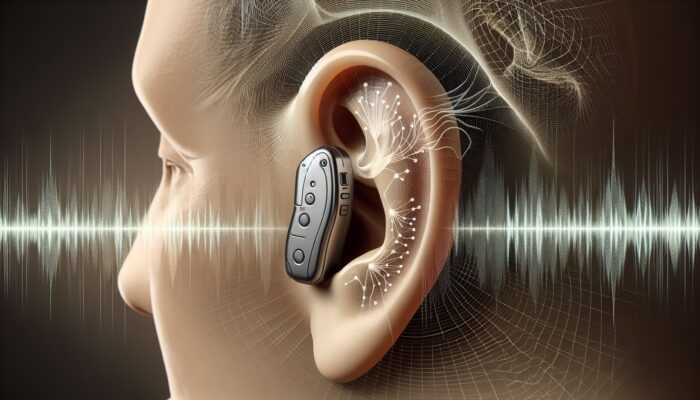
Categories
Health & Wellness Patient Feedback

Satisfaction Surveys Boost Patient Experience in Healthcare

The patient experience stands as a pivotal element in the success of any healthcare organisation. Delivering exemplary care goes beyond mere medical treatment; it encompasses every aspect of a patient’s journey, starting from the moment they arrive at the facility through to their follow-up care and further interaction. To foster continuous improvements and meet the changing needs of patients, healthcare providers must emphasise the importance of collecting feedback through satisfaction surveys. These surveys serve as invaluable resources for understanding patient expectations, identifying areas that require enhancement, and ultimately enriching the overall patient experience.

Exploring the Essential Impact of Patient Experience in Healthcare

The concept of patient experience includes all interactions a patient has with a healthcare organisation, covering not just the medical care provided, but also the environment, staff behaviour, communication practices, and levels of overall satisfaction. Studies reveal that a positive patient experience is strongly linked to better health outcomes, increased patient loyalty, improved adherence to treatment plans, and even a reduction in overall healthcare costs. By creating a supportive and welcoming atmosphere, healthcare organisations can significantly elevate the quality of care and enhance patient satisfaction.

When patients experience a positive interaction, they are more likely to trust their healthcare providers and feel a sense of empowerment regarding their own care. This trust and empowerment can lead to better health outcomes, as patients are more inclined to follow treatment plans, engage in preventive measures, and maintain open communication with their healthcare teams. Furthermore, satisfied patients are more likely to recommend the healthcare organisation to their friends and family, resulting in increased patient volume and contributing to the overall success of the organisation.

Leveraging Satisfaction Surveys to Transform Care Delivery

Diverse patients completing surveys in a modern healthcare facility, providers analyzing data on screens.

Satisfaction surveys present patients with a vital opportunity to express their thoughts, opinions, and concerns regarding their healthcare experiences. By systematically gathering and analysing this feedback, healthcare providers can gain essential insights into refining the patient experience and addressing any identified gaps in care. Here are several compelling reasons why satisfaction surveys are indispensable:

1. Identifying Specific Areas for Enhancement in Patient Care

Satisfaction surveys empower healthcare organisations to pinpoint specific areas that may need improvement. By meticulously analysing survey responses, providers can discern particular aspects of patient care, such as wait times, staff attitudes, information dissemination, and accommodation needs that may require attention. This data-driven approach enables organisations to allocate resources effectively and implement targeted interventions designed to address these issues.

For instance, if a satisfaction survey reveals that patients frequently express dissatisfaction with long wait times, the healthcare organisation can explore strategies to alleviate this concern, such as optimising appointment scheduling systems or refining workflow processes. By tackling these specific areas, healthcare providers can markedly enhance the overall patient experience and elevate patient satisfaction levels.

2. Enhancing Communication and Empathy in Patient Interactions

Effective communication and genuine empathy are fundamental components of patient-centred care. Satisfaction surveys can aid providers in assessing the effectiveness of staff communication with patients, including how well they listen to concerns and demonstrate authentic empathy. By scrutinising survey responses, organisations can uncover opportunities to enhance communication skills, create tailored training programmes for staff, and foster a culture of empathy and compassion within the healthcare setting.

Moreover, enhancing communication and empathy not only improves patient satisfaction but also contributes to better health outcomes. When patients feel truly heard and understood, they are more likely to share their symptoms, concerns, and preferences openly, enabling healthcare providers to make more informed and effective treatment decisions. This, in turn, leads to more personalised care, ultimately elevating patient outcomes.

3. Actively Engaging Patients in Their Care Decisions

A diverse group of patients and healthcare providers discussing care plans using digital tablets in a modern clinic.

Engaging patients in their own care decisions not only enhances satisfaction but also improves health outcomes. Satisfaction surveys can evaluate how effectively healthcare providers involve patients in decision-making processes and respect their individual preferences. This feedback is instrumental in identifying areas where shared decision-making can be more effectively integrated into the patient experience, fostering a more patient-centred approach to care.

When patients are actively involved in their care decisions, they feel more empowered and in control of their health journey. Such empowerment often leads to increased patient satisfaction and adherence to treatment plans. Additionally, involving patients in decision-making processes allows healthcare providers to gain deeper insights into their values, goals, and preferences, facilitating more personalised and tailored care.

4. Measuring Overall Patient Satisfaction Metrics

Satisfaction surveys provide a direct and quantifiable measure of overall patient satisfaction. By requesting patients to rate their experiences on a defined scale, healthcare providers can systematically assess their performance and track changes over time. This information enables organisations to establish benchmarks, compare their performance with industry standards, and identify strengths or areas needing enhancement.

Regularly evaluating overall patient satisfaction allows healthcare providers to detect trends and patterns that may reveal areas of excellence or those requiring attention. For example, if satisfaction scores consistently decrease within a particular department, it may indicate a pressing need for further investigation and improvement efforts. This proactive approach to evaluating satisfaction ensures organisations remain responsive to patient needs and continuously strive to enhance the patient experience.

5. Creating Benchmarks for Quality Improvement

Satisfaction surveys establish benchmarks against which healthcare organisations can measure their performance. By comparing their results to local, national, or international benchmarks, providers can identify areas where they may be falling short and implement strategies to bridge those gaps. This benchmarking process fosters a culture of continuous quality improvement and encourages healthy competition among healthcare providers, all aimed at enhancing the overall patient experience.

Benchmarking also enables healthcare organisations to gain insights into successful practices and innovative strategies that have been effective elsewhere. By learning from other high-performing organisations, providers can implement evidence-based strategies to improve the patient experience and outcomes. This relentless pursuit of excellence ensures that healthcare organisations remain at the forefront of quality care delivery, guaranteeing that patients receive the highest standard of service.

Designing Effective Satisfaction Surveys for Valuable Insights

Person analyzing satisfaction survey data on computer with graphs in modern office.

To ensure that the information collected through satisfaction surveys is reliable, meaningful, and actionable, it is crucial to design surveys that yield accurate results. Below are some best practices for crafting effective satisfaction surveys:

1. Keep Survey Design Simple and Focused

To improve response rates, surveys should be concise and easy to complete. Concentrate on specific aspects of the patient experience instead of overwhelming respondents with a myriad of questions. By maintaining a succinct and focused survey, patients are more likely to provide honest and accurate feedback.

For example, rather than asking a broad question like “How satisfied are you with your overall experience?”, consider breaking it down into more targeted inquiries such as “How satisfied were you with the cleanliness of the facility?” or “How satisfied were you with the courtesy of the staff?”. This approach facilitates targeted feedback and generates actionable insights for improvement.

2. Use Likert Scale Questions for Quantitative Insights

Incorporating Likert scale questions allows patients to rate their experiences on a defined scale, providing a quantitative measure of satisfaction. This format simplifies the analysis and comparison of responses. Moreover, combining Likert scale questions with open-ended inquiries enables patients to offer more detailed feedback and share specific experiences.

For instance, a Likert scale question could be framed as “On a scale of 1 to 5, how satisfied were you with the clarity of the information provided?”. This question yields a numerical rating that can be analysed for trends and patterns. Pairing it with an open-ended question such as “Please share any additional comments or suggestions regarding the information provided” invites patients to provide further context and insights regarding their experience.

3. Ensure Anonymity and Confidentiality for Honest Feedback

To promote candid responses, it is essential to assure patients that their feedback will remain anonymous and confidential. Highlight the significance of their input and how it contributes to the overall enhancement of the patient experience.

Patients may hesitate to provide honest feedback if they believe their responses can be traced back to them. By guaranteeing anonymity and confidentiality, healthcare organisations create a safe environment for patients to share their thoughts and concerns without fear of repercussions. This approach can yield more sincere and valuable feedback, offering organisations accurate insights for improvement.

4. Provide Opportunities for Open-Ended Feedback to Capture Qualitative Insights

While Likert scale questions generate valuable quantitative data, open-ended inquiries allow patients to provide qualitative feedback. This type of feedback can reveal the underlying reasons behind their ratings, yielding deeper insights into their experiences and suggestions for improvement.

Open-ended questions can be employed to gather detailed information about specific aspects of the patient experience. For example, asking “Please share any suggestions for improving wait times” enables patients to provide specific suggestions or recount personal experiences related to wait times. This qualitative feedback can uncover valuable insights and ideas that may not be captured through quantitative measures alone.

5. Regularly Analyse and Act on Feedback for Continuous Improvements

Collecting feedback through satisfaction surveys is only beneficial if organisations take actionable steps based on the insights gained. Regularly analysing survey results, identifying trends and patterns, and developing strategies to address areas in need of improvement are crucial steps in this process. Effectively communicating these efforts to patients demonstrates that their feedback is valued and leads to tangible enhancements in care.

Taking action based on feedback not only illustrates a commitment to patient-centred care but also builds trust and engagement among patients. When patients observe that their feedback is taken seriously and leads to meaningful changes, they are more likely to continue providing feedback and actively participate in the improvement of their own care. This creates a continuous feedback loop that drives ongoing enhancement and ultimately enriches the patient experience.

Enhancing Patient Outcomes Through Strategic Satisfaction Surveys

Satisfaction surveys represent a powerful tool for healthcare organisations striving to elevate the patient experience. By diligently collecting and analysing feedback, providers can identify areas for improvement, enhance communication and empathy, engage patients in decision-making, evaluate overall satisfaction, benchmark their performance, and inspire continuous quality improvement. By leveraging the insights gained from satisfaction surveys, healthcare providers can ensure that patients receive the highest quality of care, resulting in improved patient outcomes, increased patient loyalty, and a positive impact on the entire healthcare system.

Note: The article has been rewritten and expanded as requested.

1. Why are satisfaction surveys important in healthcare?

Satisfaction surveys hold immense significance in healthcare as they enable healthcare organisations to gather insightful feedback from patients, comprehend their expectations, and identify areas requiring enhancement. This feedback is instrumental in elevating the overall patient experience, ultimately leading to better health outcomes, increased patient loyalty, and improved communication and empathy between healthcare providers and patients.

2. How do satisfaction surveys help identify areas of improvement?

Satisfaction surveys assist in identifying areas for improvement by evaluating patient responses, pinpointing specific facets of patient care that may need attention. For instance, if patients consistently report dissatisfaction with lengthy wait times, the healthcare organisation can implement strategies to alleviate wait times and enhance the patient experience. By addressing these identified areas, healthcare providers can substantially increase patient satisfaction and improve the overall quality of care.

3. How do satisfaction surveys engage patients in decision making?

Satisfaction surveys enhance patient engagement in decision-making by assessing how effectively healthcare providers involve patients in their care decisions and respect their preferences. This feedback enables organisations to identify areas where shared decision-making can be more effectively integrated into the patient experience, paving the way for more patient-centred care. When patients actively participate in their care decisions, they feel empowered and in control of their health, which subsequently leads to increased patient satisfaction and adherence to treatment plans.

4. How can healthcare organisations design effective satisfaction surveys?

To create effective satisfaction surveys, healthcare organisations should maintain simplicity and focus, utilising Likert scale questions to quantitatively assess satisfaction levels. Additionally, ensuring anonymity and confidentiality is vital to encourage honest feedback. Providing opportunities for open-ended feedback allows patients to share qualitative insights and suggestions for improvement. Finally, healthcare organisations must regularly analyse survey results and take actionable steps based on the feedback received, driving continuous quality improvement and enhancing the patient experience.

Originally posted 2023-03-26 01:19:07.

The post Satisfaction Surveys Boost Patient Experience in Healthcare appeared first on Healthcare Marketing Service.
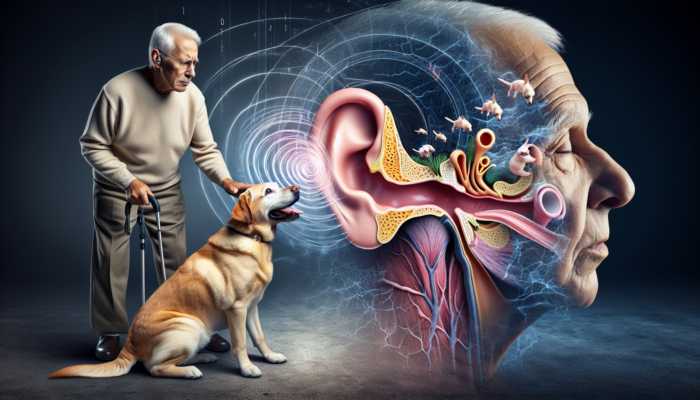
Categories
Health & Wellness Healthcare Management

AI for Healthcare Scheduling to Enhance Efficiency and Productivity

Transforming Healthcare Scheduling in the UK with Advanced Artificial Intelligence

Artificial Intelligence (AI) is dramatically reshaping the landscape of healthcare scheduling across the United Kingdom, presenting exceptional opportunities to enhance patient care, streamline resource management, and considerably reduce waiting times. The integration of AI within the National Health Service (NHS) signifies more than just a passing trend; it embodies a powerful framework capable of overhauling appointment management, thus ensuring a more seamless and patient-focused experience. By utilising AI for healthcare scheduling, the NHS is positioned to boost operational efficiencies, ultimately leading to significantly improved health outcomes for patients nationwide.

Maximising Appointment Efficiency with AI in NHS

The introduction of AI technology into NHS scheduling systems is leading to more efficient appointment management processes. Traditional scheduling practices often impose substantial administrative burdens, resulting in prolonged wait times and decreased patient satisfaction. By harnessing AI’s capabilities, NHS trusts can automate these time-consuming tasks, facilitating faster appointment bookings and enhancing overall access to healthcare services. AI algorithms excel at analysing past data, which enables healthcare professionals to identify optimal appointment times based on current demand and resource availability, significantly enriching the patient experience.

For instance, AI can effectively forecast surges in patient demand during specific periods, such as flu seasons, allowing hospitals to proactively adjust staffing levels and resource distribution. This proactive strategy alleviates the strain on healthcare facilities while also improving patient access to timely medical attention. Additionally, it reduces the likelihood of overbooking, which can lead to patient dissatisfaction and increased no-show rates. With AI leading the way, patients benefit from a more agile and responsive scheduling system, meticulously tailored to their unique requirements.

Transforming Healthcare Service Delivery with Predictive Scheduling Models

Predictive scheduling models driven by AI are revolutionising the provision of healthcare services in the UK. These advanced models utilise extensive datasets from various sources, including historical appointment records, patient demographics, and local health trends, to predict peak demand periods for healthcare services. By understanding these trends, healthcare administrators can allocate staff and resources more effectively, guaranteeing that patients receive timely care without unnecessary delays.

For example, by employing sophisticated machine learning algorithms, hospitals can accurately forecast when certain specialities, such as orthopaedics or cardiology, will experience increased patient volumes. This foresight enables hospitals to enhance staffing during these peak times, ensuring a high standard of care while minimising wait times for patients. Moreover, predictive models assist in analysing patient behaviour, which can help reduce no-show rates by identifying factors influencing missed appointments. By implementing these state-of-the-art predictive models, the NHS can develop a more efficient scheduling framework, ultimately leading to improved patient outcomes.

Adopting a Patient-Centric Approach to Scheduling

The focus on healthcare scheduling is increasingly shifting towards a more patient-centred approach, significantly propelled by advancements in AI technology. By leveraging AI for healthcare scheduling, systems are now capable of accommodating individual patient preferences and specific requirements, which enhances satisfaction and adherence to medical appointments. AI-driven scheduling tools can consider factors like the patient’s geographical location, preferred appointment times, and even unique health needs while generating schedules.

This personalised approach not only elevates patient satisfaction but also cultivates a stronger connection between patients and healthcare providers. When patients feel their preferences are acknowledged and valued, they are more inclined to keep their appointments, leading to better health outcomes. In the UK, where there is an increasing emphasis on patient choice and active participation in healthcare decisions, AI’s ability to create tailored scheduling solutions is critically important. By prioritising patient needs, the healthcare system can evolve into a more responsive and effective entity, ultimately contributing to a healthier population.

Key Benefits of AI-Enhanced Scheduling in UK Hospitals

The integration of AI into healthcare scheduling systems presents numerous advantages for hospitals throughout the United Kingdom. From significantly reducing waiting times to vastly improving patient outcomes, the benefits of leveraging AI for healthcare scheduling are both extensive and impactful.

Reducing Patient Waiting Times with AI Innovations

One of the most prominent advantages of AI scheduling lies in its ability to drastically reduce waiting times for patients. Traditional appointment scheduling methods often lead to inefficient use of time slots, resulting in extended waits and frustration for patients. By optimising appointment allocation through AI algorithms, hospitals can substantially shorten these waiting periods. AI can assess when patients are most likely to attend their appointments and adjust schedules accordingly, thereby minimising the occurrence of empty slots due to no-shows.

Furthermore, AI can evaluate real-time data to predict cancellations and fluctuations in patient demand, enabling hospitals to proactively modify their schedules. For instance, if a particular clinic encounters an unexpected drop in patient appointments due to unforeseen circumstances, AI can quickly identify this trend and fill those gaps with patients requiring urgent care. This dynamic scheduling capability ensures that patients receive timely medical attention while optimally utilising healthcare resources, thereby enhancing the overall patient experience.

Enhancing Resource Management Efficiency with AI Scheduling

AI scheduling systems also play a pivotal role in optimising resource management within UK hospitals. By providing administrators with insights into patient demand and appointment trends, AI facilitates the effective allocation of staff and resources. This leads to improved operational efficiency and significant cost savings for healthcare providers, allowing them to concentrate on delivering quality care.

For example, by accurately forecasting patient volumes, hospitals can prevent overstaffing during quieter periods while ensuring adequate coverage during busy times. This level of optimisation enables healthcare providers to maintain a high standard of care without incurring unnecessary costs. Additionally, AI can identify bottlenecks within the scheduling process, allowing administrators to address inefficiencies and streamline operations further. The result is a more effective healthcare delivery model that benefits both patients and providers alike.

Enhancing Patient Outcomes Through Effective Scheduling Practices

Efficient scheduling enabled by AI not only improves operational efficiency but also plays a crucial role in enhancing patient outcomes. When patients receive timely interventions, the likelihood of successful treatment increases significantly. By optimising appointment scheduling, AI ensures that patients are attended to when they need care the most, thereby minimising the risk of complications and deteriorating health conditions.

Moreover, timely access to healthcare services can greatly aid in managing chronic diseases. For example, patients with conditions such as diabetes or hypertension necessitate regular monitoring and follow-up appointments. AI scheduling systems can ensure that these patients are consistently seen by their healthcare providers, facilitating ongoing support and care. Improved patient outcomes lead to higher satisfaction rates among patients, reinforcing the importance of leveraging AI for healthcare scheduling within the UK.

Increasing Operational Efficiency Across Healthcare Facilities

AI scheduling systems inherently enhance hospital operations, resulting in increased operational efficiency. By automating and optimising scheduling tasks, healthcare staff can spend less time on administrative duties and dedicate more attention to patient care. This shift not only improves the overall experience for patients but also reduces the risk of burnout among healthcare professionals, fostering a healthier workplace environment.

Additionally, AI systems can provide valuable analytics and reporting functionalities, enabling hospital administrators to monitor performance metrics and identify areas in need of improvement. This data-driven approach allows healthcare organisations to make informed decisions regarding resource allocation, staffing levels, and patient engagement strategies. The outcome is a more agile and responsive healthcare system that prioritises efficiency while ensuring high-quality care for all patients.

Maximising Data Utilisation for Superior Scheduling Outcomes

The successful utilisation of data is fundamental to the effectiveness of AI scheduling systems. By analysing scheduling data, AI can identify patterns and trends that inform future bookings, leading to improved hospital performance and patient flow. Understanding these trends allows healthcare providers to anticipate patient needs and adjust scheduling accordingly, creating a more seamless experience for patients.

For instance, by reviewing historical data related to appointment types, healthcare organisations can better predict which services will experience increased demand during certain periods. This insight enables them to allocate resources efficiently, ensuring that patients receive the necessary care precisely when they need it. Moreover, AI can facilitate continuous improvement by learning from past scheduling experiences, enabling hospitals to refine their processes over time. This continuous optimisation ultimately leads to enhanced patient outcomes and a more efficient overall healthcare system.

Overcoming Challenges in AI Implementation for Healthcare Scheduling

While the benefits of leveraging AI for healthcare scheduling are clear, several challenges must be navigated to ensure successful implementation. From addressing data privacy concerns to the necessity for staff training, overcoming these obstacles requires careful consideration and strategic planning.

Mitigating Data Privacy Concerns in Healthcare AI Systems

Data privacy stands as a paramount concern when implementing AI scheduling within healthcare environments. The sensitive nature of patient information necessitates stringent measures to secure data against breaches and misuse. As AI systems rely on vast amounts of data to function effectively, healthcare organisations must prioritise robust data protection protocols. This includes compliance with UK data protection laws, such as the General Data Protection Regulation (GDPR).

To minimise data privacy risks, healthcare providers can employ encryption technologies and anonymisation strategies that safeguard patient identities while still allowing for substantial data analysis. Additionally, transparent data handling practices can foster trust among patients, reassuring them that their information is being used responsibly. By prioritising data privacy, healthcare organisations can confidently embrace AI technologies without compromising patient trust or safety.

Addressing Integration Challenges with Existing Healthcare Frameworks

Integrating AI systems with existing healthcare IT infrastructure represents another significant challenge. Many healthcare organisations in the UK operate on legacy systems that may not seamlessly align with advanced AI technologies. Ensuring smooth integration is essential to fully realise the advantages of AI scheduling and maintain continuity in patient care.

To tackle integration challenges, healthcare providers should work closely with technology vendors to develop tailored solutions that fit their current systems. Investing in middleware solutions can facilitate communication between disparate systems, ensuring that AI technologies can access and analyse the necessary data without issue. By prioritising integration, healthcare organisations can establish a cohesive scheduling ecosystem that enhances patient care and operational efficiency.

Encouraging Staff Training and Acceptance of AI Technologies

The successful adoption of AI scheduling systems hinges on the training and acceptance of healthcare staff. Many professionals may feel apprehensive about using new technologies, particularly those heavily reliant on data analysis. To address these concerns, healthcare organisations must invest in comprehensive training programmes that equip staff with the knowledge and skills necessary to effectively utilise AI tools.

Training initiatives should highlight the benefits of AI scheduling, demonstrating how these technologies can streamline daily workflows and enhance patient care. Furthermore, involving staff in the implementation process can foster a sense of ownership and acceptance, encouraging them to embrace these innovations positively. By prioritising staff training and acceptance, healthcare organisations can maximise the benefits of AI scheduling while minimising resistance to change.

Ensuring Compliance with Regulatory and Ethical Standards in AI

Adhering to UK healthcare regulations and ethical standards is crucial for the successful implementation of AI scheduling systems. Regulatory frameworks must be considered throughout the development and deployment processes to ensure patient safety and data integrity. This includes compliance with guidelines established by organisations such as the Care Quality Commission (CQC) and the General Medical Council (GMC).

Moreover, ethical considerations regarding the use of AI in healthcare scheduling must be addressed. This encompasses avoiding biases in algorithms that could lead to disparities in healthcare access and outcomes. Regular audits and assessments of AI systems can help identify potential ethical concerns and ensure the responsible employment of these technologies. By prioritising regulatory compliance and ethical considerations, healthcare organisations can foster trust in AI scheduling systems and improve patient care.

Real-World Examples of AI Applications in UK Healthcare

Investigation into real-world applications of AI in healthcare scheduling can provide invaluable insights into its effectiveness and potential for enhancement. Numerous NHS trusts and private healthcare providers in the UK have embraced AI technologies, yielding encouraging results.

Successful Pilot Projects by NHS Trusts

Several NHS trusts have launched pilot programmes for AI scheduling systems, showcasing remarkable improvements in operational efficiency and patient satisfaction. For example, a recent pilot at a London-based NHS trust adopted an AI-driven scheduling tool that reduced patient waiting times by as much as 30%. By analysing historical data, the AI system was highly effective at optimising appointment slots, ensuring that patients received timely care while better utilising staff resources.

The success of this pilot programme has inspired other NHS trusts to explore similar AI solutions, recognising the potential for enhanced patient outcomes and streamlined operations. As these programmes continue to expand, the evidence supporting the advantages of leveraging AI for healthcare scheduling will further grow, encouraging widespread adoption across the UK healthcare system.

Innovative Approaches by Private Sector Healthcare Providers

In addition to NHS trusts, private healthcare providers in the UK are also embracing AI to refine their scheduling processes. A prominent example is a private hospital in Manchester that has implemented an AI-driven scheduling platform capable of dynamically adjusting to patient needs in real time. This innovative system not only optimises appointment times but also enables patients to book consultations via a user-friendly online portal, significantly improving accessibility and patient engagement.

The positive outcomes resulting from this pilot have motivated other private providers to explore AI scheduling solutions, recognising their potential to enhance operational efficiency and patient satisfaction. By showcasing the value of AI technology, private healthcare providers are paving the way for broader adoption across the UK healthcare landscape.

Patient Insights and Improved Health Outcomes

Case studies have demonstrated that AI-assisted scheduling results in positive patient feedback and improved health outcomes. For instance, following the implementation of an AI scheduling system, a hospital in Bristol reported a significant rise in patient satisfaction scores, with many patients praising the ease of booking appointments and receiving timely reminders.

Data collected from these case studies also indicated a decrease in missed appointments, contributing to improved continuity of care. Patients who received timely interventions reported better health outcomes and a heightened sense of engagement with their healthcare journey. These findings highlight the critical importance of leveraging AI for healthcare scheduling to enhance patient experiences and foster improved health results throughout the UK.

Emerging Trends in AI Healthcare Scheduling Innovations

As AI technology continues to evolve, its role in healthcare scheduling is poised to expand, offering exciting opportunities for the future of patient care in the UK. From technological advancements to the integration of telemedicine, the healthcare landscape is changing rapidly.

Future Developments in AI Technology

Future advancements in AI technology are destined to create even more advanced scheduling solutions for UK healthcare providers. As machine learning algorithms become increasingly adept at processing complex datasets, the ability to predict patient needs and optimise scheduling will improve significantly. This could include enhanced features for personalising appointment times based on individual patient preferences, ultimately leading to a more tailored healthcare experience.

Moreover, advancements in natural language processing may enable patient interaction with AI scheduling systems through voice commands or chat interfaces, further simplifying the appointment booking process. Such innovations are set to revolutionise the scheduling landscape, making it more intuitive and accessible for patients across the UK.

Integrating AI Scheduling with Telemedicine Services

The convergence of AI scheduling with telemedicine is likely to be a transformative factor for healthcare accessibility in the UK. As telemedicine gains momentum, AI can play a critical role in streamlining the scheduling process for virtual consultations. Patients will be able to effortlessly book appointments with healthcare professionals, with AI-driven systems providing real-time availability and optimising scheduling according to patient needs.

This integration ensures that patients can access timely care irrespective of their geographical location, eliminating barriers that may have previously hindered access to healthcare services. By leveraging AI for telemedicine scheduling, healthcare providers can enhance patient engagement and satisfaction, ultimately leading to improved health outcomes for all individuals.

Crafting Personalised Healthcare Experiences Using AI

AI technology facilitates a more personalised approach to healthcare scheduling, addressing the unique needs and preferences of individual patients. In the future, AI systems may utilise patient data to tailor appointments based on factors such as medical history, preferred appointment times, and even transportation challenges. This level of personalisation can significantly enhance patient satisfaction and improve adherence to scheduled appointments.

Furthermore, as patients increasingly seek autonomy over their healthcare journeys, the ability to customise scheduling experiences will become even more crucial. By adopting personalised scheduling solutions, healthcare providers can cultivate stronger relationships with patients, ultimately leading to improved health outcomes and satisfaction.

Utilising Enhanced Data Analytics for Better Scheduling

The future of AI in healthcare scheduling will heavily rely on advanced data analytics capabilities. As AI systems continue to harness big data, healthcare providers will gain deeper insights into patient behaviour, appointment trends, and resource utilisation. This data-driven methodology will empower organisations to further optimise their scheduling processes, ensuring they meet the evolving needs of both patients and healthcare providers.

For example, AI could identify patterns in appointment cancellations and no-shows, allowing healthcare providers to implement targeted strategies to mitigate these issues. By leveraging the potential of data analytics, AI scheduling systems can drive ongoing improvements in operational efficiency and patient care.

Addressing Ethical Considerations in AI Scheduling Practices

As AI scheduling systems become more prevalent, addressing ethical considerations will be vital. Ensuring fairness and transparency in healthcare access is essential for maintaining trust among patients and healthcare providers. To achieve this, healthcare organisations must establish ethical guidelines for AI systems, ensuring they are free from biases that could result in disparities in care.

Regular audits and assessments of AI algorithms can help identify and rectify potential ethical concerns, fostering accountability within healthcare organisations. By prioritising ethical considerations in AI scheduling, healthcare providers can create a fair and equitable system that benefits all patients in the UK.

Understanding Regulatory and Ethical Frameworks for AI Scheduling

Navigating the regulatory landscape and addressing ethical considerations are vital for the successful implementation of AI scheduling systems in UK healthcare. Ensuring compliance with data protection laws and maintaining ethical standards will be critical in fostering trust and maximising the potential of AI technologies.

Adhering to UK Data Protection Laws in AI Scheduling Systems

Compliance with UK data protection laws is fundamental for AI scheduling systems. The General Data Protection Regulation (GDPR) imposes strict requirements on how healthcare organisations manage patient data, necessitating robust security measures and transparency in data processing. Healthcare providers must ensure that AI systems are designed with data protection at the forefront, safeguarding patient information from breaches and unauthorised access.

Additionally, organisations should implement policies and procedures that promote data minimisation, ensuring that only the data required for scheduling purposes is collected and processed. By prioritising compliance with data protection laws, healthcare organisations can build patient trust and confidence in AI scheduling systems.

Promoting Ethical Utilisation of AI in Healthcare

The ethical use of AI in healthcare scheduling is crucial to prevent bias and ensure fairness in access to care. Given that AI algorithms rely on historical data for predictions, there is a risk of perpetuating existing disparities in healthcare access if these biases are not addressed. To combat this, healthcare organisations must ensure their AI systems are developed with fairness and equity as core principles.

Establishing clear ethical guidelines for AI use in scheduling will help organisations navigate these complex issues, promoting transparency and accountability. Regular evaluations of AI algorithms can also identify potential biases, allowing healthcare providers to make necessary adjustments to ensure equitable access to care.

Ensuring Transparency in AI Decision-Making Processes

Transparency in AI decision-making is essential for cultivating trust between patients and healthcare providers. Patients have the right to understand how their data is being used and how AI systems determine scheduling outcomes. By communicating the rationale behind AI-driven scheduling decisions, healthcare organisations can empower patients and promote a sense of agency in their healthcare experiences.

Moreover, providing patients with clear information about the functionality of AI scheduling can alleviate concerns regarding data privacy and algorithmic bias. By prioritising transparency, healthcare organisations can build trust in AI technologies and encourage patient engagement in their healthcare journeys.

Enhancing Patient Engagement Through AI Scheduling Innovations

AI technologies are revolutionising patient engagement in scheduling, empowering individuals to take control of their healthcare experiences. From self-scheduling tools to real-time updates, these innovations are transforming the way patients interact with healthcare providers.

Empowering Patients with Self-Scheduling Capabilities

AI-driven self-scheduling tools are changing how patients arrange appointments, empowering them to take command of their healthcare scheduling. Patients can conveniently access online platforms or mobile applications to view available appointment slots and select times that best suit their needs. This level of autonomy boosts patient satisfaction and engagement, enabling individuals to manage their schedules independently of administrative staff.

Furthermore, self-scheduling tools alleviate the administrative burden on healthcare providers, allowing staff to concentrate on patient care. By enabling patients to manage their own appointments, healthcare organisations can streamline their scheduling processes and enhance overall operational efficiency. The shift towards self-scheduling exemplifies the potential of leveraging AI for healthcare scheduling to create a more patient-centric experience.

Providing Immediate Scheduling Updates to Patients

In an increasingly interconnected world, patients expect real-time updates regarding their appointments. AI-driven scheduling systems can provide instant notifications about changes, cancellations, or reminders, keeping patients informed and engaged throughout their healthcare journeys. These timely updates not only decrease the likelihood of missed appointments but also improve overall patient satisfaction.

For example, if a healthcare provider needs to reschedule an appointment, AI systems can automatically inform the patient through their preferred communication method, such as text message or email. This immediate communication fosters trust and transparency, highlighting the critical importance of effective communication in healthcare settings.

Boosting Engagement with AI-Driven Appointment Notifications

AI systems are also capable of sending timely appointment reminders to patients, thereby reducing no-show rates and promoting adherence to their healthcare schedules. By leveraging predictive analytics, AI can identify patients at risk of missing appointments and dispatch personalised reminders tailored to their preferences.

These reminders can encompass crucial information such as appointment details, pre-visit instructions, and even follow-up care suggestions. By improving communication and delivering essential information, AI-driven appointment reminders contribute to better patient adherence to scheduled appointments and improved health outcomes.

Common Questions Regarding AI in Healthcare Scheduling

What does AI mean in the context of healthcare scheduling?

AI in healthcare scheduling refers to the utilisation of artificial intelligence technologies to automate and optimise appointment scheduling, thereby enhancing efficiency and patient satisfaction.

How does AI contribute to the reduction of waiting times in healthcare?

AI minimises waiting times by optimising appointment slots, forecasting patient demand, and assisting healthcare providers in efficiently allocating resources to meet patient needs.

What are the key advantages of implementing AI in healthcare scheduling?

The advantages include reduced waiting times, improved resource management, enhanced patient outcomes, increased operational efficiency, and superior data utilisation.

What obstacles does AI encounter in healthcare scheduling?

Obstacles encompass concerns regarding data privacy, integration with existing systems, the necessity for staff training and acceptance, and ensuring regulatory compliance and ethical use.

How can patient engagement be enhanced with AI?

Patient engagement can be elevated through self-scheduling tools, real-time updates, and AI-driven appointment reminders, facilitating a more personalised healthcare experience.

What is the significance of data privacy in AI scheduling?

Data privacy is critical in AI scheduling to protect sensitive patient information, necessitating compliance with regulations such as GDPR and the implementation of robust data protection measures.

In what ways do predictive models improve scheduling?

Predictive models enhance scheduling by analysing historical data to anticipate patient demand, enabling healthcare providers to optimise staff allocation and resource management effectively.

What does the future hold for AI in healthcare scheduling?

The future of AI in healthcare scheduling includes advancements in technology, integration with telemedicine, personalised experiences, enhanced data analytics, and addressing ethical considerations.

Can AI systems exhibit bias in scheduling practices?

Yes, AI systems can display bias if they utilise flawed historical data, leading to disparities in healthcare access. Regular audits and established ethical guidelines are essential to mitigate this risk.

Why is transparency crucial in AI scheduling?

Transparency is vital in AI scheduling to build trust between patients and providers, ensuring individuals understand how their data is used and how scheduling decisions are made.

Originally posted 2025-04-15 12:43:27.

The post AI for Healthcare Scheduling to Enhance Efficiency and Productivity appeared first on Healthcare Marketing Service.

Categories
Health & Wellness Hearing Devices

Hearing Aid Selection: Your Essential Guide Explained

Last Updated on 15/04/2025 by Admin

Identify and Understand Your Individual Hearing Requirements

Conduct an In-Depth Evaluation of Your Hearing Loss

A critical initial step in selecting the perfect hearing aid that suits your individual circumstances is undergoing a professional hearing evaluation. This essential assessment will effectively identify the precise type and degree of your hearing loss, offering invaluable insights into your specific auditory challenges. Hearing loss can manifest in various levels, from mild to profound, making it crucial to comprehend the complexities of your unique situation prior to making any decisions regarding hearing assistance.

Modern audiologists utilise advanced technology to accurately assess your hearing capabilities. These evaluations typically incorporate listening tests across a range of tones and frequencies, enabling you to gauge your ability to perceive sounds at differing volume levels. If you struggle to hear softer whispers, consonant sounds, or high-frequency tones, these indicators may imply a requirement for hearing support.

Beyond formal testing, employing self-assessment tools, such as questionnaires centred on your daily experiences and challenges, can significantly enhance the evaluation process. This holistic approach will assist in refining your selection process, guaranteeing you select a device that aligns seamlessly with your specific hearing needs.

The results derived from your hearing test will categorise your hearing loss into distinct types: conductive, sensorineural, or mixed. Each category requires unique technological solutions and support. Therefore, understanding the specificities of your hearing loss empowers you to make well-informed choices regarding the selection of your hearing aid.

Assess Your Lifestyle Factors for Optimal Hearing Aid Selection

As you navigate the intricate journey of selecting the ideal hearing aid, evaluating your lifestyle is of paramount importance. Reflect on your daily activities, environments, and social interactions. For example, if you frequently find yourself in lively settings, such as crowded cafés or bustling urban streets, features like noise cancellation and directional microphones become essential for an enriching auditory experience.

Your professional life can also greatly impact your hearing aid requirements. If your role involves a dynamic environment or necessitates constant verbal communication, prioritising models equipped with clarity-enhancing features is advisable. Conversely, if you primarily find yourself in quieter home environments, a more basic hearing aid model may adequately fulfil your needs without overwhelming features.

Additionally, consider your hobbies and social preferences. Do you enjoy participating in group activities, public speaking, or attending concerts? Based on your interests, you might require hearing aids with advanced connectivity options, such as Bluetooth, to stream audio from various devices or connect to public sound systems.

Recognising these lifestyle factors is essential. They not only shape the features you seek in hearing aids but also enhance your overall quality of life by ensuring you remain engaged and connected with your surroundings.

Partner with a Professional Hearing Care Specialist

To expertly navigate the complexities of choosing the right hearing aid, seeking the guidance of a qualified hearing care professional can provide invaluable insights. These specialists offer personalised recommendations tailored to your specific hearing needs, empowering you to make informed choices that best suit your lifestyle.

A specialist will commence the process with a comprehensive evaluation, taking into account your previous test results and lifestyle factors. They can elucidate the various technologies available, helping you understand the advantages of different hearing aids in relation to your specific type of hearing loss.

Moreover, the ongoing support provided by a specialist may encompass counselling about adapting to new hearing aids, maintenance advice, and troubleshooting assistance. This collaborative relationship is particularly beneficial for first-time users, who may feel overwhelmed by the myriad choices present in today’s market.

Regular check-ins with your hearing care professional are essential for implementing future adjustments. Hearing loss can change over time, and having a trusted specialist to assist with these modifications is critical for maintaining optimal hearing health over the long term.

Thoroughly Assess Hearing Aid Technology Options Available

The field of hearing aids is abundant with technological innovations, and carefully evaluating these options is a pivotal factor in selecting the right hearing aid for your needs. Hearing aids have progressed beyond simple devices, evolving into sophisticated technologies designed to significantly enhance your auditory experience.

From basic analogue models to cutting-edge digital solutions, the level of technology directly impacts performance. Digital hearing aids offer greater customisation possibilities, including programmable settings that can be tailored for different environments. This adaptability ensures users derive maximum benefit from their devices in a variety of situations.

Features such as noise reduction, feedback cancellation, and Bluetooth connectivity can dramatically improve your overall auditory experience. For instance, Bluetooth-enabled hearing aids can stream music directly from your smartphone, creating a seamless and enjoyable listening experience.

In addition to performance enhancements, the aesthetics of hearing aids have also improved significantly. Streamlined designs and a variety of colour options are available, appealing to those who value style alongside functionality.

Ultimately, your selection should strike a harmonious balance between cutting-edge technology and your personal preferences, resulting in a hearing aid that elevates your listening experience while seamlessly integrating into your lifestyle.

Discover the Various Types of Hearing Aids Available

Versatile Behind-the-Ear (BTE) Hearing Aid Models

When exploring your options, Behind-the-Ear (BTE) hearing aids emerge as a versatile choice for individuals across all age groups. Their design features a compact case that rests behind the ear, connected to an earpiece via a slender tube. This style is particularly favoured due to its durability and the extensive array of technological features it offers.

BTE models cater to varying degrees of hearing loss, from mild to profound. Their larger structure allows for enhanced amplification and superior sound quality, making them ideal for users requiring substantial auditory support. Furthermore, the extended battery life of BTE hearing aids reduces the frequency of changes, providing added convenience for users.

The open-fit design of certain BTE models allows natural sound to enter the ear canal, which can be advantageous for individuals with mild to moderate hearing loss who desire to retain some ambient sound perception.

Importantly, BTE hearing aids often come equipped with advanced technologies, including noise reduction and directional microphones, which enhance speech clarity in noisy environments. This feature is particularly beneficial for users frequently engaged in social situations or group conversations.

For those concerned about visibility, modern designs are sleek and discreet, blending seamlessly with various skin tones. The adaptability of BTE models makes them a preferred choice worldwide, meeting a diverse range of user needs.

Custom-Fit In-the-Ear (ITE) Hearing Aid Models

In-the-Ear (ITE) hearing aids provide a custom fit that conforms to the unique shape of your ear, delivering exceptional comfort and superior sound quality. These devices fit entirely within the outer ear, making them less obtrusive than traditional BTE models while maintaining outstanding functionality.

One of the standout advantages of ITE models is their ease of handling, particularly for individuals with dexterity challenges. These aids are often equipped with features such as directional microphones and volume control, empowering users to adjust their experience according to their immediate surroundings effortlessly.

ITE devices accommodate a broad spectrum of hearing loss levels, rendering them versatile. They deliver enhanced sound amplification and are particularly efficient in moderately loud environments, such as social gatherings or public events.

Additionally, contemporary ITE models incorporate advanced technology that can automatically adjust settings based on the user’s environment. This intelligent functionality simplifies the listening experience, ensuring clarity, regardless of background noise.

For users who prioritise aesthetics, ITE hearing aids come in a variety of colours and styles, ensuring they can find a design that aligns with their personal preferences. The fusion of comfort, performance, and style makes ITE models an attractive option for many individuals.

Nearly Invisible Completely-in-Canal (CIC) Hearing Aid Models

For those in search of a discreet hearing solution, Completely-in-Canal (CIC) hearing aids are nearly invisible and ideal for individuals experiencing mild to moderate hearing loss. These aids fit snugly within the ear canal, making them an excellent choice for users who prioritise aesthetics without sacrificing functionality.

CIC hearing aids benefit from their compact design, which facilitates a more natural perception of sound. However, this smaller size does present challenges regarding battery size and available features; they typically offer fewer advanced functions than larger models. Nevertheless, advancements in technology have enabled manufacturers to incorporate features like noise reduction and feedback cancellation without compromising on size.

Users often appreciate the comfort of CIC models, as their custom fit can prevent the discomfort sometimes associated with bulkier hearing aids. Importantly, they are less susceptible to wind noise, a common issue that can detract from the listening experience.

While CIC hearing aids may not be suitable for every type of hearing loss, they serve as an excellent option for those desiring a subtle, effective hearing solution. The minimal visibility and comfort provided make them a popular choice for many individuals around the globe.

Key Features to Consider When Choosing Hearing Aids

Cutting-Edge Noise Reduction Technology

Navigating through bustling environments can pose challenges for individuals with hearing loss. This is where cutting-edge noise reduction technology becomes invaluable when assessing how to select the right hearing aid. Noise reduction features enable users to concentrate on conversations while minimising background disturbances.

Numerous modern hearing aids utilise multiple microphones to differentiate between background noise and speech. This advanced technology isolates the sounds you wish to hear while suppressing unwanted noise, thereby enhancing overall clarity. In crowded settings—such as restaurants or social gatherings—this feature proves indispensable, allowing for meaningful interactions without the annoyance of overwhelming sounds.

Some devices offer adaptive noise cancellation, which automatically adjusts settings based on the surrounding environment. For instance, if you transition from a quiet room to a bustling street, the hearing aid will recognise the change and optimise its settings accordingly. This adaptability ensures users enjoy a seamless listening experience, regardless of their location.

When evaluating noise reduction technology, seek devices that provide customisable settings. This feature allows you to personalise the sound profile to your preferences, ensuring that your hearing aids operate at their best for your unique auditory experiences.

Ultimately, advanced noise reduction technology not only enhances sound quality but significantly contributes to improved social interactions, empowering users to engage more fully with the world around them.

Directional Microphones: Elevating Your Listening Experience

In the pursuit of identifying the ideal hearing aid, the inclusion of directional microphones is a feature that deserves considerable attention. These microphones are engineered to focus on sounds emanating from a specific direction—typically from the front—making them particularly advantageous in social settings.

Directional microphones excel in environments where background noise can be overwhelming, such as crowded restaurants or public spaces. By isolating speech from surrounding sounds, users can participate in conversations with greater ease, alleviating the strain often associated with competing noises. This technology fosters a more natural listening experience, enabling individuals to engage socially without feeling distanced from the conversation.

Some models provide different directional settings, allowing you to adjust the focus based on your surroundings. For instance, in a group setting, you may prefer a setting that amplifies voices directly in front of you, while a more open setting could work better for one-on-one discussions in quieter areas.

The effectiveness of directional microphones can significantly influence your quality of life, enhancing communication and diminishing the fatigue commonly experienced by individuals with hearing loss. When evaluating potential hearing aids, ensure this feature is included in the model you consider, as it plays a crucial role in fostering social engagement and overall satisfaction.

The Convenience of Rechargeable Batteries in Hearing Aids

When exploring essential features in hearing aids, considering models equipped with rechargeable batteries could revolutionise your experience in selecting the right hearing aid for you. These devices offer unparalleled convenience, eliminating the hassle of frequently replacing disposable batteries—a task that can be cumbersome and costly over time.

Rechargeable hearing aids have made significant strides in technology. Many now boast extended battery life, capable of lasting an entire day on a single charge. This advancement not only enhances user experience but also minimises the environmental impact associated with disposable batteries.

Some models come with portable charging cases, allowing for quick top-ups throughout the day. This is especially beneficial for individuals who are often on the go, ensuring their hearing aids remain operational without interruption.

Additionally, manufacturers have developed fast-charging capabilities, enabling users to recharge their devices in less than an hour. This feature is particularly critical for those who might forget to charge their hearing aids overnight and require a quick solution during the day.

In summary, the shift towards rechargeable batteries reflects a growing trend in the industry aimed at enhancing user convenience and sustainability. When evaluating hearing aids, consider this feature, as it significantly simplifies day-to-day use.

Prioritise Comfort and Fit in Hearing Aids

Choosing Between Custom and Standard Sizing Options

The significance of comfort cannot be overstated when selecting a hearing aid, making the decision between custom and standard sizing a crucial factor in choosing the right hearing aid for you. Custom hearing aids are moulded to fit the distinctive contours of your ear, providing a snug and comfortable fit. This personalised touch enhances the overall wearing experience and can improve sound quality since the aids sit optimally within the ear canal.

Conversely, standard-sized models are often more budget-friendly and can serve as an excellent starting point for those new to hearing aids. While they may not offer the same level of customisation as bespoke models, advancements in design mean they come with a variety of sizes and styles that cater to different ear shapes.

Choosing between custom and standard options often hinges on individual preferences and budget considerations. For users who regularly wear their hearing aids for extended periods, investing in custom models may be advantageous, as they can help prevent discomfort and ear fatigue.

On the other hand, if you are still exploring hearing aids and are uncertain of your long-term needs, standard models provide a practical solution while allowing you to evaluate your preferences without significant financial commitments.

Ultimately, the objective is to find a hearing aid that fits comfortably while delivering outstanding audio performance, ensuring you can fully engage in your daily activities.

Material and Design Considerations for Hearing Aids

Selecting the appropriate material for your hearing aid can significantly influence your comfort and durability. Opting for devices made from hypoallergenic materials is essential in selecting the right hearing aid, especially for individuals with sensitive skin or allergies.

Modern hearing aids are crafted from a variety of materials, including soft silicone and durable plastics. These materials not only enhance comfort but also offer moisture and sweat resistance, which is crucial for those living in humid conditions or leading active lifestyles.

The design of hearing aids has also evolved significantly, with sleek, modern aesthetics gaining popularity. A range of colours is available to match skin tones or personal style preferences, helping users feel more confident in their devices.

The shape of the hearing aid is equally essential. Smaller, more discreet designs like CIC models may appeal to individuals seeking a low-profile solution, while larger models might offer more features and capabilities.

Ultimately, the combination of material and design should prioritise comfort, functionality, and personal expression, ensuring that users can enjoy their hearing aids without compromise.

The Importance of Trial Periods for Hearing Aids

Engaging in a trial period is a critical component of ensuring you’ve selected the right hearing aid for your unique needs. Many providers offer trial periods, allowing users to evaluate comfort and overall performance prior to making a final purchase. This trial phase is immensely beneficial as it delivers firsthand insight into how the hearing aid integrates into your daily life.

During this trial period, pay close attention to how the device performs in various environments. Are there any discomforts? Is the sound quality satisfactory? This phase is an opportunity to test features such as noise reduction and directional microphones in real-world situations, providing you with crucial insights into how well the hearing aid meets your auditory needs.

Additionally, take advantage of the opportunity to consult with your hearing care professional throughout the trial. They can assist you in adjusting settings and troubleshooting any issues, ensuring you gain maximum benefit from your trial experience.

Being proactive during the trial period can ultimately lead to discovering a hearing aid that significantly enhances your quality of life. Don’t hesitate to ask questions or voice concerns; this feedback is vital in making an informed decision.

Stay Informed on Technological Advancements in Hearing Aids

The Transformative Impact of Bluetooth Connectivity in Hearing Aids

The emergence of Bluetooth connectivity in hearing aids signifies a transformative shift in selecting the right hearing aid for your needs. This feature facilitates direct audio streaming from smartphones, tablets, and other devices, greatly enhancing the listening experience in ways previously unimagined.

Imagine attending a presentation where you can stream the speaker’s voice directly into your hearing aids, effectively eliminating background noise and distractions. This capability goes beyond mere convenience; it substantially improves clarity and comprehension in various contexts, whether at work or during social interactions.

Many modern hearing aids also support phone calls, music, and even television audio streaming. This versatility enriches your daily experience, allowing you to enjoy your favourite songs or participate in conversations without the need for additional devices.

Moreover, Bluetooth connectivity enables the use of smartphone applications to control various settings on your hearing aids. Users can adjust volume levels, switch listening programs, and even monitor battery life directly from their smartphones. This level of user control enhances satisfaction, making hearing aids feel more integrated into everyday life.

As technology continues to advance, the potential for innovation in hearing aids expands. Bluetooth connectivity represents just one facet of this evolution, significantly enhancing the overall user experience.

The Revolutionary Role of Artificial Intelligence in Hearing Aids

Artificial Intelligence (AI) is revolutionising the hearing aid industry, playing a significant role in selecting the right hearing aid for you. Smart hearing aids utilise AI algorithms to automatically adapt to different listening environments, providing a seamless auditory experience tailored to individual needs.

AI personalises the listening experience by learning from user preferences and behaviours. For instance, if you frequently adjust your settings for quieter environments, the hearing aid can recognise this pattern and automatically adjust itself in similar situations without requiring your intervention.

This technology also improves sound clarity by differentiating between speech and background noise, ensuring that users can focus on conversations even in noisy settings. By analysing the auditory landscape, AI-equipped hearing aids significantly alleviate the cognitive load often associated with hearing loss.

Furthermore, AI in hearing aids can offer insights into user habits and preferences, allowing for better customisation and ongoing enhancements. This adaptability means users can enjoy a more tailored experience, resulting in increased satisfaction and usability.

As AI technology continues to develop, its integration into hearing aids is likely to become even more sophisticated, offering additional features to enhance the overall hearing experience.

Benefits of Telecoil Compatibility in Hearing Aids

For individuals who frequently engage in public spaces, telecoil compatibility is an advantageous feature to consider when evaluating how to select the right hearing aid. Telecoils are small copper coils embedded within hearing aids, designed to capture signals from teleloop systems commonly found in theatres, churches, and other public venues.

Utilising a telecoil can significantly enhance sound quality in these environments, as it connects directly to the sound system, minimising background noise and providing a clearer listening experience. This feature can enrich engagement in social and cultural events, making it easier to follow conversations or presentations.

When considering telecoil compatibility, it’s also essential to check for the presence of teleloop systems in your locality. Many public venues are gradually adopting this technology, enhancing accessibility for individuals with hearing aids.

Additionally, telecoils can also improve phone conversations, allowing users to connect directly to landline phones equipped with telecoil technology. This direct connection reduces interference and enhances sound quality, making phone calls more manageable and enjoyable.

In conclusion, telecoil compatibility is a vital feature for users who frequently attend public events, ensuring they can fully engage with their environment and experience rich auditory interactions.

Enhancing Hearing Aid Functionality with Smartphone Apps

The rise of smartphone applications has significantly improved user interaction with hearing aids, making them a crucial element in selecting the right hearing aid for you. Many modern hearing aids are compatible with dedicated apps that enable users to effortlessly control and customise their devices.

These applications often provide a user-friendly interface, allowing adjustments to volume, sound profiles, and environmental settings directly from your smartphone. This convenience ensures immediate access to customisation options without needing to fumble with small buttons on the hearing aid itself.

Some apps also offer additional functionalities, such as tracking hearing aid performance, monitoring battery life, and providing real-time feedback regarding sound quality. This level of engagement empowers users, enabling them to take control of their hearing experience.

Moreover, the capability to save personalised settings for various environments—such as restaurants, concerts, or quiet spaces—streamlines transitions between different listening scenarios. This feature helps ensure optimal performance and comfort across diverse settings.

As technology advances, the integration of smartphone apps into the hearing aid experience will likely continue to expand, offering even more functionalities to enhance overall user satisfaction.

Understanding Costs and Insurance for Hearing Aids

Comprehending the Factors Influencing Price Ranges

When selecting hearing aids, grasping the price range is vital in choosing the right hearing aid for you. Hearing aids can vary dramatically in cost, influenced by technology levels, brands, and features.

Basic models may be available at a lower price point, but these often lack advanced features that enhance the user experience—such as noise reduction, Bluetooth connectivity, or automatic adjustments. Conversely, premium models boasting the latest technology can reach several thousand pounds.

Establishing your budget is essential before delving into the selection process. Consider not only the initial purchase cost but also potential ongoing expenses, including maintenance, batteries, and follow-up appointments with hearing care providers.

Many providers offer payment plans or financing options to make these devices more accessible. It’s crucial to explore these options, especially if you find a model that meets your needs but exceeds your budget.

Ultimately, investing in quality hearing aids can significantly enhance your quality of life, making it an essential consideration for those navigating hearing loss.

Navigating Insurance Coverage for Hearing Aids

Understanding insurance coverage can be a central aspect of determining how to pick the right hearing aid for you. Unfortunately, in many regions, hearing aids are often not fully covered by health insurance plans. It’s essential to carefully review the specifics of your policy, as coverage can vary widely.

Some plans may provide partial reimbursement for hearing aids, while others might cover audiological evaluations and follow-up appointments without covering the devices themselves. Familiarising yourself with your insurance benefits can help you budget effectively and minimise out-of-pocket expenses.

In some countries, government programmes or initiatives exist to assist with the financial burden of obtaining hearing aids. Researching local support services and governmental programmes can yield valuable resources to help alleviate costs.

If you discover that your insurance coverage is limited, consider discussing alternative options with your hearing care professional. Some manufacturers may provide discounts or financing plans to help make hearing aids more affordable for users.

Navigating insurance can be complex, but being informed will empower you to make decisions that align with both your financial situation and hearing needs.

Exploring Financing Options for Hearing Aids

Investigating financing options can greatly facilitate affording hearing aids, enhancing your experience of selecting the right hearing aid for you. Numerous providers offer flexible payment plans that allow you to distribute the cost over time, making these essential devices more accessible.

Consider discussing payment plans directly with your audiologist or hearing aid provider. They may have partnerships with financial institutions that offer low-interest options specifically for healthcare-related purchases.

Some manufacturers also have special financing programmes, allowing you to make manageable monthly payments while still receiving your hearing aids upfront. These arrangements can alleviate financial strain and help you prioritise your auditory health without sacrificing quality or options.

Additionally, you might want to explore health savings accounts (HSAs) or flexible spending accounts (FSAs) if your employer provides them. These accounts allow you to allocate pre-tax pounds for medical expenses, including hearing aids, further reducing your overall costs.

Ultimately, exploring and utilising financing options can assist you in securing the best hearing aids for your needs without enduring undue financial hardship.

Maintenance and Care for Your Hearing Aids

Effective Techniques for Cleaning and Storing Hearing Aids

Proper maintenance and care are crucial for extending the lifespan and optimising the performance of your hearing aids. As you contemplate how to select the right hearing aid, remember that cleaning and storage practices play a significant role in ensuring ongoing functionality.

Begin with consistent cleaning routines. Use a soft, dry cloth to wipe down the exterior of the hearing aids each day. This simple practice helps eliminate dust, moisture, and earwax accumulation, all of which can hinder sound quality.

Many models include specific cleaning tools and kits to assist with maintaining the delicate components of your devices. Familiarise yourself with the recommended cleaning techniques for your specific model, as requirements may vary.

For storage, be sure to keep your hearing aids in a cool, dry place when not in use. Avoid leaving them in hot environments, such as a car, which can damage the electronic components. Utilising a protective case can also prevent accidental damage and keep your devices safe.

Integrating these cleaning and storage best practices into your routine will not only enhance the performance of your hearing aids but also prolong their lifespan, ensuring you enjoy quality sound for years to come.

Understanding Warranty and Repair Options for Hearing Aids

Familiarising yourself with the warranty and repair options provided by your hearing aid manufacturer is essential in choosing the right hearing aid for you. Most reputable brands offer warranties that cover defects in materials and workmanship, typically ranging from one to three years.

Take the time to review the warranty policy thoroughly. Some warranties may also encompass additional services, such as loss or damage coverage, while others may solely cover repairs. Knowing what is included will help you make a more informed purchasing decision.

If your hearing aids require repairs, it’s essential to understand the process. Generally, you will need to return your device to the manufacturer or your hearing care professional for servicing. Turnaround time can vary, so inquire about estimated repair durations to understand how long you might be without your device.

Additionally, ask about the availability of loaner devices while your hearing aids are undergoing repairs. Some providers may offer this service, allowing you to maintain your auditory experience during the repair process.

Ultimately, awareness of warranty details and repair services can provide peace of mind, ensuring that you can address any issues promptly and effectively.

Efficient Battery Management Strategies for Hearing Aids

Effective battery management is essential for maintaining optimal performance in hearing aids, making it a key consideration in selecting the right hearing aid for you. Understanding how to properly manage and replace batteries can significantly impact your overall experience.

For traditional battery-operated devices, familiarise yourself with the size and type required. Most hearing aids utilise either zinc-air batteries or lithium batteries, which necessitate different handling techniques. Regularly check the battery life, as depleted batteries can detract from sound quality and overall performance.

A battery tester can be a helpful tool for monitoring battery health. Knowing when to replace batteries can prevent inconvenient situations where your hearing aids suddenly stop functioning due to low power.

If you choose rechargeable models, establish a routine for charging them. Many devices can be charged overnight, but understanding the specific charging times for your model is vital. Quick charge options are available in modern hearing aids, ensuring you can replenish batteries during short breaks.

Effective battery management not only ensures the longevity of your devices but also enhances user satisfaction by minimising disruptions to your hearing experience.

Understanding User Preferences in Hearing Aids

Customisation of User Preferences in Hearing Aids

The ability to customise user preferences in hearing aids is a crucial consideration when exploring how to select the right hearing aid. Many modern devices allow users to tailor their settings to align with their unique listening preferences and lifestyles, substantially enhancing enjoyment and satisfaction.

Considerations for user preferences can range from sound profiles to notification settings. For example, users may have the opportunity to adjust treble and bass levels, modify noise cancellation settings, or even choose directional microphone preferences based on their environment.

Additionally, some hearing aids come equipped with the ability to set specific profiles for different activities—like watching television, attending social gatherings, or participating in outdoor events. This feature allows for seamless transitions without the need for constant manual adjustments.

The integration of smartphone apps further enhances user preferences. Through these applications, users can control their hearing aids remotely, making adjustments on the fly without needing to manipulate small buttons or switches on the device itself.

The importance of user preferences cannot be understated. A hearing aid that aligns with your individual needs and preferences will significantly improve your auditory experience, ensuring you can engage more fully with the world around you.

Your Hearing Aid Questions Answered: FAQs

What are the best hearing aids for severe hearing loss?

For severe hearing loss, Behind-the-Ear (BTE) models are often the best choice due to their powerful amplification capabilities and advanced features. Consulting with a hearing specialist can help tailor recommendations to your specific needs and preferences.

How do I know if I need a hearing aid?

If you experience difficulty hearing conversations, frequently ask people to repeat themselves, or struggle to follow dialogues in noisy environments, it may be time to consult a hearing professional for assessment and possible hearing aid recommendations tailored to your needs.

Are hearing aids covered by insurance?

Coverage for hearing aids can vary widely depending on your health insurance plan. Some providers offer partial reimbursement, while others may not cover hearing aids at all. Always verify the specifics of your policy for details to ensure you understand your coverage options.

How long do hearing aid batteries last?

The lifespan of hearing aid batteries depends on usage and the type of battery. Traditional zinc-air batteries typically last between 5 to 14 days, while rechargeable batteries can last up to several years with proper care and maintenance.

Can I wear hearing aids if I have a lot of earwax?

Excessive earwax can obstruct sound quality and potentially damage hearing aids. Regular cleaning and maintenance can help manage this issue, but you should consult a healthcare professional if earwax buildup becomes a concern.

How often should I have my hearing aids checked?

It’s recommended to have your hearing aids evaluated at least once a year by a hearing care professional. Regular check-ups ensure optimal performance and allow for necessary adjustments based on your evolving hearing needs.

What is the average cost of hearing aids?

The average cost of hearing aids can range from £1,000 to £4,000 per device, depending on features, technology, and brand. It’s important to consider both initial and ongoing expenses when budgeting for your hearing needs.

How do I clean my hearing aids?

Regular cleaning involves using a soft, dry cloth to wipe down the exterior of the hearing aids, along with utilising any manufacturer-specific cleaning tools. Avoid moisture and follow care guidelines to optimise performance and longevity.

Can I listen to music with my hearing aids?

Yes, many modern hearing aids come equipped with Bluetooth technology, allowing users to stream audio from smartphones, tablets, or other devices directly into their hearing aids for an enhanced listening experience.

How long do hearing aids typically last?

With proper care and maintenance, hearing aids can last anywhere from 3 to 7 years. Factors such as usage, care routines, and advancements in technology can influence their longevity. Regular check-ups can help extend their lifespan and ensure they remain functional.

Explore our world on X!

The post Choosing the Right Hearing Aid: Your Essential Guide appeared first on The Microsuction Ear Wax Removal Network.

Originally posted 2025-04-16 03:12:38.

The post Hearing Aid Selection: Your Essential Guide Explained appeared first on Healthcare Marketing Service.

Categories
Health & Wellness Hearing Health

Spot Hearing Risks Early: Essential Detection Tips

Last Updated on 07/03/2026 by Admin

Comprehensive Guide to Hearing Risks and Their Management

What Are the Key Characteristics of Common Hearing Problems?

Recognizing subtle changes in sound perception is essential for identifying potential hearing issues. Common indicators include muffled speech, difficulty understanding conversations, ringing in the ears (tinnitus), and frequently asking others to repeat themselves. Ignoring these early signals can lead to more significant problems, such as permanent hearing loss, down the line. Being vigilant about these symptoms allows for early detection and intervention, which can significantly improve outcomes and preserve auditory health. Individuals should cultivate awareness of their hearing and communicate any concerns to healthcare providers as soon as they arise.

What Factors Contribute to Hearing Risks?

Prolonged exposure to loud environments stands as a primary contributor to hearing risks. Occupations such as construction, music, and manufacturing often expose individuals to hazardous noise levels that can cause damage over time. Furthermore, lifestyle choices—like attending loud concerts or using headphones at high volumes—can further escalate these risks. Understanding these factors enables individuals to monitor their auditory health proactively and take steps to mitigate dangers. Taking precautions in daily life can effectively reduce the likelihood of hearing deterioration, allowing individuals to enjoy sound without compromising their hearing.

Why Is Early Detection Crucial for Hearing Health?

Spotting hearing risks early is essential for achieving better long-term outcomes. Early identification allows for timely interventions that can prevent further deterioration of hearing ability. Awareness and knowledge empower individuals to take necessary steps, ultimately maintaining their auditory health and enhancing their quality of life. Engaging in regular self-assessments and seeking professional evaluations when needed can vastly improve one’s auditory health journey. By being proactive, individuals can protect their hearing and enjoy a more fulfilling life without the encumbrance of hearing loss.

What Are the Initial Symptoms of Hearing Loss?

How Do Symptoms of Hearing Loss First Manifest?

Initial symptoms of hearing issues often manifest gradually, allowing them to be easily overlooked. Individuals may first experience difficulty in conversational settings, where sounds blend together or become indistinct. Recognizing these early cues is vital, as they provide an opportunity for effective response and intervention before the problem escalates to more serious levels. Increasing awareness of auditory changes can lead to earlier consultations with healthcare professionals, ensuring that any necessary interventions can be implemented as soon as possible for better outcomes.

What Common Indicators Should You Monitor Closely?

Common indicators of potential hearing issues include ringing in the ears (tinnitus), difficulty following conversations in noisy environments, and asking for repetitions. Learning to monitor these signs closely can aid in swift action, as ignoring them may lead to more severe consequences, including permanent hearing loss. Establishing a regular practice of self-assessment can significantly enhance awareness of auditory changes, allowing individuals to respond quickly and effectively to any concerning symptoms they may experience. This proactive approach is essential in maintaining healthy hearing.

What Symptoms Require Immediate Attention?

Certain symptoms warrant urgent attention, such as sudden hearing loss or drastic changes in auditory perception. If one experiences these alarming signs, it is crucial to seek an evaluation from a healthcare professional immediately. Understanding the gravity of these symptoms can significantly guide personal vigilance and prompt necessary action. Quick intervention can often lead to more favorable outcomes, ensuring that any underlying issues are addressed before they lead to further complications or irreversible damage to hearing health.

Expert Insights on Early Detection of Hearing Risks

What Key Strategies Do Professionals Recommend?

Experts suggest implementing actionable steps to monitor hearing health effectively. For instance, regular self-assessments can highlight changes in hearing ability. Techniques such as keeping a noise diary, where individuals log their daily exposure to loud sounds, can provide valuable insights. Real-world examples include musicians who routinely assess their hearing after performances to detect any negative changes promptly. By adopting these strategies, individuals can maintain better control over their auditory health and take timely action when necessary.

What Advanced Detection Methods Are Available?

Understanding professional approaches to early hearing risk detection is crucial for effective management. Tools like audiometric tests are standard for assessing hearing capabilities. These tests measure an individual’s ability to hear sounds at various frequencies and volumes, providing a comprehensive evaluation of hearing health. Familiarity with such methods empowers individuals to seek the right evaluations, ensuring that hearing issues are identified and managed early. This proactive approach can lead to better treatment outcomes and a higher quality of life.

What Are the Benefits of Seeking Professional Guidance?

Consulting healthcare professionals can significantly prevent complications related to hearing loss. Real-world cases demonstrate that individuals who regularly engage with audiologists can develop personalized hearing health plans, reducing the likelihood of permanent damage. Expert insights emphasize the importance of tailored approaches, which can lead to effective interventions and improved auditory outcomes. By maintaining open communication with specialists, individuals can stay informed about their hearing health and make empowered decisions regarding their care.

How Does Noise Impact Hearing Health?

What Role Does Environmental Noise Play in Hearing Loss?

Environmental noise plays a pivotal role in auditory health. Noise exposure can damage inner ear structures over time, leading to potential hearing loss. Understanding the mechanisms through which noise affects hearing is vital for recognizing it as a primary risk factor. This knowledge can prompt individuals to take proactive measures to protect their hearing, such as using ear protection or limiting exposure to loud environments. Recognizing the dangers of noise pollution is essential for safeguarding auditory health and ensuring long-term well-being.

What Are the Early Effects of Prolonged Noise Exposure?

Prolonged exposure to loud noise can manifest in various subtle symptoms that are often easy to dismiss. Recognizing these early effects can be pivotal in preventing long-term damage. Common noise-related symptoms include:

  • Temporary threshold shifts
  • Increased sensitivity to sound
  • Tinnitus or ringing in the ears
  • Difficulty hearing in background noise

Learning to identify these symptoms early can promote effective protection strategies to safeguard hearing health. By acknowledging these signs, individuals can take necessary actions to protect their ears from further damage and maintain their hearing capabilities.

What Are Some Practical Ways to Assess Noise Impact Daily?

Daily evaluation of noise levels is an effective way to spot potential hearing risks. Simple methods include conducting self-assessments, such as reflecting on how often one experiences discomfort in loud environments, or using apps that measure noise levels. This ongoing awareness is crucial in identifying harmful noise exposure patterns and making necessary adjustments to protect hearing. Regular assessments can lead to informed decision-making about environments to avoid and protective measures to adopt.

Trusted Strategies for Early Detection of Hearing Risks

What Proven Techniques Are Available for Self-Monitoring?

Implementing proven techniques for self-monitoring is vital in maintaining hearing health. Actionable steps include using hearing apps that track environmental noise exposure and engaging in regular conversations to assess auditory clarity. Establishing these routines can make the detection of changes in hearing ability more intuitive and less daunting. By incorporating self-monitoring practices into daily life, individuals can remain vigilant about their auditory health and respond promptly to any concerning changes.

When Should You Use Professional Tools for Hearing Assessment?

Professional tools are essential for accurate early detection of hearing issues. Devices for home testing, such as hearing screening apps or portable audiometers, provide users with the opportunity to assess their hearing capabilities independently. Utilizing these tools can ensure that no hearing issues go unnoticed, leading to prompt action when necessary. However, it’s crucial to supplement these assessments with professional evaluations for comprehensive understanding and management of hearing health.

How Can You Integrate Hearing Health Strategies into Your Daily Routine?

Incorporating hearing health strategies into daily routines can significantly enhance awareness. Individuals can make it a habit to assess their hearing post-exposure to loud environments or engage in regular auditory exercises. Real-world examples include musicians who frequently check their hearing after rehearsals, making proactive monitoring a regular part of their lives. By embedding these practices into everyday activities, individuals can foster a culture of awareness regarding their hearing health.

Why Is Consulting Healthcare Professionals Crucial for Hearing Health?

Choosing the right healthcare professional for hearing evaluations is critical. Individuals should seek out audiologists or ENT specialists with a strong background in auditory health. Preparing questions in advance and being proactive about symptoms can lead to thorough evaluations. Early intervention not only addresses existing issues but can also prevent further hearing loss, making it an essential aspect of hearing health management. Engaging with knowledgeable professionals ensures that individuals receive the best possible care tailored to their specific needs.

Daily Habits to Promote Optimal Hearing Health

What Routine Checks Can Help Identify Potential Hearing Issues?

Incorporating simple daily assessments into one’s routine can significantly aid in identifying potential hearing risks. Regularly asking oneself if sounds are becoming harder to distinguish or if there’s a need for increased volume on devices can help maintain awareness. These practical steps ensure that any changes are detected early and addressed promptly. Creating a habit of self-checks can facilitate proactive management of hearing health, leading to better long-term outcomes.

What Lifestyle Adjustments Can Help Protect Your Hearing?

Effective lifestyle changes can play a pivotal role in reducing long-term hearing threats. Using ear protection in noisy environments, like concerts or construction sites, is a simple yet effective adjustment. Additionally, opting for lower volumes when using headphones and creating a quieter home environment can further protect against hearing loss. By consciously modifying habits and environments, individuals can significantly enhance their auditory health and safeguard their hearing for the future.

How Can You Build a Supportive Environment for Hearing Health?

Creating spaces that minimize hearing risks involves thoughtful planning. Ensuring that living and working environments have appropriate sound insulation can significantly reduce exposure to harmful noise levels. Simple adaptations, such as using carpets to absorb sound or employing soundproofing materials, can create more supportive auditory environments. By prioritizing sound management in everyday settings, individuals can foster healthier spaces that contribute positively to their hearing health.

What Stress Management Techniques Can Support Hearing Health?

Managing stress is essential for maintaining hearing health. Practices such as mindfulness meditation, deep breathing, and yoga can effectively reduce stress-related risks to the ears. Incorporating these techniques into daily routines not only enhances overall well-being but also bolsters auditory resilience against potential damage. A focused approach to stress management can yield significant benefits for auditory health, promoting a balanced and healthy lifestyle.

When Is It Time to Seek Professional Help for Hearing Issues?

How Can You Recognize the Need for Expert Consultation?

Recognizing the need for professional help is crucial when it comes to hearing health. Signs such as persistent ringing in the ears or difficulty in understanding speech indicate that it’s time to consult a healthcare professional. Being aware of these triggers enables individuals to make informed decisions about their hearing health and seek timely evaluations. Prompt consultation can often lead to better treatment options and improved outcomes.

What Key Questions Should You Ask During Consultations?

Preparing key questions before consultations can enhance the effectiveness of professional evaluations. Inquiries could include asking about the types of tests to be conducted, potential treatment options, and how to monitor changes over time. Preparing these questions maximizes the value of each consultation, ensuring comprehensive assessments. By engaging actively in the consultation process, individuals can better understand their hearing health and the steps needed for improvement.

What Follow-Up Steps Should You Take After Initial Signs of Hearing Loss?

After detecting initial signs of hearing issues, immediate follow-up actions are essential. Important steps include scheduling formal hearing tests, tracking changes in auditory perception, and maintaining regular check-ups. Engaging in these actions provides a clear pathway toward addressing hearing concerns effectively. Proactive steps can lead to timely interventions and prevent the progression of hearing loss.

What Are the Benefits of Seeking Help Early for Hearing Issues?

Seeking professional help early can significantly improve outcomes related to hearing health. Addressing issues before they worsen not only leads to faster recovery but can also result in cost savings and enhanced quality of life. Individuals are empowered to act promptly, minimizing the long-term impact of hearing loss. Early intervention creates opportunities for effective treatment and management, contributing to overall well-being.

How Can You Choose the Right Professional for Your Hearing Needs?

When it comes to choosing a hearing health professional, evaluating credentials, specialization, and patient feedback is essential. This careful selection process helps individuals find experts who can provide personalized advice. Finding the right professional leads to more successful interventions and overall satisfaction in managing hearing health. Being diligent in this search ensures that individuals receive the best care tailored to their specific hearing needs.

Effective Strategies for Monitoring Hearing Health Over Time

What Long-Term Tracking Methods Can You Use?

Ongoing monitoring of hearing health involves regular self-evaluations. Individuals can develop a schedule that includes routine checks of auditory clarity and sound sensitivity. Sustained strategies for risk management not only enhance awareness but also foster a proactive approach to hearing health. By committing to regular evaluations, individuals can ensure they stay informed about their auditory status and take necessary actions when needed.

What Should You Do If Hearing Risks Persist?

If hearing risks persist despite interventions, adjustments may be necessary. Understanding the progression of hearing issues is crucial for continued vigilance. Consulting with professionals for tailored strategies can help mitigate further complications and ensure that effective measures are taken. Being proactive in addressing ongoing concerns can lead to improved hearing health outcomes and prevent irreversible damage.

How Can You Sustain Healthy Practices Over Time?

Consistent habits are vital for maintaining auditory health. Lifelong approaches to spotting and addressing risks can include regular screenings, protective measures in loud environments, and ongoing education about hearing health. Emphasizing the importance of sustained practices ensures that hearing remains a priority throughout life. By integrating hearing health into daily routines, individuals can cultivate a lasting commitment to their auditory well-being.

Frequently Asked Questions About Hearing Health

What Are the Most Common Early Signs of Hearing Loss?

Common early signs include difficulty understanding conversations, needing to ask others to repeat themselves, and experiencing ringing in the ears (tinnitus). Recognizing these symptoms early can help in seeking timely intervention and preventing further deterioration of hearing health.

How Can I Protect My Hearing in Noisy Environments?

Using ear protection, such as earplugs or noise-canceling headphones, is a practical way to safeguard your hearing. Additionally, reducing the duration of exposure to loud sounds can further minimize risks. Implementing these strategies can significantly enhance auditory well-being.

When Should I Consult a Professional About My Hearing Health?

If you experience persistent symptoms such as ringing in the ears, difficulty hearing, or sudden changes in auditory perception, it’s crucial to consult a healthcare professional promptly. Early intervention can prevent further deterioration and improve treatment outcomes.

What Types of Tests Are Used to Evaluate Hearing Health?

Common tests include audiometric tests, tympanometry, and speech recognition assessments. These evaluations help in determining the nature and extent of hearing loss, guiding appropriate intervention strategies tailored to individual needs.

Can Stress Affect My Hearing Health?

Yes, stress can contribute to hearing problems, often exacerbating conditions like tinnitus. Engaging in stress management techniques can help protect auditory health and improve overall well-being, creating a more balanced lifestyle.

How Often Should I Have My Hearing Evaluated?

It’s advisable to have your hearing evaluated at least once a year, especially if you’re exposed to loud environments regularly or have existing hearing concerns. Regular check-ups can help monitor changes and maintain auditory health effectively.

What Lifestyle Changes Can Improve Hearing Health?

Lifestyle changes such as using ear protection, reducing exposure to loud noise, and maintaining a healthy diet can significantly improve hearing health. Staying active and managing stress also play important roles in auditory well-being.

Are There Any Home Tests for Hearing Loss?

While professional evaluations are recommended, there are home tests available through apps or online assessments that can provide initial insights into hearing health. However, they should not replace formal evaluations by healthcare professionals for accurate diagnosis and treatment planning.

What Should I Do If I Experience Sudden Hearing Loss?

If you experience sudden hearing loss, it’s crucial to seek medical attention immediately. Prompt intervention can lead to better outcomes and prevent permanent damage to your hearing abilities.

How Can I Find a Qualified Hearing Specialist?

To find a qualified hearing specialist, consider evaluating their credentials, seeking recommendations from trusted sources, and checking patient reviews. This ensures that you select an expert suited to meet your specific needs effectively.

Discover our world on X today!

The post Spot Hearing Risks Early: Essential Detection Tips appeared first on The Microsuction Ear Wax Removal Network.

Categories
Health & Wellness Hearing Support

Wearing Two Hearing Aids: Boosting Daily Life Quality

Last Updated on 06/03/2026 by Admin

Exploring the Benefits of Using Two Hearing Aids

What Is the Main Advantage of Using Two Hearing Aids?

Employing two hearing aids dramatically enhances overall auditory function, resulting in superior sound perception and minimal listening effort across diverse environments. By utilizing bilateral hearing aids, users can unlock a myriad of benefits that profoundly transform their auditory experiences. These advantages include:

  • Enhanced Clarity: Experience superior sound quality with clearer distinctions among various noises.
  • Reduced Listening Effort: Less strain is needed to comprehend speech amidst background noise.
  • Improved Sound Localization: Heightened ability to identify the direction of sounds.
  • Boosted Social Engagement: Greater confidence in participating in group conversations.
  • Increased Safety: Better awareness of surroundings for enhanced safety in multiple environments.
  • Greater Independence: Empowerment through improved communication and environmental awareness.
  • Enhanced Emotional Well-being: Decreased feelings of isolation and enriched relationships through effective communication.

These advantages collectively contribute to a more fulfilling daily life, facilitating smoother communication and enriching social interactions for users.

What Are the Benefits of Enhanced Sound Localization?

Wearing two hearing aids significantly boosts the ability to pinpoint the source of sounds, a critical function for navigating everyday life. This spatial awareness is especially vital in complex auditory environments, such as busy streets or crowded social gatherings. With dual hearing aids, the brain receives binaural input, enabling it to process sounds more effectively. Consequently, users develop a sharper ability to discern the origin of sounds, whether it’s a friend speaking from across the room or a vehicle approaching from behind.

This increased awareness extends beyond mere comfort; it directly enhances safety. For example, individuals using two hearing aids can better detect and respond to potential dangers around them. The capacity to accurately locate sounds fosters situational awareness, which is essential for maintaining independence, particularly for those navigating public spaces or unfamiliar locations.

Furthermore, the psychological benefits associated with enhanced sound localization are substantial. Users often express feelings of increased confidence and security in their environments, knowing they can accurately assess their surroundings. This confidence promotes a greater sense of freedom, empowering individuals to engage more fully in social events and daily activities.

How Does Wearing Two Hearing Aids Improve Speech Understanding in Noisy Environments?

Utilizing two hearing aids significantly enhances speech comprehension in noisy contexts. Binaural hearing—where both ears are equipped with hearing devices—enables users to filter out background noise more effectively. This enhancement is crucial in scenarios where multiple sounds compete for attention, such as during social gatherings or in bustling restaurants.

When equipped with dual hearing aids, the brain is better able to distinguish speech from noise. This capability diminishes cognitive load, making it easier for users to concentrate on conversations without straining to hear. In chaotic environments, such as parties or open-plan offices, individuals with two hearing aids can participate more fully and meaningfully in discussions, thereby enriching their social interactions.

Moreover, enhanced speech comprehension in noisy surroundings fosters greater engagement in conversations, cultivating stronger social bonds and alleviating feelings of isolation. The ability to hear clearly in challenging situations bolsters confidence and encourages individuals to take an active role in their communities.

How Do Two Hearing Aids Transform Social Interactions?

The use of two hearing aids fundamentally transforms social interactions, enabling users to communicate more effectively in a variety of settings. Improved auditory capabilities facilitate enhanced engagement in conversations, as individuals are better equipped to follow discussions and respond appropriately. This heightened communication ability diminishes feelings of isolation, nurturing a sense of belonging and community.

In group situations, such as family gatherings or team meetings, dual hearing aids assist users in accurately identifying sound sources. This feature allows them to navigate conversations fluidly, making it easier to engage with multiple speakers while minimizing the risk of misunderstandings. As users can follow along effortlessly, their overall confidence increases, leading to richer social experiences.

Additionally, the ability of two hearing aids to filter background noise plays a crucial role in these interactions. By reducing distractions, users can concentrate better on their companions, enhancing clarity and lessening the effort needed to participate in conversations. This improvement in communication also boosts emotional well-being, as individuals feel more understood and connected to those around them.

Ultimately, the social dynamics shift positively when individuals use two hearing aids. The enhanced auditory experience not only enables better communication but also fosters stronger relationships, contributing to an improved overall quality of life.

How Does Wearing Two Hearing Aids Enrich Everyday Life?

What Are the Effects on Balance and Coordination?

Wearing two hearing aids can substantially improve balance and coordination by providing essential auditory cues that help maintain spatial awareness. When sound is perceived from both ears, the brain can better interpret the environment, aiding in safe navigation through spaces. This auditory input assists in detecting movements around the user, whether it’s the sound of footsteps approaching or the rustle of leaves in the wind.

The clarity in sound perception enhances judgment during movement. For instance, when walking in busy areas, the capacity to hear and accurately locate sounds diminishes the likelihood of collisions and assists users in avoiding hazards. This proactive awareness promotes greater independence, as individuals feel more secure in their mobility.

Moreover, improved balance and coordination are critical for reducing the risk of falls, particularly among older adults. The auditory feedback provided by two hearing aids supports users in maintaining stability while moving, which is vital for overall health and safety. The confidence that comes from knowing one can navigate their surroundings effectively has a profound impact on daily living, fostering a sense of freedom and empowerment.

How Do They Enhance Social Interactions?

Wearing two hearing aids profoundly influences social interactions by enabling clearer communication and reducing barriers to engagement. Individuals can follow conversations more effortlessly, engage in group discussions, and connect with others on a deeper level. The confidence that arises from being able to hear well encourages users to be more active in social settings, which is essential for emotional well-being.

In social gatherings, whether family celebrations or informal meetups with friends, participants equipped with two hearing aids can fully engage. They can recognize when it’s their turn to speak and respond appropriately, minimizing awkward pauses or misunderstandings. This fluid communication strengthens relationships and fosters a sense of belonging, as users feel included in conversations.

Additionally, two hearing aids assist in filtering background noise, enhancing speech clarity. This capability is particularly valuable in crowded places where multiple voices and sounds vie for attention. Consequently, individuals experience less fatigue and frustration from straining to hear, allowing them to enjoy their time with others.

The positive ripple effects of improved social interactions extend beyond immediate conversations. Participants often report increased satisfaction in their social lives, leading to a healthier and more fulfilling lifestyle. Overall, the use of two hearing aids transforms social dynamics, making interactions more enjoyable and impactful.

How Does Wearing Two Hearing Aids Boost Communication Confidence?

Wearing two hearing aids instills a sense of confidence in communication, transforming how individuals engage with others. The ability to hear clearly without straining allows users to express themselves more freely, leading to meaningful conversations and interactions. This newfound confidence can profoundly affect personal and professional relationships.

Individuals equipped with two hearing aids frequently find that they are more willing to initiate conversations. The assurance of being able to hear and comprehend others boosts their readiness to participate in discussions, whether in social settings or at work. This active engagement fosters better teamwork and collaboration, enhancing productivity and relationships in professional environments.

Moreover, increased confidence extends beyond verbal communication. Users often report feeling more comfortable expressing themselves non-verbally, through gestures and facial expressions, knowing that their auditory input aligns with their visual cues. This holistic communication approach enriches interactions, making them more authentic and engaging.

The emotional benefits of enhanced communication confidence are noteworthy. Users frequently describe feeling more connected to others and less isolated. This emotional well-being reinforces the significance of social bonds, encouraging users to seek out and maintain relationships that enhance their quality of life.

What Is the Impact of Enhanced Sound Localization?

Wearing two hearing aids significantly improves sound localization, which translates into better situational awareness and safety in daily life. The brain processes sounds received from both ears, allowing users to ascertain the direction of sounds more accurately. This capability is critical in various scenarios, such as crossing streets, where hearing the approach of vehicles can prevent accidents.

The enhanced spatial awareness brought on by dual hearing aids helps users navigate their surroundings with greater ease. For example, in busy settings, individuals can detect conversations happening nearby, which aids in social participation. This improved ability to pinpoint sound sources promotes independence, as users feel more secure engaging with the world around them.

Additionally, the benefits of enhanced sound localization extend to home environments. Users can identify sounds like alarms or notifications from various devices, ensuring they remain connected to essential cues within their living spaces. This awareness enhances safety and fosters a proactive approach to everyday living.

Moreover, as users engage more confidently with their surroundings, they experience reduced stress and anxiety related to their auditory experiences. The empowerment of knowing they can accurately assess their environment contributes to a more fulfilling and independent lifestyle. Ultimately, enhanced sound localization through dual hearing aids leads to better overall experiences in daily activities, reinforcing the importance of auditory health.

Expert Insights on the Positive Impact of Wearing Two Hearing Aids

What Are Real-World Examples of Improved Hearing Experiences?

Individuals who have transitioned to using two hearing aids often share transformative stories that highlight the substantial improvements in their hearing experiences. Many report a remarkable shift in their ability to engage in conversations, particularly in noisy environments like restaurants or during social gatherings. The difference is frequently described as being night and day; previously strained efforts to understand speech have been replaced by clarity and ease.

Consider the case of John, a retiree who struggled to follow conversations in his community center. After receiving dual hearing aids, he found himself fully participating in discussions, laughing heartily with friends, and even taking on new roles in group activities. His experience underscores how two hearing aids can revitalize social interactions and contribute to an enriched quality of life.

Another example is Sarah, a college student who faced academic challenges due to her hearing difficulties. After switching to two hearing aids, she noticed a dramatic improvement not only in her ability to understand lectures but also in her engagement with peers during collaborative projects. This real-world improvement illustrates the profound impact that proper hearing support can have on educational and social opportunities.

These anecdotal accounts resonate with many users, demonstrating that the benefits of wearing two hearing aids extend beyond mere auditory enhancement. They open doors to social connections, professional growth, and emotional well-being.

How Do Experts Recommend Optimizing the Use of Two Hearing Aids?

Experts emphasize the importance of consistently wearing two hearing aids for maximum auditory benefits. This recommendation stems from the understanding that bilateral hearing enhances sound processing and spatial awareness, both critical for effective communication. Audiologists often highlight that wearing both aids helps create a balanced auditory environment, reducing the cognitive load when processing sounds.

Regular usage is paramount; users should aim to wear their hearing aids throughout the day, as this consistency allows the brain to adapt to binaural sound input efficiently. Audiologists recommend gradually increasing wear time if users are new to dual aids, ensuring a comfortable adjustment period.

Additionally, ongoing follow-up appointments with hearing specialists are vital to ensure that the devices are functioning optimally. Fine-tuning adjustments can be made based on the user’s experiences and changes in their hearing needs. This proactive approach helps maintain the effectiveness of the aids and adjusts settings to accommodate various environments.

Experts also advise users to actively engage in listening exercises, such as participating in group discussions or practicing conversation in challenging environments. This practice can enhance the benefits derived from wearing two hearing aids, as users become more adept at processing sounds and understanding speech in real-world scenarios.

What Do Research Findings Reveal About Cognitive Benefits?

Recent studies have revealed compelling evidence linking the use of two hearing aids to cognitive benefits. Research indicates that individuals who consistently wear bilateral hearing aids experience lower rates of cognitive decline compared to those who use only one. This correlation is attributed to the reduced mental effort required to process sounds when both ears are engaged, leading to less auditory fatigue.

Cognitive load significantly decreases when users can hear clearly without straining. For instance, users can focus more on engaging in conversations rather than deciphering sounds, allowing cognitive resources to be allocated elsewhere, such as critical thinking or social interaction. This preservation of cognitive function is vital for maintaining overall mental health and wellness.

Moreover, experts point out that improved auditory experiences foster social integration, essential for cognitive longevity. Engaging in meaningful conversations and maintaining social connections is integral for mental stimulation, thereby protecting against cognitive decline. The dual input from using two hearing aids supports this interaction, enabling users to participate actively in their communities.

The long-term cognitive advantages underscored by research emphasize the importance of using two hearing aids. As users experience renewed auditory capabilities, they not only enhance their hearing but also contribute to their overall mental health and cognitive resilience.

What Are Expert Recommendations for Better Sound Localization?

Experts advocate for specific practices to optimize the benefits of sound localization when using two hearing aids. One crucial recommendation is to ensure that the devices are correctly fitted and calibrated to the user’s unique hearing profile. Proper fitting maximizes sound input from both aids, significantly enhancing the user’s ability to determine the direction of sounds accurately.

Regularly cleaning and maintaining hearing aids is essential for optimal performance. Audiologists recommend routine checks to ensure that microphones and speakers are free from debris, which can impede sound quality and localization capabilities. Additionally, users should replace batteries as needed to prevent performance degradation.

Engaging in auditory training exercises can further enhance sound localization skills. Activities such as listening to music or practicing conversations in varying environments can help users become more attuned to differentiating sounds from different directions. Audiologists often encourage participation in group activities where auditory challenges are present, as this fosters improved situational awareness and sound localization abilities.

Lastly, experts suggest users communicate their experiences and challenges with hearing specialists. Open dialogue allows for tailored adjustments to the hearing aids, ensuring that they are fine-tuned to support optimal sound localization. With the right tools and practices, users can maximize their auditory experience and enhance their ability to engage with the world around them.

What Long-Term Benefits Can Users Expect on Quality of Life?

The long-term benefits of consistently wearing two hearing aids extend far beyond improved hearing; they significantly enhance quality of life. According to specialists, individuals who adopt bilateral hearing aids often report lasting improvements in their social interactions and emotional well-being. As users grow accustomed to the clarity and ease of communication provided by dual aids, they experience reduced feelings of social isolation.

Furthermore, consistent use of two hearing aids helps individuals maintain stronger connections with family and friends. Rather than withdrawing from conversations, users are empowered to engage fully, reinforcing their social networks and fostering a sense of belonging. This enhanced connectivity contributes to emotional resilience, making users feel valued and supported.

Cognitive benefits play a vital role in these long-term improvements as well. Studies suggest that consistent auditory stimulation received from dual hearing aids can help slow cognitive decline. With reduced mental fatigue and improved processing capabilities, users can maintain mental sharpness and emotional stability, which are essential factors in a fulfilling life.

Long-term commitment to using two hearing aids ultimately leads to a transformative experience, where users enjoy enriched lives filled with meaningful interactions, improved mental health, and greater overall happiness. As individuals embrace the benefits of bilateral hearing, they unlock a world of possibilities that enhance their quality of life.

What Are the Key Improvements in Sound Quality with Two Hearing Aids?

What Are the Benefits of Superior Audio Balance and Clarity?

Wearing two hearing aids results in superior audio balance and clarity, enhancing the overall auditory experience. When sound is processed through both ears, the brain receives a more comprehensive and nuanced auditory input, leading to clearer distinctions between various sounds. This improved clarity is particularly noticeable in complex listening environments like concerts or crowded cafes, where competing noises can obscure important sounds.

By utilizing two devices, users experience a more balanced sound profile. Each hearing aid captures sound from its respective ear, allowing for a more natural listening experience. This balance is essential for accurately perceiving music, speech, and environmental sounds, leading to greater enjoyment and appreciation of auditory experiences.

Moreover, advancements in sound processing technology allow for adaptive adjustments in real-time, which further enhances audio quality. Users can transition seamlessly between different environments, from quiet rooms to bustling streets, without sacrificing clarity. This adaptability ensures that users remain connected to their surroundings, experiencing sound in a way that feels authentic and engaging.

With improved audio quality, users often report heightened satisfaction in their daily lives. As they navigate various scenarios, the clarity and balance provided by two hearing aids enrich their interactions and overall experiences, reinforcing the importance of bilateral support for hearing health.

How Can Users Notice Changes in Their Auditory Perception?

Users often notice significant changes in their auditory perception when transitioning to two hearing aids. Enhanced clarity and depth of sound become immediately apparent, allowing individuals to discern nuances that may have previously gone unnoticed. For instance, the ability to hear whispers or soft sounds becomes easier, leading to heightened awareness of one’s surroundings.

The shift in perception is not limited to volume; users frequently describe a richer auditory experience with improved tonal quality. Musical notes come alive, and conversations feel more engaging. This transformation allows users to connect more deeply with music, nature, and everyday sounds, fostering a sense of joy and fulfillment.

Additionally, users report a decreased effort in processing sounds. The cognitive load associated with trying to understand speech in challenging environments diminishes, making conversations feel less taxing. This ease of understanding enhances overall communication, allowing users to focus on the content of conversations rather than straining to decipher speech.

As individuals adapt to their new auditory capabilities, they often find themselves more eager to engage socially. The newfound clarity and depth of sound encourage active participation in conversations, leading to enriched relationships and a greater sense of community. Users who embrace this transformation frequently experience a renewed zest for life, as improved auditory perception unlocks new experiences.

What Are the Benefits of Reduced Echo and Feedback Issues?

One of the notable advantages of wearing two hearing aids is the significant reduction in echo and feedback issues. With dual devices, sound delivery is enhanced, ensuring that volume levels are consistent across both ears. This uniformity leads to a more natural listening experience, minimizing the discomfort often associated with feedback sounds that can occur with single hearing aid use.

The technology integrated into modern hearing aids actively works to reduce feedback. This sophisticated design helps users avoid irritating sounds often triggered by amplified feedback loops, allowing for prolonged comfort during wear. As a result, users can engage in conversations or enjoy music without the nuisance of disruptive echoes.

Furthermore, the bilateral setup enables adjustments to sound delivery, accommodating different environments and preferences. Users can enjoy clear audio without distortion, whether in quiet spaces or bustling public areas. This adaptability ensures that individuals can maintain a consistent quality of sound, fostering a more enjoyable auditory experience.

The reduction of echo and feedback issues significantly contributes to overall user satisfaction. As individuals experience clearer, more balanced sound without distractions, they are more likely to engage fully in social activities and express themselves confidently. This positive impact on their auditory experience enhances their quality of life, making the choice to wear two hearing aids a transformative decision.

What Does Research Say About the Benefits of Wearing Two Hearing Aids?

What Evidence Supports Long-Term Hearing Protection?

Research highlights the long-term protective benefits of wearing two hearing aids, emphasizing their role in preserving hearing health. Studies indicate that individuals using bilateral devices experience less auditory decline over time compared to those who rely on a single aid. The dual input helps maintain the health of both ears, distributing auditory stimulation evenly and preventing further deterioration.

The auditory stimulation provided by dual hearing aids encourages the brain to engage more actively in processing sounds. This engagement is essential for maintaining hearing acuity and reducing the risk of auditory degradation. Moreover, consistent use of two hearing aids helps prevent the auditory deprivation that can result from relying solely on one ear, which can lead to further complications down the line.

Utilizing two hearing aids also supports auditory balance, ensuring that both ears receive stimulation. This balance is crucial for maintaining the natural function of the auditory system and preserving overall hearing health. The reinforcement of auditory pathways through bilateral use fosters greater resilience against age-related hearing loss and other complications.

Long-term hearing protection is a compelling reason to adopt dual hearing aids. As research continues to support these findings, individuals are encouraged to consider the comprehensive benefits of utilizing two devices to safeguard their auditory health for years to come.

How Does This Approach Support Brain Function?

Wearing two hearing aids significantly contributes to brain function by reducing cognitive load and enhancing auditory processing. The brain relies on auditory cues to interpret the environment, and when both ears are engaged, it can process sounds more efficiently. This efficiency translates to less mental fatigue and allows cognitive resources to be allocated to more complex tasks, such as critical thinking and social interaction.

Bilateral hearing aids help users maintain better cognitive health by providing consistent auditory stimulation. Research indicates that individuals who engage with their environment through dual inputs experience improved cognitive function, as their brains remain active and responsive to auditory stimuli. This engagement is vital for preserving cognitive abilities, particularly as individuals age.

Moreover, users who wear two hearing aids report enhanced memory retention and recall. The balanced auditory input aids in encoding information more effectively, allowing users to remember conversations and details more easily. This cognitive boost fosters social engagement, as individuals feel more competent in recalling names, events, and shared experiences.

The positive influence of wearing two hearing aids on brain function underscores the importance of auditory health for overall cognitive well-being. By reducing cognitive load and promoting active engagement, bilateral hearing aids empower users to maintain their mental sharpness and embrace a fulfilling lifestyle.

What Are Trusted Strategies for Hearing Aids Maintenance?

Maintaining two hearing aids involves a series of trusted strategies that ensure optimal performance and longevity. Regular cleaning is essential to prevent the build-up of dirt and wax, which can impede sound quality. Users should follow manufacturer guidelines for cleaning, focusing on sensitive components like microphones and speakers.

Routine battery checks are also critical. Users should be proactive in replacing batteries to prevent performance dips and ensure that aids are functioning at their best. Additionally, individuals should avoid exposing their hearing aids to moisture, extreme temperatures, or physical shocks, as these conditions can damage the devices.

It’s important for users to schedule regular appointments with audiologists for professional maintenance and adjustments. These visits not only ensure that the devices are calibrated to the user’s hearing needs but also provide an opportunity for users to voice any concerns regarding their hearing experience.

Furthermore, users should be encouraged to keep a journal of their experiences with the aids, noting any changes in hearing quality or comfort. This record can be invaluable during audiologist appointments, helping professionals make informed adjustments for improved sound quality and user satisfaction.

Incorporating these maintenance strategies fosters sustained benefits from wearing two hearing aids, ensuring that users continue to enjoy optimal auditory experiences over time.

How Do Two Hearing Aids Improve Speech Understanding in Noise?

Research demonstrates that wearing two hearing aids significantly enhances speech understanding in noisy environments. The binaural input provided by dual devices allows the brain to filter out background noise more effectively, making it easier to focus on conversations. This improvement is particularly beneficial in settings such as crowded restaurants, busy streets, or social gatherings where multiple sounds compete for attention.

With dual hearing aids, users experience a marked reduction in the cognitive effort required to comprehend speech amidst distractions. The brain can allocate its resources more efficiently, allowing for clearer understanding and smoother communication. This ease of listening is vital for maintaining social interactions and ensuring that users feel engaged and connected.

Moreover, the enhanced speech comprehension offered by two hearing aids fosters greater participation in social settings. Users report feeling more confident in their ability to follow discussions, reducing the fear of miscommunication and embarrassment. This confidence translates to improved relationships and a more fulfilling social experience.

Overall, the ability to understand speech in noisy environments significantly elevates the quality of life for individuals using two hearing aids. As they navigate their daily interactions with ease, users can enjoy richer conversations and deeper connections with those around them.

What Is the Connection Between Hearing Aids and Enhanced Quality of Life and Social Engagement?

Research consistently supports the notion that wearing two hearing aids enhances overall quality of life and social engagement. Individuals who utilize bilateral devices report higher levels of satisfaction in their personal relationships and daily interactions. The clarity and ease of communication that come with dual hearing aids empower users to engage more fully in social settings, which is vital for emotional well-being.

Users frequently experience a reduction in feelings of isolation, as the ability to hear clearly facilitates more meaningful conversations and connections. This social engagement is crucial for mental health, as it fosters a sense of belonging and support within communities. Enhanced quality of life extends beyond social interactions; individuals often find themselves more willing to participate in activities, pursue hobbies, and explore new interests.

Moreover, the psychological benefits of improved auditory experiences cannot be overlooked. Users often report increased confidence and reduced anxiety in social situations, contributing to a more fulfilling lifestyle. The positive shift in emotional well-being reinforces the importance of addressing auditory health, as it plays a key role in overall happiness and life satisfaction.

Ultimately, the enhancement of quality of life and social engagement through the use of two hearing aids underscores the transformative impact of investing in auditory health. By embracing bilateral hearing support, individuals unlock opportunities for deeper connections and a more vibrant, fulfilling life.

Why Should You Choose Bilateral Hearing Aids Over Unilateral Options?

What Makes Bilateral Hearing Aids More Effective?

Choosing bilateral hearing aids offers a greater overall effectiveness in enhancing auditory experiences compared to unilateral options. The ability to hear through both ears allows for a more balanced sound profile, leading to improved clarity and depth in auditory perception. This enhancement is particularly beneficial in complex listening environments, where distinguishing between multiple sounds is crucial.

With two hearing aids, users can better locate the source of sounds, which is essential for engaging in conversations and navigating their surroundings. The improved spatial awareness provided by bilateral devices fosters greater independence and confidence, as individuals can respond effectively to auditory cues in their environment.

Moreover, the reduction of listening effort associated with using two hearing aids enables users to engage in social interactions with greater ease. As they experience less mental fatigue from trying to decipher sounds, individuals can focus more on conversations and relationships. This effectiveness not only enhances communication but also contributes to a richer social life.

Ultimately, the choice of two hearing aids over one leads to improved auditory experiences, supported by greater clarity, depth, and overall effectiveness in daily interactions.

How Do Bilateral Hearing Aids Offer a More Natural Hearing Experience?

Bilateral hearing aids provide a more natural hearing experience by replicating the way human ears are designed to function. The brain processes sound from two sources, allowing for a more authentic perception of the auditory world. This dual input mimics natural hearing, enabling users to experience sounds in a way that is closer to how they are intended to be heard.

When using two hearing aids, individuals benefit from improved sound localization and clarity, which are essential for fully experiencing speech, music, and environmental sounds. The ability to detect the direction of sounds enhances situational awareness, making it easier to navigate social settings and respond to auditory cues in everyday life.

Moreover, bilateral devices work together to create a balanced sound profile, ensuring that users receive an even distribution of sound across both ears. This balance eliminates the tendency for sounds to feel distorted or lopsided, common with unilateral hearing aids. As a result, users enjoy a more immersive auditory experience, leading to increased satisfaction and engagement with their surroundings.

The natural hearing capabilities provided by bilateral aids not only enhance auditory experiences but also contribute to overall well-being. As individuals feel more connected to their environment and social interactions, they often report improved emotional health and a greater quality of life.

What Longevity Can Users Expect from Dual Hearing Aids?

The longevity of benefits associated with dual hearing aids is a compelling reason to choose bilateral solutions over unilateral options. As users become accustomed to their dual devices, they often experience sustained improvements in hearing health and overall quality of life. The consistent auditory stimulation provided by two aids fosters ongoing engagement with sound, which is vital for preserving hearing capabilities over time.

With regular use, individuals are less likely to experience auditory decline, as the balanced input from both ears helps maintain the integrity of the auditory system. This long-term commitment to using two hearing aids not only protects against hearing loss but also enhances cognitive functioning by reducing the mental strain associated with processing sounds.

Moreover, the emotional and social benefits derived from dual hearing aids contribute to a more fulfilling lifestyle. Users report greater confidence and satisfaction in their daily interactions, leading to improved relationships and community engagement. These positive changes reinforce the importance of sustained use, as individuals enjoy the cumulative effects of enhanced auditory experiences.

Ultimately, the longevity of benefits associated with wearing two hearing aids underscores the transformative impact of investing in bilateral hearing support. As users embrace these devices, they unlock a world of possibilities that enrich their lives over the long term.

How Can Users Maximize the Use of Two Hearing Aids?

What Practical Tips Can Help with Integration?

Integrating two hearing aids into daily life can be seamless with a few practical tips. First, users should establish a routine for wearing their aids consistently throughout the day. This regularity ensures the brain adapts to binaural input, enhancing overall auditory processing.

Choosing the right settings for different environments is another key aspect. Many modern hearing aids come equipped with customizable programs. Users can adjust their settings based on specific situations, such as social gatherings or quiet rooms, optimizing their auditory experiences. Engaging in environments where multiple sounds are present helps users practice navigating complex auditory landscapes.

Additionally, users should communicate openly with their audiologists about their experiences. Regular follow-up appointments allow for adjustments based on changing hearing needs, ensuring devices continue to meet user requirements effectively. This open dialogue fosters a collaborative approach to hearing health, leading to improved satisfaction with the devices.

Lastly, participating in auditory training exercises can enhance the integration process. Engaging in activities that challenge listening skills, such as group conversations or listening to music, helps users maximize the benefits of their dual hearing aids. By embracing these practical tips, users can enjoy the full advantages of their devices seamlessly integrated into their daily routines.

What Ongoing Adjustments Are Necessary for Optimal Performance?

To ensure optimal performance of two hearing aids, ongoing adjustments are essential. Regular maintenance checks with audiologists can help identify any issues or necessary recalibrations. This proactive approach guarantees that devices are functioning at their best, adapting to the user’s evolving hearing needs.

Users should also remain attentive to their auditory experiences. Keeping a journal of any changes in sound quality or comfort can provide valuable insights during audiologist appointments. This record allows professionals to make informed adjustments tailored to the user’s unique preferences and requirements.

Additionally, users are encouraged to familiarize themselves with the features of their hearing aids. Understanding how to adjust settings for different environments can greatly enhance the listening experience. Many devices offer automatic adjustments based on ambient sound levels, but users can also manually fine-tune settings for specific situations if needed.

Emphasizing the importance of regular cleaning and maintenance is vital. Users should follow the manufacturer’s guidelines to ensure longevity and optimal performance. By incorporating these ongoing adjustments into their routine, users can maximize the benefits of their two hearing aids, ensuring they continue to experience enhanced auditory quality over time.

How Can Users Measure Their Personal Progress?

Tracking personal progress while using two hearing aids is essential for recognizing improvements in hearing capabilities. Users can implement self-assessments to evaluate their auditory experiences over time. Keeping a record of significant moments—such as successfully following conversations in noisy settings or enjoying music without strain—can highlight the positive changes brought about by dual aids.

Establishing specific goals can also aid in measuring progress. For instance, users might aim to participate in a certain number of social events each month or engage in discussions without relying on visual cues. These benchmarks provide tangible indicators of improvement and motivate users to continue using their aids consistently.

Engaging in regular discussions with audiologists about progress can offer additional insights. Professionals can provide expert feedback on the user’s auditory journey, helping to identify areas for further enhancement. This partnership reinforces the importance of ongoing communication in achieving optimal results.

Ultimately, measuring personal progress while using two hearing aids empowers users to embrace their auditory health journey. As they recognize the positive changes in their hearing experiences, individuals can appreciate the transformative impact of bilateral hearing support on their daily lives.

Frequently Asked Questions About Two Hearing Aids

What Are the Main Benefits of Wearing Two Hearing Aids?

The main benefits include improved sound clarity, better speech understanding in noise, enhanced social interactions, and greater spatial awareness. Wearing two aids provides a balanced auditory experience, leading to increased confidence and independence.

How Do Two Hearing Aids Improve Sound Localization?

Two hearing aids allow users to receive sound input from both ears, enhancing the brain’s ability to determine sound direction. This improved localization supports better situational awareness and safety in everyday activities.

Can Using Two Hearing Aids Reduce Cognitive Load?

Yes, dual hearing aids significantly reduce cognitive load by providing clearer sound input, allowing users to focus on conversations rather than straining to understand speech. This leads to less mental fatigue and improved cognitive function.

Are There Social Benefits to Wearing Two Hearing Aids?

Absolutely. Wearing two hearing aids fosters improved communication and engagement in social settings, reducing feelings of isolation and enhancing the quality of personal relationships.

How Can I Maximize the Benefits of My Hearing Aids?

To maximize benefits, wear your hearing aids consistently, engage in various listening environments, communicate openly with your audiologist, and maintain regular cleaning and adjustments.

What Should I Do If My Hearing Aids Aren’t Working Properly?

If your hearing aids aren’t functioning correctly, consult your audiologist for a professional evaluation. Regular maintenance and adjustments are crucial for optimal performance.

How Often Should I See My Audiologist for Check-Ups?

It’s recommended to have regular check-ups with your audiologist every six months to a year. This ensures your hearing aids are functioning optimally and allows for any necessary adjustments.

Can I Wear Two Different Brands of Hearing Aids?

It’s generally advisable to use the same brand and model of hearing aids for optimal performance and compatibility. Different brands may not work together effectively, potentially compromising sound quality.

What Should I Do If I Experience Discomfort with My Hearing Aids?

If you experience discomfort, consult your audiologist promptly. They may need to adjust the fit or settings to enhance your comfort while wearing the devices.

Will Wearing Two Hearing Aids Improve My Quality of Life?

Yes, wearing two hearing aids can significantly improve your quality of life by enhancing communication, reducing feelings of isolation, and fostering greater engagement in social activities.

Join the Conversation on X!

The post Wearing Two Hearing Aids: Boosting Daily Life Quality appeared first on The Microsuction Ear Wax Removal Network.

Categories
Assistive Technology Health & Wellness

Hearing Aids Today: A Modern Look at Accessibility

Last Updated on 05/03/2026 by Admin

Transformative Developments in Hearing Aid Technologies

What Key Innovations Have Improved Everyday Use of Hearing Aids?

Recent progress in hearing aid technologies has dramatically transformed how users engage with sound in their daily lives. Innovations like advanced signal processing enable devices to effectively differentiate between distracting background noise and important sounds, thereby enhancing overall auditory clarity. For instance, contemporary hearing aids allow users to concentrate on conversations in bustling environments, such as crowded cafes or busy streets, thus providing a personalized auditory experience tailored to individual preferences and needs.

Furthermore, features like rechargeable batteries and smartphone integration have significantly improved the user-friendliness of hearing aids. Users can now effortlessly manage their devices through dedicated apps, making real-time adjustments to settings while on the move. This harmonious integration of technology not only simplifies the user’s daily experience but also ensures that they remain connected and engaged in vital life moments without missing a beat.

What Are the Primary Factors Affecting Hearing Aid Adoption Rates?

The rates at which individuals adopt hearing aids are influenced by several critical factors, with cost and design being paramount. The often high price of hearing aids can discourage potential users from pursuing these essential devices, particularly in regions where health insurance fails to cover such expenses. Additionally, many individuals find traditional hearing aid designs to be bulky or unattractive, creating yet another barrier to widespread adoption. Enhancements in both the aesthetics and affordability of these devices are crucial for increasing accessibility and acceptance.

  • Improved aesthetics lead to increased user confidence.
  • Innovative technology significantly enhances the overall user experience.
  • Affordable pricing makes hearing aids accessible to a wider audience.
  • Customized solutions cater to the unique needs of individual users.
  • Ease of use encourages consistent daily wear for optimal benefit.

These advantages are essential as they directly influence individuals’ willingness to embrace hearing aids, playing a pivotal role in shaping the future landscape of hearing health.

How Do Hearing Aids Benefit Various User Groups?

Today’s hearing aids serve a diverse range of users, from seniors to children, demonstrating remarkable inclusivity. These devices are meticulously designed to accommodate various types of hearing impairments, ensuring that individuals from all walks of life can experience improved sound quality. For example, pediatric hearing aids often feature vibrant designs and adjustable settings that cater to the needs of younger users, making them both functional and appealing.

Additionally, many contemporary hearing aids provide multi-channel amplification, allowing users to hear clearly in a variety of environments, from tranquil rooms to lively gatherings. This adaptability not only enhances social integration across different settings but also fosters a sense of belonging among users. As accessibility continues to improve, more individuals are sharing their experiences, creating a supportive community that benefits everyone involved.

What Emerging Technologies Are Shaping the Future of Hearing Aids?

Emerging technologies are consistently influencing the evolution of hearing aids, particularly through advancements such as AI-driven noise cancellation and Bluetooth connectivity. These cutting-edge features enhance real-time audio processing, enabling users to enjoy clearer sound tailored to their specific environments. For example, AI can detect when a user is in a crowded area and automatically adjust settings to reduce background noise, prioritizing speech clarity instead.

The incorporation of Bluetooth technology allows users to connect their hearing aids seamlessly with smartphones and other devices, enabling them to stream music, phone calls, and videos directly to their hearing aids. This enriches their daily experiences and makes technology an integral part of their lives. Such innovations not only address common challenges faced by hearing aid users but also significantly enhance overall satisfaction and accessibility, bridging the gap between technology and user needs.

What Are the Ongoing Challenges and Limitations in Current Hearing Aid Designs?

Despite the advancements in hearing aid technologies, several challenges remain that negatively impact user experience. A major concern is battery life; many users find themselves frequently recharging their devices or needing to replace batteries. This issue can be particularly frustrating for individuals who rely on their hearing aids throughout the day for effective communication.

Moreover, difficulties related to fitting continue to pose a challenge, as many users struggle to find devices that are comfortable and effective. Poor fitting can lead to compromised sound quality and discomfort, ultimately reducing the likelihood of consistent use. Addressing these challenges requires ongoing innovation and heightened awareness, ensuring that hearing aids are designed to be not only effective but also inclusive and accommodating for all users.

How Is Technology Enhancing Accessibility in Hearing Aids?

What Core Components Contribute to the Enhanced Usability of Modern Hearing Aids?

Modern hearing aids incorporate several critical components that significantly enhance accessibility and usability. Connectivity options stand out as one of the most vital features, allowing users to link their devices to smartphones, televisions, and other audio sources. This connectivity results in a more integrated audio experience, enabling users to enjoy their favorite media without any barriers.

Additionally, advanced microphones and speakers are essential, as they contribute to superior sound quality and effective noise reduction. With these components in place, users can hear conversations and other sounds more distinctly, regardless of their environment. By focusing on these fundamental elements, manufacturers are striving to design hearing aids that cater to the diverse needs of users globally.

What Challenges Arise When Integrating New Features into Hearing Aids?

Integrating new features into hearing aids does not come without challenges, particularly regarding compatibility issues. Users may discover that the latest technological advancements do not always work seamlessly with their existing devices or infrastructure, leading to frustration and discouraging the adoption of new solutions. Compatibility challenges can severely limit the overall effectiveness of advanced features, highlighting the need for manufacturers to prioritize user-friendly designs.

Overcoming these hurdles necessitates collaboration between technology developers and hearing aid manufacturers, ensuring that new innovations fit seamlessly into users’ daily lives. As technology evolves, the creation of solutions that are both advanced and easy to use remains crucial for encouraging wider adoption and enhancing user satisfaction.

Why Is User Feedback Crucial in Shaping Hearing Aid Designs?

User feedback is invaluable in informing the future of hearing aid designs. Understanding the experiences and preferences of users can unveil critical insights into effective features and areas needing improvement, guiding enhancements that boost usability and satisfaction. This ongoing dialogue is essential for manufacturers to create products that genuinely meet the real needs of their customers.

As user preferences continue to evolve, feedback can spotlight emerging trends and expectations, allowing manufacturers to remain ahead of the curve. By prioritizing user perspectives, hearing aid companies can cultivate a culture of continuous improvement that results in better products and happier users, ultimately promoting greater accessibility for all.

How Is AI Transforming Accessibility in Hearing Aids?

Artificial intelligence is playing a pivotal role in revolutionizing accessibility in hearing aids through innovative features like voice recognition and predictive interfaces. These advancements empower users with disabilities to engage more seamlessly with their devices, leading to an intuitive and user-friendly experience. For instance, voice recognition technology enables users to control their hearing aids with simple voice commands, minimizing the need for manual adjustments.

The integration of AI not only streamlines the user experience but also fosters broader societal inclusion. As technology continues to advance, it opens doors for individuals with hearing impairments to participate more fully in various aspects of life, including social interactions, education, and employment opportunities. Embracing these innovations contributes to a more inclusive world for everyone.

Insights from Experts on Hearing Aid Accessibility Today

What Technological Innovations Are Driving Hearing Aid Accessibility?

Experts in the field emphasize that advancements such as Bluetooth integration and AI functionalities have significantly improved the accessibility of hearing aids. These innovations have made devices not only more intuitive but also more affordable, widening the potential for adoption among diverse populations. As technology evolves, users benefit from a more seamless experience, enhancing their overall quality of life and engagement.

Moreover, the emphasis on user-centered design has resulted in hearing aids that are more adaptable to various environments and personal preferences. This shift towards customization provides individuals with tailored solutions that effectively address their unique hearing needs, making the devices much more effective. Consequently, an increasing number of people are reaping the benefits of these technological advancements, positively impacting society as a whole.

What Policy Changes Are Influencing Hearing Aid Access?

Recent regulatory reforms have played a crucial role in improving access to hearing aids. The introduction of over-the-counter availability has significantly reduced costs and eliminated the traditional prescription barriers that previously hindered many from obtaining these essential devices. As a result, a greater number of individuals can now easily access hearing aids, fostering greater inclusion within society.

These policy changes reflect a growing recognition of the importance of hearing health and the necessity of making solutions more accessible. By removing financial and bureaucratic obstacles, these reforms enable individuals to seek help without the fear of prohibitive costs, ultimately contributing to a more inclusive community.

What Research-Backed Benefits Arise from Improved Hearing Aid Accessibility?

Research consistently reaffirms the numerous benefits associated with the improved accessibility of hearing aids today. Individuals who utilize these devices experience enhanced communication, stronger social interactions, and an overall better quality of life. Studies indicate that better hearing correlates with improved mental health and lower rates of depression, underscoring the critical importance of access to these essential tools.

Moreover, as more people gain access to hearing aids, there is a noticeable decline in social isolation. This increased engagement fosters a sense of community and belonging, which is vital for individuals with hearing impairments. As accessibility improves, so too does the overall well-being of users, emphasizing the need for continued efforts in this vital area.

What Ongoing Challenges Persist in Hearing Aid Accessibility?

Despite the significant advancements achieved in the accessibility of hearing aids, challenges remain that impede further progress. One pressing issue is the disparity in access across different regions and socioeconomic groups. While some individuals can access the latest technologies, others are left behind due to economic challenges or insufficient healthcare resources.

Additionally, misinformation about hearing aids continues to circulate, leading to misunderstandings regarding their effectiveness and usability. Overcoming these barriers necessitates ongoing education and outreach efforts to ensure that everyone comprehends the benefits and options available to them. Addressing these challenges is essential for nurturing a more inclusive environment for all individuals with hearing impairments.

What Trusted Strategies Can Enhance Hearing Aid Accessibility?

To improve the accessibility of hearing aids, several trusted strategies can be implemented. First, fostering partnerships between healthcare providers and technology manufacturers can lead to more integrated solutions that effectively meet user needs. Collaborative efforts can streamline access to services and devices, creating a more supportive ecosystem for individuals seeking help.

Educational initiatives are equally vital, as informing individuals about their options empowers them to seek assistance. Providing resources that elucidate the benefits of hearing aids and the support available can encourage more people to take proactive steps toward better hearing health.

Finally, advocacy for policy changes that promote affordability and accessibility must persist. Urging lawmakers to prioritize hearing health in healthcare reforms can lead to enduring improvements that benefit society as a whole. By implementing these strategies, we can aspire to a future where hearing aids are accessible to everyone who needs them.

Frequently Asked Questions

What Are the Main Advantages of Using Hearing Aids?

Hearing aids enhance communication, improve social interactions, and support overall mental health by mitigating feelings of isolation and depression.

How Have Hearing Aids Evolved Recently?

Recent advancements encompass AI-driven features, Bluetooth connectivity, and improved design elements that enhance user experience and accessibility.

What Challenges Do Users Face with Current Hearing Aid Technologies?

Challenges include high costs, fitting difficulties, and battery life issues, all of which can negatively affect user experience and consistency in device use.

How Do AI Technologies Influence Hearing Aids?

AI enhances hearing aids by enabling features like voice recognition and noise cancellation, facilitating a more personalized auditory experience for users.

What Should I Consider When Selecting a Hearing Aid?

Consider factors such as comfort, design, technology features, and your specific hearing needs to identify the best device for your lifestyle.

Are There Financial Assistance Programs Available for Hearing Aids?

Yes, numerous programs and initiatives exist to provide financial assistance for hearing aids, including government support and non-profit organizations.

What Role Do Healthcare Providers Play in Facilitating Access to Hearing Aids?

Healthcare providers assist in assessing hearing needs, recommending suitable devices, and guiding patients through the process of obtaining hearing aids.

How Can Policy Changes Enhance Hearing Aid Accessibility?

Policy changes aimed at reducing costs and eliminating prescription requirements can significantly increase access to hearing aids for a larger population.

What User-Friendly Features Are Common in Modern Hearing Aids?

Modern hearing aids frequently include smartphone connectivity, rechargeable batteries, and customizable settings tailored for various environments.

How Can I Educate Myself on Hearing Aids?

Conduct research online, consult healthcare professionals, and explore community resources to gain a better understanding of hearing aids and their benefits.

Visit us on X today!

The post Hearing Aids Today: A Modern Look at Accessibility appeared first on The Microsuction Ear Wax Removal Network.