Categories
Health & Wellness Hearing Devices

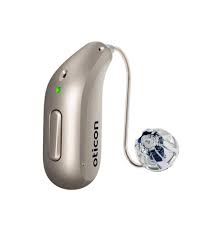
Oticon Intent 2 RIC / BTE

Last Updated on 8th May 2026 by Dane Lozano

The Oticon Intent 2 is an advanced-level model in the Oticon Intent hearing aid range, designed to provide excellent speech clarity, natural environmental awareness, and personalised hearing support in everyday situations. Using Oticon’s groundbreaking 4D Sensor technology and BrainHearing philosophy, Intent 2 intelligently adapts to the user’s listening focus and surroundings to improve speech understanding while maintaining a realistic sound experience.

Designed for users who want premium hearing technology without moving to the top-tier Intent 1 level, Intent 2 combines AI-driven sound processing, rechargeable convenience, Bluetooth streaming, and real-time environmental adaptation in a discreet miniRITE design.

Price: From approximately 1,795.00 per aid depending on fitting package and accessories.


What Is the Oticon Intent 2?

The Oticon Intent 2 is the second-highest technology level in the Oticon Intent family. It uses advanced AI sound processing and 4D Sensor technology to analyse:

  • Head movement
  • Body movement
  • Conversation activity
  • Environmental sound conditions

This allows the hearing aids to automatically adapt hearing support based on the wearer’s listening intentions and surroundings.

Intent 2 is designed to provide strong performance in daily listening environments such as restaurants, meetings, workspaces, family gatherings, and public settings while preserving natural environmental sound awareness.


Key Features of Oticon Intent 2

4D Sensor Technology

Oticon Intent 2 continuously tracks movement and listening behaviour to optimise hearing support in real time for clearer conversations and improved listening comfort.

BrainHearing Technology

Oticon’s BrainHearing platform supports how the brain naturally processes sound, helping reduce listening effort and improve overall hearing comfort.

Advanced AI Sound Processing

Intent 2 uses deep neural network technology trained on millions of real-world sounds to improve speech understanding while maintaining balanced sound quality.

Strong Speech Clarity in Noise

The Intent 2 level delivers advanced speech enhancement and environmental balancing for users who regularly encounter moderate to busy listening situations.

Rechargeable miniRITE Design

The discreet rechargeable miniRITE design offers comfortable all-day wear with dependable battery performance.

Bluetooth LE Audio & Auracast

Users can stream phone calls, music, television audio, and media directly from compatible devices while supporting next-generation Auracast technology.

Hands-Free Calling

Compatible smartphones can support hands-free calling directly through the hearing aids for added convenience.

Oticon Companion App

The Companion app allows users to personalise listening programs, adjust settings, and access remote support features.


Benefits of Oticon Intent 2 Hearing Aids

Clear Speech in Everyday Noise

Intent 2 is designed to improve speech understanding in restaurants, workplaces, meetings, and social environments.

Intelligent Personalised Hearing Support

The 4D Sensor system automatically adjusts hearing support based on the user’s focus and movement throughout the day.

Reduced Listening Fatigue

BrainHearing technology helps reduce mental strain by presenting sound in a balanced and natural way.

Natural Environmental Awareness

Intent 2 maintains awareness of surrounding sounds instead of aggressively isolating speech.

Strong Streaming & Connectivity

Bluetooth LE Audio and Auracast provide reliable streaming performance for calls, music, and public audio broadcasts.

Comfortable Everyday Wear

The lightweight miniRITE design supports discreet and comfortable long-term use.


Real User Feedback

Many users praise Oticon Intent hearing aids for their natural sound quality and automatic environmental adaptation. Some users report that Intent 2 provides an excellent balance between premium performance and affordability compared to the flagship Intent 1 model.

Users often appreciate the smooth sound transitions and realistic environmental awareness, while some note that personalised fitting adjustments may improve performance in more complex noisy situations.


Who Is the Oticon Intent 2 Best For?

Oticon Intent 2 may be ideal for:

  • Users wanting advanced hearing technology at a lower price than Intent 1
  • Adults who regularly encounter moderate noisy environments
  • People wanting rechargeable Bluetooth hearing aids
  • Users prioritising natural sound quality and speech clarity
  • Individuals seeking AI-powered hearing support for everyday life

Oticon Intent 2 Summary

The Oticon Intent 2 combines advanced AI sound processing, intelligent 4D Sensor technology, and BrainHearing support to deliver excellent speech clarity and personalised hearing performance in daily life. Designed for users who want premium hearing support with strong value and modern connectivity, Intent 2 offers a balanced combination of speech enhancement, environmental awareness, and rechargeable convenience.

Categories
Hearing Devices Science & Technology

Starkey Omega AI 16 CIC

Last Updated on 7th May 2026 by Dane Lozano

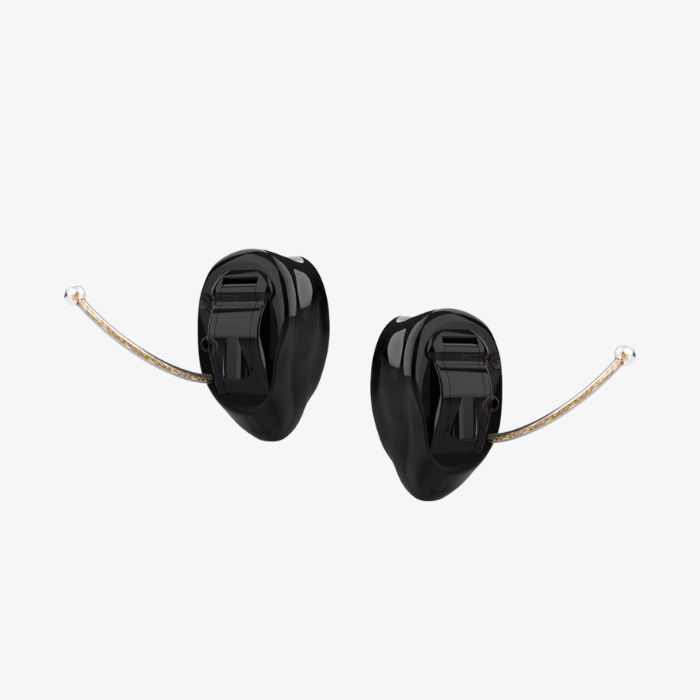
The Starkey Omega AI 16 CIC is designed for people who want reliable, modern hearing support in a discreet and comfortable custom-fit hearing aid. This Completely-In-Canal (CIC) model uses advanced AI sound processing to improve speech clarity, reduce background noise, and automatically adapt to everyday listening environments, all in a nearly invisible design that sits comfortably inside the ear canal.

Price: From approximately 1,495.00 per aid (may vary depending on clinic and fitting package)


What Is the Starkey Omega AI 16 CIC?

The Starkey Omega AI 16 CIC is a custom-made hearing aid powered by Starkey’s Omega AI platform. It is designed to support clearer hearing in everyday situations by automatically adjusting to changing sound environments using artificial intelligence.

Its compact CIC design makes it a great option for users who want a discreet hearing solution while still benefiting from modern digital hearing aid technology.


Key Features of Starkey Omega AI 16 CIC

Advanced AI Sound Processing

The Omega AI 16 CIC uses intelligent sound analysis to adjust automatically to your environment, helping improve speech clarity while reducing unwanted background noise.

Speech Enhancement Technology

The hearing aid focuses on making conversations clearer, especially in quiet to moderately noisy environments such as home settings, small gatherings, and casual social interactions.

Background Noise Reduction

Smart processing helps minimise distracting environmental sounds so listening feels more natural and comfortable throughout the day.

Discreet Completely-In-Canal Design

The CIC style sits deep inside the ear canal, making it one of the most discreet hearing aid options available while still delivering strong sound performance.

Custom-Fit Comfort

Each device is individually moulded to the wearer’s ear shape for a secure fit, improved comfort, and consistent sound quality.

Smartphone App Compatibility

Users can adjust volume, switch programs, and access support through the My Starkey app for added convenience and control.

Edge Mode+ Technology

Edge Mode+ provides quick sound optimisation for more challenging listening situations, helping improve speech clarity when background noise increases.

Reliable Everyday Performance

The Omega AI 16 CIC is designed for dependable daily use, offering essential AI features at a more accessible technology level compared to higher-tier models.


Benefits of Starkey Omega AI 16 CIC Hearing Aids

Clearer Everyday Hearing

AI-powered processing helps improve speech understanding in both quiet and moderately noisy environments.

Reduced Listening Effort

Automatic sound adjustments help reduce strain, making conversations easier to follow throughout the day.

Discreet and Nearly Invisible

Many users choose CIC hearing aids for their low-profile design, making them ideal for discreet wear.

Comfortable Long-Term Wear

The custom-fit shell ensures stable and comfortable use throughout the day.

Improved Confidence in Social Situations

Better hearing clarity helps users feel more confident during conversations and daily interactions.

Easy Personalisation

The My Starkey app allows users to fine-tune their hearing experience without frequent clinic visits.


Who Is the Starkey Omega AI 16 CIC Best For?

The Starkey Omega AI 16 CIC may be suitable for:

  • Adults looking for discreet hearing aids
  • People with mild to moderate hearing loss
  • Users who mostly experience quiet or less complex listening environments
  • Individuals wanting essential AI hearing support at a lower price point
  • Wearers who prefer custom-fit, nearly invisible hearing aids

Starkey Omega AI 16 CIC Summary

The Starkey Omega AI 16 CIC combines discreet design, intelligent sound processing, and everyday reliability in a compact hearing aid solution. With AI-driven speech enhancement, background noise reduction, and smartphone compatibility, it provides a practical and comfortable option for users who want modern hearing technology in a more accessible tier.

Categories
Hearing Devices Science & Technology

Starkey Omega AI 24 CIC

Last Updated on 7th May 2026 by Dane Lozano

Starkey Omega AI 24 CIC Hearing Aids

The Starkey Omega AI 24 CIC is designed for people who want premium hearing technology in a discreet, custom-fit device. Sitting comfortably inside the ear canal, this Completely-In-Canal (CIC) hearing aid combines advanced AI-driven sound processing with a nearly invisible design for all-day confidence and clearer hearing in challenging environments.

What Is the Starkey Omega AI 24 CIC?

The Starkey Omega AI 24 CIC is a custom-molded hearing aid powered by Starkey’s latest artificial intelligence platform and G3 Neuro Processor technology. It uses an always-on Deep Neural Network (DNN) to improve speech clarity while reducing unwanted background noise in real time.

Unlike larger hearing aids, the CIC style fits deeper inside the ear canal, making it one of the most discreet hearing aid options available.

Key Features of Starkey Omega AI 24 CIC

Advanced AI Sound Processing

The Omega AI 24 CIC continuously analyzes your listening environment and automatically adjusts settings to help you hear conversations more clearly. Starkey’s AI technology is designed to mimic the brain’s auditory cortex for more natural sound processing.

Deep Neural Network (DNN) Technology

The built-in DNN system helps separate speech from noise in busy places such as restaurants, cafes, family gatherings, and shopping centres. This reduces listening fatigue and improves speech understanding throughout the day.

Discreet CIC Design

The Completely-In-Canal design makes the hearing aid highly discreet and comfortable for many users. Because it sits inside the ear canal, it is less noticeable than traditional behind-the-ear hearing aids.

Custom-Fit Comfort

Each Omega AI 24 CIC hearing aid is custom-made from impressions of your ears for a secure and personalised fit. This helps improve comfort, sound quality, and retention.

Wireless Connectivity

The device supports wireless features and compatibility with Starkey accessories, including remote microphones and TV streamers.

My Starkey App Compatibility

Users can control volume, adjust programs, locate misplaced hearing aids, and access remote support through the My Starkey app.

Edge Mode+ Optimisation

Starkey’s Edge Mode+ uses AI to optimize hearing performance in difficult listening environments with a simple activation. This feature helps improve speech understanding when background noise becomes challenging.

Multiple Technology Levels

The Omega AI CIC is available in several technology tiers, including 24, 20, and 16. The 24 level provides the most advanced speech enhancement and noise management features.

Benefits of Starkey Omega AI 24 CIC Hearing Aids

Better Speech Clarity in Noise

One of the biggest benefits of the Omega AI 24 CIC is improved conversation understanding in noisy settings. The AI processing works continuously to reduce distractions and focus on speech. Starkey reports improved speech identification compared to previous generations.

Reduced Listening Fatigue

Listening effort can become exhausting for people with hearing loss. The Omega AI platform is designed to reduce strain and make listening feel more natural throughout the day.

More Natural Hearing Experience

The custom CIC design uses the ear’s natural shape to help deliver a more realistic listening experience while maintaining discreet visibility.

Increased Confidence in Social Situations

Many wearers prefer CIC hearing aids because they are difficult to notice. This can help users feel more comfortable in work, social, and family environments.

Convenient Smartphone Control

The My Starkey app gives users more control without needing to visit the clinic for every adjustment. Remote support features can also make follow-up care easier.

Suitable for Active Lifestyles

The compact design and advanced processing make the Omega AI 24 CIC a strong option for people who want discreet hearing support while staying active and socially engaged.

Real-World User Feedback

Some users report excellent speech clarity and strong noise reduction performance, especially in conversations. Others note that the AI processing can initially feel aggressive until settings are adjusted by an audiologist. Many users recommend working closely with a hearing care professional to personalise the programming for the most natural experience.

Who Is the Starkey Omega AI 24 CIC Best For?

The Starkey Omega AI 24 CIC may be ideal for:

  • Adults seeking discreet hearing aids
  • People with mild to severe hearing loss
  • Users who frequently struggle in noisy environments
  • Those wanting advanced AI hearing technology
  • Wearers looking for smartphone app control and wireless accessories

Starkey Omega AI 24 CIC Summary

The Starkey Omega AI 24 CIC combines discreet styling with advanced AI-driven hearing technology. With features such as Deep Neural Network processing, speech enhancement, Edge Mode+, and app connectivity, it is designed to deliver clearer conversations and reduced listening fatigue in everyday life.

For users who want premium custom hearing aids with advanced noise management and a nearly invisible appearance, the Omega AI 24 CIC is one of Starkey’s most advanced solutions available today.

Categories
Health & Wellness Hearing Devices

Hearing Aid Selection: Your Essential Guide Explained

Last Updated on 15/04/2025 by Admin

Identify and Understand Your Individual Hearing Requirements

Conduct an In-Depth Evaluation of Your Hearing Loss

A critical initial step in selecting the perfect hearing aid that suits your individual circumstances is undergoing a professional hearing evaluation. This essential assessment will effectively identify the precise type and degree of your hearing loss, offering invaluable insights into your specific auditory challenges. Hearing loss can manifest in various levels, from mild to profound, making it crucial to comprehend the complexities of your unique situation prior to making any decisions regarding hearing assistance.

Modern audiologists utilise advanced technology to accurately assess your hearing capabilities. These evaluations typically incorporate listening tests across a range of tones and frequencies, enabling you to gauge your ability to perceive sounds at differing volume levels. If you struggle to hear softer whispers, consonant sounds, or high-frequency tones, these indicators may imply a requirement for hearing support.

Beyond formal testing, employing self-assessment tools, such as questionnaires centred on your daily experiences and challenges, can significantly enhance the evaluation process. This holistic approach will assist in refining your selection process, guaranteeing you select a device that aligns seamlessly with your specific hearing needs.

The results derived from your hearing test will categorise your hearing loss into distinct types: conductive, sensorineural, or mixed. Each category requires unique technological solutions and support. Therefore, understanding the specificities of your hearing loss empowers you to make well-informed choices regarding the selection of your hearing aid.

Assess Your Lifestyle Factors for Optimal Hearing Aid Selection

As you navigate the intricate journey of selecting the ideal hearing aid, evaluating your lifestyle is of paramount importance. Reflect on your daily activities, environments, and social interactions. For example, if you frequently find yourself in lively settings, such as crowded cafés or bustling urban streets, features like noise cancellation and directional microphones become essential for an enriching auditory experience.

Your professional life can also greatly impact your hearing aid requirements. If your role involves a dynamic environment or necessitates constant verbal communication, prioritising models equipped with clarity-enhancing features is advisable. Conversely, if you primarily find yourself in quieter home environments, a more basic hearing aid model may adequately fulfil your needs without overwhelming features.

Additionally, consider your hobbies and social preferences. Do you enjoy participating in group activities, public speaking, or attending concerts? Based on your interests, you might require hearing aids with advanced connectivity options, such as Bluetooth, to stream audio from various devices or connect to public sound systems.

Recognising these lifestyle factors is essential. They not only shape the features you seek in hearing aids but also enhance your overall quality of life by ensuring you remain engaged and connected with your surroundings.

Partner with a Professional Hearing Care Specialist

To expertly navigate the complexities of choosing the right hearing aid, seeking the guidance of a qualified hearing care professional can provide invaluable insights. These specialists offer personalised recommendations tailored to your specific hearing needs, empowering you to make informed choices that best suit your lifestyle.

A specialist will commence the process with a comprehensive evaluation, taking into account your previous test results and lifestyle factors. They can elucidate the various technologies available, helping you understand the advantages of different hearing aids in relation to your specific type of hearing loss.

Moreover, the ongoing support provided by a specialist may encompass counselling about adapting to new hearing aids, maintenance advice, and troubleshooting assistance. This collaborative relationship is particularly beneficial for first-time users, who may feel overwhelmed by the myriad choices present in today’s market.

Regular check-ins with your hearing care professional are essential for implementing future adjustments. Hearing loss can change over time, and having a trusted specialist to assist with these modifications is critical for maintaining optimal hearing health over the long term.

Thoroughly Assess Hearing Aid Technology Options Available

The field of hearing aids is abundant with technological innovations, and carefully evaluating these options is a pivotal factor in selecting the right hearing aid for your needs. Hearing aids have progressed beyond simple devices, evolving into sophisticated technologies designed to significantly enhance your auditory experience.

From basic analogue models to cutting-edge digital solutions, the level of technology directly impacts performance. Digital hearing aids offer greater customisation possibilities, including programmable settings that can be tailored for different environments. This adaptability ensures users derive maximum benefit from their devices in a variety of situations.

Features such as noise reduction, feedback cancellation, and Bluetooth connectivity can dramatically improve your overall auditory experience. For instance, Bluetooth-enabled hearing aids can stream music directly from your smartphone, creating a seamless and enjoyable listening experience.

In addition to performance enhancements, the aesthetics of hearing aids have also improved significantly. Streamlined designs and a variety of colour options are available, appealing to those who value style alongside functionality.

Ultimately, your selection should strike a harmonious balance between cutting-edge technology and your personal preferences, resulting in a hearing aid that elevates your listening experience while seamlessly integrating into your lifestyle.

Discover the Various Types of Hearing Aids Available

Versatile Behind-the-Ear (BTE) Hearing Aid Models

When exploring your options, Behind-the-Ear (BTE) hearing aids emerge as a versatile choice for individuals across all age groups. Their design features a compact case that rests behind the ear, connected to an earpiece via a slender tube. This style is particularly favoured due to its durability and the extensive array of technological features it offers.

BTE models cater to varying degrees of hearing loss, from mild to profound. Their larger structure allows for enhanced amplification and superior sound quality, making them ideal for users requiring substantial auditory support. Furthermore, the extended battery life of BTE hearing aids reduces the frequency of changes, providing added convenience for users.

The open-fit design of certain BTE models allows natural sound to enter the ear canal, which can be advantageous for individuals with mild to moderate hearing loss who desire to retain some ambient sound perception.

Importantly, BTE hearing aids often come equipped with advanced technologies, including noise reduction and directional microphones, which enhance speech clarity in noisy environments. This feature is particularly beneficial for users frequently engaged in social situations or group conversations.

For those concerned about visibility, modern designs are sleek and discreet, blending seamlessly with various skin tones. The adaptability of BTE models makes them a preferred choice worldwide, meeting a diverse range of user needs.

Custom-Fit In-the-Ear (ITE) Hearing Aid Models

In-the-Ear (ITE) hearing aids provide a custom fit that conforms to the unique shape of your ear, delivering exceptional comfort and superior sound quality. These devices fit entirely within the outer ear, making them less obtrusive than traditional BTE models while maintaining outstanding functionality.

One of the standout advantages of ITE models is their ease of handling, particularly for individuals with dexterity challenges. These aids are often equipped with features such as directional microphones and volume control, empowering users to adjust their experience according to their immediate surroundings effortlessly.

ITE devices accommodate a broad spectrum of hearing loss levels, rendering them versatile. They deliver enhanced sound amplification and are particularly efficient in moderately loud environments, such as social gatherings or public events.

Additionally, contemporary ITE models incorporate advanced technology that can automatically adjust settings based on the user’s environment. This intelligent functionality simplifies the listening experience, ensuring clarity, regardless of background noise.

For users who prioritise aesthetics, ITE hearing aids come in a variety of colours and styles, ensuring they can find a design that aligns with their personal preferences. The fusion of comfort, performance, and style makes ITE models an attractive option for many individuals.

Nearly Invisible Completely-in-Canal (CIC) Hearing Aid Models

For those in search of a discreet hearing solution, Completely-in-Canal (CIC) hearing aids are nearly invisible and ideal for individuals experiencing mild to moderate hearing loss. These aids fit snugly within the ear canal, making them an excellent choice for users who prioritise aesthetics without sacrificing functionality.

CIC hearing aids benefit from their compact design, which facilitates a more natural perception of sound. However, this smaller size does present challenges regarding battery size and available features; they typically offer fewer advanced functions than larger models. Nevertheless, advancements in technology have enabled manufacturers to incorporate features like noise reduction and feedback cancellation without compromising on size.

Users often appreciate the comfort of CIC models, as their custom fit can prevent the discomfort sometimes associated with bulkier hearing aids. Importantly, they are less susceptible to wind noise, a common issue that can detract from the listening experience.

While CIC hearing aids may not be suitable for every type of hearing loss, they serve as an excellent option for those desiring a subtle, effective hearing solution. The minimal visibility and comfort provided make them a popular choice for many individuals around the globe.

Key Features to Consider When Choosing Hearing Aids

Cutting-Edge Noise Reduction Technology

Navigating through bustling environments can pose challenges for individuals with hearing loss. This is where cutting-edge noise reduction technology becomes invaluable when assessing how to select the right hearing aid. Noise reduction features enable users to concentrate on conversations while minimising background disturbances.

Numerous modern hearing aids utilise multiple microphones to differentiate between background noise and speech. This advanced technology isolates the sounds you wish to hear while suppressing unwanted noise, thereby enhancing overall clarity. In crowded settings—such as restaurants or social gatherings—this feature proves indispensable, allowing for meaningful interactions without the annoyance of overwhelming sounds.

Some devices offer adaptive noise cancellation, which automatically adjusts settings based on the surrounding environment. For instance, if you transition from a quiet room to a bustling street, the hearing aid will recognise the change and optimise its settings accordingly. This adaptability ensures users enjoy a seamless listening experience, regardless of their location.

When evaluating noise reduction technology, seek devices that provide customisable settings. This feature allows you to personalise the sound profile to your preferences, ensuring that your hearing aids operate at their best for your unique auditory experiences.

Ultimately, advanced noise reduction technology not only enhances sound quality but significantly contributes to improved social interactions, empowering users to engage more fully with the world around them.

Directional Microphones: Elevating Your Listening Experience

In the pursuit of identifying the ideal hearing aid, the inclusion of directional microphones is a feature that deserves considerable attention. These microphones are engineered to focus on sounds emanating from a specific direction—typically from the front—making them particularly advantageous in social settings.

Directional microphones excel in environments where background noise can be overwhelming, such as crowded restaurants or public spaces. By isolating speech from surrounding sounds, users can participate in conversations with greater ease, alleviating the strain often associated with competing noises. This technology fosters a more natural listening experience, enabling individuals to engage socially without feeling distanced from the conversation.

Some models provide different directional settings, allowing you to adjust the focus based on your surroundings. For instance, in a group setting, you may prefer a setting that amplifies voices directly in front of you, while a more open setting could work better for one-on-one discussions in quieter areas.

The effectiveness of directional microphones can significantly influence your quality of life, enhancing communication and diminishing the fatigue commonly experienced by individuals with hearing loss. When evaluating potential hearing aids, ensure this feature is included in the model you consider, as it plays a crucial role in fostering social engagement and overall satisfaction.

The Convenience of Rechargeable Batteries in Hearing Aids

When exploring essential features in hearing aids, considering models equipped with rechargeable batteries could revolutionise your experience in selecting the right hearing aid for you. These devices offer unparalleled convenience, eliminating the hassle of frequently replacing disposable batteries—a task that can be cumbersome and costly over time.

Rechargeable hearing aids have made significant strides in technology. Many now boast extended battery life, capable of lasting an entire day on a single charge. This advancement not only enhances user experience but also minimises the environmental impact associated with disposable batteries.

Some models come with portable charging cases, allowing for quick top-ups throughout the day. This is especially beneficial for individuals who are often on the go, ensuring their hearing aids remain operational without interruption.

Additionally, manufacturers have developed fast-charging capabilities, enabling users to recharge their devices in less than an hour. This feature is particularly critical for those who might forget to charge their hearing aids overnight and require a quick solution during the day.

In summary, the shift towards rechargeable batteries reflects a growing trend in the industry aimed at enhancing user convenience and sustainability. When evaluating hearing aids, consider this feature, as it significantly simplifies day-to-day use.

Prioritise Comfort and Fit in Hearing Aids

Choosing Between Custom and Standard Sizing Options

The significance of comfort cannot be overstated when selecting a hearing aid, making the decision between custom and standard sizing a crucial factor in choosing the right hearing aid for you. Custom hearing aids are moulded to fit the distinctive contours of your ear, providing a snug and comfortable fit. This personalised touch enhances the overall wearing experience and can improve sound quality since the aids sit optimally within the ear canal.

Conversely, standard-sized models are often more budget-friendly and can serve as an excellent starting point for those new to hearing aids. While they may not offer the same level of customisation as bespoke models, advancements in design mean they come with a variety of sizes and styles that cater to different ear shapes.

Choosing between custom and standard options often hinges on individual preferences and budget considerations. For users who regularly wear their hearing aids for extended periods, investing in custom models may be advantageous, as they can help prevent discomfort and ear fatigue.

On the other hand, if you are still exploring hearing aids and are uncertain of your long-term needs, standard models provide a practical solution while allowing you to evaluate your preferences without significant financial commitments.

Ultimately, the objective is to find a hearing aid that fits comfortably while delivering outstanding audio performance, ensuring you can fully engage in your daily activities.

Material and Design Considerations for Hearing Aids

Selecting the appropriate material for your hearing aid can significantly influence your comfort and durability. Opting for devices made from hypoallergenic materials is essential in selecting the right hearing aid, especially for individuals with sensitive skin or allergies.

Modern hearing aids are crafted from a variety of materials, including soft silicone and durable plastics. These materials not only enhance comfort but also offer moisture and sweat resistance, which is crucial for those living in humid conditions or leading active lifestyles.

The design of hearing aids has also evolved significantly, with sleek, modern aesthetics gaining popularity. A range of colours is available to match skin tones or personal style preferences, helping users feel more confident in their devices.

The shape of the hearing aid is equally essential. Smaller, more discreet designs like CIC models may appeal to individuals seeking a low-profile solution, while larger models might offer more features and capabilities.

Ultimately, the combination of material and design should prioritise comfort, functionality, and personal expression, ensuring that users can enjoy their hearing aids without compromise.

The Importance of Trial Periods for Hearing Aids

Engaging in a trial period is a critical component of ensuring you’ve selected the right hearing aid for your unique needs. Many providers offer trial periods, allowing users to evaluate comfort and overall performance prior to making a final purchase. This trial phase is immensely beneficial as it delivers firsthand insight into how the hearing aid integrates into your daily life.

During this trial period, pay close attention to how the device performs in various environments. Are there any discomforts? Is the sound quality satisfactory? This phase is an opportunity to test features such as noise reduction and directional microphones in real-world situations, providing you with crucial insights into how well the hearing aid meets your auditory needs.

Additionally, take advantage of the opportunity to consult with your hearing care professional throughout the trial. They can assist you in adjusting settings and troubleshooting any issues, ensuring you gain maximum benefit from your trial experience.

Being proactive during the trial period can ultimately lead to discovering a hearing aid that significantly enhances your quality of life. Don’t hesitate to ask questions or voice concerns; this feedback is vital in making an informed decision.

Stay Informed on Technological Advancements in Hearing Aids

The Transformative Impact of Bluetooth Connectivity in Hearing Aids

The emergence of Bluetooth connectivity in hearing aids signifies a transformative shift in selecting the right hearing aid for your needs. This feature facilitates direct audio streaming from smartphones, tablets, and other devices, greatly enhancing the listening experience in ways previously unimagined.

Imagine attending a presentation where you can stream the speaker’s voice directly into your hearing aids, effectively eliminating background noise and distractions. This capability goes beyond mere convenience; it substantially improves clarity and comprehension in various contexts, whether at work or during social interactions.

Many modern hearing aids also support phone calls, music, and even television audio streaming. This versatility enriches your daily experience, allowing you to enjoy your favourite songs or participate in conversations without the need for additional devices.

Moreover, Bluetooth connectivity enables the use of smartphone applications to control various settings on your hearing aids. Users can adjust volume levels, switch listening programs, and even monitor battery life directly from their smartphones. This level of user control enhances satisfaction, making hearing aids feel more integrated into everyday life.

As technology continues to advance, the potential for innovation in hearing aids expands. Bluetooth connectivity represents just one facet of this evolution, significantly enhancing the overall user experience.

The Revolutionary Role of Artificial Intelligence in Hearing Aids

Artificial Intelligence (AI) is revolutionising the hearing aid industry, playing a significant role in selecting the right hearing aid for you. Smart hearing aids utilise AI algorithms to automatically adapt to different listening environments, providing a seamless auditory experience tailored to individual needs.

AI personalises the listening experience by learning from user preferences and behaviours. For instance, if you frequently adjust your settings for quieter environments, the hearing aid can recognise this pattern and automatically adjust itself in similar situations without requiring your intervention.

This technology also improves sound clarity by differentiating between speech and background noise, ensuring that users can focus on conversations even in noisy settings. By analysing the auditory landscape, AI-equipped hearing aids significantly alleviate the cognitive load often associated with hearing loss.

Furthermore, AI in hearing aids can offer insights into user habits and preferences, allowing for better customisation and ongoing enhancements. This adaptability means users can enjoy a more tailored experience, resulting in increased satisfaction and usability.

As AI technology continues to develop, its integration into hearing aids is likely to become even more sophisticated, offering additional features to enhance the overall hearing experience.

Benefits of Telecoil Compatibility in Hearing Aids

For individuals who frequently engage in public spaces, telecoil compatibility is an advantageous feature to consider when evaluating how to select the right hearing aid. Telecoils are small copper coils embedded within hearing aids, designed to capture signals from teleloop systems commonly found in theatres, churches, and other public venues.

Utilising a telecoil can significantly enhance sound quality in these environments, as it connects directly to the sound system, minimising background noise and providing a clearer listening experience. This feature can enrich engagement in social and cultural events, making it easier to follow conversations or presentations.

When considering telecoil compatibility, it’s also essential to check for the presence of teleloop systems in your locality. Many public venues are gradually adopting this technology, enhancing accessibility for individuals with hearing aids.

Additionally, telecoils can also improve phone conversations, allowing users to connect directly to landline phones equipped with telecoil technology. This direct connection reduces interference and enhances sound quality, making phone calls more manageable and enjoyable.

In conclusion, telecoil compatibility is a vital feature for users who frequently attend public events, ensuring they can fully engage with their environment and experience rich auditory interactions.

Enhancing Hearing Aid Functionality with Smartphone Apps

The rise of smartphone applications has significantly improved user interaction with hearing aids, making them a crucial element in selecting the right hearing aid for you. Many modern hearing aids are compatible with dedicated apps that enable users to effortlessly control and customise their devices.

These applications often provide a user-friendly interface, allowing adjustments to volume, sound profiles, and environmental settings directly from your smartphone. This convenience ensures immediate access to customisation options without needing to fumble with small buttons on the hearing aid itself.

Some apps also offer additional functionalities, such as tracking hearing aid performance, monitoring battery life, and providing real-time feedback regarding sound quality. This level of engagement empowers users, enabling them to take control of their hearing experience.

Moreover, the capability to save personalised settings for various environments—such as restaurants, concerts, or quiet spaces—streamlines transitions between different listening scenarios. This feature helps ensure optimal performance and comfort across diverse settings.

As technology advances, the integration of smartphone apps into the hearing aid experience will likely continue to expand, offering even more functionalities to enhance overall user satisfaction.

Understanding Costs and Insurance for Hearing Aids

Comprehending the Factors Influencing Price Ranges

When selecting hearing aids, grasping the price range is vital in choosing the right hearing aid for you. Hearing aids can vary dramatically in cost, influenced by technology levels, brands, and features.

Basic models may be available at a lower price point, but these often lack advanced features that enhance the user experience—such as noise reduction, Bluetooth connectivity, or automatic adjustments. Conversely, premium models boasting the latest technology can reach several thousand pounds.

Establishing your budget is essential before delving into the selection process. Consider not only the initial purchase cost but also potential ongoing expenses, including maintenance, batteries, and follow-up appointments with hearing care providers.

Many providers offer payment plans or financing options to make these devices more accessible. It’s crucial to explore these options, especially if you find a model that meets your needs but exceeds your budget.

Ultimately, investing in quality hearing aids can significantly enhance your quality of life, making it an essential consideration for those navigating hearing loss.

Navigating Insurance Coverage for Hearing Aids

Understanding insurance coverage can be a central aspect of determining how to pick the right hearing aid for you. Unfortunately, in many regions, hearing aids are often not fully covered by health insurance plans. It’s essential to carefully review the specifics of your policy, as coverage can vary widely.

Some plans may provide partial reimbursement for hearing aids, while others might cover audiological evaluations and follow-up appointments without covering the devices themselves. Familiarising yourself with your insurance benefits can help you budget effectively and minimise out-of-pocket expenses.

In some countries, government programmes or initiatives exist to assist with the financial burden of obtaining hearing aids. Researching local support services and governmental programmes can yield valuable resources to help alleviate costs.

If you discover that your insurance coverage is limited, consider discussing alternative options with your hearing care professional. Some manufacturers may provide discounts or financing plans to help make hearing aids more affordable for users.

Navigating insurance can be complex, but being informed will empower you to make decisions that align with both your financial situation and hearing needs.

Exploring Financing Options for Hearing Aids

Investigating financing options can greatly facilitate affording hearing aids, enhancing your experience of selecting the right hearing aid for you. Numerous providers offer flexible payment plans that allow you to distribute the cost over time, making these essential devices more accessible.

Consider discussing payment plans directly with your audiologist or hearing aid provider. They may have partnerships with financial institutions that offer low-interest options specifically for healthcare-related purchases.

Some manufacturers also have special financing programmes, allowing you to make manageable monthly payments while still receiving your hearing aids upfront. These arrangements can alleviate financial strain and help you prioritise your auditory health without sacrificing quality or options.

Additionally, you might want to explore health savings accounts (HSAs) or flexible spending accounts (FSAs) if your employer provides them. These accounts allow you to allocate pre-tax pounds for medical expenses, including hearing aids, further reducing your overall costs.

Ultimately, exploring and utilising financing options can assist you in securing the best hearing aids for your needs without enduring undue financial hardship.

Maintenance and Care for Your Hearing Aids

Effective Techniques for Cleaning and Storing Hearing Aids

Proper maintenance and care are crucial for extending the lifespan and optimising the performance of your hearing aids. As you contemplate how to select the right hearing aid, remember that cleaning and storage practices play a significant role in ensuring ongoing functionality.

Begin with consistent cleaning routines. Use a soft, dry cloth to wipe down the exterior of the hearing aids each day. This simple practice helps eliminate dust, moisture, and earwax accumulation, all of which can hinder sound quality.

Many models include specific cleaning tools and kits to assist with maintaining the delicate components of your devices. Familiarise yourself with the recommended cleaning techniques for your specific model, as requirements may vary.

For storage, be sure to keep your hearing aids in a cool, dry place when not in use. Avoid leaving them in hot environments, such as a car, which can damage the electronic components. Utilising a protective case can also prevent accidental damage and keep your devices safe.

Integrating these cleaning and storage best practices into your routine will not only enhance the performance of your hearing aids but also prolong their lifespan, ensuring you enjoy quality sound for years to come.

Understanding Warranty and Repair Options for Hearing Aids

Familiarising yourself with the warranty and repair options provided by your hearing aid manufacturer is essential in choosing the right hearing aid for you. Most reputable brands offer warranties that cover defects in materials and workmanship, typically ranging from one to three years.

Take the time to review the warranty policy thoroughly. Some warranties may also encompass additional services, such as loss or damage coverage, while others may solely cover repairs. Knowing what is included will help you make a more informed purchasing decision.

If your hearing aids require repairs, it’s essential to understand the process. Generally, you will need to return your device to the manufacturer or your hearing care professional for servicing. Turnaround time can vary, so inquire about estimated repair durations to understand how long you might be without your device.

Additionally, ask about the availability of loaner devices while your hearing aids are undergoing repairs. Some providers may offer this service, allowing you to maintain your auditory experience during the repair process.

Ultimately, awareness of warranty details and repair services can provide peace of mind, ensuring that you can address any issues promptly and effectively.

Efficient Battery Management Strategies for Hearing Aids

Effective battery management is essential for maintaining optimal performance in hearing aids, making it a key consideration in selecting the right hearing aid for you. Understanding how to properly manage and replace batteries can significantly impact your overall experience.

For traditional battery-operated devices, familiarise yourself with the size and type required. Most hearing aids utilise either zinc-air batteries or lithium batteries, which necessitate different handling techniques. Regularly check the battery life, as depleted batteries can detract from sound quality and overall performance.

A battery tester can be a helpful tool for monitoring battery health. Knowing when to replace batteries can prevent inconvenient situations where your hearing aids suddenly stop functioning due to low power.

If you choose rechargeable models, establish a routine for charging them. Many devices can be charged overnight, but understanding the specific charging times for your model is vital. Quick charge options are available in modern hearing aids, ensuring you can replenish batteries during short breaks.

Effective battery management not only ensures the longevity of your devices but also enhances user satisfaction by minimising disruptions to your hearing experience.

Understanding User Preferences in Hearing Aids

Customisation of User Preferences in Hearing Aids

The ability to customise user preferences in hearing aids is a crucial consideration when exploring how to select the right hearing aid. Many modern devices allow users to tailor their settings to align with their unique listening preferences and lifestyles, substantially enhancing enjoyment and satisfaction.

Considerations for user preferences can range from sound profiles to notification settings. For example, users may have the opportunity to adjust treble and bass levels, modify noise cancellation settings, or even choose directional microphone preferences based on their environment.

Additionally, some hearing aids come equipped with the ability to set specific profiles for different activities—like watching television, attending social gatherings, or participating in outdoor events. This feature allows for seamless transitions without the need for constant manual adjustments.

The integration of smartphone apps further enhances user preferences. Through these applications, users can control their hearing aids remotely, making adjustments on the fly without needing to manipulate small buttons or switches on the device itself.

The importance of user preferences cannot be understated. A hearing aid that aligns with your individual needs and preferences will significantly improve your auditory experience, ensuring you can engage more fully with the world around you.

Your Hearing Aid Questions Answered: FAQs

What are the best hearing aids for severe hearing loss?

For severe hearing loss, Behind-the-Ear (BTE) models are often the best choice due to their powerful amplification capabilities and advanced features. Consulting with a hearing specialist can help tailor recommendations to your specific needs and preferences.

How do I know if I need a hearing aid?

If you experience difficulty hearing conversations, frequently ask people to repeat themselves, or struggle to follow dialogues in noisy environments, it may be time to consult a hearing professional for assessment and possible hearing aid recommendations tailored to your needs.

Are hearing aids covered by insurance?

Coverage for hearing aids can vary widely depending on your health insurance plan. Some providers offer partial reimbursement, while others may not cover hearing aids at all. Always verify the specifics of your policy for details to ensure you understand your coverage options.

How long do hearing aid batteries last?

The lifespan of hearing aid batteries depends on usage and the type of battery. Traditional zinc-air batteries typically last between 5 to 14 days, while rechargeable batteries can last up to several years with proper care and maintenance.

Can I wear hearing aids if I have a lot of earwax?

Excessive earwax can obstruct sound quality and potentially damage hearing aids. Regular cleaning and maintenance can help manage this issue, but you should consult a healthcare professional if earwax buildup becomes a concern.

How often should I have my hearing aids checked?

It’s recommended to have your hearing aids evaluated at least once a year by a hearing care professional. Regular check-ups ensure optimal performance and allow for necessary adjustments based on your evolving hearing needs.

What is the average cost of hearing aids?

The average cost of hearing aids can range from £1,000 to £4,000 per device, depending on features, technology, and brand. It’s important to consider both initial and ongoing expenses when budgeting for your hearing needs.

How do I clean my hearing aids?

Regular cleaning involves using a soft, dry cloth to wipe down the exterior of the hearing aids, along with utilising any manufacturer-specific cleaning tools. Avoid moisture and follow care guidelines to optimise performance and longevity.

Can I listen to music with my hearing aids?

Yes, many modern hearing aids come equipped with Bluetooth technology, allowing users to stream audio from smartphones, tablets, or other devices directly into their hearing aids for an enhanced listening experience.

How long do hearing aids typically last?

With proper care and maintenance, hearing aids can last anywhere from 3 to 7 years. Factors such as usage, care routines, and advancements in technology can influence their longevity. Regular check-ups can help extend their lifespan and ensure they remain functional.

Explore our world on X!

The post Choosing the Right Hearing Aid: Your Essential Guide appeared first on The Microsuction Ear Wax Removal Network.

Originally posted 2025-04-16 03:12:38.

The post Hearing Aid Selection: Your Essential Guide Explained appeared first on Healthcare Marketing Service.
Categories
Health & Wellness Hearing Devices

Hearing Aids and Smartphones: Your Essential Connection Guide

Last Updated on 26/02/2026 by Admin

Understanding Hearing Aid Connectivity: Essential Insights

What Types of Connections Are Available for Hearing Aids?

Gaining a comprehensive understanding of how hearing aids connect to smartphones necessitates familiarity with various wireless protocols that are specifically designed to optimize audio streaming. The predominant methods for connection include Bluetooth and direct audio streaming. These advanced technologies facilitate effortless integration, significantly enhancing user experience by allowing for superior sound adjustments and control. It is crucial to ensure compatibility between devices to achieve the best performance, highlighting the importance of matching specifications for effective communication and interaction between different technologies.

What Key Components Are Involved in the Setup Process?

To establish a successful link between hearing aids and smartphones, certain hardware and software components are essential. These elements facilitate efficient communication between devices, empowering users to extensively customize their hearing experience. Individuals can delve into their device settings to optimize various features, thereby promoting increased accessibility in their daily routines. Some of the critical components necessary for this setup include:

  • Smartphone equipped with Bluetooth capabilities
  • Compatible hearing aids designed for seamless integration
  • Mobile applications specifically developed for hearing aids
  • Firmware updates for both hearing aids and smartphones
  • Bluetooth pairing settings configured correctly
  • Audio control interfaces that allow for easy adjustments

A robust understanding of these components is vital for users to set up their devices correctly, which ultimately leads to enhanced performance and improved accessibility in their hearing experience.

What Steps Should Be Followed for Initial Device Pairing?

Establishing a connection between hearing aids and smartphones can be a simple process when users adhere to specific procedures. The initial pairing process is intentionally designed to be user-friendly, enabling quick connectivity while minimizing potential errors. Here are straightforward steps to achieve successful pairing:
1. Ensure that both devices are fully charged and powered on.
2. Activate Bluetooth on the smartphone via settings.
3. Set the hearing aids into pairing mode, often indicated by a unique light pattern.
4. Search for available devices on the smartphone and select the hearing aids from the list.
5. Confirm the connection, which will typically involve a prompt on either device.
By concentrating on these fundamental steps, users can enhance functionality and simplify the everyday use of their hearing aids, making the technology more accessible.

How Does the Connection Process Work Between Hearing Aids and Smartphones?

What Is the Overview of Wireless Protocols Used?

The connection process for hearing aids and smartphones depends significantly on various wired and wireless protocols such as Bluetooth and near-field communication (NFC). These protocols are instrumental in facilitating the transfer of audio signals, ensuring clear audio without delays. Bluetooth, in particular, manages data exchange through radio waves, maintaining a stable connection for reliable communication. The efficiency of these protocols is vital, as they enable real-time adjustments to sound settings and facilitate hands-free phone calls, ultimately enhancing the overall user experience.

What Factors Affect Signal Strength Between Devices?

Several factors can significantly influence the signal strength between hearing aids and smartphones. The distance between devices plays a crucial role; the greater the distance, the more likely connectivity issues will arise. Additionally, physical barriers such as walls or furniture can obstruct the signal. Electromagnetic interference from other electronic devices, including Wi-Fi routers or microwaves, can also negatively impact performance. Understanding these factors allows users to maintain a stable connection, ensuring that their hearing aids respond effectively to smartphone commands for real-time adjustments, leading to a better auditory experience.

What Are the Common Pairing Methods Explained?

Connecting hearing aids to smartphones can be achieved through a variety of user-friendly methods. The most prevalent approach is through Bluetooth pairing, providing instant connectivity for audio streaming. Additionally, some hearing aids also come equipped with NFC capability, allowing users to simply tap their smartphones to establish a connection. This method is particularly beneficial for those who seek quick and efficient setups. By focusing on these straightforward procedures, users can expect immediate enhancements in audio quality and improved control features, resulting in a more satisfying experience.

Exploring Different Technologies Used in Hearing Aids

How Do Apps Enhance Connectivity with Hearing Aids?

Mobile applications are integral in enhancing the connectivity between hearing aids and smartphones. These apps provide users with a convenient interface to manage their hearing devices efficiently. For instance, users can adjust volume levels, change sound profiles, and customize settings tailored to their environment. Key features of these applications include:

  • Volume control options for personalized listening
  • Sound environment adjustments based on surroundings
  • Battery status monitoring for awareness of power levels
  • Hearing aid health diagnostics to track performance
  • Geolocation settings for personalized adjustments in various locations
  • Access to firmware updates to ensure optimal performance

These features significantly enhance the adaptability of hearing aids, allowing users to tailor their listening experiences to fit various environments, from bustling streets to serene quiet rooms.

What Is the Evolution of Connection Standards in Hearing Aids?

Over the years, significant advancements in connection standards have transformed how hearing aids communicate with smartphones. Early models relied on basic Bluetooth profiles, which limited their capabilities. However, recent developments now support faster and more stable interactions, allowing for seamless audio streaming and improved control over device features. The evolution continues with the introduction of protocols like Bluetooth Low Energy (BLE), which enhances battery life and reduces latency. These advancements play a crucial role in creating a more integrated and user-friendly experience within hearing aid technology, ensuring continuous improvement for users.

What Compatibility Considerations Should Be Made for Devices?

When connecting hearing aids to smartphones, ensuring compatibility is critical to avoid issues during setup and usage. Different models may have varying specifications, so users should verify that their hearing aids are compatible with the smartphone’s operating system and Bluetooth version. Checking compatibility before purchasing devices can prevent frustration and ensure smooth operation. Additionally, users should stay informed about firmware releases for both devices, as these updates often include compatibility improvements and enhancements in overall functionality, leading to increased user satisfaction and a seamless experience.

What Are the Future Trends in Hearing Aid Technology?

The future of hearing aid technology is exceptionally promising, especially with the integration of artificial intelligence (AI) and machine learning. These innovations will empower hearing aids to adapt in real-time to environmental changes, automatically adjusting sound profiles based on user habits and preferences. Enhanced noise cancellation features are also expected to emerge, significantly improving listening experiences across diverse settings. Furthermore, the emphasis on energy efficiency will ensure that users enjoy longer battery life and enhanced performance, making hearing aids not only more effective but also more intuitive and user-friendly for everyday use.

Expert Insights on How Hearing Aids Connect to Smartphones

What Are Advanced Techniques for Troubleshooting Connection Issues?

For users facing connection challenges between hearing aids and smartphones, employing advanced troubleshooting techniques can help maintain optimal performance. Start by ensuring both devices are within the appropriate range and that Bluetooth is enabled on the smartphone. Restarting both devices can often resolve minor connectivity glitches. If problems persist, users should check for any firmware updates that may address known issues. Understanding common pitfalls—such as interference from other electronic devices—can further assist users in restoring functionality and gaining confidence in their technology.

What Are the Benefits of Integrated Features Between Hearing Aids and Smartphones?

Integrating features between hearing aids and smartphones can greatly enhance daily interactions for users. Expert-recommended setups leverage the strengths of both devices, resulting in a more cohesive experience. For example, utilizing smartphone apps to customize hearing settings allows users to adapt their devices to suit varying environments, whether they are in a crowded café or a quiet library. This synergy not only boosts audio quality but also empowers users to navigate diverse auditory situations with ease, ultimately improving their overall quality of life and daily communications.

What Role Do Updates Play in Maintaining Connectivity?

Regular updates are essential to ensure that devices remain compatible and perform efficiently. These updates often include enhancements in audio processing, improved connectivity protocols, and new features that can significantly elevate the user experience. For instance, updates may introduce better noise management algorithms or new sound profiles tailored for specific environments. Staying informed about these advancements allows users to leverage improvements that directly enhance their hearing aids’ performance and reliability, ensuring they benefit fully from the latest technology.

What Expert Tips Can Help with Initial Pairing Setup?

Experts recommend starting the initial pairing setup by verifying device compatibility, ensuring both the hearing aids and smartphone operate on compatible systems. After this, following a step-by-step Bluetooth pairing guide tailored for different smartphone operating systems can streamline the process. Users should be attentive to common errors, such as signal drops or failure to recognize devices, and address them promptly. Implementing these field-tested methods can enhance user adoption and lead to a more reliable hearing experience in everyday situations, fostering confidence in the technology.

What Security Measures Should Be Taken for Connected Hearing Aids?

With the growing connectivity of hearing aids to smartphones, ensuring security is of utmost importance. Professionals stress the need for using encrypted connections to protect users’ data during transmission. Conducting regular security audits on the devices can help identify and mitigate risks, such as data breaches. Users should also be encouraged to use strong passwords for associated apps and avoid connecting their hearing aids to public or unsecured networks. These strategies ensure secure and trustworthy interactions between devices, providing peace of mind for users who rely on technology for their hearing needs.

What Are the Benefits of Connecting Hearing Aids to Smartphones?

How Does This Connection Improve Audio Customization Options?

Connecting hearing aids to smartphones unlocks a wealth of audio customization options that significantly enhance listening experiences. Through user-friendly smartphone interfaces, individuals can manipulate sound settings to match their unique preferences or specific environments. This capability allows for real-time adjustments, enabling users to enjoy clearer conversations in noisy settings or enhance music quality during leisure activities. The personalized sound settings foster a more intuitive relationship with technology, catering to diverse auditory needs across various situations, ultimately enriching the listening experience.

How Does This Connection Support Accessibility for Users?

The connection between hearing aids and smartphones greatly enhances accessibility by offering hands-free controls and real-time modifications. This technology promotes greater independence in communication for all individuals, particularly those with hearing impairments. Users can manage calls, adjust volume levels, and switch audio profiles without needing to physically interact with their hearing aids, making the technology more user-friendly. As a result, individuals can engage more freely in social interactions and navigate daily life with increased confidence and ease, significantly improving their quality of life.

What Are the Long-Term Advantages for Users of Connected Hearing Aids?

Maintaining a consistent connection between hearing aids and smartphones leads to enduring improvements in user experience. Over time, ongoing connectivity fosters better satisfaction with the devices, as users become accustomed to the functionality and ease of use. Enhanced features, such as automatic adjustments based on usage patterns, contribute to improved overall performance, ensuring that users derive maximum benefit from their hearing aids. Ultimately, this long-term relationship enhances daily interactions while supporting users’ emotional and social well-being, creating a more fulfilling auditory experience.

Trusted Strategies for Setting Up Connections between Hearing Aids and Smartphones

What Are the Best Practices for Initial Configuration?

To ensure successful initial configurations for hearing aids and smartphones, users should adopt specific best practices that have proven effective. For example, starting in a clean environment, free of potential interference, can facilitate smoother connections. Experts recommend adhering to detailed setup routines provided by manufacturers to guarantee secure and reliable pairing. These routines often include resetting devices if pairing fails initially and ensuring that any unnecessary devices are disconnected during the setup process. Employing these strategies can lead to an efficient and effective connection, enhancing the user experience significantly.

How Can Users Optimize Software Settings for Better Performance?

Optimizing software settings on both hearing aids and smartphones is crucial for achieving peak performance. Users should explore the settings menu of their mobile devices to ensure that Bluetooth options are configured correctly and that any associated applications are updated to the latest versions. Fine-tuning audio settings, such as equalization and volume limits, can dramatically enhance the listening experience. Experts advise users to investigate all available customization options to minimize potential frustrations and maximize device synergy, ensuring a comprehensive understanding of the technology at their fingertips for optimal use.

What Maintenance Tips Should Be Followed for Ongoing Use?

Maintaining connection quality over time requires regular checks and updates to both hearing aids and smartphones. Users should schedule routine inspections of their devices to ensure that firmware updates are applied as they become available. Regular battery checks can help prevent unexpected disruptions in connectivity, promoting consistent performance. Furthermore, users should familiarize themselves with troubleshooting techniques to address any issues that may arise. By adopting these maintenance tips, users can enjoy sustained functionality and a reliable connection between their devices, enhancing their overall auditory experience.

Common Challenges and Solutions in Hearing Aid Connectivity

What Are Typical Connectivity Issues That Users Encounter?

Typical connectivity issues between hearing aids and smartphones can include interference from other devices, difficulty in pairing, and connection drops during use. Understanding these problems allows users to address them swiftly to restore functionality to their devices. Common issues include:

  • Bluetooth not enabled on either device
  • Distance between devices exceeding limits
  • Interference from other electronic devices
  • Outdated firmware that may hinder performance

By identifying these challenges early, users can take proactive steps to troubleshoot and enhance their connectivity experience, ensuring a smoother interaction with their hearing technology.

What Are Effective Ways to Resolve Errors in Connectivity?

Resolving connectivity errors requires practical strategies aimed at improving reliability. Users should begin by ensuring both devices are charged and within range. Restarting both the smartphone and hearing aids can often rectify minor glitches that may disrupt connectivity. In instances where pairing fails, users should revisit the Bluetooth settings to ensure that the devices are visible to one another. If problems persist, checking for firmware updates or reinstalling the companion app may also help fix disruptions, leading to a more stable connection and better overall performance.

What Preventive Measures Can Be Taken to Ensure Stability?

To maintain a stable connection, users should adopt preventive measures that focus on routine practices optimized for performance. Regularly updating both hearing aids and smartphones ensures compatibility and enhances their functionality. Users are encouraged to minimize potential interference by keeping devices away from other electronics and metal objects. Establishing a designated area for device pairing that is free from distractions can further enhance connectivity. By implementing these strategies, users can support long-term device harmony and enjoy uninterrupted performance, leading to a more satisfying auditory experience.

How Can You Optimize the Connection Between Hearing Aids and Smartphones?

What Techniques Can Improve Performance?

Enhancing signal quality between hearing aids and smartphones involves specific adjustments that can significantly improve audio delivery and control. Users should ensure that their devices are fully charged and maintain a clear line of sight for optimal Bluetooth connectivity. Adjusting the positioning of the smartphone and the hearing aids can also help minimize interference from obstacles, such as walls or furniture. Utilizing the smartphone’s settings to prioritize audio performance can further refine the connection, resulting in superior sound quality and a more responsive experience for users.

How Can Users Customize Their Preferences for Optimal Connectivity?

Customizing user preferences is vital for optimizing connectivity and ensuring that hearing aids adapt seamlessly to individual needs. Users can personalize their sound settings to suit various environments, whether they are in a noisy restaurant or a quiet office. Taking full advantage of app features that allow for customization, such as sound profiles and equalization settings, empowers users to create tailored listening experiences. This level of personalization enhances connectivity while ensuring that users can adapt their hearing aids to meet changing requirements effortlessly, leading to a more satisfying auditory experience.

What Steps Should Be Taken for Testing and Refining the Link?

Regular testing and refinement of the connection between hearing aids and smartphones can yield ideal results in performance. Users should periodically evaluate connectivity by moving through different environments to assess audio performance and stability under varying conditions. Adjusting settings based on personal experiences can lead to significant improvements in functionality and usability. Engaging with available diagnostic tools through companion apps can also provide users with insights on how to further refine the link for enhanced satisfaction and improved auditory experiences. This proactive approach ensures that users continually optimize their devices for the best possible results.

Emerging Features in Hearing Aid Technology

What Innovative Integration Methods Are Being Developed?

Recent advancements in hearing aid technology showcase innovative integration methods that expand capabilities and enhance user experiences. Features such as advanced Bluetooth mesh networks allow for extensive connectivity options, enabling multiple devices to communicate with one another efficiently. Additionally, the incorporation of cloud-based services provides users with access to their hearing profiles from anywhere, allowing for adjustments and updates to be made remotely. These technological advances facilitate deeper integration between hearing aids and smartphones, significantly enhancing overall functionality and user satisfaction.

What Future Enhancements Can Users Expect in User Interfaces?

Upcoming changes in user interfaces for hearing aids promise to simplify connections and provide more intuitive controls for users. As technology continues to evolve, we can anticipate enhanced user interfaces that enable smoother navigation and easier access to settings. Features such as voice recognition could allow users to adjust their hearing aids hands-free, further reducing barriers to accessibility. These advancements will not only improve user experience but also ensure that hearing aids remain at the forefront of hearing technology, catering to a diverse range of needs and preferences.

What Is the Potential for Expanded Functionality in Hearing Aids?

The potential for expanded functionality in hearing aid technology is vast, particularly as advancements continue to unfold. Future innovations could introduce enhanced data sharing capabilities with smartphones, enabling real-time adjustments based on environmental changes. The integration of AI-driven features may lead to highly personalized sound profiles that adapt throughout the day, providing users with the best possible auditory experience. As technology progresses, we can expect a more interconnected relationship between hearing aids and smartphones, broadening the options available to users and significantly improving their overall quality of life.

FAQs About Hearing Aid Connectivity

How Do Hearing Aids Connect to Smartphones?

Hearing aids connect to smartphones primarily through Bluetooth technology, allowing users to stream audio and access apps that enhance their hearing experience seamlessly.

What Are the Different Connection Types Available for Hearing Aids?

Hearing aids typically utilize Bluetooth, direct audio streaming, and near-field communication (NFC) to connect with smartphones and other compatible devices.

Can I Customize My Hearing Aid Settings Through an App?

Yes, many modern hearing aids come with companion apps that allow users to customize settings, adjust volume, and switch sound profiles directly from their smartphones, enhancing usability.

What Should I Do If My Hearing Aids Won’t Pair with My Smartphone?

If your hearing aids won’t pair, ensure that Bluetooth is enabled, both devices are charged, and try restarting them. If issues persist, check for any firmware updates that could resolve the problem.

How Often Should I Update My Hearing Aid Software?

Regular updates are recommended to ensure optimal performance and compatibility. Check for updates every few months or whenever you encounter any issues to keep your devices functioning effectively.

What Factors Affect the Battery Life of Hearing Aids When Connected?

Factors such as streaming audio, using Bluetooth features, and the age of the batteries can affect battery life. Regular monitoring helps maximize usage time and ensure reliable performance.

Can I Use My Hearing Aids While on a Phone Call?

Yes, hearing aids designed for smartphone connectivity allow users to take phone calls hands-free, streaming audio directly into the devices for better clarity and convenience.

Are There Security Risks When Connecting Hearing Aids to Smartphones?

Yes, there can be security risks such as data breaches. It is essential to use encrypted connections and regularly update security settings to mitigate these risks and ensure safe usage.

How Can I Improve the Connection Quality between My Devices?

Improving connection quality involves keeping devices charged, reducing physical obstructions, and ensuring that both devices have updated software for optimal functionality.

What Are the Long-Term Benefits of Connecting Hearing Aids to Smartphones?

Long-term benefits include improved audio customization, greater accessibility, and enhanced overall user satisfaction, leading to a more fulfilling daily experience for individuals with hearing impairments.

Explore Our X Profile Today!

The post Hearing Aids and Smartphones: Your Essential Connection Guide appeared first on The Microsuction Ear Wax Removal Network.

The post Hearing Aids and Smartphones: Your Essential Connection Guide appeared first on Healthcare Marketing Service.
Categories
Health & Wellness Hearing Devices

Behind-the-Ear Hearing Aids: User Experiences and Insights

Last Updated on 23/02/2026 by Admin

Comprehensive Guide to Behind-the-Ear Hearing Aids

Defining Key Features of BTE Hearing Aids

Behind-the-ear (BTE) hearing aids represent a significant advancement in auditory technology, designed to rest comfortably behind the ear while linking to a custom earpiece that fits perfectly inside the ear canal. These sophisticated devices utilize cutting-edge amplification technology to enhance sound reception, which is crucial for individuals dealing with hearing impairments. With a variety of customizable options available, users can select settings that align with their unique level of hearing loss and personal preferences, ensuring the best communication experience in diverse environments. The BTE design not only enhances sound clarity but also makes these aids effective for a broad spectrum of hearing challenges.

Equipped with features such as directional microphones, noise reduction capabilities, and wireless connectivity, BTE hearing aids effectively adapt to various listening environments—from tranquil rooms to vibrant public spaces—allowing users to engage confidently in conversations and social activities. The sturdy construction of these devices ensures durability and comfort, making them ideal for everyday use over long periods.

What Are the Power Options for BTE Hearing Aids?

BTE hearing aids offer multiple power options, including disposable batteries and rechargeable systems. Disposable batteries generally provide reliable power for several days, depending on usage patterns and device settings, while rechargeable models present the convenience of eliminating frequent battery changes. Users can simply place the hearing aids in a charging station overnight, ensuring they are ready for daily activities. This flexibility in power options benefits those with active lifestyles, minimizing maintenance interruptions and enhancing the overall user experience.

Recent advancements in battery technology have led to improved longevity, allowing users to enjoy their hearing aids without the constant concern of running low on power. The choice between disposable and rechargeable batteries often depends on personal preferences and lifestyle factors, with rechargeable options rapidly gaining popularity due to their sustainability and user-friendly nature.

How Has BTE Hearing Aid Technology Evolved Over Time?

The evolution of BTE hearing aids has been impressive, with ongoing technological advancements over recent decades. Early models were often bulky and restricted in functionality, but modern designs have become more streamlined and comfortable, incorporating digital enhancements that significantly improve sound processing. Today’s BTE aids leverage sophisticated algorithms and advanced signal processing to filter out background noise while amplifying critical sounds, providing users with a more natural hearing experience.

Moreover, innovations like Bluetooth connectivity have revolutionized how users interact with their hearing aids. This feature allows seamless integration with smartphones and other devices, enabling users to stream audio directly to their hearing aids. Consequently, individuals can enjoy music, phone calls, and other audio content without sacrificing sound quality. The ongoing evolution of BTE technology highlights a dedication to enhancing user experience, making these devices more reliable and accessible for a wide range of hearing challenges.

What Are the Benefits and Daily Applications of BTE Hearing Aids?

BTE hearing aids provide numerous key benefits that significantly elevate the quality of life for users. One major advantage is the enhanced sound clarity they deliver across various settings. Whether in a bustling restaurant or during a family gathering, these devices are meticulously designed to improve speech understanding, making social interactions more enjoyable. By effectively amplifying sounds while simultaneously reducing background noise, users can engage more comfortably in conversations, ultimately nurturing stronger relationships.

The daily applications of BTE hearing aids extend beyond mere social interactions. Many users report increased confidence in navigating diverse environments, such as attending lectures, participating in group discussions, or enjoying cultural events. The customizable settings available allow users to tailor their hearing experience to specific situations, promoting greater independence. In addition to enhancing communication, BTE aids also support users in various hobbies, such as listening to music or watching television, ensuring they remain fully engaged in their interests.

How to Maintain and Troubleshoot Your BTE Hearing Aids?

Maintaining BTE hearing aids involves a few straightforward steps that can significantly prolong their lifespan and performance. Regular cleaning is crucial to eliminate earwax buildup, which can block sound pathways and diminish sound quality. Users should also routinely check for connectivity issues, especially for those with Bluetooth capabilities, to guarantee seamless operation. A proper fit is another essential factor; an ill-fitting device may lead to discomfort and reduced effectiveness, emphasizing the importance of periodic adjustments as needed.

  • Clean the device consistently with a soft, dry cloth.
  • Regularly check battery levels and replace them as necessary.
  • Store the hearing aids in a protective case when not in use.
  • Schedule regular appointments with an audiologist for professional maintenance.
  • Ensure the earpiece fits snugly yet comfortably in the ear.
  • Keep the devices away from moisture and extreme temperatures.
  • Utilize a dehumidifier to prevent moisture damage.
  • Follow the manufacturer’s guidelines for specific cleaning and maintenance procedures.

Common troubleshooting issues include feedback noise, which can often be resolved by adjusting the fit of the device or reprogramming the settings. Users should also monitor for low battery alerts and know how to address them promptly to maintain optimal performance. By practicing routine maintenance and addressing minor issues, users can enjoy a consistent and effective hearing experience for years to come.

Exploring the Key Advantages of BTE Hearing Aids

What Contributes to the Durability of BTE Hearing Aids?

The durability of BTE hearing aids stands out as one of their most appealing features, engineered to withstand the demands of everyday life. Constructed from high-quality materials, these devices resist wear from humidity, temperature fluctuations, and physical impacts, which is particularly essential for users with active lifestyles. Such robust construction guarantees that the aids can endure daily challenges without compromising performance, making them a reliable choice for long-term use.

Moreover, the design of BTE hearing aids facilitates easier component replacement if necessary, contributing to their longevity. Users can enjoy peace of mind knowing that their devices are less prone to damage compared to more delicate models. This durability not only minimizes the frequency of replacements but also enhances overall satisfaction by providing users with a dependable tool that can keep pace with their active lives.

How Easy Is It to Use BTE Hearing Aids in Daily Activities?

BTE hearing aids are designed for user-friendliness, allowing individuals to incorporate them seamlessly into their daily routines. The intuitive controls and lightweight designs facilitate quick adjustments without requiring extensive training or complicated navigation. This simplicity is particularly advantageous for those who may be new to hearing aids, ensuring they can effectively utilize the technology from day one.

Furthermore, the lightweight nature of these devices allows for comfortable wear over extended periods, enabling continuous use throughout various daily activities. Whether engaging in conversations, participating in meetings, or enjoying leisure pursuits, users can do so without the burden of cumbersome equipment. This ease of use fosters greater independence, encouraging individuals to embrace social interactions and maintain their vibrant lifestyles.

What Accessories Are Compatible with BTE Hearing Aids?

The compatibility of BTE hearing aids with various accessories greatly enhances their functionality. Modern models frequently feature Bluetooth connectivity, enabling users to connect their aids directly to smartphones, televisions, and other media devices. This integration offers a more immersive audio experience, whether listening to music, watching movies, or making phone calls. The capability to stream audio directly into the hearing aids simplifies the listening process, providing users with clearer and more enjoyable sound.

Additionally, certain BTE hearing aids are compatible with assistive listening devices, such as FM systems and loop systems, which can be especially advantageous in challenging listening environments like classrooms or auditoriums. This compatibility ensures that users can access high-quality sound regardless of the situation, further enhancing their auditory experience. As technology continues to evolve, the potential for accessory integration with BTE hearing aids expands, promising even greater adaptability for users worldwide.

What Is Advanced Sound Processing Technology in BTE Hearing Aids?

The integration of advanced sound processing technology is a defining characteristic of modern BTE hearing aids. Utilizing sophisticated algorithms, these devices can effectively differentiate between various sounds, thereby filtering out background noise while amplifying speech and other vital sounds. This feature is particularly beneficial in noisy environments, where traditional hearing aids may struggle to deliver clarity.

Consequently, users can enjoy a more natural listening experience, minimizing auditory fatigue often caused by competing sounds. The technology behind these aids continuously adapts to the user’s environment, optimizing sound quality based on the specific context, whether in a lively café or a quiet room. This adaptability not only enhances communication but also encourages greater social engagement, allowing users to participate fully in conversations without the frustration of misunderstanding or missing critical cues.

How Do Customizable Fitting Options Enhance BTE Hearing Aids?

Customizable fitting options are vital to ensuring that BTE hearing aids meet each user’s needs effectively. Every individual’s hearing loss profile is unique, necessitating a tailored approach to fitting and adjustment. Many audiologists recommend an initial fitting followed by adjustments based on user feedback to maximize comfort and effectiveness. This personalized process can significantly enhance user satisfaction, as it addresses specific auditory requirements and preferences.

Additionally, many modern BTE devices offer app-based controls that empower users to make adjustments independently. Users can modify settings for different environments or preferences at their fingertips, providing a sense of control that enhances the overall experience. This level of customizability not only promotes better adaptation to the aids but also contributes to long-term satisfaction, as users feel their unique needs are being met effectively.

How Do BTE Hearing Aids Operate?

What Are the Basic Principles Behind Their Functionality?

The fundamental principles of BTE hearing aids center around the efficient capture and amplification of sound. Initially, sound waves are captured by a microphone located within the hearing aid, which converts these waves into electrical signals. These signals are processed through internal components, including amplifiers and digital signal processors, which enhance the specific frequencies required based on the user’s hearing loss profile.

Once processed, the signals are transmitted to a receiver that delivers the amplified sounds directly into the ear canal, ensuring clear sound reception. This intricate process allows users to experience sound in a more enriched and accessible manner, catering specifically to their hearing needs. As technology evolves, newer models continue to refine and optimize these processes, enhancing user experience and satisfaction with each iteration.

What Common Adaptations Do Users Make?

Common user adaptations refer to the ways individuals modify their hearing aid settings to better suit different environments. Many users quickly learn to adjust volume levels or switch to specific programs designed for various situations, such as quiet settings, busy public places, or intimate conversations. These adaptations are crucial for optimizing sound clarity and comfort, allowing users to enjoy a more tailored listening experience.

Furthermore, some users develop routines regarding when and how they adjust their devices, such as lowering the volume in quieter settings to avoid overwhelming sound or utilizing noise reduction features in bustling environments. User feedback and experiences play an integral role in these adaptations, guiding modifications that enhance the overall effectiveness of the aids while promoting independence and confidence in social interactions. By understanding and utilizing these practical adjustments, users can significantly improve their auditory experiences.

Key Internal Mechanisms of BTE Hearing Aids

BTE hearing aids comprise several essential internal mechanisms that work cohesively to provide effective sound amplification and clarity. These components include:

  • Microphones: Capture sound waves from the surrounding environment.
  • Amplifiers: Increase the strength of the electrical signals generated by the microphones.
  • Digital Signal Processors (DSP): Analyze and modify sound signals to enhance clarity and minimize noise.
  • Receivers: Convert amplified electrical signals back into sound waves delivered to the ear.
  • Batteries: Provide the necessary power for all components to function effectively.
  • Controls: Allow users to adjust settings for personalized sound experiences.
  • Feedback Management Systems: Help minimize whistling or feedback sounds that can occur with hearing aids.
  • Wireless Technology: Enables connectivity to other devices for streaming audio and phone calls.

These mechanisms collaborate to ensure that users achieve a seamless and enjoyable listening experience, addressing various auditory needs without overwhelming the senses. By understanding the intricate workings of these components, users can appreciate the technology behind their devices and make informed decisions regarding their hearing health.

Expert Insights on the Benefits and Drawbacks of BTE Hearing Aids

What Steps Should You Take When Selecting BTE Hearing Aids?

Selecting the right BTE hearing aid involves several actionable steps that can significantly influence user satisfaction. Firstly, it’s crucial to consult with an audiologist or hearing specialist who can comprehensively evaluate individual hearing needs. This professional assessment will guide users in understanding their hearing loss severity and identifying suitable models that address those requirements.

After the initial evaluation, users should take time to test different models for fit and sound quality. Many providers offer trial periods, allowing users to experience the aids in real-world settings before making a purchase decision. Feedback from family members or friends during this testing phase can also provide invaluable insights into how well the device performs in social interactions. By gathering this information, users can make informed decisions based on practical experiences rather than solely relying on product specifications.

What Are the Key Advantages from a Professional Perspective?

From a professional viewpoint, BTE hearing aids offer numerous advantages that contribute to their popularity among users with moderate to severe hearing loss. One key benefit is their superior sound directionality; the design of these aids enhances the user’s ability to pinpoint sound sources, which is particularly valuable in social settings where understanding conversations is paramount.

Moreover, the ease of adjustment provided by BTE aids allows users to fine-tune their experience based on specific environments, ensuring optimal sound quality at all times. Many audiologists note that the long-term value of BTE aids is significant, as they can adapt to changing hearing needs over time. This adaptability, coupled with the technological advancements integrated into modern designs, makes BTE hearing aids a worthwhile investment for many individuals seeking improved hearing solutions.

What Expert Insights Can Be Offered on Fitting BTE Hearing Aids?

Expert analysis on the fitting of BTE hearing aids underscores the importance of achieving a proper fit for optimal performance and comfort. A well-fitted hearing aid minimizes issues such as feedback noise, which can be distracting and detrimental to the user’s experience. Audiologists often emphasize that proper fitting involves not only adjusting the device’s positioning behind the ear but also ensuring the earpiece is comfortably secured in the ear canal.

Additionally, personalized adjustments made during follow-up appointments can further enhance the fitting experience, allowing audiologists to address specific concerns based on user feedback. Continuous communication between the user and the audiologist is essential for maximizing the benefits of the device while minimizing potential drawbacks. By prioritizing proper fitting and regular consultations, users can enhance their overall experience with BTE hearing aids, making them more effective and comfortable for daily use.

What Are the Common Drawbacks of BTE Hearing Aids?

How Do BTE Hearing Aids Affect Appearance?

While BTE hearing aids are practical and effective, their visibility can sometimes lead to self-consciousness among users. These devices, although designed to be sleek and less obtrusive compared to older models, are still worn externally, which may cause some individuals to feel self-conscious about their appearance. However, modern designs have made significant strides in aesthetics, offering a variety of styles and colors that cater to diverse personal tastes.

Users have the option to select styles that blend more seamlessly with their hair or skin tone, helping to minimize visibility. For those particularly concerned about aesthetics, discussing options with an audiologist can yield solutions that balance functionality with visual preferences. Ultimately, the choice of a hearing aid should consider both effectiveness and personal comfort with appearance.

Is Maintenance Challenging for BTE Hearing Aids?

Maintenance of BTE hearing aids requires some routine care, which might initially seem daunting for new users. However, adhering to simple guidelines can make this process manageable. Regular cleaning is essential to prevent earwax buildup and ensure that sound pathways remain unobstructed. Users should also frequently check battery levels and keep spare batteries available to avoid interruptions in use.

  • Gently clean the microphone and receiver openings with a soft brush.
  • Store the hearing aids in a dry environment when not in use to prevent moisture damage.
  • Replace batteries based on usage patterns, keeping track of usage to anticipate changes.
  • Follow manufacturer guidelines for cleaning products to avoid damaging the device.
  • Schedule regular check-ups to ensure optimal performance and address any potential issues.
  • Use a protective case to avoid physical damage when transporting the devices.
  • Educate oneself on troubleshooting common problems to resolve issues promptly.
  • Seek professional assistance for repairs or deeper cleaning when necessary.

By establishing a routine and understanding maintenance requirements, users can ensure their hearing aids function effectively over time, significantly reducing the likelihood of performance issues.

What Potential Discomfort Factors Should Users Consider?

While BTE hearing aids are designed for comfort, some users may experience discomfort factors such as weight or pressure on the ear. Prolonged wear can lead to irritation, especially if the device does not fit well or if the user is not accustomed to wearing hearing aids. However, many individuals find that with gradual adjustment and professional fitting, these discomforts can be minimized.

Additionally, alternative models or customized fittings can alleviate pressure points, enhancing overall comfort for extended use. Audiologists often recommend trying different styles to find the best fit for each individual’s ear shape and size. Ensuring the device is properly fitted and considering alternative options can help users enjoy the benefits of their hearing aids without discomfort.

What Are the Financial Implications of BTE Hearing Aids?

The financial implications of purchasing BTE hearing aids can be a significant concern for many users. The initial cost of the devices, combined with ongoing expenses such as batteries, maintenance, and potential replacements, can create a financial burden. However, various financial aid options, insurance coverage, and payment plans are available to help alleviate these costs, making BTE hearing aids more accessible to a wider audience.

Many audiologists are also willing to work with patients to find financing solutions that fit their budgets. Users may explore government assistance programs or nonprofit organizations that offer support for hearing devices. By understanding the financial landscape and available resources, individuals can make informed decisions about investing in their hearing health while effectively managing costs.

Research-Backed Benefits of BTE Hearing Aids: Pros and Cons

What Real-World Examples Demonstrate Their Effectiveness?

Research has consistently demonstrated the effectiveness of BTE hearing aids in enhancing speech recognition, particularly in group settings. Studies indicate that users of BTE aids experience heightened social engagement, as these devices often include features such as noise reduction that facilitate clearer communication in everyday scenarios. This improvement in speech understanding can lead to more meaningful interactions, thereby enriching the user’s social life.

For instance, individuals attending community events or family gatherings frequently report feeling more connected and involved, as they can follow conversations without struggling to hear. This active participation can also result in improved mental health outcomes, as social isolation is significantly reduced when users can engage comfortably in group dynamics. Such real-world examples reinforce the value of BTE hearing aids in promoting not only auditory health but also overall well-being.

What Long-Term Advantages Have Been Identified?

The long-term benefits of using BTE hearing aids extend beyond immediate sound improvement; research indicates that consistent use can contribute to sustained hearing enhancement and reduced cognitive strain. By facilitating clearer communication, these aids support cognitive functions that may decline due to untreated hearing loss. Studies suggest that individuals who regularly use hearing aids experience lower rates of cognitive decline compared to those who do not, emphasizing the importance of proactively addressing hearing loss.

Moreover, as users adapt to their aids, many report increased confidence in their hearing abilities, leading to greater participation in activities and social events over time. This sustained engagement not only strengthens social connections but also fosters a sense of accomplishment and independence, further enhancing the device’s long-term benefits. Regular use of BTE hearing aids thus becomes a critical element in maintaining both auditory health and cognitive function as individuals age.

What Limitations Should Users Be Aware Of?

While BTE hearing aids offer significant advantages, experts acknowledge certain limitations that users should consider. One notable limitation is battery life; despite advancements in technology, the need for regular battery replacements can pose an inconvenience for some users. Additionally, environmental factors, such as humidity and temperature, can impact battery performance and overall device reliability.

Experts recommend strategies to mitigate these limitations, such as opting for rechargeable models that eliminate the need for frequent battery changes. Users should also be educated on effectively managing battery life, such as turning off their devices when not in use and storing them in optimal conditions. By understanding these limitations and employing proactive strategies, users can enhance their overall experience and maintain reliable performance from their BTE hearing aids.

Is BTE Hearing Aid Technology Suitable for Everyone?

What Factors Influence Suitability for BTE Hearing Aids?

Multiple factors influence the suitability of BTE hearing aids for individual users. Personal hearing levels are a primary consideration, as these aids are most effective for individuals with moderate to severe hearing loss. The type of hearing loss, whether conductive or sensorineural, also plays a crucial role in determining if BTE aids will meet a user’s needs.

Additionally, lifestyle factors significantly impact suitability. For example, individuals with active lifestyles may benefit more from the durability and functionality of BTE aids compared to those who are less active. It is vital for users to assess their hearing needs alongside their daily activities to determine if BTE hearing aids will effectively support their lifestyle. Consultation with a hearing specialist can provide valuable insights into suitability, ensuring that users select the most appropriate hearing solution for their unique circumstances.

What Common Challenges Do Specific Users Face?

Individuals with very active lifestyles or severe hearing loss may encounter specific challenges when using BTE hearing aids. For active users, the potential for damage due to sweat or moisture exposure can be a concern, necessitating considerations for water-resistant models or additional protective measures. Furthermore, users with severe hearing loss may find that while BTE aids enhance their experiences, they require further support, such as additional assistive listening devices, to achieve optimal sound quality in challenging environments.

Identifying these challenges early on can help users make informed decisions about the best hearing aids for their unique needs. Engaging in discussions with audiologists can provide tailored solutions, ensuring that users receive the necessary support to navigate their specific challenges effectively. With the right strategies and devices, even those facing difficulties can harness the benefits of BTE hearing aids.

What Alternatives Should Be Considered?

When BTE hearing aids are not ideal for certain users, various alternatives can provide better fits based on individual hearing and comfort preferences. For example, in-the-ear (ITE) hearing aids may be more suitable for individuals seeking less visibility, as they fit directly in the ear canal. These models can deliver excellent sound quality, particularly for those with mild to moderate hearing loss.

Another alternative to consider is the use of cochlear implants for individuals with profound hearing loss, which bypass the damaged portions of the ear and directly stimulate the auditory nerve. Additionally, users may explore bone-anchored hearing aids or even assistive listening devices that enhance sound in specific environments without requiring traditional hearing aids. By evaluating these alternatives, users can find solutions that better align with their hearing needs and lifestyle preferences, ultimately ensuring a more satisfying auditory experience.

Essential Considerations for Choosing BTE Hearing Aids

How to Assess Cost and Value?

When evaluating BTE hearing aids, a comprehensive cost and value assessment is crucial. The initial purchase price should be weighed against features such as durability, technology, and warranty options. Users must consider how the investment aligns with their long-term hearing support needs, making it essential to assess the overall value of the devices rather than focusing solely on upfront costs.

Moreover, potential users should inquire about warranty coverage and any additional expenses associated with maintenance and repairs. By understanding the total cost of ownership, individuals can make informed decisions that not only address their immediate hearing needs but also their financial situation over the long term. This thorough evaluation will help ensure that users select devices that provide significant value over time.

What User Feedback Indicates About Performance?

User feedback plays a vital role in assessing the performance of BTE hearing aids. Insights from real-world experiences often highlight how sound quality influences overall satisfaction. Many users report that clear sound quality, ease of adjustments, and comfort are among their top priorities when using hearing aids. This feedback is invaluable for potential users, as it can guide their choices and help them focus on models that have received positive reviews from current users.

Listening to the experiences of others can also provide insights into specific challenges, such as issues with battery life or comfort, which may influence selection. It is essential for potential users to engage with existing communities, whether online or in-person, to gather diverse perspectives that inform their decision-making process. By considering user feedback, individuals can select BTE hearing aids that are well-regarded for their performance and efficacy.

What Are the Future-Proofing Options for BTE Hearing Aids?

Future-proofing options are crucial when selecting BTE hearing aids, as advancements in technology can significantly impact the longevity and adaptability of devices. Users should consider models that offer upgradable features, allowing for enhancements in sound processing, connectivity, and functionality as technology evolves. Some manufacturers provide options for software updates, which can improve performance and incorporate the latest advancements without necessitating a complete device replacement.

By investing in hearing aids with future-proofing capabilities, users can extend the usefulness of their devices, ensuring they remain effective over time. As hearing needs change with age or lifestyle adjustments, having adaptable aids becomes increasingly important. Engaging in discussions with audiologists regarding future-proofing options will empower users to make informed choices that align with their long-term hearing health objectives.

What Role Do Comfort and Fit Play?

Ensuring that BTE hearing aids fit comfortably and securely is essential for all-day wear. A poor fit can lead to irritation or reduced effectiveness, ultimately detracting from the user experience. Factors such as size, weight, and material should be carefully evaluated to match individual preferences and anatomical needs. Audiologists play a crucial role in assessing fit and making necessary adjustments to enhance comfort.

Users should also consider their lifestyle when evaluating fit; for instance, individuals who lead active lives may prefer lighter models that cause less fatigue during extended wear. Additionally, discussing the option of custom ear molds can provide a more tailored fit for individual ear shapes, enhancing comfort and stability. By prioritizing comfort and fit, users significantly improve their compliance and satisfaction with BTE hearing aids, ensuring they can enjoy the full benefits of improved hearing throughout their day.

Frequently Asked Questions About BTE Hearing Aids

What Are the Key Advantages of Behind-the-Ear Hearing Aids?

Behind-the-ear hearing aids provide superior sound directionality, durability, and ease of use, making them ideal for individuals with moderate to severe hearing loss. Customizable options further enhance user satisfaction.

How Often Should I Clean My Hearing Aids?

Regular cleaning is recommended, ideally every day. Simple daily maintenance helps prevent earwax buildup and ensures optimal performance of the devices over time.

Are Rechargeable Batteries Worth It?

Rechargeable batteries are becoming increasingly popular due to their convenience, eliminating the need for frequent replacements and ensuring that hearing aids are always ready for use.

Can I Wear My Hearing Aids While Exercising?

Yes, many BTE hearing aids are designed to withstand moisture and are suitable for wear during exercise. However, users should consider models with water-resistant features for added protection.

What Should I Do If My Hearing Aid Is Uncomfortable?

If discomfort arises, consult your audiologist for adjustments. They can modify the fit or recommend alternatives that better match your comfort needs.

How Can I Extend the Lifespan of My Hearing Aids?

Regular maintenance, proper storage, and timely battery replacements can significantly extend the lifespan of hearing aids, ensuring they remain effective and reliable over time.

Are There Financial Assistance Options Available for Hearing Aids?

Yes, many insurance plans cover hearing aids, and financial aid options are available through various organizations and audiologists to help offset costs.

What Types of Activities Are Best Suited for Behind-the-Ear Hearing Aids?

BTE hearing aids are versatile and suitable for a range of activities, including social interactions, attending events, and engaging in hobbies like listening to music or watching television.

Can I Use My Hearing Aids with My Smartphone?

Yes, many modern BTE hearing aids come equipped with Bluetooth connectivity, allowing users to stream audio directly from their smartphones for calls and music.

What Should I Consider When Choosing a Hearing Aid Style?

Consider factors such as the severity of hearing loss, lifestyle needs, aesthetic preferences, and comfort when selecting the best hearing aid style for your individual requirements.

Discover our world on X today!

The post Behind-the-Ear Hearing Aids: User Experiences and Insights appeared first on The Microsuction Ear Wax Removal Network.

The post Behind-the-Ear Hearing Aids: User Experiences and Insights appeared first on Healthcare Marketing Service.
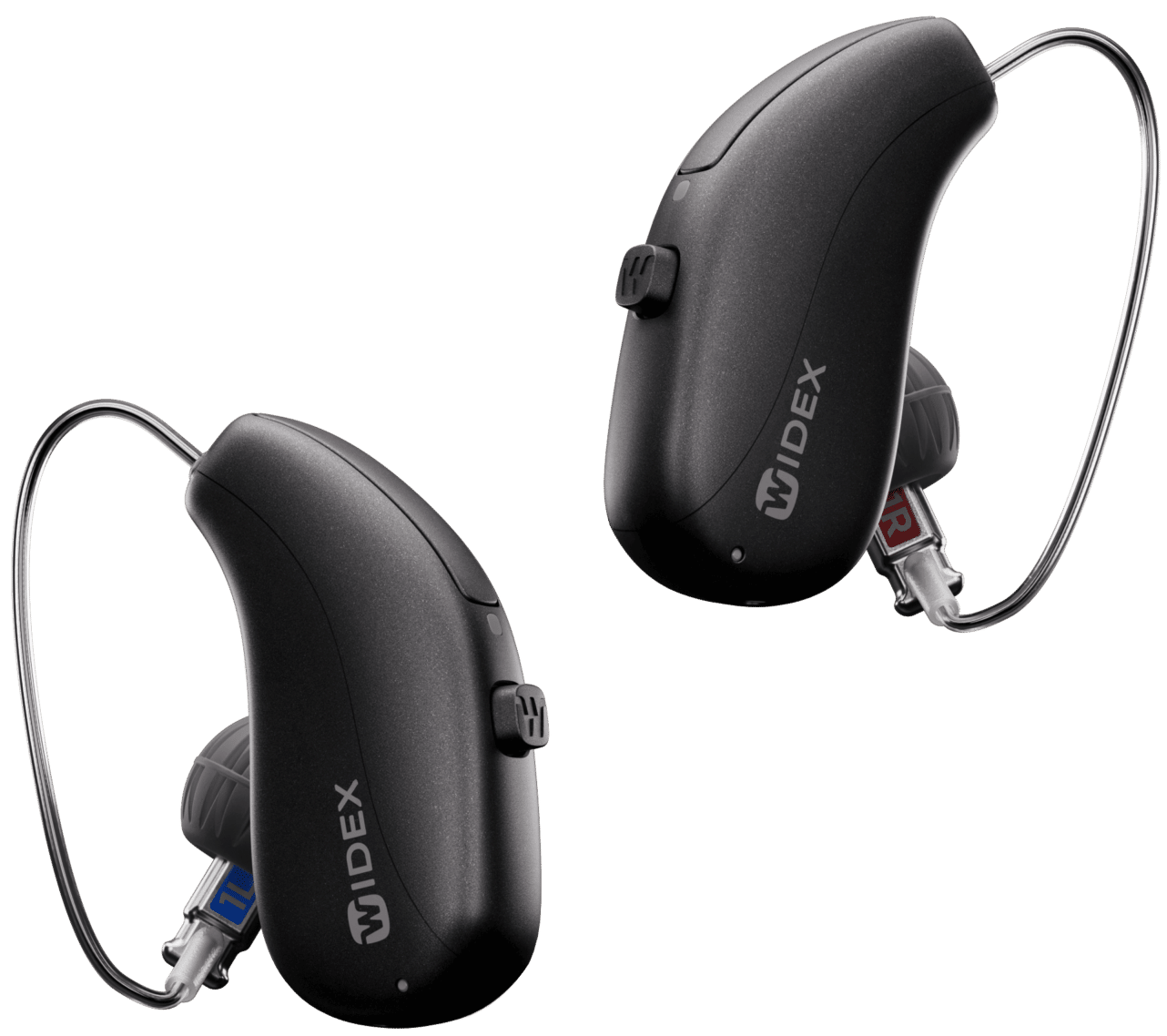
Categories
Hearing Devices Science & Technology

Hearing Aid Chips: A Technological Evolution Journey

Last Updated on 15/02/2026 by Admin

Pioneering Innovations in Hearing Aid Chip Technology

What Were the Foundational Ideas Behind Hearing Aid Chips?

The foundational ideas that birthed hearing aid chips established the essential framework for the remarkable technological advancements we witness today. Early designs primarily concentrated on amplifying sound to support individuals experiencing hearing loss, employing basic electronic components to enhance auditory clarity. Significant milestones in this developmental journey include the introduction of basic amplification circuits, the transition from vacuum tubes to transistors, the creation of analog hearing aids, strides in miniaturization, and the rise of feedback cancellation systems.

These pioneering innovations sparked further inquiries into sophisticated sound processing techniques, laying the groundwork for the high-tech devices that are readily available in today’s market. The evolution of these technologies not only transformed individual experiences but also broadened the scope of hearing aid functionalities, ensuring that users can enjoy a more integrated auditory experience.

What Are the Essential Elements of Early Hearing Aid Models?

The initial hearing aid chips heavily relied on analog circuits to deliver fundamental sound amplification, enabling users to engage with sounds in a more accessible manner. Initially, these devices were bulky and clunky; however, they underwent a gradual evolution towards more compact designs. The shift from larger, external components to more integrated circuits greatly improved accessibility, allowing users to manage their daily activities with enhanced ease and functionality. In those early days, sound processing capabilities were rudimentary, primarily limited to basic amplification without the sophistication found in contemporary devices.

These transformative changes not only made hearing aids more user-friendly but also set the stage for future technological advancements. The emphasis on compact design led to the integration of crucial components, such as microphones and speakers, into a single unit, thereby enhancing portability and usability for everyday users. As a result, individuals could enjoy improved sound quality while navigating their environments with greater confidence.

How Did Material Innovations Shape Hearing Aids?

The progression of materials utilized in hearing aid chips was vital to their advancement. The transition from vacuum tubes to transistors marked a pivotal turning point, as transistors facilitated the creation of smaller and more efficient chips. This shift offered numerous advantages, including enhanced battery life and minimized distortion in sound output. As semiconductor technology evolved, manufacturers began experimenting with various materials capable of withstanding the challenges of daily use while delivering optimal sound quality.

The adoption of durable plastics and lightweight metals played a significant role in the miniaturization of hearing aids, making them less intrusive and easier to wear. This adaptability allowed users to wear hearing aids comfortably in various environments, from quiet homes to bustling public spaces. The continuous refinement of materials not only led to the creation of modern devices that are effective but also stylish and discreet, appealing to a broader audience seeking both functionality and aesthetics.

What Challenges Did Early Hearing Aids Face?

Despite the impressive innovations in early hearing aid chips, a multitude of challenges and limitations impeded their effectiveness. One of the most significant obstacles was high power consumption, resulting in frequent battery replacements and inconvenience for users. Additionally, the restricted frequency range of early models hampered the ability of users to engage in complex auditory environments, making communication a daunting task. Durability issues were also common, as devices tended to fail in less-than-ideal conditions, further limiting their reliability.

These challenges ignited a wave of engineering innovation, compelling designers to seek solutions that would enhance performance and reliability. Engineers worked diligently to create chips that reduced power consumption while maximizing sound quality, addressing both user comfort and the longevity of the devices. This commitment to improvement laid the groundwork for the sophisticated hearing aids that users enjoy today, paving the way for a revolution in auditory technology.

What Was the Impact of Transitioning to Integrated Circuits?

The transition to integrated circuits (ICs) represented a monumental leap in hearing aid technology. This shift enabled more complex signal processing capabilities, transforming hearing aids from basic amplifiers into sophisticated devices equipped with a multitude of advanced features. The miniaturization of circuits not only reduced production costs but also significantly enhanced the overall effectiveness of the devices.

With the advent of ICs, engineers were able to incorporate multiple functionalities onto a single chip, resulting in superior sound quality and improved user experiences. Features such as noise reduction and feedback cancellation became standard, bridging the gap between early designs and modern models that prioritize both functionality and aesthetics. This transition marked a significant turning point in the evolution of hearing aids, showcasing the potential of advanced technology to enrich users’ auditory experiences.

Transformative Technological Advancements in Hearing Aids

What Major Changes Have Occurred in Chip Design?

Revolutionary advancements in chip design have drastically changed how hearing aids operate, particularly with the adoption of digital signal processing (DSP). This transition has transformed hearing aids from simple amplification devices into sophisticated technology capable of adapting to various listening environments. DSP facilitates the application of complex algorithms, enabling features such as noise reduction and feedback cancellation that empower users to experience clearer sound.

These enhanced capabilities dramatically improve users’ abilities to engage in conversations, regardless of background noise. Furthermore, the introduction of programmable features has personalized the user experience, allowing individuals to adjust settings according to their unique hearing profiles. As a result, the evolution of chip design has not only enriched auditory clarity but also fundamentally altered the relationship users maintain with their hearing aids, making these devices indispensable tools for enhancing communication and social interaction.

How Are New Features Being Integrated Into Hearing Aids?

Modern hearing aid chips are now equipped with a plethora of new features designed to enhance user experience and overall satisfaction. The integration of wireless connectivity options, such as Bluetooth, enables users to effortlessly pair their hearing aids with smartphones, televisions, and other smart devices. This capability facilitates seamless audio streaming, enriching daily activities for individuals experiencing hearing loss and making them more enjoyable and accessible.

Moreover, the addition of remote control features through user-friendly apps allows individuals to adjust settings quickly and intuitively, further enhancing convenience. This technological advancement broadens the utility of hearing aids across various contexts, making them adaptable to diverse lifestyles. By actively listening to user feedback and incorporating innovative functionalities, manufacturers ensure that hearing aids evolve to meet the ever-changing needs of users globally.

Why Have Processing Speeds Enhanced in Hearing Aids?

Processing speeds in hearing aid chips have dramatically improved due to advancements in semiconductor technology, enabling real-time adjustments to sound environments. This enhancement allows hearing aids to respond more adeptly to varying acoustic situations, making them functional in diverse settings, from tranquil rooms to lively cafes.

The ability to process sound data at enhanced speeds facilitates adaptive features that automatically tune devices to optimize sound quality as surroundings change. As a result, users experience a smoother transition between different auditory contexts, significantly enhancing overall satisfaction with their hearing aids. With continuous improvements in processing speeds, the user experience will only become more refined, ensuring that hearing aids remain responsive and effective in diverse environments.

What Innovations in Battery Technology Have Emerged?

Innovations in battery technology have been crucial in the evolution of hearing aids, particularly with the widespread adoption of rechargeable lithium-ion cells. This shift has substantially extended the battery life of devices, allowing users to enjoy prolonged periods of uninterrupted functionality.

Rechargeable batteries not only lessen the frequency of replacements but also contribute to a more sustainable approach to hearing aid use. With advancements in power management systems, contemporary hearing aids now operate efficiently while delivering superior performance. Enhanced battery life boosts user satisfaction and fosters greater independence, empowering individuals to engage in various activities without the constant worry of their devices running out of power.

In What Ways Has the Technology of Hearing Aid Chips Advanced?

What Motivated the Shift to Digital Technology?

The shift to digital technology in hearing aids was primarily driven by the demand for clearer audio and a higher degree of programmability. Digital chips enable the creation of personalized settings that cater to individual hearing profiles, allowing users to experience sound tailored specifically to their needs.

As understanding of auditory processing has deepened, manufacturers have sought to incorporate these insights into digital designs. This transition has not only improved sound quality but also increased user engagement, as individuals can modify their hearing aids for optimal performance in various settings. The ongoing digitization of hearing aids has paved the way for a more responsive and user-centered experience, setting the stage for future technological enhancements in the field.

What Core Changes Have Occurred in Chip Architecture?

Revolutionized chip architectures in hearing aids have prioritized energy efficiency and miniaturization, which are imperative for modern devices. By integrating microprocessors capable of processing complex algorithms, manufacturers have significantly enhanced sound quality and overall device performance.

This refined architecture promotes superior sound processing and enables features like noise filtering and adaptive gain control, which are essential for users navigating dynamic auditory environments. As technology continues to advance, the architecture of hearing aid chips will likely emphasize even greater energy efficiency and integration, facilitating more sophisticated features while ensuring user comfort remains a top priority.

What Innovations Have Improved Battery Life?

Improvements in power management through advanced semiconductors have notably enhanced battery life in hearing aids. These innovations focus on minimizing energy consumption while maximizing performance, allowing users to wear devices for extended periods without interruption.

Techniques such as low-power circuitry and energy-efficient components significantly reduce battery drain, making hearing aids more practical for everyday use. The addition of intelligent algorithms also allows devices to enter sleep modes during periods of inactivity, further extending battery life. Consequently, users can enjoy enhanced reliability and convenience, ensuring that their hearing aids remain functional throughout the day without frequent recharging.

Insights from Experts on Hearing Aid Chip Evolution

What Are the Key Design Principles in Hearing Aid Technology?

Key design principles in hearing aid chip technology revolve around optimizing performance to enhance user outcomes. Designers must account for factors such as size, weight, and power consumption while ensuring high-quality sound processing. Successful implementations of these principles include:

  • Creating multi-functional chips that minimize space without compromising performance
  • Integrating advanced algorithms for improved sound clarity and noise reduction
  • Utilizing user feedback to inform design choices and innovative features
  • Ensuring compatibility with various devices for seamless integration

These principles empower manufacturers to develop hearing aids that cater to the diverse needs of users, leading to greater satisfaction and an enhanced user experience. By focusing on these key aspects, the industry continues to evolve and provide solutions that truly make a difference in the lives of individuals with hearing loss.

What Are the Emerging Standards in Hearing Aid Innovation?

Emerging standards within the hearing aid industry emphasize quality benchmarks that ensure reliability and performance. A crucial aspect of these standards is the careful selection of materials that enhance durability and prevent failures, contributing to the longevity of devices.

Manufacturers are increasingly prioritizing durable plastics and advanced composites that can withstand daily wear and tear. By adhering to these standards, companies can deliver hearing aids that not only perform effectively but also last longer, thereby enhancing user trust and satisfaction in their products.

What Factors Are Shaping the Future of Hearing Aid Designs?

Future designs in hearing aid chip technology will be significantly shaped by user feedback. Actively engaging users in the design process enables manufacturers to identify pain points and desired features, ultimately influencing the development of the next generation of devices.

Strategies for incorporating feedback loops into development processes include conducting user surveys, focus groups, and iterative testing to refine features and address user concerns. This collaborative approach fosters innovation and enhances user satisfaction, ensuring that hearing aids evolve to meet the dynamic needs of individuals worldwide, making them more effective and user-friendly.

What Are the Leading Trends in Hearing Aid Chip Technology?

How Is AI Transforming Hearing Aids?

Artificial intelligence (AI) is increasingly being incorporated into hearing aid chips, enabling adaptive learning for sound environments. This cutting-edge technology allows devices to analyze auditory landscapes and adjust settings automatically, making them smarter and more intuitive for users.

AI capabilities enhance features such as noise reduction, speech recognition, and even user comfort by learning preferences over time. As these technologies continue to develop, users will experience unprecedented levels of personalization and adaptability in their hearing aids, making them indispensable in daily life and improving overall communication abilities.

What Are the Latest Connectivity Options Available?

Modern hearing aid chips now support a wide array of connectivity options, including Bluetooth, allowing for seamless integration with smartphones and other devices. This technological progress facilitates effortless audio streaming and control through user-friendly applications.

The convenience of connectivity significantly extends the functionality of hearing aids, enabling users to access phone calls, music, and other audio sources directly through their devices. This trend towards enhanced connectivity not only boosts user satisfaction but also broadens the scope of engagement, making hearing aids more versatile and applicable in everyday scenarios.

Why Is User Customization Crucial in Hearing Aids?

User customization has become a focal point in hearing aid technology, empowering individuals to easily tailor settings to their specific needs and preferences. Through software updates and app-based controls, users can fine-tune their devices for optimal hearing experiences.

This level of personalization not only enhances user satisfaction but also gives individuals greater control over their hearing health. As manufacturers continue to prioritize user customization, hearing aids will become increasingly adaptable, catering to the diverse requirements of users in various social and professional contexts, ultimately fostering a more engaged and confident user base.

Research-Backed Benefits from the Evolution of Hearing Aid Chips

What Improvements in Sound Quality Have Been Proven?

Research indicates that advanced algorithms in modern hearing aids effectively reduce background noise and provide clearer audio. This significant enhancement supports improved communication in various settings, thereby contributing to enhanced social interactions and an overall better quality of life for users.

Clinical outcomes resulting from the implementation of advanced sound processing include:

  • Increased speech recognition in noisy environments
  • Improved auditory processing and cognitive function
  • Greater user satisfaction and higher rates of device usage
  • Enhanced social engagement and participation

The ongoing focus on sound quality continues to drive innovation within the industry, ensuring that hearing aids meet the diverse needs of users, thereby improving their overall auditory experience.

What Health Outcomes Are Linked to Hearing Aid Upgrades?

Studies reveal that advanced hearing aid chips can assist in preventing the progression of hearing loss by providing precise amplification tailored to individual needs. These technological upgrades are linked to improved cognitive health since better auditory input has been associated with enhanced mental agility and reduced cognitive decline.

The critical role of hearing aids in maintaining auditory function emphasizes their significance in overall health management, especially for aging populations. As technology continues to progress, the potential for hearing aids to positively influence health outcomes will likely expand, underscoring their importance as essential tools for promoting well-being.

What Factors Contribute to Their Increased Accessibility?

Evidence shows that newer hearing aid chips have significantly decreased costs and improved ease of use, making advanced hearing solutions accessible to a broader audience. Manufacturers are increasingly focusing on affordability without compromising performance, allowing more individuals to benefit from these remarkable technologies.

Furthermore, streamlined designs and user-friendly features enhance usability, catering to a diverse demographic that includes seniors, children, and individuals with varying levels of technological proficiency. The commitment to accessibility ensures that more people can engage with the world around them, regardless of their hearing abilities, fostering inclusivity and enhancing quality of life.

Why Are Hearing Aid Chips Essential in Today’s Society?

How Do They Enhance Daily Life for Users?

Hearing aid chips play a crucial role in supporting daily life for individuals with hearing loss, enabling real-time adaptation to different environments. By employing advanced sound processing capabilities, these devices assist users in navigating social and professional settings with greater confidence and ease.

Whether participating in conversations, attending meetings, or enjoying leisure activities, the capability to adapt to surrounding sounds allows users to engage more fully in life. This support fosters independence and enhances overall well-being, reinforcing the significance of hearing aid technology in modern society as a vital tool for communication and social interaction.

What Essential Role Do They Play in Health Management?

Hearing aid chips significantly contribute to health management by aiding in the monitoring of hearing health. Integrated sensors can provide early detection of potential issues, allowing for proactive care and timely interventions.

This preventative approach not only helps maintain auditory function but also contributes to overall health and quality of life. As awareness of the connection between hearing and cognitive health increases, the importance of these devices in health management becomes more pronounced, highlighting their vital role in comprehensive health strategies.

What Challenges Do Hearing Aid Chips Address for Users?

Modern hearing aid chips are designed to tackle various challenges associated with hearing loss, offering adjustable features that ensure inclusivity for different user profiles. These challenges encompass variability in hearing needs, effective background noise management, and overall device comfort.

Key issues addressed by contemporary hearing aids include:

  • Adaptive sound processing tailored for diverse environments
  • Customizable features that cater to individual preferences
  • Enhanced connectivity for seamless integration with other devices
  • Durability and reliability for daily use

By addressing these concerns, manufacturers create devices that meet the diverse needs of users, subsequently enhancing overall satisfaction and effectiveness in improving the auditory experiences of individuals with hearing loss.

Future Prospects for Hearing Aid Chips in Technology

What Innovations Are Expected with Wearable Integration?

Future hearing aid chips may seamlessly connect with health wearables, expanding monitoring capabilities for a holistic approach to wellness. This integration could provide comprehensive insights into users’ auditory health, allowing for tailored recommendations and interventions that cater to individual needs.

As technology continues to advance, the potential for hearing aids to work in tandem with other health devices will enhance user experience and facilitate proactive health management. This interconnected approach is likely to reshape how individuals engage with their hearing health, contributing to a more integrated view of overall wellness.

What Potential Do Advanced Algorithms Hold for Hearing Aids?

The development of advanced algorithms holds significant promise for the future of hearing aid technology, potentially enabling devices to predict and automatically adjust to user preferences. This innovation would enhance the effectiveness of hearing aids, allowing them to respond intuitively to changing environments and the specific needs of the user.

As these algorithms become more sophisticated, users will benefit from a more personalized auditory experience, significantly improving their quality of life. The incorporation of artificial intelligence will further push the boundaries of what is possible, making hearing aids more adaptable and efficient, thereby revolutionizing the user experience.

How Will Sustainability Influence Future Hearing Aid Designs?

Sustainability is poised to play an increasingly vital role in the design and production of hearing aid chips. The utilization of eco-friendly materials in chip design can significantly reduce environmental impact, fostering the creation of longer-lasting and recyclable components.

Manufacturers are beginning to prioritize sustainable practices, from sourcing materials to implementing energy-efficient manufacturing processes. As consumers become more environmentally conscious, the demand for sustainable hearing aids will likely increase, influencing design choices and setting new industry standards for responsible production.

What Advancements in Miniaturization Can We Expect?

Future advancements in the miniaturization of hearing aid chips will enable the design of smaller, more comfortable devices that integrate seamlessly into daily life. This miniaturization will not only enhance aesthetics but will also improve battery life and reduce power consumption while maintaining superior sound processing capabilities.

As technology evolves, users can expect hearing aids to become increasingly discreet and efficient, ensuring they remain functional without sacrificing comfort. This trend will likely lead to greater acceptance and utilization of hearing aids across diverse demographics, enhancing overall quality of life and making these devices more accessible to those in need.

What Role Will AI Assistants Play in Future Hearing Aids?

The potential for hearing aid chips to incorporate AI assistants presents an exciting frontier for technology. This integration could enable voice-activated controls, allowing users to adjust settings effortlessly, receive real-time environmental adaptations, and access language translation features for improved communication in diverse settings.

As AI capabilities continue to evolve, users will enjoy unprecedented levels of control and convenience in their hearing aids, transforming the user experience. This innovative approach will not only enhance functionality but will also create new avenues for interaction and engagement, further embedding hearing aids into users’ everyday lives.

Identifying Challenges and Solutions in Hearing Aid Chip Design

What Common Obstacles Are Encountered in Development?

Developing hearing aid chips often involves overcoming common obstacles, such as overheating and compatibility issues. These challenges can lead to device malfunctions and negatively impact user satisfaction. Innovative cooling techniques, including heat sinks and advanced thermal management systems, are implemented to effectively mitigate these issues.

Addressing these obstacles early in the design process is critical for ensuring reliability and enhancing overall performance. By concentrating on robust engineering solutions, manufacturers can develop hearing aids that endure the rigors of daily use while consistently delivering dependable results, ultimately enhancing user trust in these essential devices.

What Strategies Can Overcome Limitations in Design?

Strategies for overcoming limitations in hearing aid chip design involve adopting modular designs that facilitate easy upgrades and adaptability. This approach addresses wear concerns and empowers manufacturers to integrate the latest technological advancements without necessitating complete device replacements.

By designing chips with future enhancements in mind, producers can bolster the longevity and relevance of hearing aids, ensuring users benefit from ongoing improvements in sound processing and battery technology. This focus on adaptability not only boosts user satisfaction but also aligns with broader trends in technology and sustainability, promoting continued innovation in the industry.

Why Is Reliability Testing So Important?

Focusing on rigorous reliability testing is essential to ensure that hearing aid chips withstand daily use and maintain consistent performance over time. Such testing evaluates a device’s durability, sound quality, and overall functionality under various conditions to ensure optimal user experience.

By implementing comprehensive testing protocols, manufacturers can identify potential weaknesses and address them before products reach consumers. This commitment to quality assurance builds trust with users, ensuring they receive reliable devices that enhance their daily lives without compromise.

What Are the Latest Innovations in Power Management?

Effective power management is vital in hearing aid chips to extend battery life and minimize user inconvenience. Techniques such as low-power circuitry and energy harvesting from body heat can be implemented to ensure devices last longer without requiring frequent recharges.

These innovations are crucial in tackling the key challenge of portability and usability, allowing users to enjoy their hearing aids without the constant anxiety of battery depletion. As power management technology continues to evolve, the prospect of longer-lasting, more efficient hearing aids will significantly enhance user experiences, promoting their continued adoption and integration into daily life.

How Does IoT Integration Enhance Hearing Aid Functionality?

Incorporating Internet of Things (IoT) technology into hearing aid chips enables real-time data sharing and remote adjustments, overcoming isolation challenges for users. This integration allows for personalized sound settings via smartphones and alerts for potential issues, significantly improving overall accessibility and user satisfaction.

As IoT capabilities advance, the potential for enhanced functionality in hearing aids will expand, making these devices even more integral to managing hearing health. By leveraging connected technologies, manufacturers can provide users with greater control and convenience, shaping the future of hearing aids in a rapidly evolving landscape.

Frequently Asked Questions

What Exactly Are Hearing Aid Chips?

Hearing aid chips are electronic components utilized in hearing aids to process sound. They amplify sound signals, enhance audio clarity, and enable better hearing for individuals experiencing hearing loss.

How Have Hearing Aid Chips Evolved Over the Years?

Hearing aid chips have transitioned from simple analog circuits to sophisticated digital technology, integrating features such as noise reduction, Bluetooth connectivity, and adaptive learning to enhance user experience significantly.

What Role Does AI Play in Today’s Hearing Aids?

AI in modern hearing aids facilitates adaptive learning, enabling devices to automatically adjust to different sound environments, thereby providing a more personalized and intuitive user experience.

Why Is Battery Life Crucial for Hearing Aids?

Battery life is vital for hearing aids as it directly impacts usability and convenience. Prolonged battery life allows users to engage in daily activities without the concern of needing frequent recharges, enhancing their overall experience.

What Benefits Do Rechargeable Hearing Aids Offer?

Rechargeable hearing aids eliminate the need for frequent battery replacements, providing convenience for users. They generally offer longer battery life and are more environmentally friendly, making them an attractive option for many individuals.

How Does Miniaturization Affect Hearing Aids?

Miniaturization allows for the creation of smaller, more discreet hearing aids that are comfortable to wear. This development enhances battery life and sound processing capabilities, making devices more user-friendly.

What Common Challenges Are Faced in Hearing Aid Chip Design?

Common challenges include overheating, compatibility with other devices, and ensuring durability. Innovative design solutions are applied to address these issues, improving the reliability and functionality of hearing aids.

Which Features Enhance the Accessibility of Hearing Aids?

Features such as wireless connectivity, user-friendly apps, and customizable settings significantly improve the accessibility of hearing aids, allowing individuals with hearing loss to utilize them more effectively.

How Do Hearing Aids Contribute to Improved Health Outcomes?

Hearing aids enhance health outcomes by improving communication abilities, reducing the risk of cognitive decline, and promoting social interaction, all of which are essential for maintaining overall mental health and well-being.

What Future Trends Are Anticipated in Hearing Aid Technology?

Future trends include greater integration with wearable technology, advanced algorithms for automatic adjustments, and an increased focus on sustainability in materials and design practices.

Discover our world on X!

The post Hearing Aid Chips: A Technological Evolution Journey appeared first on The Microsuction Ear Wax Removal Network.

Categories
Health & Wellness Hearing Devices

Hearing Aids Enhance Phone Calls: Key Advantages

Last Updated on 14/02/2026 by Admin

Transforming Hearing Aid Technology: A Comprehensive Overview

How Have Innovations Revolutionized Hearing Aids?

The realm of hearing aid technology has undergone remarkable transformations in recent decades, leading to substantial enhancements in user experience, especially during phone calls. Early devices were cumbersome, analog systems that provided minimal sound amplification. In contrast, today’s hearing aids have evolved into modern, sleek digital devices, enhanced by sophisticated algorithms that significantly improve sound clarity. For example, contemporary hearing aids employ directional microphones that concentrate on sounds emanating from specific directions while minimizing interference from ambient noises. This feature proves invaluable during phone conversations, where clear communication is essential. Users in lively settings such as cafes or on public transportation can now participate in discussions without straining to hear, fostering better social interactions.

Moreover, the advent of Bluetooth technology has completely transformed connectivity between hearing aids and smartphones. This wireless integration allows users to stream phone calls directly into their hearing aids, providing a seamless auditory experience. For instance, individuals in urban environments, often plagued by disruptive background noise, have reported significant improvements in call quality. By utilizing hearing aids capable of connecting to their smartphones, these users can engage in conversations without the frustration of missing critical information, thus enhancing their overall communication experience.

Essential Features of Today’s Hearing Aids

Modern hearing aids are equipped with several essential features that greatly enhance the experience of phone conversations. One key attribute is amplification, which increases the volume of sounds that the user needs to hear, resulting in clearer phone calls. In addition, advanced digital signal processing technology enables real-time modifications to sound quality, allowing users to tailor their listening experience according to their surroundings and preferences. This adaptability is crucial for users who frequently transition between different acoustic environments.

Another vital feature is noise reduction technology. This capability assesses sound environments and suppresses unwanted background noise, enabling users to concentrate on the conversation. For example, an individual using a hearing aid while on a call in a crowded market benefits from noise reduction that minimizes distracting sounds. This technology is becoming increasingly advanced, with some devices employing machine learning to automatically adjust to new acoustic environments, further enhancing user experience.

Furthermore, many contemporary hearing aids incorporate feedback cancellation systems designed to eliminate irritating whistling sounds that can occur when sound loops back into the microphone. These enhancements collectively contribute to a significantly improved communication experience, making phone calls more enjoyable and less stressful for users, thereby fostering more effective interactions.

Enhanced Communication Experiences for Users

The advancements in hearing aid technology have a profound impact on the clarity of everyday phone conversations. Users enjoy a more natural listening experience, which leads to improved overall communication. For instance, while grocery shopping or attending social events, individuals equipped with modern hearing aids often express feelings of greater connection and involvement. This heightened sense of engagement is crucial, as it encourages social interactions and mitigates feelings of isolation that can arise from hearing difficulties.

To effectively incorporate hearing aids into daily routines, users can undertake several actionable steps. Firstly, familiarizing oneself with the device’s features is essential. Understanding how to adjust settings for different environments can significantly enhance performance. Secondly, practicing phone calls in various settings enables users to assess how their hearing aids respond to different levels of background noise. Thirdly, maintaining regular cleaning and servicing of their devices ensures longevity and optimal functionality. Lastly, connecting hearing aids to smartphones via Bluetooth can simplify communication, allowing users to manage phone calls directly through their aids, further improving their auditory experience.

These strategic steps greatly enhance the clarity and enjoyment of phone conversations, ultimately positioning technology as a supportive ally in daily life.

How Do Hearing Aids Sync with Smartphones?

What Connectivity Solutions Are Available?

Hearing aids today offer a range of connectivity solutions that seamlessly link with smartphones, significantly enhancing the phone call experience for users globally. A predominant method is Bluetooth, which facilitates a wireless connection between hearing aids and smartphones, tablets, and other devices. This connection enables users to stream audio directly into their hearing aids, eliminating the need for intermediary devices and ensuring a smoother communication experience.

Another innovative technology is near-field communication (NFC), which simplifies the pairing process between hearing aids and smartphones. This feature is particularly user-friendly, often requiring users to merely tap the devices together to establish a connection. Additionally, many hearing aids now support telecoil technology, allowing users to access audio from public address systems or loop systems in various environments, thereby enhancing call clarity in specific settings.

These connectivity options not only improve call quality but also provide users with a greater sense of autonomy. By removing barriers to clear communication, users can engage confidently in conversations, whether in the comfort of their homes or bustling public spaces.

How to Set Up Hearing Aids with Smartphones

Integrating hearing aids with smartphones is designed to be user-friendly, ensuring even those with limited technical knowledge can set up their devices with ease. The general setup process typically consists of a few straightforward steps:

1. Download the Companion App: Most modern hearing aids come with a dedicated smartphone app that users should download from their device’s app store.
2. Activate Bluetooth: Ensure Bluetooth is enabled on the smartphone, as this step is crucial for establishing a connection with the hearing aids.
3. Pair the Devices: Following the app’s instructions, users will usually need to place their hearing aids in pairing mode, often achieved by pressing a designated button on the devices.
4. Connect: Once the hearing aids are detected by the smartphone, users can complete the pairing process through the app.

The benefits of seamless connections include enhanced sound quality during calls, the ability to adjust settings in real-time via the app, and the convenience of direct audio streaming. Furthermore, users can access additional features such as personalized sound settings and noise control from their smartphones, significantly improving their overall experience during phone conversations.

What Are the Benefits of Integrating Hearing Aids with Smartphones?

Integrating hearing aids with smartphones yields substantial enhancements in audio performance during phone calls. The direct streaming capabilities of hearing aids allow users to experience richer, more immersive sound quality. Background noise is effectively minimized, ensuring that users can maintain their focus on the conversation. This is especially beneficial in environments filled with distractions, such as busy streets or crowded offices.

Moreover, this integration often grants users greater control over sound settings. They can fine-tune parameters such as volume and treble directly from their phones, customizing their listening experience according to different environments. This level of personalization is crucial for users with diverse hearing needs, empowering them to adapt their devices to the specific context of each call.

Expert analysis indicates that users who regularly integrate their hearing aids with smartphones report heightened satisfaction with phone conversations. The ease of managing sound settings and enjoying clear audio fosters greater engagement in social interactions, ultimately enhancing their quality of life.

How to Troubleshoot Common Hearing Aid Integration Issues

Despite the advancements in technology, users may experience common challenges when connecting their hearing aids to smartphones. Issues such as Bluetooth connectivity problems, software glitches, or compatibility challenges with various phone models can arise. Quickly addressing these challenges is essential to maintain seamless functionality and avoid frustration.

One frequent issue is Bluetooth interference. Users should verify that no other Bluetooth devices are connected, which could disrupt the signal. If users encounter difficulties with audio streaming, restarting both the smartphone and hearing aids often resolves temporary connectivity problems.

Software glitches may also occur after updates. Users should check for any available updates for their hearing aids through the companion app, ensuring that the latest firmware is installed for optimal performance.

If integration issues persist, consulting the user manual for troubleshooting tips or contacting customer support for assistance can lead to tailored solutions. Fortunately, most manufacturers provide comprehensive support to ensure that users can enjoy their phone calls without interruption.

How Do Hearing Aids and Phone Models Interact?

Understanding compatibility between hearing aids and various smartphone models is essential for users seeking optimal performance. Hearing aids typically integrate well with both Android and iOS systems, although there may be variations in functionality. Many high-end hearing aids support advanced features on both platforms, yet users should consult specific compatibility lists provided by manufacturers.

For Android users, the Google Play Store offers numerous apps designed to enhance hearing aid functionality. These apps may allow users to customize settings, control features, and access valuable resources. However, users might occasionally face limitations with specific Android models due to variations in Bluetooth versions or specific implementations by manufacturers.

In contrast, iOS users benefit from a more standardized experience. Apple has made significant strides in creating accessibility features for hearing aid users, resulting in smoother integration and more robust functionality. Many hearing aids are designed to work seamlessly with iPhone models, offering features such as spatial audio and enhanced sound processing capabilities.

For users considering new phone purchases, it is advisable to review compatibility lists or consult with hearing aid professionals to ensure a seamless experience tailored to individual needs.

Expert Insights on Enhancing Audio Clarity

What Key Factors Enhance Sound Quality?

Several key factors contribute to improving sound quality during phone calls for hearing aid users. One of the most significant elements is digital signal processing (DSP), which enhances sound clarity by filtering out unwanted noise while amplifying desired frequencies. Users can optimize their hearing aids for phone conversations by adjusting settings to prioritize mid-range frequencies crucial for understanding speech.

Another important aspect is directional microphones. These specialized devices allow hearing aids to focus on sounds originating from a specific direction, such as the caller’s voice, while minimizing background noise. This technology proves particularly beneficial in environments where distractions are prevalent, such as busy workplaces or crowded public spaces.

Additionally, users can enhance their sound quality by maintaining their devices properly. Regular cleaning and battery checks can prevent issues that may degrade audio clarity. Furthermore, experimenting with different settings based on the environment—whether quiet or noisy—can help users discover the optimal configurations for their needs.

By implementing these strategies, users can enjoy clearer, more fulfilling phone conversations, ultimately enhancing their overall communication experiences.

Why Is Noise Reduction Technology Essential?

Noise reduction technology is a vital feature in modern hearing aids, as it significantly enhances call clarity across diverse environments. This feature identifies background noise and filters it out, allowing users to concentrate on the speaker’s voice. The importance of this capability cannot be overstated, particularly for users who often find themselves in noisy settings like restaurants, public transportation, or social events.

In addition to improving comprehension during phone conversations, effective noise reduction alleviates mental strain. Users no longer have to work as hard to decode speech amidst distractions, leading to reduced fatigue. For example, a user in a crowded café can engage in a phone call without feeling overwhelmed by surrounding chatter.

Moreover, with advancements in noise reduction algorithms, modern hearing aids can adapt to changing environments in real-time, automatically adjusting their settings to optimize audio clarity. This adaptability is essential for ensuring users experience consistent sound quality, whether at home or on the go.

By incorporating noise reduction technology, hearing aids provide a more enjoyable and less stressful communication experience, fostering stronger connections and engagement in daily conversations.

What Are the Long-Term Advantages of Using Hearing Aids?

The long-term advantages of using hearing aids extend far beyond mere auditory enhancement; they encompass broader benefits that significantly impact quality of life. One persistent benefit is the reduction of communication-related fatigue. Users struggling to hear often find that phone calls and face-to-face conversations can be exhausting. By using hearing aids, they report experiencing less strain, leading to a more enjoyable daily communication experience.

Additionally, research indicates that consistent use of hearing aids can lead to improved cognitive function. By engaging in regular auditory stimulation and conversation, users can maintain mental sharpness and reduce the risk of cognitive decline. This connection highlights the essential role of effective communication in overall mental health.

Moreover, hearing aids can enhance social interactions, as users are more likely to participate in conversations and social gatherings. This engagement fosters a richer social life, reducing feelings of isolation and loneliness. As users gain confidence in their hearing abilities, they may also find themselves more willing to explore new activities, further enriching their lives.

Overall, the long-term benefits of using hearing aids create a ripple effect, positively influencing users’ mental health, social interactions, and overall quality of life, empowering them to lead more fulfilling lives.

Research-Backed Benefits of Hearing Aids

How Do Hearing Aids Effectively Reduce Background Noise?

Research has demonstrated that modern hearing aids utilize advanced noise suppression techniques that significantly enhance call clarity in a variety of contexts. These devices apply sophisticated algorithms that analyze incoming sound waves, identifying which frequencies correspond to background noise. When background noise is detected, the hearing aids automatically reduce its volume while preserving the integrity of sounds the user wishes to hear, such as speech.

For instance, studies have shown that hearing aids equipped with advanced noise reduction capabilities can improve speech intelligibility in environments with competing noise, such as busy restaurants or crowded events. By concentrating on the frequencies associated with human speech, users can engage in phone conversations without straining to hear over distracting sounds.

The implementation of noise reduction technology extends beyond professional settings; it also enhances everyday experiences. Individuals using hearing aids report improved communication with family and friends during social gatherings, facilitating more meaningful interactions devoid of background noise frustrations.

This evidence underscores the critical role of hearing aids in fostering clearer communication, particularly in environments characterized by background noise, confirming that these devices are essential tools for enhancing overall auditory experiences.

How Do Hearing Aids Improve Speech Understanding?

Evidence-based enhancements in speech comprehension represent one of the most compelling advantages of hearing aid usage. Numerous studies have highlighted that individuals utilizing hearing aids experience significant improvements in their ability to understand conversations, particularly in challenging auditory environments. For example, users report greater ease in following discussions in group settings or communicating effectively over the phone, which may have previously posed difficulties.

This improved comprehension stems from the sophisticated technology embedded in modern hearing aids, which includes advanced sound processing and noise reduction features. By amplifying speech sounds while minimizing background noise, these devices create a more conducive environment for understanding conversations.

Moreover, the impact extends beyond call clarity; users frequently report increased confidence in their communication abilities. This newfound assurance encourages greater participation in social interactions, leading to enhanced overall satisfaction in personal and professional relationships. The capability to comprehend speech clearly is vital not only for individual well-being but also for nurturing connections with others.

As research continues to explore the benefits of hearing aids, it becomes evident that these devices play a pivotal role in enhancing communication across various contexts, ensuring users can engage meaningfully with their surroundings.

What Insights Does User Feedback Provide?

User feedback consistently indicates that hearing aids significantly elevate phone interactions, showcasing their transformative impact on communication. Many users express that the ability to connect with others through clear audio has dramatically enhanced their quality of life. Reports highlight that individuals who once felt isolated due to hearing loss now actively participate in conversations, enriching both their personal and professional lives.

Analysis of broad user reports reveals that seamless integration with smartphones is a key factor in enhancing communication. Many users appreciate the convenience of streaming phone calls directly into their hearing aids, eliminating the need to hold the phone to their ear or struggle with background noise. This hands-free experience promotes a more natural flow of conversation, allowing users to engage fully without distractions.

Moreover, feedback emphasizes the importance of customizable settings. Users value the ability to adjust sound profiles based on their environment, ensuring they can optimize their hearing aids for various situations. This level of personalization fosters a sense of ownership over their hearing experience, empowering individuals to manage their communication effectively.

Collectively, user feedback underscores the positive impact of hearing aids on phone interactions, highlighting the devices’ ability to improve clarity, foster connections, and enhance overall communication satisfaction.

How Do Hearing Aids Enhance Social Engagement?

Research has demonstrated that hearing aids significantly bolster social engagement by improving communication in group settings. Users who utilize hearing aids often describe a renewed sense of connection with family and friends, as they can better follow conversations and partake in group discussions. This enhancement is particularly vital in social environments where multiple people are speaking simultaneously, as effective communication is essential for building relationships.

One notable aspect of increased social engagement is the reduction of isolation. Many individuals with hearing loss report feeling disconnected from social gatherings due to difficulties in understanding conversations. By using hearing aids, these individuals experience a substantial increase in their willingness to participate in social activities, leading to stronger relationships and improved mental health.

Furthermore, improvements in speech understanding and noise reduction capabilities enable users to engage more confidently in public settings. Whether attending family gatherings, social events, or community meetings, individuals equipped with hearing aids find themselves more capable of contributing meaningfully to conversations. This newfound confidence not only enhances their communication skills but also fosters a stronger sense of belonging, ultimately enriching their lives.

The comprehensive benefits of hearing aids in promoting social engagement underscore their importance as tools for facilitating meaningful interactions and enhancing overall quality of life.

What Cognitive and Mental Health Benefits Are Associated with Hearing Aid Use?

Studies have increasingly linked hearing aid use to enhanced cognitive function, emphasizing the interplay between auditory health and mental well-being. Hearing loss is often associated with cognitive decline, as diminished auditory input can lead to reduced mental stimulation. However, individuals who use hearing aids benefit from increased auditory engagement, which can help maintain cognitive processes such as memory and problem-solving skills.

Research indicates that individuals who consistently wear hearing aids report lower levels of cognitive decline compared to those who do not. By facilitating communication and social interaction, hearing aids effectively combat feelings of isolation that can exacerbate mental health issues. Improved communication leads to increased social involvement, enriching users’ lives and providing them with essential emotional support.

Additionally, the reduction of frustration associated with hearing loss represents a significant mental health benefit. Individuals who struggle to hear often experience anxiety or stress due to communication barriers. Hearing aids alleviate this burden, allowing users to engage confidently in conversations and feel more connected to their surroundings.

As research continues to explore the cognitive and mental health benefits of hearing aids, it becomes increasingly clear that these devices play a vital role in promoting overall well-being, helping users maintain cognitive function and enhancing their quality of life.

What Are the User Experiences with Hearing Aids?

What Common Challenges Do Hearing Aids Address?

Hearing aids have emerged as vital tools for addressing common challenges faced by individuals with hearing loss. A prevalent issue is muffled sounds, which is a common complaint among users. Hearing aids effectively resolve this problem by amplifying sounds across various frequencies, ensuring that voices and important sounds are distinctly heard, thereby enhancing the user experience.

Another challenge involves understanding speech in noisy environments. Many users struggle to follow conversations during social outings or phone calls when background noise is present. Equipped with noise reduction technology and directional microphones, hearing aids enhance speech clarity while minimizing distractions. This capability is essential for maintaining meaningful interactions without the frustration of missing key information.

Moreover, users often face the challenge of adjusting to new auditory environments. Modern hearing aids offer customizable settings that allow users to adapt to different situations, providing a tailored listening experience. For example, individuals can switch to a “noisy environment” setting when attending social events, ensuring they can continue to engage in conversations despite the surrounding commotion.

By addressing these common challenges, hearing aids empower users to navigate their daily lives with confidence, fostering better communication and reducing the sense of isolation that can accompany hearing loss.

What Everyday Success Stories Highlight Hearing Aids’ Impact?

Everyday success stories from hearing aid users illuminate the transformative impact these devices have on communication. Many individuals share anecdotes about how hearing aids have revitalized their social interactions, allowing them to engage more fully with family and friends. For instance, users may recount attending a family gathering where they could actively participate in conversations instead of feeling left out due to hearing difficulties.

These stories often reflect the emotional benefits of improved communication. Users report feeling more connected and engaged, which leads to heightened confidence in their ability to interact with others. Personal anecdotes may include successful participation in group discussions, joining clubs or community events, or simply enjoying time with loved ones without the constant strain of hearing.

To maximize satisfaction with hearing aids, users can implement practical tips such as:

  • Regularly clean and maintain devices to ensure optimal performance.
  • Experiment with different settings based on the listening environment.
  • Engage in conversations with various backgrounds to test the hearing aids’ capabilities.
  • Utilize companion apps for easy adjustments during phone calls.

These everyday success stories reinforce the importance of hearing aids in improving users’ quality of life, empowering them to communicate effectively and enjoy meaningful connections.

What Tips Can Help Users Maximize Satisfaction with Hearing Aids?

To maximize satisfaction with hearing aids, users can implement several strategies. Understanding how to adapt hearing aids to personal needs is fundamental. One of the first steps is to collaborate closely with an audiologist or hearing specialist who can provide personalized recommendations based on individual hearing profiles.

Regularly testing and adjusting settings on hearing aids is essential. Many devices come equipped with smartphone apps that allow users to customize sound profiles according to different environments. Users should take advantage of this feature, adjusting the settings for various contexts, such as quiet settings or crowded environments, to optimize their listening experience.

Participating in support groups or forums can also offer valuable insights. Users can share experiences, troubleshoot common challenges, and discover new techniques for improving their hearing aid performance. These interactions foster a sense of community and provide encouragement for those navigating hearing loss.

Lastly, users should prioritize routine maintenance of their hearing aids. Regular cleaning and battery checks can prevent potential issues that may hinder performance. By incorporating these strategies, users can ensure a satisfying and enriching experience with their hearing aids, leading to improved communication and a greater quality of life.

Strategies for Optimal Use of Hearing Aids

What Are the Best Practices for Daily Integration?

Integrating hearing aids into daily routines effectively is essential for maximizing their benefits. Several best practices can help users ensure consistent audio improvements throughout the day. First, establishing a routine for wearing hearing aids can reinforce their use. For example, users can develop the habit of putting them on first thing in the morning and removing them at night, similar to any other essential accessory.

Next, users should familiarize themselves with their hearing aids’ features and settings. Understanding how to adjust volume levels and toggle between different modes is crucial for optimizing performance in various environments. Many modern hearing aids come equipped with smartphone apps that allow for easy adjustments, making it convenient for users to tailor their experience based on their surroundings.

Additionally, practicing active listening can enhance communication. Users should consciously focus on the speaker and minimize distractions, ensuring they engage fully in conversations. This practice proves particularly beneficial in group settings, where multiple voices may compete for attention.

Lastly, encouraging open communication with family and friends about hearing aids fosters a supportive environment. When loved ones understand the challenges and capabilities of hearing aids, they can help users navigate social situations more effectively, creating a more inclusive atmosphere.

By incorporating these best practices into daily life, users can enjoy enhanced hearing experiences and improved communication.

How Can Users Troubleshoot Common Hearing Aid Issues?

Troubleshooting common issues with hearing aids is essential for maintaining effective communication during phone calls. Users encountering problems should start by identifying the specific issue. For instance, if audio is unclear or distorted, users should check the device settings to ensure they are appropriately configured for the environment. Adjusting volume levels or switching to a noise-reduction mode may resolve the problem.

If hearing aids are not pairing with a smartphone, users should verify that Bluetooth is enabled on both devices. Restarting both the hearing aids and the smartphone often rectifies connectivity issues. Additionally, checking for software updates on the companion app can help ensure compatibility and optimal performance.

Another common issue is reduced sound quality due to dirt or debris buildup. Users should regularly clean their hearing aids according to the manufacturer’s guidelines to prevent any blockages that may affect audio clarity.

If problems persist, consulting the user manual for troubleshooting tips or contacting customer support can provide tailored solutions. Most manufacturers offer comprehensive support to ensure users can enjoy their hearing aids without interruption, allowing for a seamless audio experience.

What Future Trends Are Emerging in Hearing Aid Development?

The future of hearing aid technology promises exciting developments that will further enhance phone experiences for users. One significant trend is the increasing integration of artificial intelligence (AI) into hearing aids. AI can analyze sound environments in real-time, automatically adjusting settings for optimal performance. This capability will enhance clarity during phone calls, allowing users to enjoy a more effortless communication experience.

Another emerging trend is the development of health-monitoring features within hearing aids. These advancements will enable users to track health metrics such as heart rate or activity levels while enjoying superior auditory experiences. The integration of health technology into hearing aids could provide users with valuable insights into their overall well-being.

Furthermore, improvements in battery technology are likely to yield longer-lasting devices. Rechargeable hearing aids with extended battery life will ensure that users can rely on their devices throughout the day without the inconvenience of frequent recharging.

As technology continues to evolve, these innovations will undoubtedly enhance the functionality and user experience of hearing aids, ensuring that they remain essential tools for effective communication in a rapidly changing world.

Frequently Asked Questions About Hearing Aids

How Do Hearing Aids Improve Phone Calls?

Hearing aids enhance phone calls by boosting sound clarity, diminishing background noise, and allowing users to stream audio directly into their devices, ensuring seamless communication.

What Types of Connectivity Options Are Available for Hearing Aids?

Hearing aids typically connect to smartphones through Bluetooth, near-field communication (NFC), or telecoil technology, facilitating direct audio streaming and improved call clarity.

Can Hearing Aids Help with Background Noise During Calls?

Yes, modern hearing aids utilize noise reduction technology to minimize background noise, allowing users to concentrate on conversations and enhancing their overall communication experience.

How Can Users Maximize Their Satisfaction with Hearing Aids?

Users can maximize satisfaction by becoming familiar with their device settings, maintaining their hearing aids, practicing active listening, and seeking support from community resources.

What Are the Long-Term Benefits of Using Hearing Aids?

Long-term advantages of using hearing aids include enhanced cognitive function, reduced communication-related fatigue, improved social engagement, and an overall better quality of life.

How Do Different Phone Models Affect Hearing Aid Compatibility?

Compatibility between hearing aids and phone models varies. While many modern hearing aids work well with both Android and iOS systems, users should check specific compatibility lists for optimal performance.

What Should Users Do If They Experience Connectivity Issues?

If users encounter connectivity issues, they should ensure Bluetooth is activated on both devices, restart both the hearing aids and smartphone, and check for software updates to resolve the problem.

Are There Specific Settings to Adjust for Different Environments?

Yes, many hearing aids offer customizable settings that allow users to modify sound profiles based on their environment, enhancing clarity and reducing background noise.

How Can Hearing Aids Impact Mental Health?

Hearing aids can positively influence mental health by decreasing feelings of isolation, improving communication, and fostering social interactions that lead to enhanced emotional well-being.

What Future Trends Can We Expect in Hearing Aid Technology?

Future trends in hearing aid technology may include the integration of artificial intelligence for real-time sound adjustments, health-monitoring features, and improved battery life for greater usability.

Explore our world on X!

The post Hearing Aids Enhance Phone Calls: Key Advantages appeared first on The Microsuction Ear Wax Removal Network.

Categories
Health & Wellness Hearing Devices

Hearing Aids and Wearables: Essential Benefits Explained

Last Updated on 13/02/2026 by Admin

Understanding Hearing Aids and Wearable Technology: A Comprehensive Overview

What Are the Essential Elements of Hearing Aids and Wearables?

Grasping the essential elements of hearing aids and wearable technology is crucial for understanding their effective integration into daily life. These devices generally consist of vital hardware components, including Microphones, Speakers, and sensors, combined with sophisticated software interfaces designed for seamless communication and data processing. This remarkable synergy among components enhances auditory clarity and boosts functionality across various activities, allowing users to engage more fully with the world around them. Whether it’s having conversations or participating in social events, these integrated technologies significantly enrich the user experience.

  • Microphones: Capture external sounds for amplification.
  • Speakers: Deliver amplified sounds directly to the ear.
  • Sensors: Monitor environmental conditions and user activity.
  • Bluetooth Module: Establishes wireless connections with wearables.
  • Microprocessors: Execute algorithms for sound processing.
  • Battery: Provides power for operational longevity.
  • Software App: Interfaces with smartphones for adjustments and monitoring.

How Do Hearing Aids and Wearables Establish Their Initial Connection?

The initial connection process between hearing aids and wearables is typically initiated through Bluetooth pairing, a straightforward yet essential step that involves placing both devices into pairing mode. This pairing process allows the devices to recognize each other and share necessary data efficiently, unlocking features such as audio streaming and activity syncing. It is crucial for users to verify compatibility specifications to ensure a successful connection during the setup phase. Taking these steps ensures that both devices can communicate effectively, enhancing overall user satisfaction.

What Are the Key Advantages of Basic Features in Hearing Aids?

Basic features such as sound amplification and real-time data sharing significantly enhance the user experience with hearing aids and wearables. Amplification allows users to hear conversations with clarity, while real-time data sharing enables wearables to collect valuable health metrics. These essential functionalities not only improve communication but also make interactions across various environments smoother and more enjoyable. By leveraging these features, users can better navigate social situations and maintain connections with those around them, ultimately enriching their lives.

How Does the Integration of Hearing Aids and Wearables Function?

What Technologies Are Instrumental in This Integration?

The integration of hearing aids and wearables relies heavily on advanced technologies, particularly Bluetooth and proprietary wireless protocols. Bluetooth technology facilitates high-quality audio streaming and efficient data transfer, allowing devices to synchronize seamlessly. This technological harmony ensures that users enjoy a cohesive experience, as both devices work together to provide real-time feedback and comprehensive monitoring capabilities. By utilizing these innovative technologies, users can take full advantage of their hearing aids and wearables, leading to enhanced interaction and user satisfaction.

What Are the Steps for Seamless Pairing of Devices?

Linking hearing aids with wearables involves a few straightforward steps that users can easily follow. First, ensure that both devices are fully charged and updated to the latest software version to avoid compatibility issues. Next, access the Bluetooth settings on the wearable device and select the hearing aid from the list of available devices. Follow any on-screen prompts to complete the pairing process. This straightforward user-friendly approach helps users avoid common pitfalls and ensures a smooth integration experience, maximizing the benefits of both devices.

What Potential Issues May Arise During Operation?

While the integration of hearing aids and wearables usually operates smoothly, users may occasionally encounter issues such as audio interference or connection dropouts. These challenges can arise from environmental factors or interference from other electronic devices nearby. Effective troubleshooting strategies include moving away from potential sources of interference, checking battery levels to ensure adequate power, and restarting both devices to restore a stable connection. By proactively addressing these issues, users can maintain the performance and reliability of their integrated devices.

What Are the Key Benefits of Integrating Hearing Aids and Wearables?

How Does Integration Enhance Daily Life and Communication?

Integrating hearing aids with wearables significantly enhances daily life by improving communication and streamlining activity tracking. Users can enjoy clearer phone conversations, listen to music directly through their hearing aids, and participate in social interactions more fully, making these experiences more enjoyable. Additionally, the ability to monitor health metrics, such as heart rate and physical activity levels, encourages individuals to maintain an active and healthy lifestyle. This integration empowers users to connect with their surroundings and optimize their well-being effectively.

What Are the Everyday Applications of Integrated Hearing Aids and Wearables?

Practical applications of integrated hearing aids and wearables manifest in numerous scenarios, including fitness routines and social gatherings. For example, during exercise, hearing aids can stream music directly from a smartwatch while simultaneously monitoring heart rate, enabling users to stay motivated. In social settings, these devices allow users to adjust volume levels dynamically, ensuring they can engage in conversations without distractions. This adaptability makes integrated devices incredibly versatile, enhancing user experience in various environments and situations.

What Are the Long-Term Health Advantages of Using Integrated Devices?

The long-term advantages of utilizing integrated hearing aids and wearables extend beyond just improved communication. Continuous monitoring of hearing health and activity levels plays a vital role in supporting users’ overall well-being. Regular use of these devices can lead to improved cognitive health and a reduced risk of complications associated with untreated hearing loss. Monitoring metrics such as hearing health, activity levels, heart rate variability, and sleep quality empowers users to take proactive steps in managing their health effectively.

  • Hearing health metrics
  • Activity levels
  • Heart rate variability
  • Sleep quality

Insights from Experts on the Integration of Hearing Aids and Wearables

What Insights Do Experts Offer on This Integration?

Expert analysis indicates that the integration of hearing aids and wearables fosters a powerful synergy that significantly enhances user experience. Real-world examples demonstrate how users can receive alerts for messages or calls directly through their hearing aids, allowing them to stay connected without the need to frequently check their phones. Actionable steps include regularly updating both devices and exploring all available features to maximize the myriad benefits this integration offers. By leveraging expert insights, users can make informed decisions about their device use.

What Advanced Features Do Specialists Highlight?

Specialists emphasize the importance of advanced features, such as adaptive algorithms that adjust sound processing based on environmental cues. These capabilities allow hearing aids to automatically fine-tune settings to cater to different surroundings, providing a personalized auditory experience. Understanding and utilizing these advanced options empowers users to optimize their devices effectively, enhancing their overall satisfaction and functionality. By adopting these technologies, users can achieve a more tailored experience that meets their unique auditory needs.

What Proven Tips Can Enhance Integration Performance?

Experts recommend several strategies for optimizing the setup of hearing aids and wearables to ensure consistent reliability and performance. These strategies include regularly checking for software updates, maintaining devices in good working condition, and utilizing companion apps for personalized adjustments. By adhering to these practices, users can significantly enhance their satisfaction and prolong the lifespan of their devices. Such proactive measures contribute to a seamless integration experience that users can rely on for their auditory needs.

What Expert Strategies Can Assist in Troubleshooting Integration Issues?

Diagnosing and resolving common integration issues requires a systematic and thoughtful approach. Experts suggest maintaining a comprehensive checklist that includes verifying device compatibility, ensuring Bluetooth functionality is enabled, and restarting both devices as a preliminary step. Additionally, utilizing diagnostic tools available in companion apps can assist in swiftly identifying issues, leading to improved connectivity and overall user satisfaction. By following expert recommendations, users can troubleshoot effectively and maintain optimal performance.

What Future Trends Do Experts Predict for Hearing Aid and Wearable Integration?

Looking ahead, experts anticipate several emerging trends in the integration of hearing aids and wearables, particularly the greater adoption of AI technologies. These advancements have the potential to enable devices to learn user preferences over time and enhance interaction capabilities significantly. Adapting current setups to accommodate these future developments will ensure users maximize the long-term benefits of their integrated devices. Staying informed about these trends will empower users to take full advantage of evolving technologies.

What Challenges Are Associated with Integration of Hearing Aids and Wearables?

How Do Compatibility Issues Arise During Device Integration?

Compatibility issues often stem from discrepancies in technology standards and device specifications. Users may face challenges when attempting to pair devices that do not support the same Bluetooth profiles or protocols. Understanding the specifications and compatibility requirements of both devices is crucial for identifying and resolving these potential incompatibilities effectively. Being proactive in checking compatibility ensures a smoother integration process and enhances user experience.

What Maintenance Challenges Might Users Encounter?

Routine maintenance challenges, such as battery life management and software updates, are commonplace in integrated devices. Users need to establish a consistent schedule for charging and updating their devices to maintain optimal performance. Implementing preventive measures, such as using a dedicated charging station and regularly checking for software updates, can significantly enhance the longevity and reliability of these technologies. By prioritizing maintenance, users can ensure their devices continue to function effectively over time.

How Can Users Overcome Barriers to Integration?

Potential obstacles for users, such as difficulties with setup or navigating complex device interfaces, can hinder successful integration. Practical solutions include providing clear instructional materials, offering video tutorials, and delivering robust customer support for troubleshooting. Making the integration process more accessible and user-friendly is essential for maximizing the benefits of these technologies, ensuring that users feel confident and capable when using their devices.

Innovations and Future Developments in Hearing Aid Technology

What Innovations Are Expected in the Near Future?

Future innovations in the integration of hearing aids and wearables are likely to focus on enhancements driven by artificial intelligence, enabling more personalized and responsive interactions between devices. These advancements have the potential to fundamentally alter how users engage with their integrated technologies, promoting enhanced user satisfaction and improved tracking of health metrics. By embracing these innovations, users can look forward to a new era of auditory technology that prioritizes their unique needs and preferences.

How Will Software Updates Evolve to Improve User Experience?

Software updates are anticipated to introduce a range of new features and improvements to connectivity between hearing aids and wearables. Emerging trends may include enhanced user interfaces, improved security measures, and seamless data-sharing capabilities. These updates will be vital for keeping devices relevant and functional in an ever-evolving technological landscape. Users should remain engaged with their devices’ software developments to fully benefit from the latest advancements.

What Hardware Developments Are Influencing Integration?

New hardware designs are expected to positively influence device integration, focusing on durability and efficiency. Innovations in materials and battery technology will likely extend device longevity, while advancements in sensor technology can enhance the accuracy of data collection and environmental adaptation. By incorporating these hardware improvements, manufacturers can enhance the overall user experience and ensure long-lasting performance for hearing aids and wearables.

How Will 5G and Future Wireless Technologies Impact Device Integration?

The rollout of 5G networks and future wireless technologies is poised to revolutionize connectivity for hearing aids and wearables. With lower latency and higher data transfer rates, users will experience enhanced real-time interactions and improved device synchronization. This advancement paves the way for even more sophisticated applications in hearing health management, ensuring that users can take full advantage of the capabilities offered by integrated devices.

Trusted Strategies for Effective Integration of Hearing Aids and Wearables

Why Is Customization Crucial for User Satisfaction?

Customization plays a vital role in achieving successful integration, as it empowers users to tailor their device settings according to their individual needs and preferences. By focusing on actionable steps, such as utilizing built-in adjustment features and personalizing notifications, users can create a more engaging experience that evolves over time. This level of personalization enhances overall satisfaction and encourages consistent use of the technology.

What Are the Best Practices for Optimizing Device Performance?

To ensure optimal performance of hearing aids and wearables, users should adopt best practices that include regularly cleaning devices, managing battery usage effectively, and actively engaging with community feedback. Real-world examples, such as sharing experiences in online forums, can provide valuable insights that help enhance device functionality. By following these practices, users can significantly improve their overall experience with their integrated devices.

How Can Users Ensure Longevity of Their Devices?

Maintaining the longevity of integrated devices requires a proactive approach to care and regular upgrades. Users should stay informed about the latest advancements in technology and consider periodic assessments to identify opportunities for enhancements. This commitment to device care not only ensures reliable performance but also maximizes the user’s investment in their hearing aids and wearables over time.

How to Enhance User Experience with Hearing Aids and Wearables?

What Personalization Options Can Users Explore?

Personalization options such as adjustable sound settings and customizable notifications can greatly enhance user comfort and satisfaction. Users should actively explore these features in their device settings, allowing them to create a tailored experience that aligns with their unique preferences. This level of customization fosters a deeper connection between users and their devices, ultimately leading to improved overall satisfaction.

How Can Manufacturers Address User Feedback Mechanisms?

User feedback is essential for refining integration adjustments and improving overall product quality. By actively encouraging users to share their experiences and suggestions, manufacturers can refine their products to better meet consumer needs, ultimately promoting greater control and satisfaction among users. Establishing an ongoing dialogue with users helps to ensure that device performance aligns with user expectations and requirements.

What Strategies Can Enhance Accessibility Features?

Enhancing integration involves focusing on accessibility features that cater to diverse needs, ensuring that all users can benefit from the technology. This may include simplifying user interfaces, offering voice command options, and providing visual aids to clarify device functions. By prioritizing inclusivity in design, manufacturers can create a more intuitive experience that accommodates users of all abilities, leading to wider adoption and satisfaction.

How Can Interface Design Improve User Engagement?

Designing intuitive interfaces is critical for maximizing user engagement with integrated devices. Strategies can include employing appealing color schemes, logically organized layouts, and interactive elements that guide users seamlessly through functionality. Such thoughtful design considerations lead to higher satisfaction levels and increased usability, making it easier for users to navigate their devices and access their features.

How Can Analytics Be Implemented for User Experience Improvement?

Integrating analytics into user behavior monitoring allows manufacturers to make data-driven decisions for feature refinement effectively. By continuously assessing user interactions, companies can identify pain points and implement improvements that enhance overall user experience. This ongoing evaluation ensures that devices remain relevant, effective, and in tune with user needs, ultimately fostering greater user satisfaction.

Essential Maintenance Practices for Integrated Hearing Aids and Wearables

How Can Users Troubleshoot Integration Issues Effectively?

Effective troubleshooting involves a structured and methodical approach to addressing common issues. Users should start with a comprehensive checklist that includes verifying battery levels, ensuring Bluetooth settings are activated, and consulting the user manual for specific error messages. By following these steps, users can guarantee uninterrupted integration and quickly resolve any challenges that may arise.

What Routine Updates and Care Are Necessary for Optimal Performance?

Establishing a routine for device updates and care is crucial for maintaining optimal functionality of hearing aids and wearables. Users should schedule regular check-ups that include software updates and physical cleaning to prevent malfunctions and ensure devices are performing at their best. By prioritizing routine care, users can extend the lifespan of their devices and enhance their overall experience.

How Should Users Monitor Performance Over Time?

Ongoing evaluation of device performance is vital for sustaining optimal integration of hearing aids and wearables. Users can track performance metrics through companion apps, carefully noting any discrepancies or issues that arise. Regular assessments help ensure that devices continue to meet user needs effectively, allowing for timely adjustments and improvements as necessary.

Frequently Asked Questions About Hearing Aids and Wearables

How do hearing aids and wearables collaborate to enhance user experience?

Hearing aids and wearables work together through wireless technologies like Bluetooth to share data and improve user experience. This integration allows for features such as audio streaming, activity tracking, and personalized adjustments, making daily interactions smoother and more enjoyable.

What benefits can users expect from integrating hearing aids with wearables?

The integration of hearing aids and wearables enhances communication, tracks vital health metrics, and improves overall quality of life. Users can enjoy clearer conversations and better manage their health through continuous monitoring, leading to a more fulfilling lifestyle.

Can I customize the settings on my hearing aids and wearables to suit my preferences?

Yes, both devices typically offer a variety of customization options, including sound settings, notifications, and health tracking parameters. This flexibility allows users to tailor their experience to meet their individual preferences and needs.

What should I do if my hearing aids and wearables fail to connect?

If devices won’t connect, first ensure that Bluetooth is enabled, check for pending software updates, and restart both devices. If connectivity issues persist, consulting the user manual for troubleshooting steps can provide additional guidance.

How frequently should I check for updates on my hearing aids and wearables?

It is advisable to regularly check for software updates, typically every few weeks or whenever prompted by the device. Keeping devices up to date ensures optimal performance and access to the latest features available.

What common issues might I encounter when integrating these devices?

Common challenges include connectivity issues, battery life concerns, and potential interference from other electronic devices. Addressing these challenges usually involves troubleshooting techniques and regular maintenance to ensure seamless operation.

How does the integration of hearing aids and wearables enhance health monitoring capabilities?

Integration enables continuous tracking of health metrics such as heart rate and activity levels, providing users with valuable insights into their overall health. This information allows for timely adjustments to lifestyle choices, fostering better health management.

Are there specific wearables that are recommended for use with hearing aids?

While many wearables are compatible with hearing aids, those equipped with advanced health monitoring features and robust Bluetooth connectivity are generally recommended. It is essential to verify compatibility with specific hearing aid models before making a choice.

What future trends should we anticipate in hearing aid technology?

Emerging trends may include enhancements driven by artificial intelligence, improved connectivity through 5G networks, and more sophisticated health monitoring capabilities. These advancements aim to provide users with a more seamless and enriched experience in utilizing their devices.

How can I ensure my devices remain compatible as technology continues to evolve?

Staying informed about software updates, new features, and emerging technologies is key to ensuring ongoing compatibility. Engaging with user forums and manufacturer communications can provide valuable insights into future developments and necessary adaptations.

Discover our world on X!

The post Hearing Aids and Wearables: Essential Benefits Explained appeared first on The Microsuction Ear Wax Removal Network.

Categories
Health & Wellness Hearing Devices

Custom Hearing Aids: Key Benefits You Should Know

Last Updated on 01/02/2026 by Admin

Why Custom Hearing Aids Are Essential for Enhanced Hearing

Exploring the Fundamentals of Custom Hearing Aids

Custom hearing aids are crucial devices meticulously crafted to address the specific auditory needs of each individual. By delivering tailored sound amplification and unmatched comfort, they significantly improve daily communication and the overall quality of life for those facing various types of hearing impairments. Unlike standard models, these aids are uniquely designed to cater to the user’s specific hearing loss patterns and preferences. The customization process encompasses several key elements, which include:

This thorough approach to design not only maximizes user comfort but also ensures exceptional sound quality and clarity. With custom hearing aids, users are empowered to navigate their surroundings and engage in conversations without the fatigue often linked to hearing loss. This personalized fit promotes independence and empowerment, which are essential for fostering social interactions and emotional well-being.

How Do Custom Hearing Aids Overcome Common Hearing Challenges?

Custom hearing aids are specifically engineered to address the unique challenges encountered by individuals with hearing loss. A prevalent issue is the struggle to differentiate speech from background noise, particularly in social situations like restaurants or public gatherings. These advanced devices utilize cutting-edge technology to diminish background noise while enhancing speech clarity, making conversations easier and more enjoyable.

By adapting to the user’s specific hearing loss patterns, custom hearing aids significantly alleviate the cognitive strain often associated with deciphering speech in challenging listening environments. This adaptability allows users to engage fully in conversations, boosting their confidence and alleviating feelings of frustration or isolation frequently accompanying hearing loss. Furthermore, these aids can automatically adjust settings based on the acoustic environment, ensuring top-notch performance across various settings.

The significance of these devices goes beyond mere functionality; they play a vital role in supporting mental health and fostering social connections. Users can actively participate in social interactions, enhancing their quality of life, self-esteem, and emotional well-being. This holistic approach to addressing hearing loss challenges makes custom hearing aids indispensable for effective communication support.

Everyday Advantages of Custom Hearing Aids

The everyday advantages of utilizing custom hearing aids are extensive and impactful. By offering a personalized fit and incorporating advanced features, these devices enable users to engage more fully in conversations and activities, which is crucial for maintaining both social and emotional health. When individuals can hear clearly, they are more likely to participate actively in social situations, build deeper connections, and ultimately enjoy a richer life experience.

Custom hearing aids are designed to adapt seamlessly to various listening environments, ensuring that users can transition comfortably between settings, whether at home, work, or in public spaces. This adaptability is essential for preserving a sense of independence and autonomy as users navigate through their daily lives. Enhanced sound quality and clarity result in reduced auditory fatigue, a significant concern for many individuals with hearing loss. This decreased fatigue allows users to engage more fully without the feeling of being overwhelmed by their auditory environment.

Additionally, the advanced features available in custom hearing aids often include connectivity options with smartphones and other devices, further enhancing their utility. This integration enables users not only to hear phone calls and music more clearly but also to access a variety of applications directly, facilitating seamless communication and enriching their overall lifestyle.

Understanding the Impact of Custom Hearing Aids Across Age Groups

Custom hearing aids serve a pivotal role across diverse age groups, effectively addressing the specific auditory needs of children, adults, and seniors alike. For children, early detection and intervention are crucial, as these devices support developmental milestones, enhance learning capabilities, and promote social interactions with peers. By ensuring that young users can hear and engage within their environments, custom aids equip them with the necessary tools for success in educational settings.

For adults, custom hearing aids provide essential support in professional and social contexts, enhancing communication skills and reducing the barriers associated with hearing loss. This personalized approach allows adults to maintain their relationships and professional networks, which is vital for emotional and social well-being.

Seniors, on the other hand, frequently face unique challenges related to hearing loss that can adversely affect their quality of life. Custom hearing aids designed specifically for this demographic not only bolster their capacity to communicate effectively but also promote independence. By addressing the specific auditory challenges seniors encounter, these devices contribute to improved mental health and decreased feelings of isolation. The tailored approach ensures that users across all life stages can benefit from enhanced hearing, making custom hearing aids essential for varied age groups.

Revolutionary Innovations in Custom Hearing Aid Technology

The realm of hearing aids has experienced remarkable advancements, particularly with the advent of custom hearing aids. Recent innovations, such as AI-driven adjustments and wireless connectivity, have transformed how users experience sound. These technological advancements facilitate improved sound processing capabilities, allowing for more precise adjustments based on the user’s unique environment.

AI-driven technology can learn from the user’s listening preferences and automatically modify settings to optimize sound quality. This means that users no longer need to navigate through buttons or complicated settings; the device intuitively adapts to their surroundings, delivering a seamless listening experience. Moreover, the incorporation of wireless connectivity empowers users to connect their hearing aids to smartphones, televisions, and various devices, simplifying communication and entertainment.

Furthermore, these technological advancements greatly enhance accessibility. Individuals with hearing loss can now utilize features that reduce auditory fatigue and enrich the overall user experience. The emphasis on user-friendly designs ensures that individuals can navigate their auditory environments effortlessly, highlighting the significance of custom hearing aids in contemporary hearing care. As technology continues to evolve, the potential for even greater personalization and adaptability in hearing aids is on the horizon, solidifying their role as indispensable tools in hearing health management.

How Do Custom Hearing Aids Enhance Hearing Quality?

What Influence Do They Have on Sound Clarity?

Custom hearing aids fundamentally enhance sound clarity through sophisticated sound processing techniques. These devices are crafted to improve auditory comprehension, enabling users to differentiate speech from background noise more effectively. By amplifying specific frequencies that users struggle to hear, custom hearing aids provide a more comprehensive auditory experience.

The technology behind these aids allows for nuanced sound processing, which is particularly advantageous in complex listening environments, such as crowded restaurants or busy streets. Users can partake in conversations without the strain of trying to hear, significantly enhancing their communication skills and social interactions. This clarity is essential not only for everyday conversations but also for nurturing relationships, as clear auditory cues facilitate deeper and more meaningful exchanges.

Additionally, the development of directional microphones in custom hearing aids plays a pivotal role in improving sound clarity. These microphones can focus on sounds emanating from specific directions, effectively filtering out irrelevant background noise. This feature proves particularly beneficial in dynamic environments, where users might otherwise feel overwhelmed by competing sounds.

In essence, the sound clarity provided by custom hearing aids directly affects the quality of life for users. The ability to engage meaningfully in conversations fosters social connections and emotional well-being, making these devices invaluable resources for individuals grappling with hearing impairments.

Essential Technologies in Custom Hearing Aids

The effectiveness of custom hearing aids relies on several key technologies designed to enhance user experience and auditory performance. At the heart of these devices is advanced digital processing, which allows for the precise tuning of frequencies to align with individual hearing needs. This digital technology ensures that users experience optimal performance tailored to their specific auditory profiles, providing a significant edge over traditional analog hearing aids.

Another crucial technology integrated into custom hearing aids is adaptive noise reduction. This feature intelligently evaluates sound environments and minimizes background noise, allowing users to concentrate on the sounds they wish to hear, such as conversations or music. By automatically adjusting to diverse environments, these devices enhance sound quality in various settings, promoting user comfort and clarity.

Feedback management systems are also essential components of custom hearing aids. These systems work to prevent unwanted feedback, which can be both distracting and uncomfortable for users. By mitigating feedback, the devices enhance overall listening experiences, allowing users to engage fully in conversations without interruptions.

Furthermore, wireless connectivity has transformed how users interact with their hearing aids. This feature enables users to link their devices to smartphones and other technology, providing additional functionalities that enrich their auditory experiences. Whether it is streaming music, receiving phone calls, or adjusting settings via an app, the integration of technology in custom hearing aids supports a more connected and user-friendly experience.

In summary, the combination of these technologies contributes to the high-performance capabilities of custom hearing aids, ensuring that users receive the best auditory support tailored to their specific needs.

Long-Term Effects of Custom Hearing Aids on Users

The long-term advantages of wearing custom hearing aids extend beyond immediate auditory improvements, impacting overall cognitive function and quality of life. Research indicates that consistent use of these devices can effectively prevent further hearing decline, which is critical for maintaining auditory health over time. By encouraging users to actively engage with their environments, custom hearing aids help maintain auditory pathways and support cognitive processing.

Utilizing custom hearing aids fosters better communication, directly linked to improved cognitive health. Users who actively participate in conversations tend to experience enhanced mental stimulation, reducing the risk of cognitive decline associated with isolation or inactivity. This positive impact on mental health is particularly significant for older adults, who may be more vulnerable to both hearing loss and cognitive challenges.

Moreover, users frequently report greater satisfaction with their auditory health when utilizing custom hearing aids. The personalized fit and tailored adjustments not only lead to enhanced hearing but also contribute to a greater sense of control over their auditory environments. This sense of empowerment promotes confidence and encourages social interactions, further enhancing emotional well-being.

In a world where communication is vital, the long-term effects of wearing custom hearing aids highlight their importance in preserving not just hearing ability but also overall quality of life. By supporting both auditory and cognitive health, these devices represent an investment in a brighter, more connected future for individuals with hearing impairments.

Personalized Hearing Solutions for Varied Lifestyles

The personalization of custom hearing aids stands out as one of their most significant advantages, catering to the diverse lifestyles of users. These devices are tailored to align with individual preferences, ensuring they integrate seamlessly into daily routines. Custom hearing aids can be programmed with adjustable settings that adapt to various environments, enhancing user comfort and satisfaction.

For example, users who frequently attend social events can have their devices configured to prioritize speech recognition in noisy settings, while those who spend time in quieter spaces can enjoy enhanced sound fidelity for music or podcasts. This level of customization allows individuals to experience superior auditory clarity, regardless of their surroundings, ultimately promoting consistent use and improving hearing outcomes.

Moreover, the adaptability of custom hearing aids means they can cater to users with differing degrees of hearing loss and specific lifestyle requirements. Whether an individual is an active professional, a student, or a retiree, their hearing aids can be designed to support their specific auditory demands. This personalization fosters a sense of ownership over their hearing health, motivating users to wear their devices consistently and confidently.

Furthermore, ongoing advancements in technology facilitate even greater personalization. With features like smartphone compatibility and remote adjustments from audiologists, users can fine-tune their settings based on real-time feedback and preferences. This level of engagement with their devices enhances user satisfaction and ensures that custom hearing aids remain integral to their daily lives.

Expert Insights on the Significance of Custom Hearing Aids

Understanding Advanced Features of Custom Hearing Aids

Selecting the appropriate custom hearing aids can be a challenging process, but comprehending the advanced features available can simplify the decision-making. Experts recommend evaluating features that enhance personalized sound adjustments, such as digital sound processing and adaptive noise reduction. These features play crucial roles in delivering tailored auditory experiences, ensuring users derive maximum benefit from their devices.

A practical approach involves consulting with an audiologist who specializes in custom hearing aids. They can perform comprehensive evaluations to identify individual hearing profiles, ensuring selections are based on specific needs. Real-world examples from professional practices emphasize the importance of this step; for instance, a user with high-frequency hearing loss might significantly benefit from aids that specifically amplify those frequencies.

The utilization of telehealth services for remote adjustments is another aspect worth considering. This technology allows audiologists to fine-tune settings without requiring users to visit clinics in person. Such flexibility empowers users to adapt their devices swiftly based on their current environments, enhancing overall experience and satisfaction.

Choosing custom hearing aids equipped with these advanced features not only improves auditory performance but also supports long-term user satisfaction. When users feel confident that their hearing aids are tailored to their specific needs, they are more likely to wear them consistently, leading to improved auditory health outcomes over time.

Why Personalization in Hearing Aids Is Crucial

The importance of personalization in custom hearing aids cannot be emphasized enough. Experts concur that tailored devices yield superior outcomes by closely aligning with users’ unique hearing profiles. This individualized approach encourages sustained use, which is vital for effective hearing management. Users who feel their devices cater to their specific needs are more likely to engage actively with their hearing aids, leading to improved communication and social interactions.

Custom hearing aids offer personalized settings that enable users to adjust their devices to fit various environments, which is particularly beneficial for individuals who frequently transition between different listening situations. For instance, a user may require different settings for a quiet home environment compared to a bustling café. This adaptability ensures that users can maintain optimal hearing in diverse situations, enhancing their overall experience and satisfaction.

Moreover, the connection between personalization and user acceptance is crucial. When individuals perceive their hearing aids as specifically designed for them, they are more inclined to embrace the technology and incorporate it into their lives. This acceptance often translates into increased confidence and reduced stigma associated with wearing hearing aids, further enhancing emotional well-being.

Ultimately, the focus on personalized solutions in custom hearing aids significantly contributes to their effectiveness, aligning with individual needs and lifestyles. This tailored approach enhances user satisfaction, promotes independence, and supports better auditory health.

Seamless Integration of Custom Hearing Aids into Daily Life

The seamless integration of custom hearing aids into daily life is a critical consideration for users. Experts stress that these devices are designed to enhance user independence by addressing potential challenges through customized solutions. For example, individuals active in professional settings can benefit from hearing aids that adapt to office environments, minimizing background noise while enhancing speech clarity.

Moreover, the convenience provided by custom hearing aids extends to daily activities. With features like Bluetooth connectivity, users can stream phone calls and music directly to their devices, facilitating a more connected lifestyle. This integration not only improves the auditory experience but also simplifies interactions with technology, making it easier for users to remain engaged with their surroundings.

The significance of user-friendly designs cannot be overlooked. Many contemporary custom hearing aids feature touch controls or mobile apps that allow users to adjust settings effortlessly. This ease of use is particularly important for individuals who may be less familiar with technology, ensuring that they can maximize the benefits of their devices without feeling overwhelmed.

Furthermore, the support of audiologists and hearing care professionals is vital for integration. Regular follow-ups and adjustments ensure that users can navigate any challenges they encounter in their daily lives, ultimately leading to more positive experiences with their custom hearing aids. This comprehensive approach underscores the importance of embedding hearing aids into daily routines, enhancing both functionality and overall quality of life.

Research-Backed Advantages of Custom Hearing Aids

What Evidence Exists to Support Their Effectiveness?

Numerous studies have validated the effectiveness of custom hearing aids in significantly enhancing hearing accuracy and user satisfaction. Research consistently underscores that individuals utilizing these tailored devices experience improved auditory clarity, leading to better communication and an enhanced quality of life. This evidence reinforces the assertion that custom hearing aids are a reliable solution for managing diverse auditory conditions.

For instance, studies have indicated that users of custom hearing aids report heightened levels of satisfaction compared to those using generic devices. This satisfaction is attributed to the personalized nature of custom aids, which cater to individual hearing profiles and preferences. The result is a more comfortable and effective auditory experience, emphasizing the importance of selecting devices tailored specifically for the user.

Moreover, research indicates that custom hearing aids contribute to improved psychological well-being by alleviating feelings of isolation and frustration associated with hearing loss. Social interactions improve dramatically when individuals can hear clearly, leading to stronger relationships and a more vibrant lifestyle. This social engagement is essential for mental health, providing users with a sense of belonging and emotional support.

The compelling evidence supporting the effectiveness of custom hearing aids solidifies their role as essential tools in hearing health management. By enhancing auditory clarity and fostering social connections, these devices significantly contribute to the overall well-being of individuals with hearing impairments.

In What Ways Do They Enhance Quality of Life?

Custom hearing aids play a crucial role in elevating the quality of life for individuals with hearing loss. The benefits extend far beyond mere auditory enhancement, significantly influencing emotional health and social interactions. Research has identified several avenues through which these devices contribute to a better quality of life, including:

  • Reducing feelings of isolation by facilitating social engagement
  • Enhancing communication skills, leading to improved relationships
  • Boosting self-esteem and confidence in social settings
  • Providing a sense of control over one’s auditory environment
  • Encouraging participation in community activities and events
  • Contributing to overall mental health by alleviating stress and anxiety
  • Improving cognitive function through active engagement
  • Promoting independence in daily activities

By addressing the challenges linked to hearing loss, custom hearing aids empower users to interact with the world around them more effectively. The reduction of communication barriers enables individuals to maintain relationships, engage in conversations, and participate in various social activities, which are crucial for emotional well-being.

The positive impact of custom hearing aids on mental health is particularly noteworthy. Users often report lower levels of anxiety and stress when they can hear clearly, leading to a more optimistic outlook on life. This enhancement in emotional health contributes to overall life satisfaction, making custom hearing aids an invaluable resource for individuals facing the challenges of hearing loss.

Identifying Potential Drawbacks and Solutions

While custom hearing aids are highly effective, users may encounter potential drawbacks that can influence their experience. Research indicates that proper maintenance is crucial for avoiding issues and ensuring lasting performance. Common challenges include battery life concerns, feedback problems, and physical comfort.

To mitigate these challenges, users should engage in regular maintenance and adhere to recommended care routines. For instance, ensuring batteries are replaced promptly and cleaning devices routinely can prevent performance issues. Users can also consult with audiologists for troubleshooting tips and adjustments, ensuring that their hearing aids remain in optimal condition.

Another potential drawback is the initial adjustment period, during which users may feel discomfort or experience feedback. It is essential for users to allow themselves time to acclimate to their devices, as this period often results in improved comfort and performance. Audiologists can provide guidance on proper fitting and adjustments that enhance comfort during this transition.

Lastly, technological advancements continue to address common concerns associated with hearing aids. Newer models incorporate features that minimize feedback and enhance battery life, making them more user-friendly and efficient. By staying informed about these innovations, users can ensure they are utilizing the best available technology for their needs.

In summary, while there may be potential drawbacks to using custom hearing aids, proactive maintenance, professional support, and awareness of technological advancements can help users effectively navigate these challenges. This approach ensures that custom hearing aids continue to fulfill their essential role in improving hearing and enhancing quality of life.

What Are the Key Features of Custom Hearing Aids?

How Are They Personalized for Individual Users?

The customization of hearing aids involves a comprehensive assessment process to align with specific hearing requirements. This process commences with a thorough audiological evaluation, which aids audiologists in understanding an individual’s unique hearing profile. Following this assessment, ear impressions are taken to ensure a precise fit, resulting in devices that deliver optimal functionality and comfort.

Custom hearing aids are engineered to accommodate varying levels of hearing loss, ranging from mild to profound. By tailoring the amplification settings to meet the specific needs of each user, these devices guarantee that individuals receive the appropriate level of sound enhancement for their unique circumstances. This personalization is crucial as it allows users to engage more fully in conversations and activities, ultimately enhancing their overall quality of life.

Furthermore, the incorporation of advanced technologies further enhances the customization process. Features such as digital sound processing and adaptive noise reduction can be calibrated to suit different listening environments, ensuring that users can transition smoothly between various settings. This adaptability is a significant advantage of custom hearing aids, as it addresses the diverse auditory demands of everyday life.

In summary, the meticulous customization of hearing aids involves a combination of detailed assessments and advanced technology, resulting in devices that are tailored to individual needs. This personalized approach is essential for maximizing the benefits of hearing aids and ensuring user satisfaction.

Emerging Innovations in Hearing Aid Design

The design of custom hearing aids is continually evolving, propelled by technological advancements that enhance their functionality and user experience. Emerging innovations include wireless connectivity and adaptive programming, making these devices more versatile and user-friendly in everyday scenarios.

Wireless connectivity has revolutionized how users interact with their hearing aids. With Bluetooth technology, individuals can stream audio directly from their smartphones or other devices, facilitating effortless communication and entertainment. This integration not only enhances the user experience but also promotes a more connected lifestyle, as users can enjoy music, phone calls, and other audio content without the barriers often associated with hearing loss.

Adaptive programming is another significant innovation in custom hearing aids. This feature allows devices to automatically adjust settings based on the user’s environment, ensuring optimal performance in various listening situations. For instance, when entering a bustling café, the hearing aid can detect the increased background noise and adjust accordingly, enhancing speech clarity while minimizing distractions.

These emerging innovations are designed to improve user satisfaction and promote better hearing health. As technology continues to advance, users can anticipate even greater personalization and adaptability in custom hearing aids, solidifying their role as essential tools for effective hearing management.

Maintenance and Care Guidelines

Proper maintenance and care are vital for sustaining the performance of custom hearing aids, ensuring they remain effective and reliable for ongoing auditory support. Users should adopt regular cleaning routines to prevent the accumulation of earwax and debris, which can lead to malfunctions and diminished sound quality.

Routine maintenance should include gently wiping the hearing aids with a soft, dry cloth to eliminate moisture and dirt. Additionally, it’s essential to follow manufacturer-recommended cleaning solutions to maintain hygiene without damaging the devices. Users should also inspect the fittings and tubing for any signs of wear and replace components as necessary to ensure optimal performance.

Regular check-ups with audiologists are crucial for fine-tuning devices and addressing any concerns users may have. These evaluations assist in identifying wear and optimizing settings, ensuring that hearing aids continue to function effectively over time. Users should feel empowered to communicate any issues they experience, as early intervention can prevent more significant problems down the line.

In summary, establishing a routine for maintenance and care is vital for prolonging the lifespan and effectiveness of custom hearing aids. By prioritizing cleanliness and regular evaluations, users can ensure that their devices remain reliable companions in their journeys toward better hearing health.

How to Maintain Your Custom Hearing Aids

Why Regular Check-Ups Are Crucial

Regular check-ups are a fundamental aspect of maintaining custom hearing aids, ensuring they continue to function effectively and meet the user’s auditory needs. These evaluations offer an opportunity for audiologists to assess the performance of the devices and make necessary adjustments based on the user’s feedback and changing hearing profile.

During check-ups, audiologists can identify signs of wear and address any technical issues that may have arisen. This proactive approach helps maintain the integrity of the devices, ensuring that users do not experience performance declines. Furthermore, regular evaluations allow audiologists to stay informed about advancements in hearing technology, enabling them to recommend updates or enhancements that can benefit the user.

Additionally, these appointments foster a supportive relationship between users and audiologists. Users can express any concerns they have regarding comfort, sound quality, or functionality, ensuring that their needs are consistently met. This ongoing communication is essential for long-term user satisfaction and effective hearing management.

In conclusion, regular check-ups are essential for maintaining custom hearing aids, ensuring optimal performance and user satisfaction. By staying connected with audiologists, users can navigate their hearing journeys with confidence and ease.

Identifying Common Issues and Their Solutions

Users of custom hearing aids may encounter several common issues that can affect their experience. One frequent challenge is feedback, which can occur when sounds escape the ear canal and are re-amplified by the device. This issue can be resolved through proper fitting and adjustments made by audiologists, ensuring that the devices are snug and comfortable.

Another common concern is battery life. Users may experience shorter battery durations due to factors such as excessive sound amplification or environmental conditions. Regularly checking battery levels and replacing them as needed can help mitigate this issue. Users should also consider investing in rechargeable batteries, which can provide a more convenient and sustainable solution.

Physical discomfort is another concern that some users may experience, especially if they are new to wearing hearing aids. Audiologists can offer adjustments to improve the fit and comfort of the devices, ensuring that users have a positive experience. Regular follow-ups are crucial for addressing these concerns and enhancing user satisfaction.

In summary, understanding common issues and their solutions empowers users to maintain their custom hearing aids effectively. By engaging with audiologists and following maintenance recommendations, users can enjoy a seamless auditory experience.

Ensuring Longevity and Exploring Upgrades

The longevity of custom hearing aids is a crucial consideration for users, as these devices represent an investment in their auditory health. Over time, advancements in technology and changes in individual hearing profiles may necessitate upgrades to ensure optimal performance. Staying informed about new features and innovations is vital for users seeking to enhance their auditory experience continuously.

Audiologists play a pivotal role in guiding users through the upgrade process. Regular check-ups provide opportunities for audiologists to evaluate users’ needs and recommend upgrades that align with their evolving hearing requirements. For instance, users may benefit from newer models that incorporate advanced sound processing technologies or improved battery life.

Additionally, users should be proactive in exploring their options for upgrading. Many manufacturers offer trade-in programs or discounts for existing customers, making it easier to transition to newer models without significant financial burden.

Maintaining a focus on longevity and potential upgrades ensures that users can enjoy the best possible auditory experiences. By engaging with audiologists and staying informed about advancements, users can continue to benefit from custom hearing aids that adapt to their changing needs over time.

Cleaning and Care Protocols

A proper cleaning and care routine is essential for maintaining the performance and longevity of custom hearing aids. Users should adopt daily practices to prevent the buildup of earwax and moisture, which can lead to malfunctions and affect sound quality.

To clean hearing aids effectively, users should begin by removing any visible debris with a soft, dry cloth. Special attention should be paid to the microphone and receiver openings to ensure that sound pathways remain unobstructed. Users can also utilize manufacturer-recommended cleaning solutions and tools designed specifically for hearing aids to ensure thorough cleaning without causing damage.

It’s also crucial to establish a regular cleaning schedule. Users should clean their devices daily and perform more in-depth cleanings weekly to maintain optimal performance. Routine checks for earwax buildup around the fittings and tubing can prevent potential issues.

In summary, maintaining a consistent cleaning and care routine is vital for ensuring that custom hearing aids remain effective and reliable. By prioritizing cleanliness, users can enhance their auditory experience and prolong the lifespan of their devices.

Storage and Protection Guidelines

Proper storage and protection of custom hearing aids are crucial for preserving their condition and functionality. Users should store their devices in a dry, ventilated case when not in use, protecting them from moisture, dust, and potential damage. This practice is especially important in humid environments, where moisture can compromise the electronic components of the devices.

Using dehumidifying products, such as silica gel packets or specialized drying containers, can further safeguard hearing aids from moisture buildup. Users should avoid exposing their devices to extreme temperatures, as high heat or cold can affect their performance and battery life.

Additionally, users should be mindful of where they place their hearing aids during daily activities. Keeping them in a secure location, away from pets or small children, reduces the risk of accidental damage or loss.

In conclusion, proper storage and protection of custom hearing aids are essential for maintaining their condition and ensuring optimal performance. By following these tips, users can extend the lifespan of their devices, safeguarding their investment in their auditory health.

Frequently Asked Questions

What Exactly Are Custom Hearing Aids?

Custom hearing aids are specialized devices specifically tailored to meet the individual auditory needs of users, providing enhanced sound amplification, comfort, and improved communication.

How Do Custom Hearing Aids Differ from Traditional Models?

Unlike traditional hearing aids, which are often pre-manufactured, custom hearing aids are designed based on detailed assessments of a user’s hearing profile, ensuring a personalized fit and functionality.

What Are the Key Benefits of Using Custom Hearing Aids?

Custom hearing aids offer improved sound clarity, comfort, reduced background noise, and enhanced user satisfaction, significantly contributing to better communication and overall quality of life.

How Are Custom Hearing Aids Manufactured?

The process involves taking detailed ear impressions, conducting audiological evaluations, and then designing the devices to match the user’s specific hearing requirements and preferences.

What Technologies Are Incorporated in Custom Hearing Aids?

Custom hearing aids utilize advanced technologies such as digital sound processing, adaptive noise reduction, feedback management, and wireless connectivity for enhanced functionality.

Are Custom Hearing Aids Suitable for Children?

Yes, custom hearing aids are appropriate for children, as they can be tailored to support developmental milestones and educational success by addressing their specific hearing needs.

How Frequently Should I Have My Custom Hearing Aids Checked?

It is recommended to have custom hearing aids checked regularly, typically every six months, to ensure optimal performance and address any potential issues.

What Should I Do If My Custom Hearing Aids Are Not Functioning Properly?

If you encounter issues, consult your audiologist for troubleshooting, adjustments, or maintenance to ensure that your hearing aids function effectively.

How Can I Enhance My Experience with Custom Hearing Aids?

Consistent use, regular check-ups, and proper maintenance, including cleaning and storage, can significantly improve your experience with custom hearing aids.

Are There Any Risks Associated with Using Hearing Aids?

While generally safe, improper fitting or maintenance can lead to discomfort or reduced effectiveness. Regular visits to an audiologist can help mitigate these risks.

Stay updated with our latest on X!

The post Custom Hearing Aids: Key Benefits You Should Know appeared first on The Microsuction Ear Wax Removal Network.

The post Custom Hearing Aids: Key Benefits You Should Know appeared first on Healthcare Marketing Service.